Letovice Castle: A Medieval Fortress and Later Aristocratic Residence in Czechia


Site at a Glance
- Rating
- 4.3
- Popularity
- Medium
- Country
- Czechia
- Primary era
- Modern
- External website
- Open
- Eras represented
- Medieval, Early Modern, Modern
- Civilizations
- Habsburg, Holy Roman Empire
- Site type
- Military
- Remains
- Castle
On this page11 sections
History
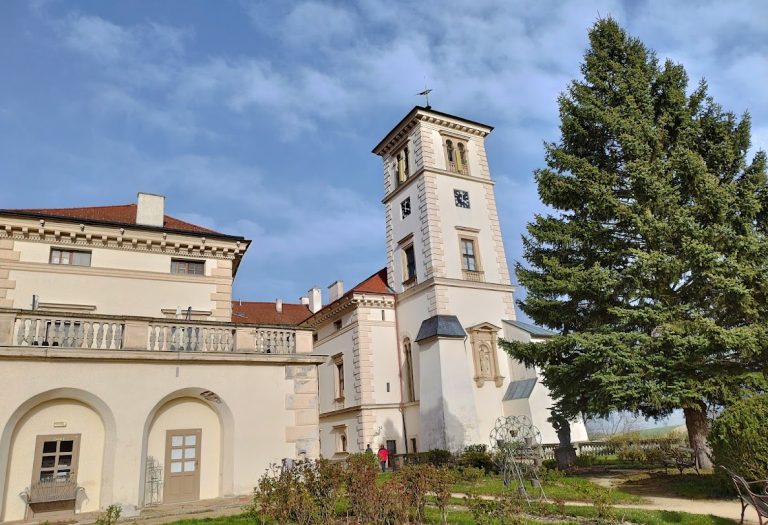
Letovice Castle is a historic castle in Letovice, Czechia, that originated as a medieval wooden fortress between 1203 and 1255 and later developed through Late Gothic, Baroque, Empire, and Gothic Revival phases. It stands on a rocky spur above the Trstenice route, an important road linking Bohemia and Moravia. The castle is associated with the translation of Marco Polo’s travel narrative Il Milione into Czech and is designated a cultural monument of the Czech Republic.
Medieval origins and destruction
The earliest fortress belonged to Bořita, a medieval aristocrat associated with Letovice. It was probably rebuilt in stone as a castle by Heřman of Letovice, whose earliest references date from 1250 to 1274. Stanimír of Letovice is mentioned in 1316, and the castle appears in written records from 1360, when the Lords of Letovice and Ronov became its owners.
At the turn of the fourteenth and fifteenth centuries, the castle acquired a literary association when Il Milione, the medieval travel narrative traditionally linked with the Venetian traveler Marco Polo, was translated into Czech there. In 1424, Hussite forces attacked the castle. The Hussites followed the religious reform movement associated with the Bohemian preacher Jan Hus, and their military campaigns affected numerous settlements in Bohemia and Moravia. At Letovice, the siege ended in capture and destruction.
Late Gothic rebuilding and the Hardek period
From 1446 to 1505, the Lords of Lomnice held one half of the castle and estate, while the Lords of Boskovice controlled the other. In 1505, the Boskovices acquired the remaining half and retained the whole property until 1544. During the second half of the fifteenth century, the castle underwent a Late Gothic rebuilding.
In 1544, Christopher of Hardek and Glatz purchased the castle and estate from Christopher of Boskovice. Under Hanuš Fridrich of Hardek, the interiors were altered and the defenses were strengthened with two rings of ditches. A fortified forecourt was also completed. Stone tombstones belonging to the Hardek family remain in the Church of Saint Procopius.
War damage and Baroque transformation
Through his marriage to Regina Juliana of Hardek, Count Henry Wenceslas Thurn acquired the castle and estate in 1614. Swedish forces captured the castle in 1645 during the Thirty Years’ War, the prolonged European conflict that devastated many central European territories. After Henry Wenceslas Thurn died, Karl Kaspar Thurn sold the property in 1654 to George Stephen Bruntálský of Vrbno for 60,000 florins, a historical currency unit used in central Europe. The new owner commissioned repairs for the war damage.
Countess Eva Erdődy, born Forgách, owned the castle from 1664 to 1666, followed by Countess Elisabeth of Náchod, born Sunioginová, from 1666 to 1668. In 1668, she sold the property for 60,000 florins to George Szelepczenyi of Pohronec, Archbishop of Esztergom. An archbishop is a senior bishop who presides over an ecclesiastical province or holds an archbishopric. Szelepczenyi converted the castle core into an Early Baroque residence.
Count Charles Louis of Roggendorf purchased the castle and estate in 1711 for 170,000 florins. The Blümegen family acquired them in 1724 and began further alterations. In the same year, a fire destroyed the castle and the town. The subsequent Baroque rebuilding completed the principal palace, changed the interiors, and added service and administrative buildings by 1730.
The Kálnoky ownership
The Kálnoky family of Kőröspatak became owners in 1820. Their period of ownership gave the complex its present architectural character through Empire and Gothic Revival alterations. The family also built stables and summer and winter riding halls, while the original castle tower was modified. The Kálnokys retained the property until 1945.
Gustav Kálnoky, the best-known member of the family, served as Austro-Hungarian foreign minister from 1881 to 1885. He transformed the castle slope into an extensive Romantic-Gothic park in the English landscape style. The park was later modified. On 18 November 1871, Gustav’s sister Adéla married the Czech-Hungarian nobleman and politician Jan Nepomuk of Waldstein-Wartenberg at the castle. The scholar Jan Erazim Vocel also worked there as a tutor.
State ownership, restitution, and restoration
After 1945, the castle became the property of the Municipal National Committee, a local administrative body in communist Czechoslovakia. It first housed a boarding school and later several classes of the Masaryk School of Work.
Following lengthy delays, restitution proceedings returned the property to Count Alexander Kálnoky. Restitution was a legal process for returning property that had previously been confiscated or transferred by the state. The town and Kálnoky then financed structural stabilization, repairs to the riding-hall cellars, and work on the park. In 2004, the castle and adjacent park were sold to Bohumil Vavříček of Boskovice, who restored the property.
Remains
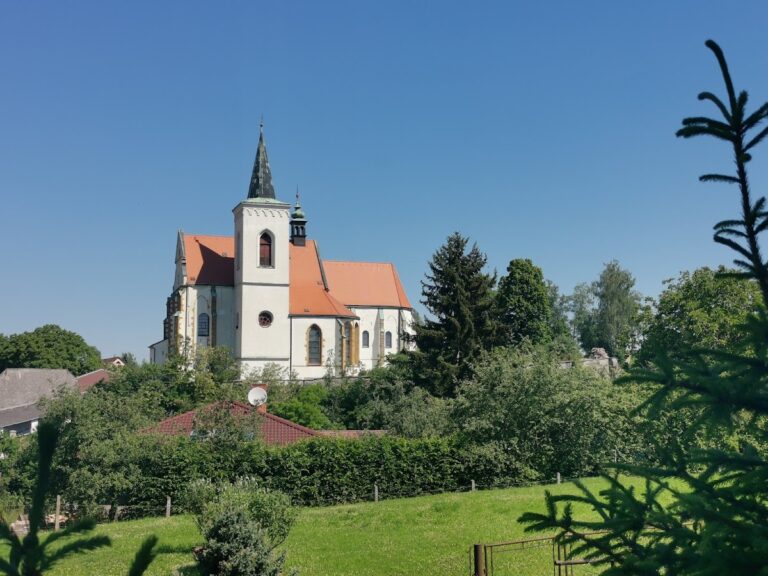
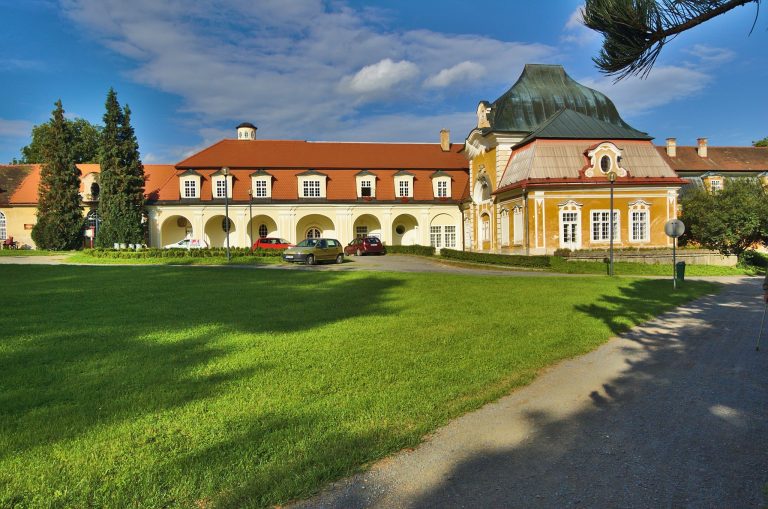
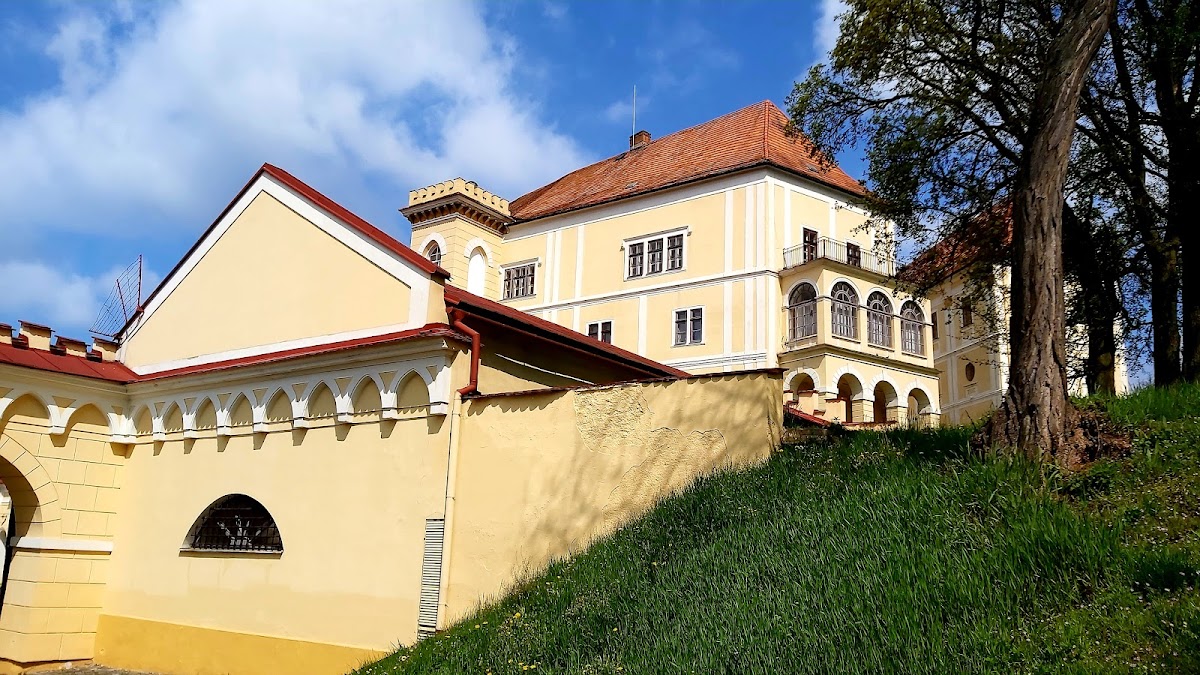
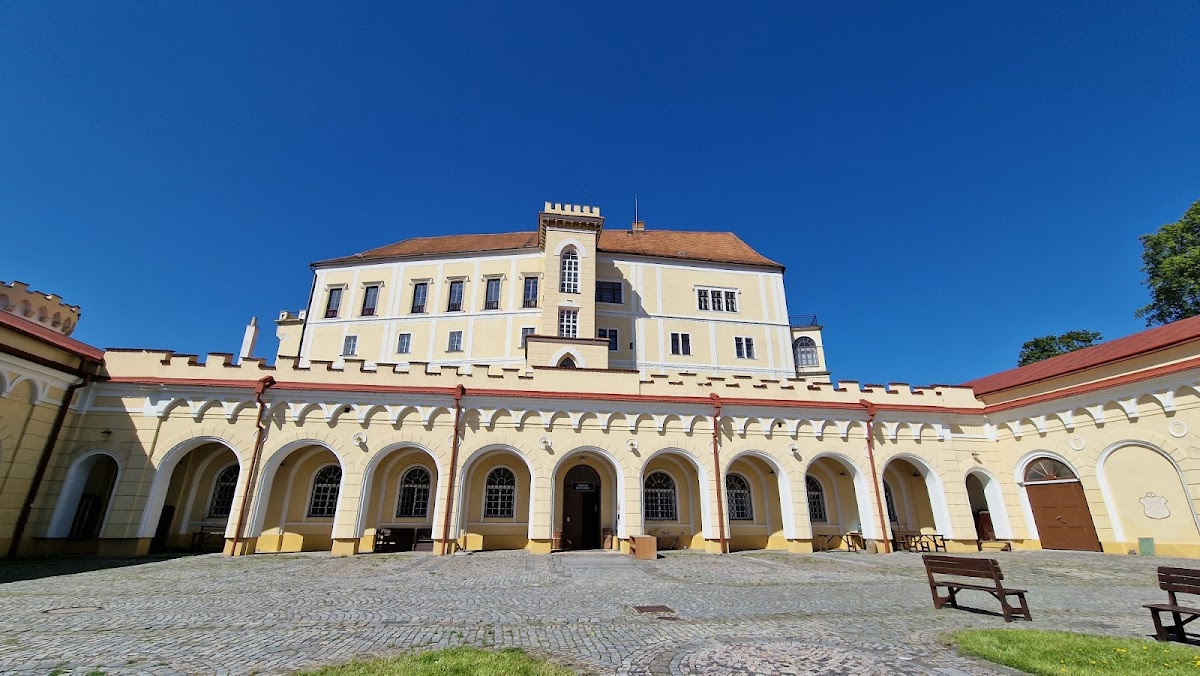
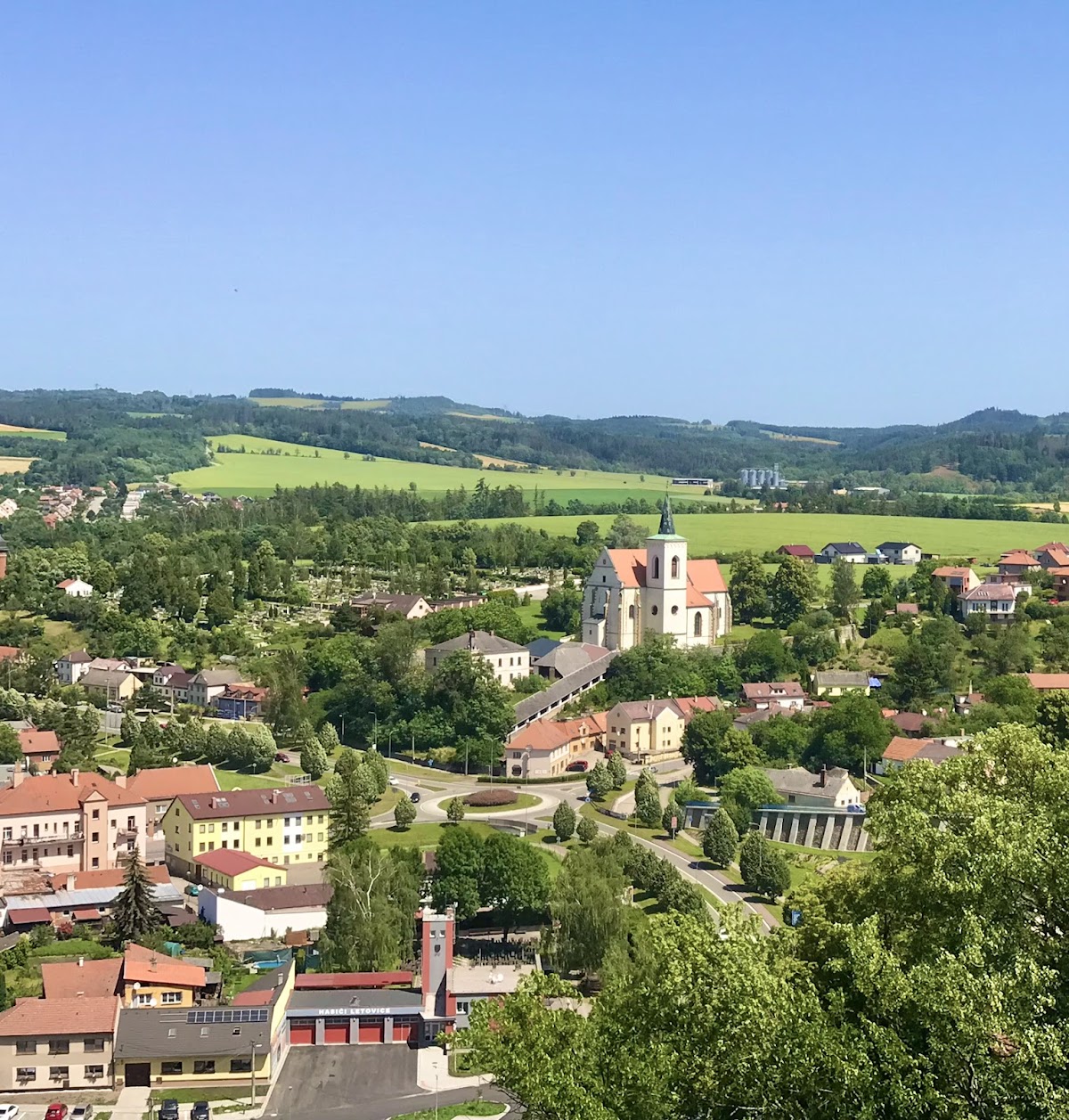
Letovice Castle occupies a rocky spur above Letovice, approximately 40 kilometres north of Brno and above the historic Trstenice route. Its overall character is Gothic Revival, but the complex preserves elements from medieval defensive construction, Late Gothic rebuilding, Early Baroque and Baroque residential phases, Empire alterations, and later pseudo-Gothic work. The buildings, fortified areas, riding facilities, tower, and landscaped grounds form a layered architectural complex rather than a single-period structure.
Fortifications and castle core
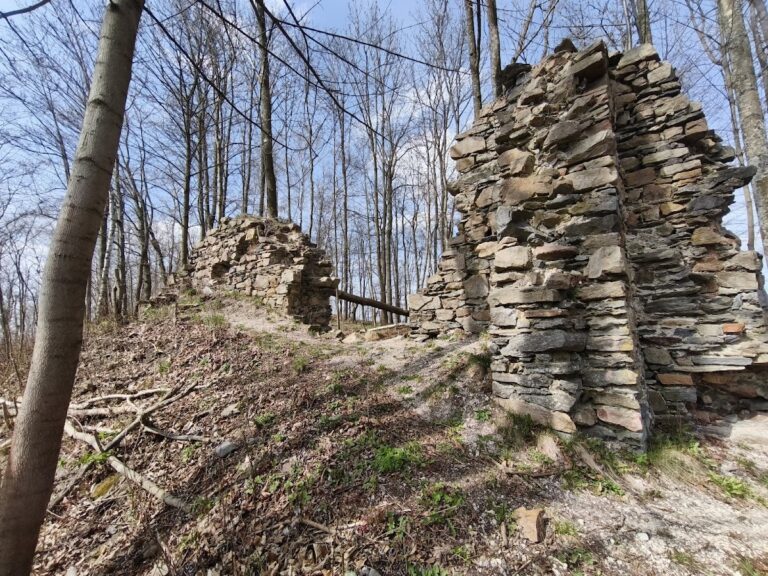
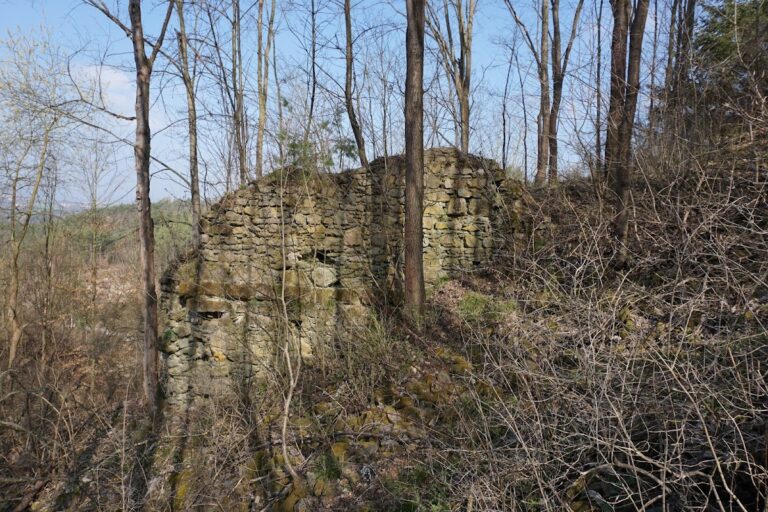
The medieval defensive complex included a fortified forecourt and two rings of ditches added or strengthened during the Hardek period. Within this defensive setting, the castle core was later converted into an Early Baroque residence with an irregular triangular ground plan. Interior changes from the Hardek period and later Baroque rebuilding remain part of the building’s layered form. The original castle tower was subsequently modified under the Kálnoky family.
Palace and service buildings
The later Baroque rebuilding completed the principal palace and added service and administrative buildings. These structures stand alongside the older defensive elements and reflect the change from a medieval fortress to an aristocratic residence. The interiors were altered during both the Hardek period and the Baroque reconstruction, contributing to the complex’s combination of medieval, residential, and administrative functions.
Stables and riding halls
The Kálnoky rebuilding added stables together with summer and winter riding halls. Associated cellars beneath the riding halls later underwent structural securing and remediation. These riding facilities form a distinct group within the castle complex and belong to the nineteenth-century phase that also altered the tower and introduced Empire and Gothic Revival features.
Romantic-Gothic park
The slope below and around the castle was laid out as an extensive Romantic-Gothic park in the English landscape style during Gustav Kálnoky’s ownership. The landscaped grounds were subsequently modified and later included in restoration work carried out after the property’s return through restitution and its sale in 2004.