Les Combarelles: A Magdalenian Decorated Cave in France
Site at a Glance
- Popularity
- High
- Country
- France
- Primary era
- Stone Age
- Eras represented
- Stone Age
- Civilizations
- Unclassified
- Site type
- Civic
- Remains
- Rock Art
On this page9 sections
History
Les Combarelles is a decorated cave near Les Eyzies, France, known for engravings made during the Magdalenian, approximately 18,000 to 13,000 years before present. The Magdalenian was a late Upper Paleolithic cultural period in western Europe, associated with distinctive stone and bone tools and cave art. The discovery at Les Combarelles helped prompt a reassessment of prehistoric people’s mental and technical abilities.
Magdalenian occupation and dating
Radiocarbon analysis of bones places human presence in the cave between 13,680 and 11,380 years ago. André Leroi-Gourhan assigned most of the engravings stylistically to the Middle Magdalenian, a subdivision of the period. He considered that a few might belong to the Upper Magdalenian, including its fifth and sixth phases.
Discovery, study, and protection
Before systematic investigation, local peasants used the cave as a stable and regularly came across Magdalenian objects. Émile Rivière excavated the entrance and the passage now called Combarelles II between 1891 and 1894. On 8 September 1901, Denis Peyrony, Louis Capitan, and Henri Breuil officially discovered the decorated main passage, Combarelles I. François Berniche had found engravings there and alerted Breuil and other specialists. Breuil’s record counted 291 drawings in 105 groups.
Combarelles I received French historic-monument protection in 1902, a national designation for heritage sites and buildings, and became state property in 1924. In 1934, Armand Pomarel found engravings in Combarelles II; Breuil published them in 1952.
A rescue excavation at the entrance in 1968 confirmed use of the cave during the Middle Magdalenian. A section investigated in 1973 yielded radiocarbon dates of 11,730 and 9,430 BP, meaning years before the conventional reference year of 1950. Published in 1987, these results were assigned to the Upper Magdalenian. Claude Barrière began studying the engravings in 1978, and his 1997 monograph included some newly identified figures.
Combarelles II entered the French historic-monument register in 1943 and was classified in 2025. Since 1979, Les Combarelles has also formed one of the fifteen sites and caves in the UNESCO World Heritage property Prehistoric Sites and Decorated Caves of the Vézère Valley. World Heritage recognition is given to places considered to have outstanding universal value.
Remains
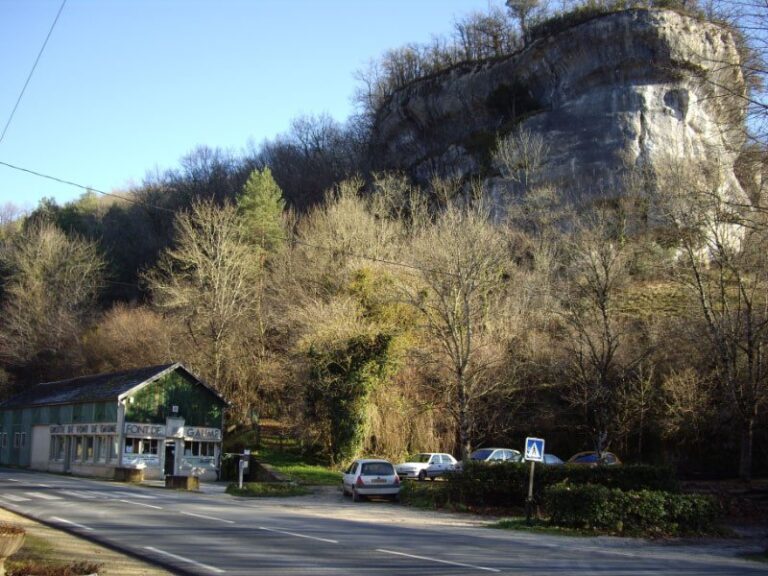
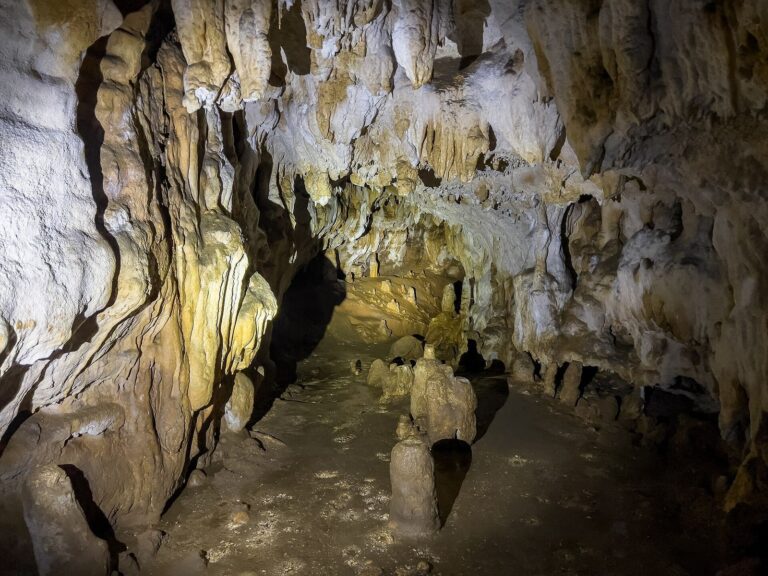
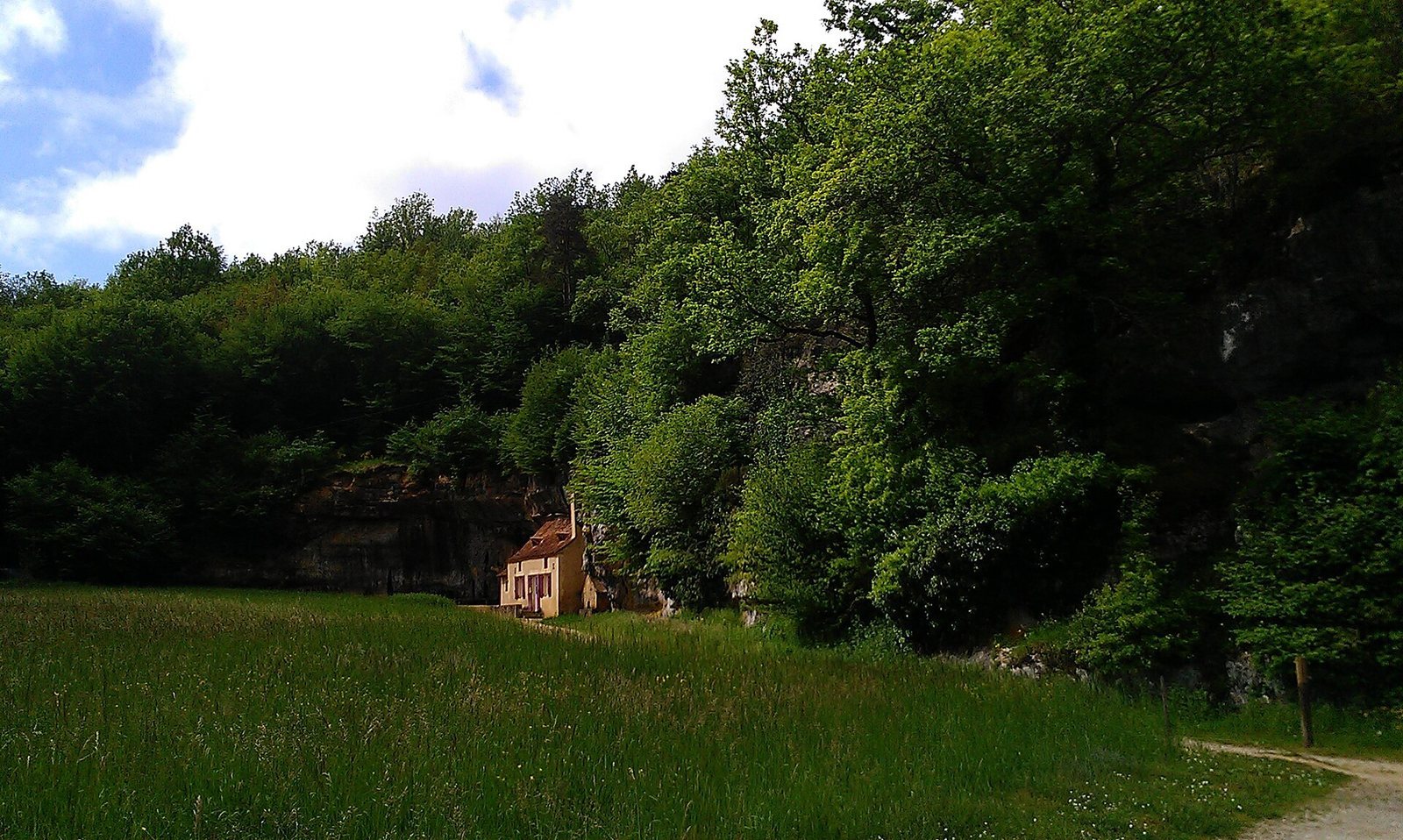
The cave lies on the left bank of the Beune, about 2.5 km upstream from its meeting with the Vézère. Underground water gradually carved its passages through a marl bed, a sedimentary rock made from clay and carbonate minerals, within flat-lying Coniacian limestone. The Coniacian is a stage of the Late Cretaceous.
Passages and layout
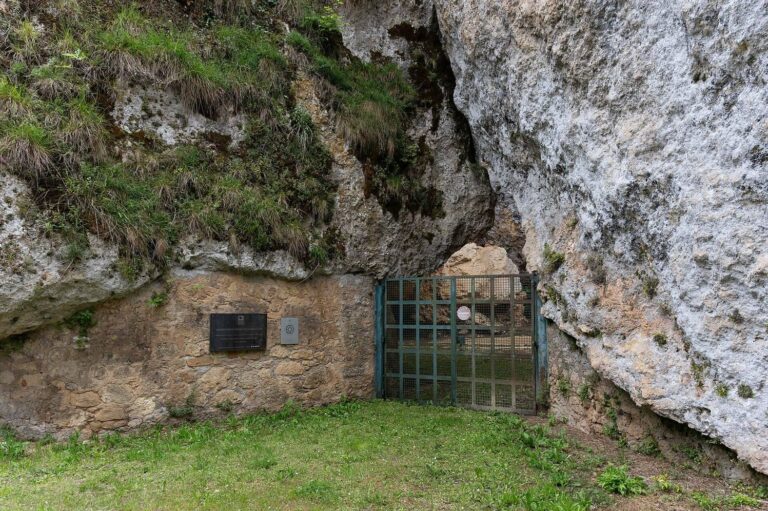
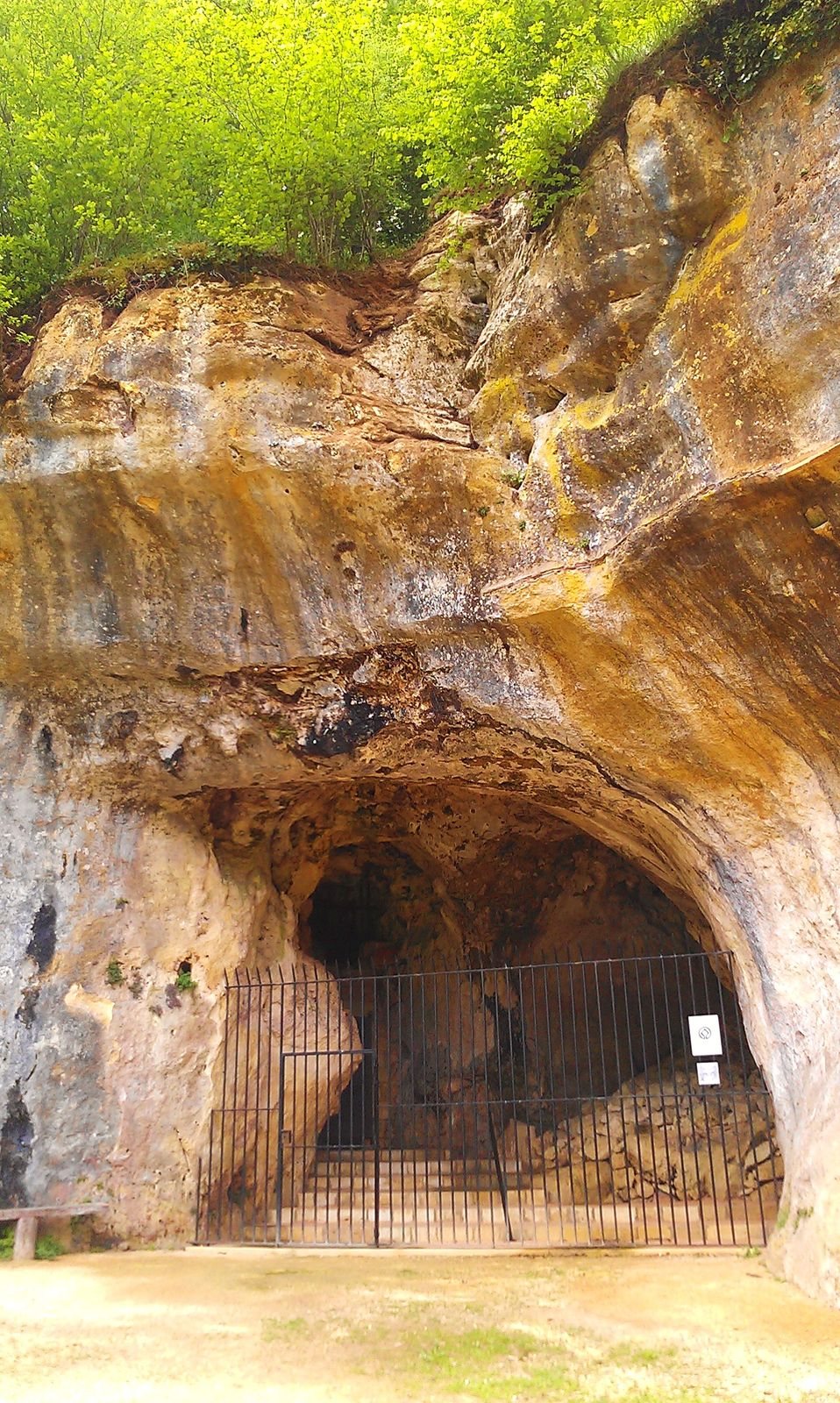
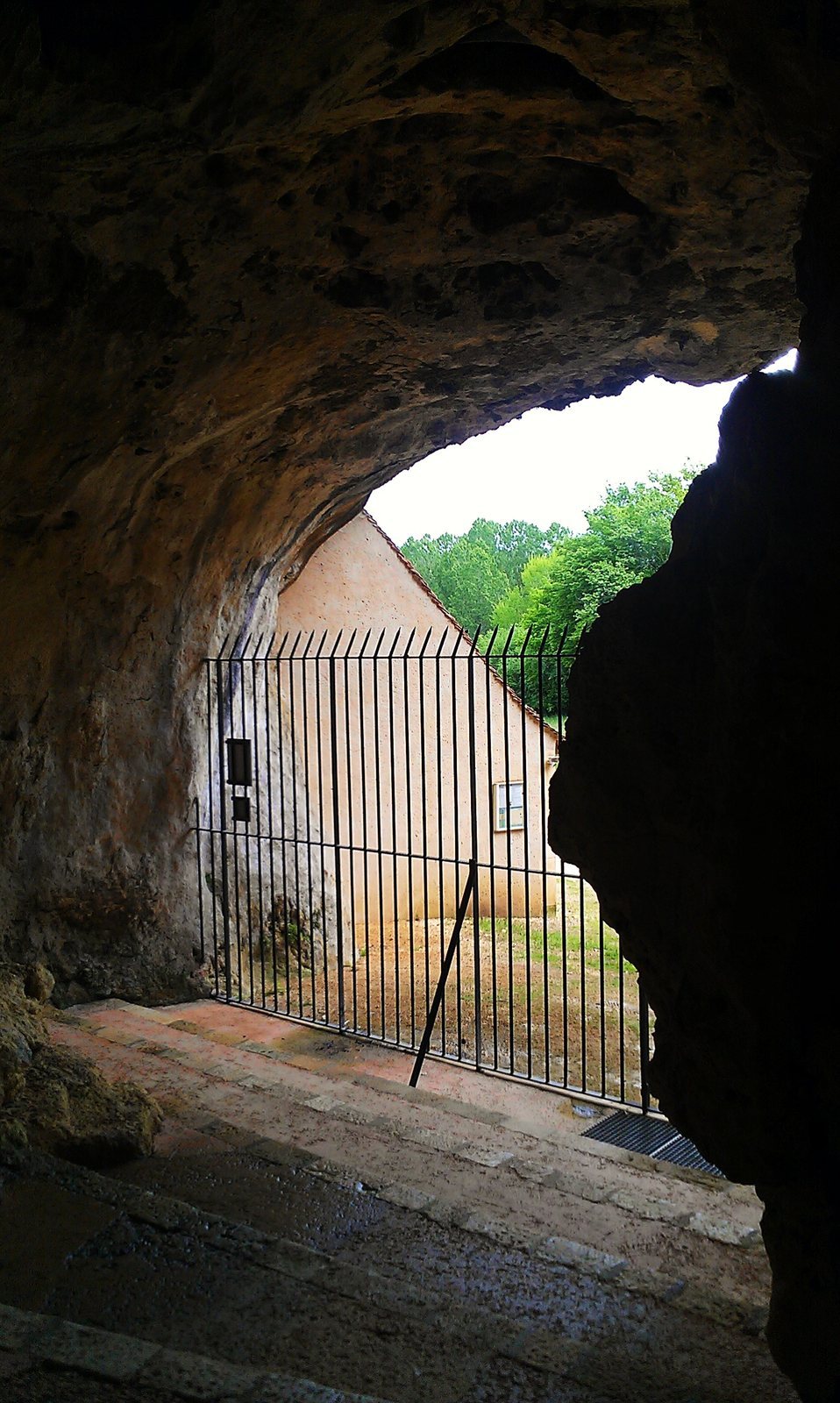
The entrance divides into two passages: the longer Combarelles I to the left and the shorter Combarelles II to the right. Combarelles I extends for 249 m, averages about 1 m in width, and bends eleven times; some stretches are low. Its floor was lowered to ease passage, and most of its engravings occupy the final 120 m. A decorated area at the far end, Combarelles III, was discovered by Marc Delluc in 2005, bringing the total gallery length to about 300 m. Estimates place roughly 800 engravings in Combarelles I and about 30 in Combarelles II. Stone artifacts were found just inside the entrance.
Engraved art
Animal figures
The cave’s animal imagery includes horses, reindeer, ibex, mammoths, woolly rhinoceroses, bears, large cats, wolves, bison, aurochs, and other deer. Horses are especially numerous, with about 140 recorded. Some reindeer appear posed as though drinking from a river. Figures often overlap, yet many are rendered realistically.
Human figures and signs
About fifty schematic human figures are represented, with 48 recorded. Some resemble figures at the Upper Magdalenian sites of Lalinde and Couze. Other marks include roof-shaped signs called tectiforms; their meaning is not established.
Technique and preservation
Engraving is the principal artistic method in the cave, while black outline drawings are rare. Traces of pigment show that some engraved figures were painted. Over roughly 15,000 years, humidity and condensation gradually washed away the paint, while the engraved lines endured.