Lepsius XXIV: A Fifth-Dynasty Pyramid in Egypt
Site at a Glance
- Popularity
- Medium
- Country
- Egypt
- Primary era
- Bronze Age
- Eras represented
- Bronze Age
- Civilizations
- Egyptian
- Site type
- Burial
- Remains
- Pyramid
On this page11 sections
History
Construction and later damage
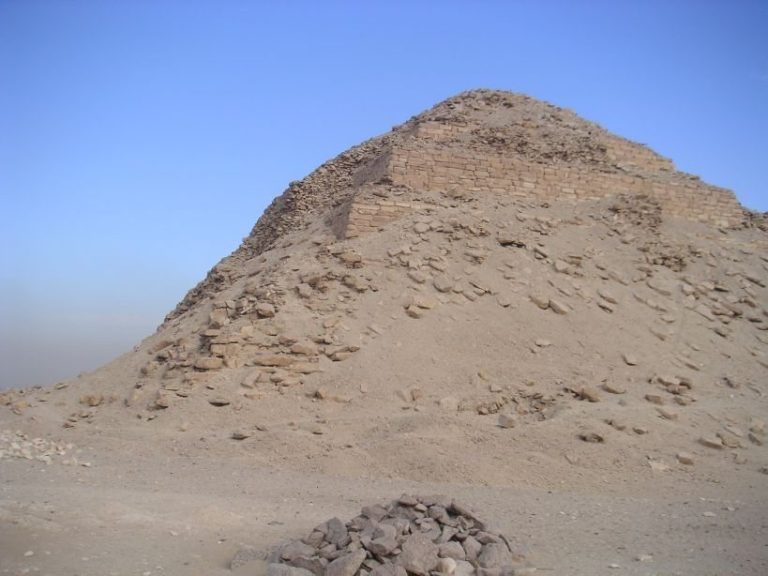
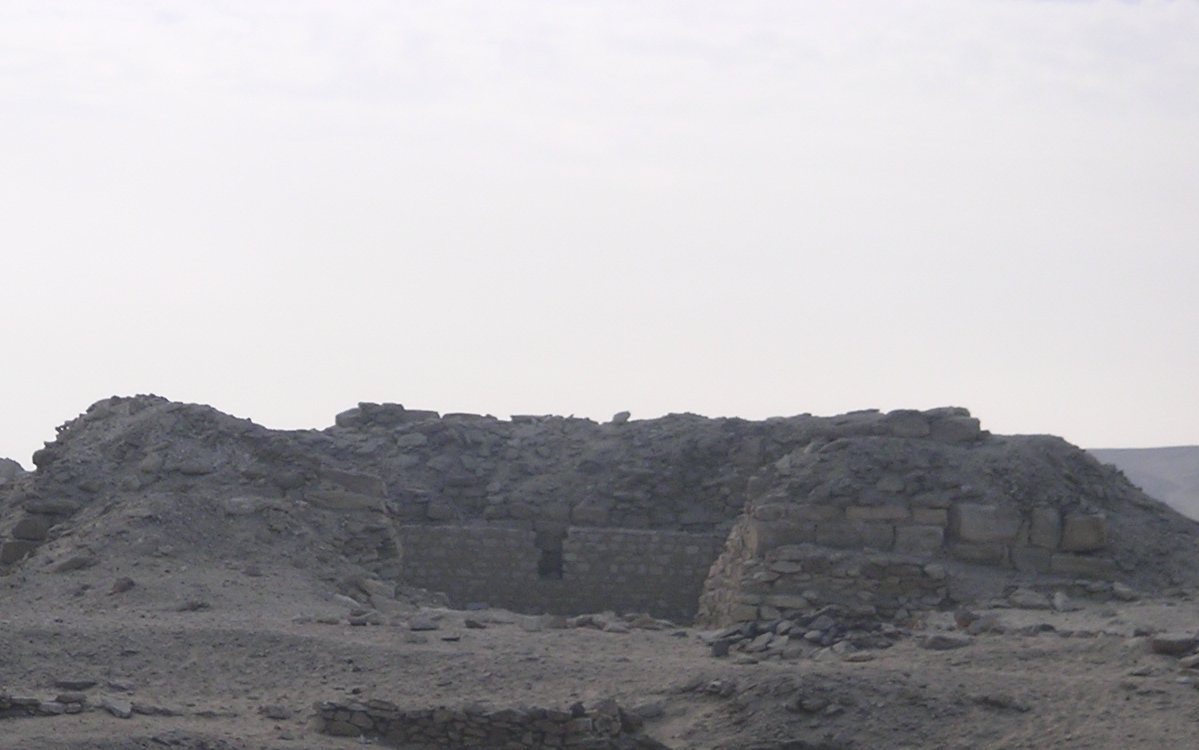
Lepsius XXIV is a badly damaged pyramid in the Abusir pyramid field in Egypt, probably built around 2430 BCE during the Fifth Dynasty of the Old Kingdom, under King Nyuserre. Its owner is unknown. Nyuserre may have commissioned it for one of his wives, possibly Reptynub. Construction graffiti naming Ptahshepses, the king’s vizier, a senior official who oversaw royal building work, support a date in Nyuserre’s reign.
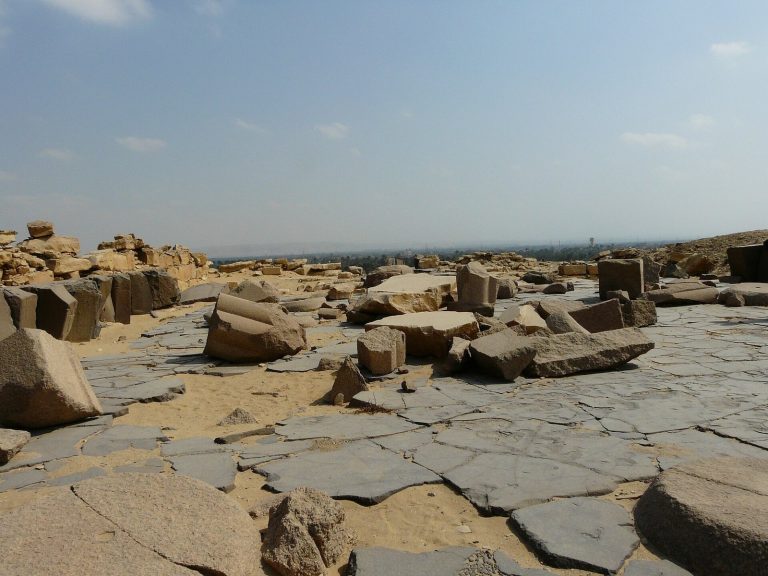
Stone-robbing in the New Kingdom and again in the Saite period, the era of Egypt’s Twenty-sixth Dynasty, severely damaged the mortuary temple, with its southern part especially affected.
Rediscovery and archaeological study
Karl Richard Lepsius identified the pyramid site during his Egyptian expedition of 1842–1845 and gave it the number XXIV in his list of pyramids. In the early twentieth century, Ludwig Borchardt interpreted the remains as a mastaba, a low tomb with a flat roof and sloping sides, or as two such tombs. He did not investigate the site further.
A Czech mission associated with Miroslav Verner studied the site in 1983 and found a pink-granite sarcophagus. Exploratory excavations took place in 1980–1981, 1987 and 1990, followed by a full excavation in 1994. The team identified the pyramid complex and dated it to Nyuserre’s reign.
Remains
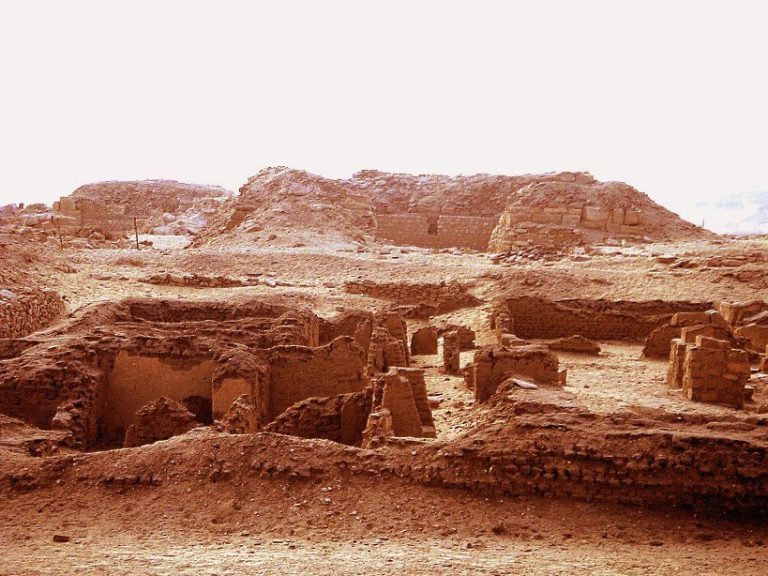
A wall enclosed a complex centered on the main pyramid, with a mortuary temple, a building for funerary and commemorative rites, on its east side and a small cult pyramid, a subsidiary pyramid within a larger complex, to the south. The main pyramid is aligned north to south; the smaller pyramid has a slightly different orientation.
Pyramid and burial chamber
Main pyramid
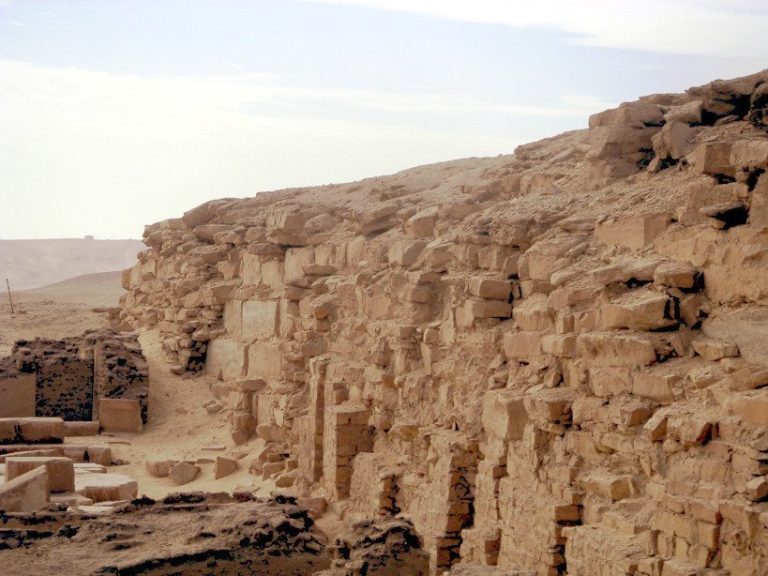
The limestone pyramid is badly damaged and may have been left unfinished. Its square base measured 31.5 metres on each side, and it had a slope of 60°15′ and an original height of 27.3 metres. About 5 metres remain. The core was built in three layers. The first had an outer stone facing around an interior of sand, rubble and debris; a north–south ramp extending into the core was probably used to construct this layer. The second layer had an outer stone facing and angled divisions made from irregular stone fragments, with loose debris between them. The third layer has been lost. This mixed construction method was thought to improve stability. Fine limestone facing appears to have been added later, since the temple masonry meets the first core layer directly.
Substructure and burial chamber
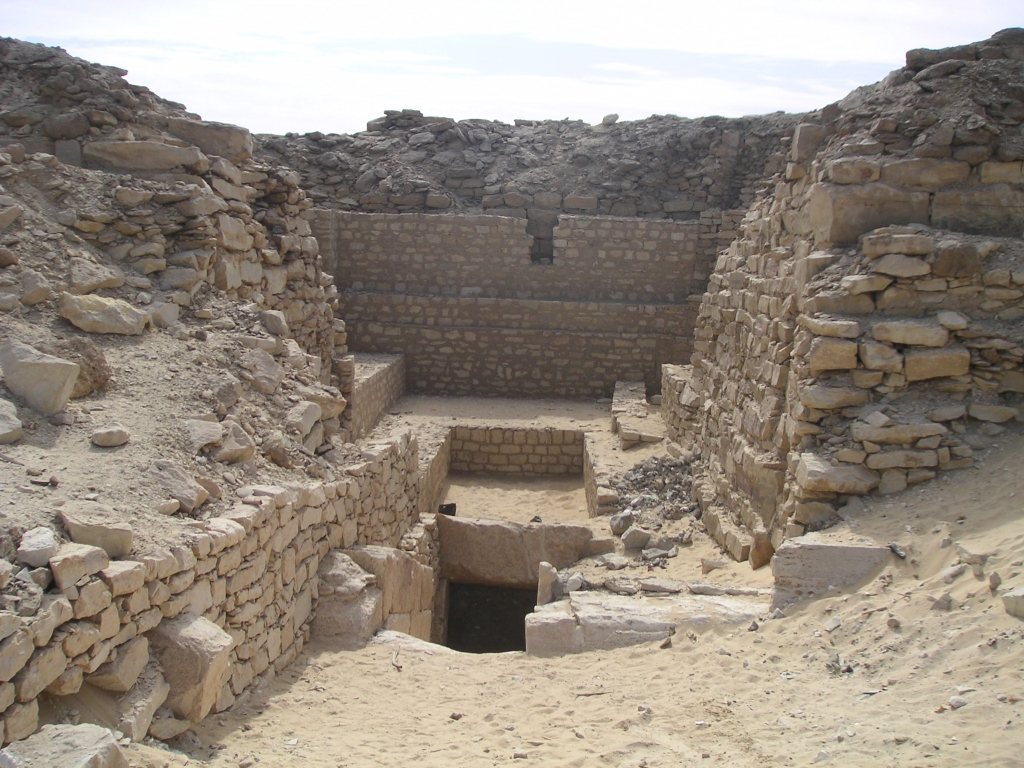
The burial space was first excavated as an open trench and then covered by the pyramid. An entrance on the north led through a passage to an east–west burial chamber; much of the passage has been quarried away. The chamber contained fragments of a pink-granite sarcophagus, burial equipment and the damaged mummy of a woman about 23 years old. Traces of brain removal during mummification were found on the remains. This practice was used from the beginning of the Middle Kingdom, so the woman may have been buried later than the pyramid’s construction, but it does not establish her date or identity. Finds from the chamber area also included alabaster vessels, copper tools used in the Opening of the Mouth, an ancient funerary ritual intended to restore the deceased’s faculties, and canopic jars for organs removed during mummification.
Associated structures
Cult pyramid
The subsidiary pyramid in the southern part of the complex had a base of about 10 metres by 10 metres. Stone-robbing destroyed most of it, while parts of its fine limestone facing survive at the northwest corner and along the west side.
Mortuary temple
The temple stood east of the main pyramid and appears to have had a simple plan. A false door, a symbolic feature linking the living and the dead, occupied the side facing the pyramid. The building is heavily ruined, particularly in its southern part.
Enclosure wall
A wall surrounded the entire pyramid complex.