Leeberg Pettendorf: A Prehistoric Burial Mound and Medieval Lookout
Site at a Glance
- Popularity
- Low
- Country
- Austria
- Primary era
- Iron Age
- Eras represented
- Iron Age, Medieval, Modern
- Civilizations
- Hallstatt culture, Holy Roman Empire
- Site type
- Burial
- Remains
- Burial Mound
On this page6 sections
History
Prehistoric origins
Leeberg Pettendorf is a prehistoric burial mound at Pettendorf in the municipality of Hausleiten, Lower Austria, Austria. It is generally attributed to the Hallstatt culture, dated to 850–450 BCE, though construction in the succeeding La Tène period has also been proposed. Hallstatt and La Tène were successive archaeological cultures of Iron Age Central Europe. Settlement-related remains from around 2800 BCE have been found in the surrounding area, but these belong to an earlier period than the proposed dates for the mound.
Medieval transformation
In the Middle Ages, the mound was reshaped into a Hausberg, a fortified mound or hilltop used as a small stronghold or defensive position. Partial excavations in the 1980s, led by archaeologist Ernst Lauermann, indicated that its top had been flattened and altered for this use.
One proposed explanation connects the transformation with Friedrich von Pettendorf, a nobleman recorded in 1108 as a vassal of Bamberg. His wife, Heilica von Staufen, was the daughter of Agnes of Waiblingen and Friedrich von Staufen. After Agnes married Leopold III in 1106, Friedrich and his followers may have moved into Babenberg lands and been assigned to protect a Danube crossing near Pettendorf. The Babenbergs were Austria’s ruling dynasty, and Leopold III succeeded his father, Leopold II.
Leopold III ruled from Gars am Kamp from 1095 and from Klosterneuburg from 1113, as the Babenberg seat shifted from the Waldviertel toward the Vienna Woods. Pettendorf’s position on the Wagram escarpment, overlooking the surrounding area, has been cited in support of the proposed defensive role. A risky Danube crossing, a mill about 350 metres away that later became known as Trabauer Mill, and a circular village roughly 550 metres away have also been suggested as clues to a nearby settlement and supply point. The village form has been associated with Bavarian and Frankish settlers.
As the Babenberg seat moved to Klosterneuburg, the mound’s proposed role as a staging point declined and was eventually forgotten, although the name Pettendorf endured. Today, an annual solstice fire is held there around St John’s Day, the Christian feast of the Nativity of John the Baptist, and a priest blesses the village and surrounding fields.
Remains
Mound and summit platform
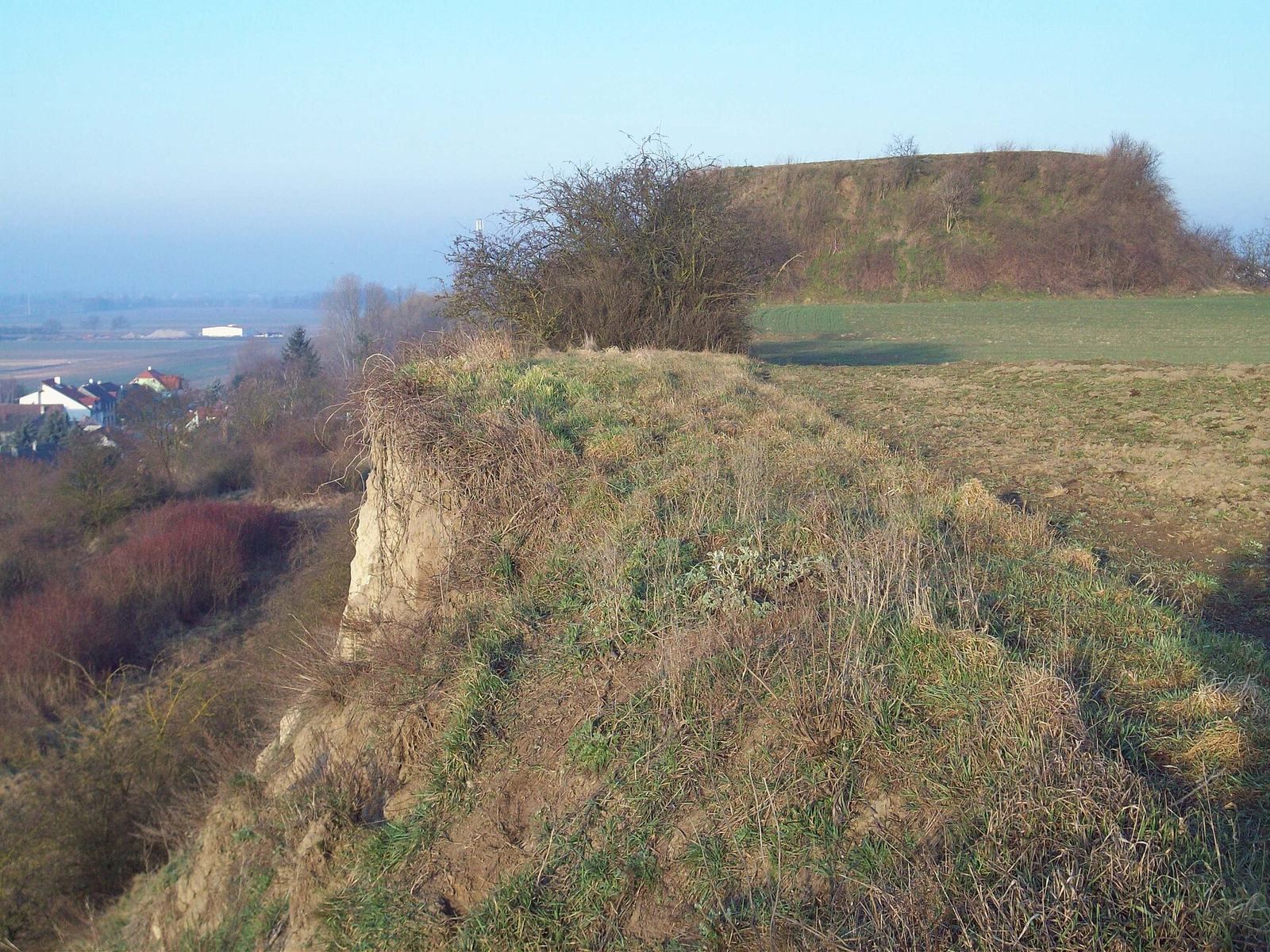
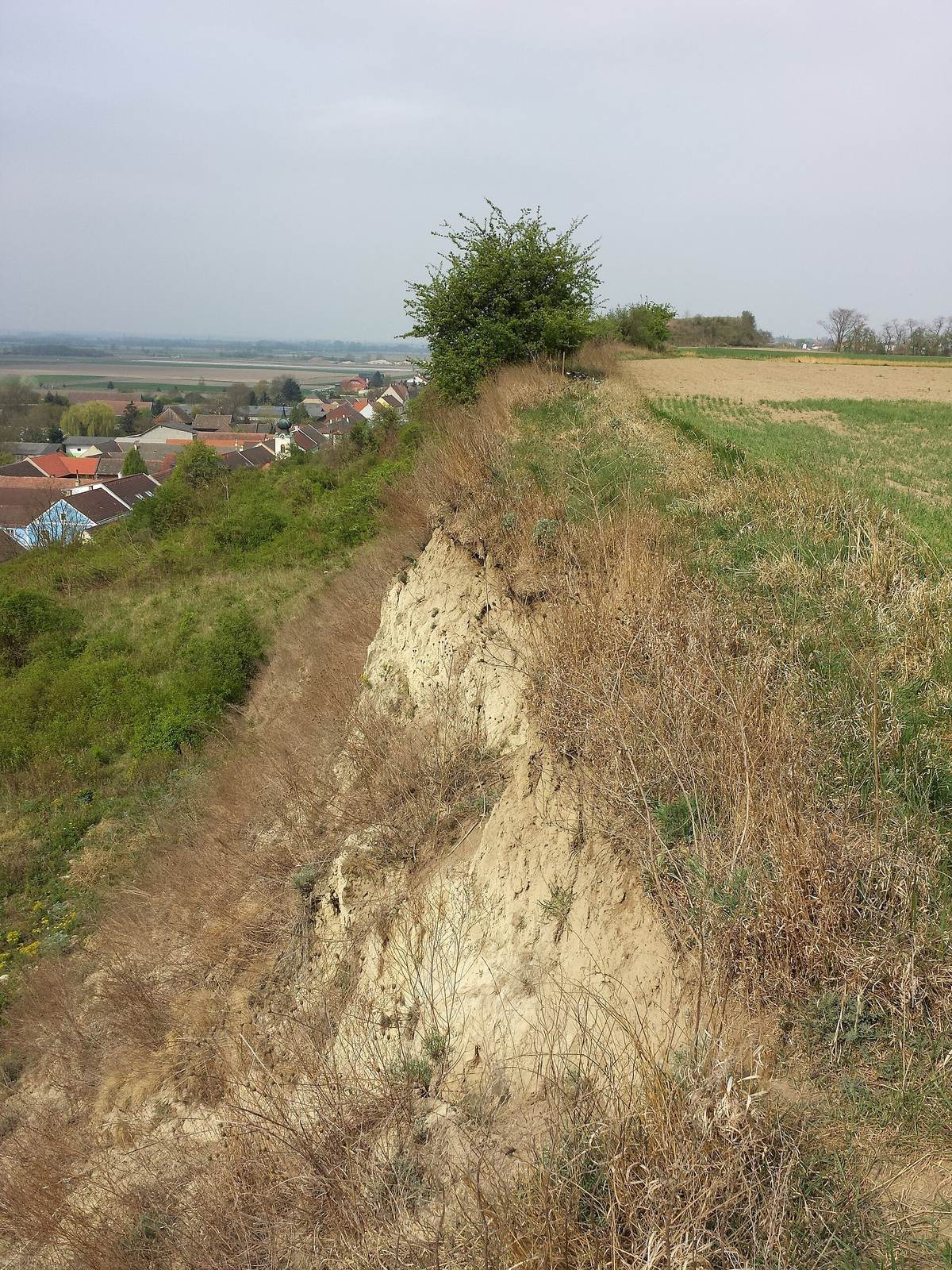
Set on the Wagram, an escarpment north of the Danube, the mound has a circular ground plan and the shape of a truncated cone. It stands about 10 metres high, at 219 metres above sea level, rising approximately 34 metres above the village of Gaisruck and about 10 metres above the fields to the north. Its medieval summit platform is roughly circular and measures around 25 metres across.
Summit installations
In 2014, the summit was redesigned as part of Hausleiten’s “Culture Connects” trail. A circle of glacial erratic stones carries panels identifying views in each direction, with a large fire bowl at its centre. A steel staircase provides access to the summit. A 360-degree panorama telescope offers a wide field of view without magnification, with names of selected places and mountains overlaid. Its panorama extends from Michelberg and the Vienna Gate across the Vienna Woods, the Lower Austrian Limestone Alps and Tulln to the Wachau and Schmidatal.