La Berlière Castle: A Noble Estate and Boarding School
Site at a Glance
- Popularity
- Medium
- Country
- Belgium
- Primary era
- Early Modern
- Eras represented
- Medieval, Early Modern, Modern
- Civilizations
- French, Holy Roman Empire
- Site type
- Domestic
- Remains
- Castle
On this page8 sections
History
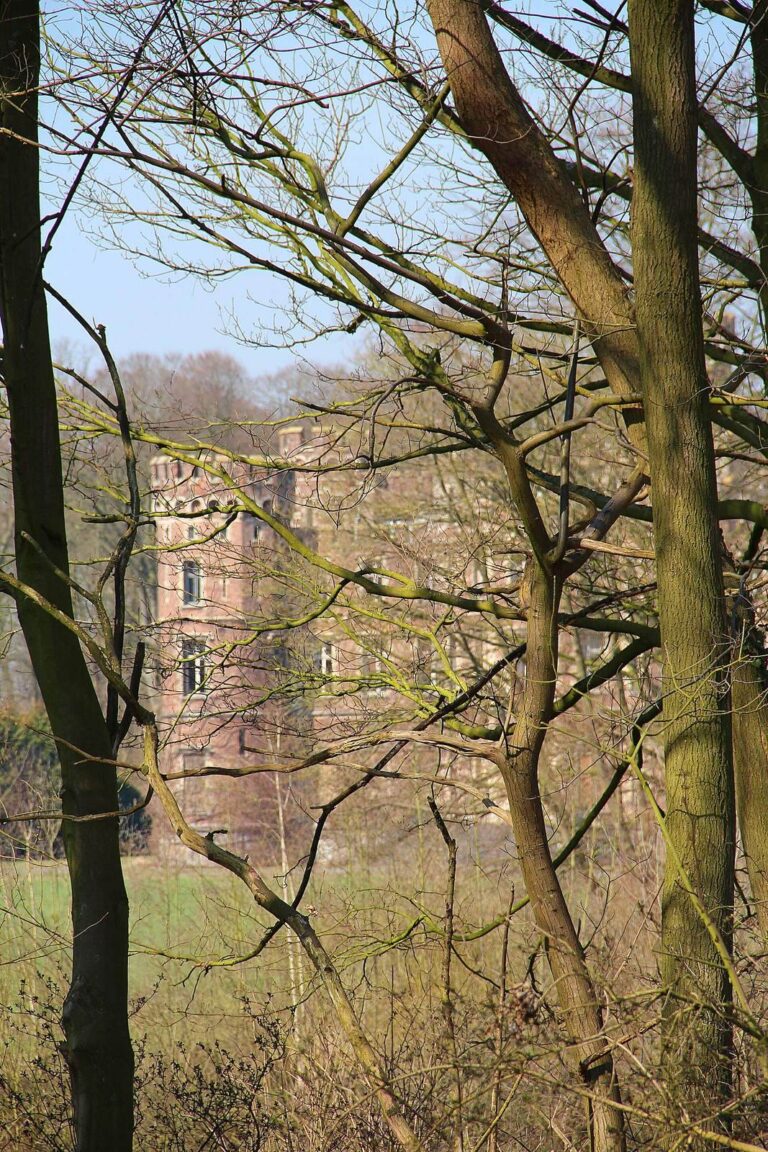
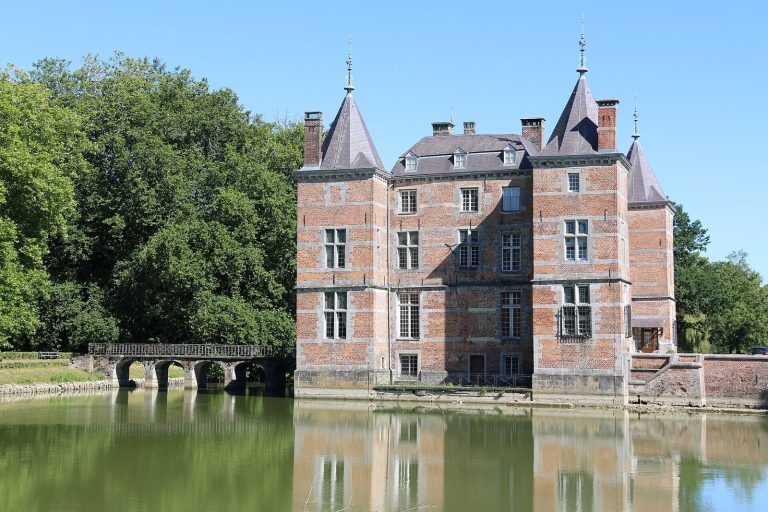
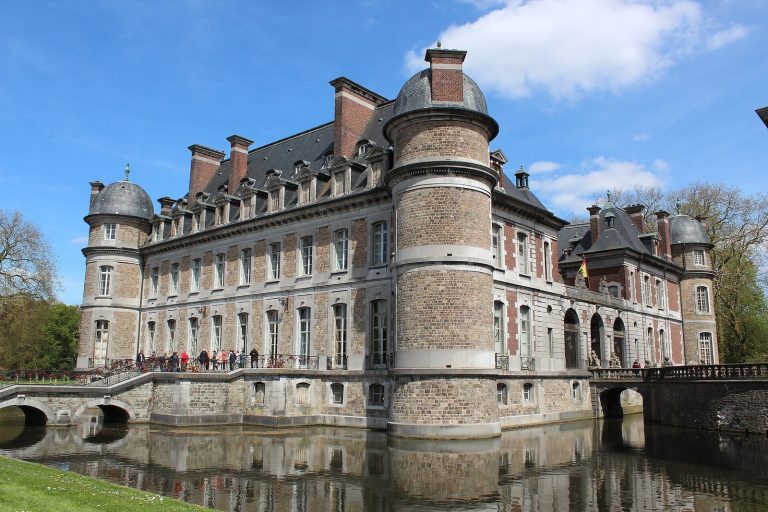
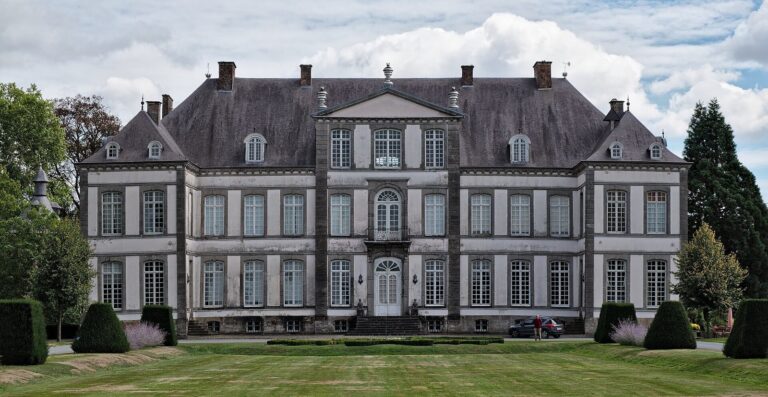
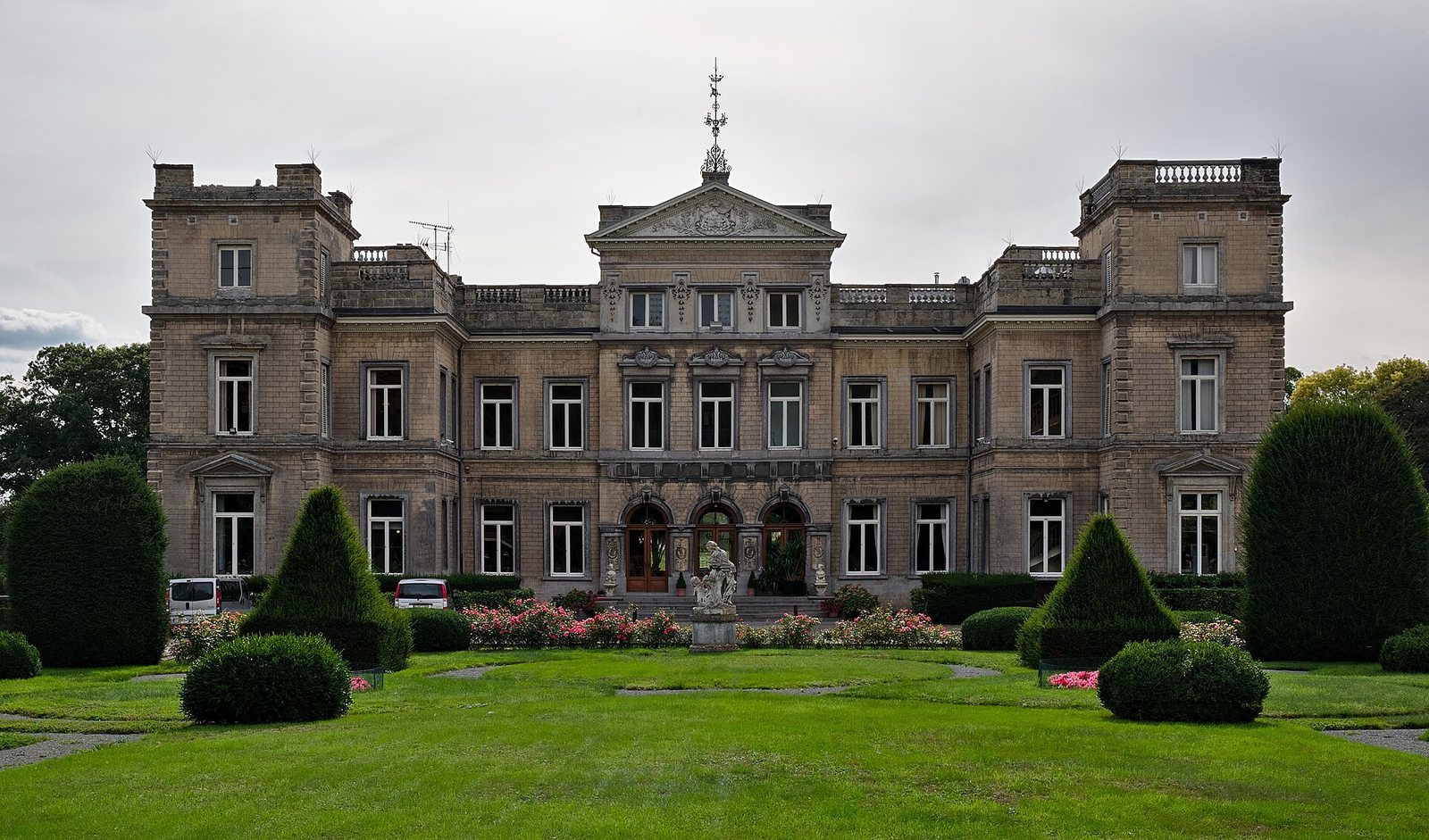
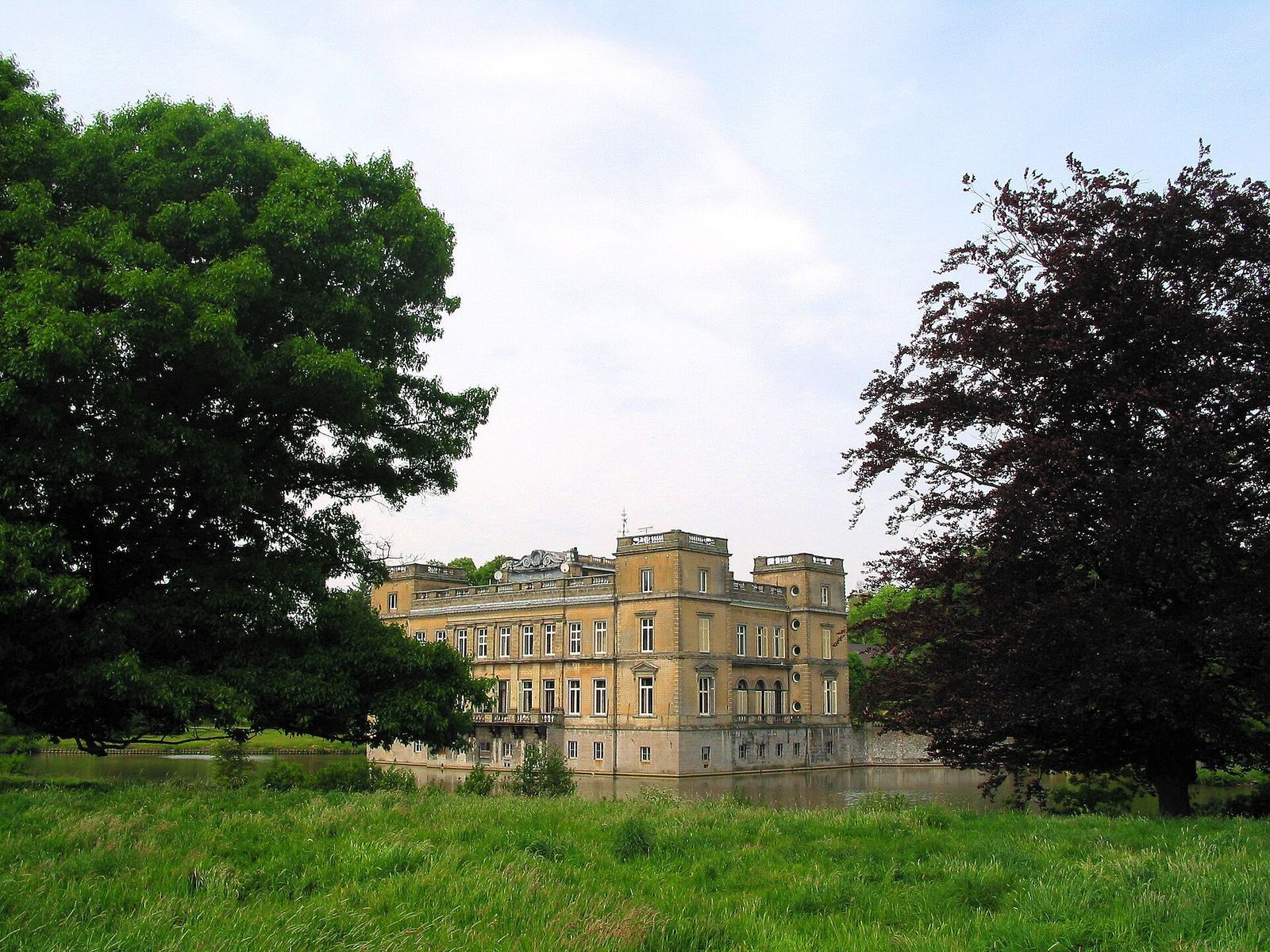
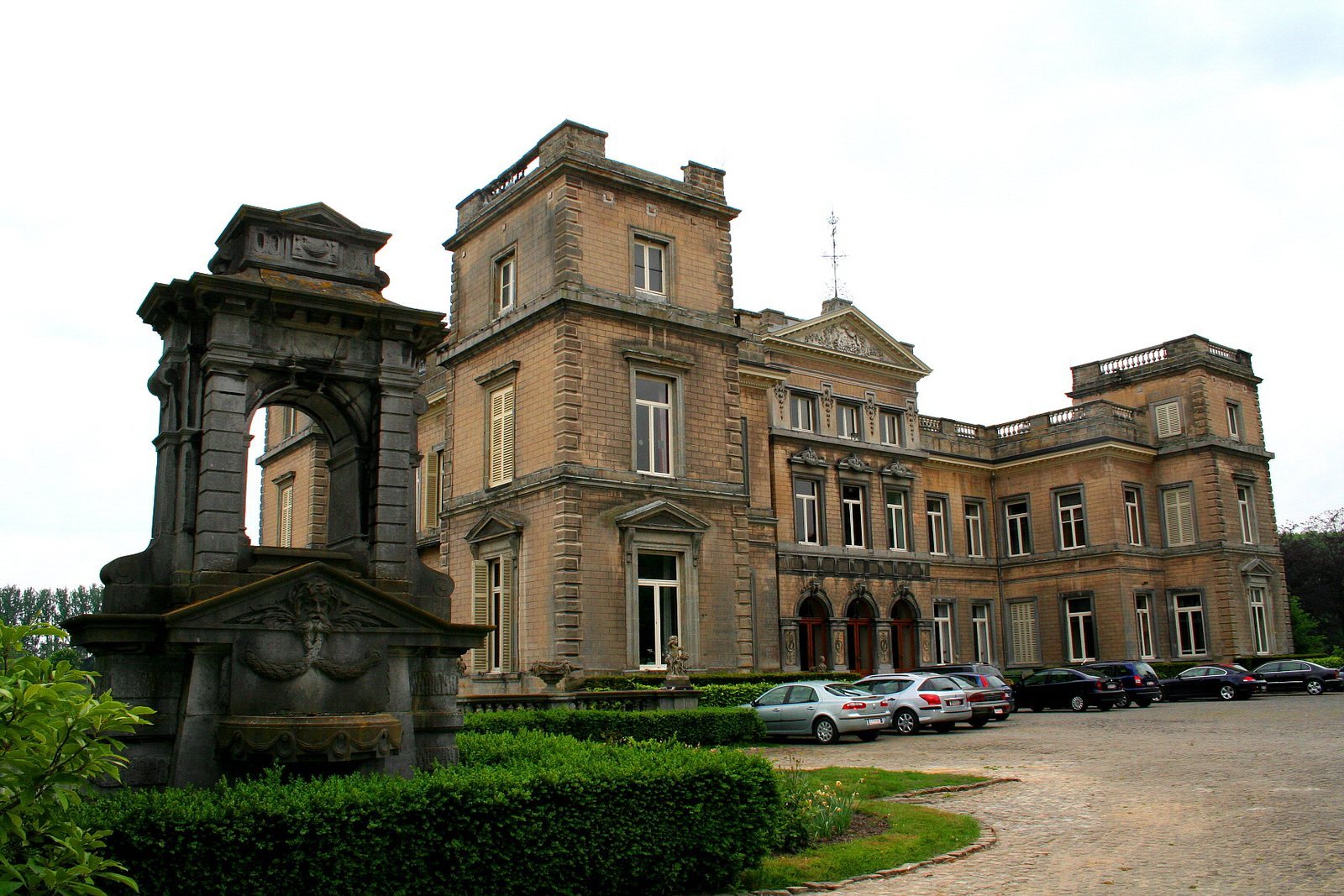
La Berlière Castle is an estate and château near Houtaing, in the municipality of Ath, Belgium. Its history began with a defensive keep built around 1330 by Michel I, Baron of Ligne, a member of a historic noble family of the Low Countries. The château was built between 1796 and 1800 in the classical and academic style of its period, while the estate has a neoclassical character, drawing on Greek and Roman forms.
Medieval origins and changes of lordship
The keep was intended to protect a valley rich in game that belonged to the Abbey of Saint-Amand-en-Pévèle. In 1511, Antoine I de Ligne sold the lordship of La Berlière to the Saint-Genois family. François de Saint-Genois transferred it in 1643 to Jacques Dennetières, a bourgeois of Tournai. Dennetières’s descendants became barons of La Berlière under successive Spanish and Austrian Habsburg rule.
Rebuilding and the Oultremont family
A first known restructuring took place in 1677. A further rebuilding phase extended from 1793 to 1835. Within that period, Balthasar d’Ennetières, Marquis des Mottes and ninth Baron of La Berlière, commissioned Tournai architect Antoine Payen the Elder to build the château between 1796 and 1800.
In 1844, Marie-Rose d’Ennetières, the last bearer of that family name and sole heir to Frédéric d’Ennetières, brought the estate into the House of Oultremont through her marriage to Count Octave d’Oultremont de Duras. Their son, Count Adhémar d’Oultremont de Duras, inherited the property from Octave. A Belgian senator, Adhémar developed the stables and breeding farm, which became renowned across Belgium. With his wife, Clémentine de Croÿ, he also supported nearby Houtaing. Many residents worked at the castle, and the couple provided the village with running water, electricity and telephone service, covering residents’ telephone subscriptions. Adhémar also had a home built to house and care for older people.
Estate, occupation, and school
The estate was sold in 1912 to Eugène Motte, a textile industrialist from Roubaix, who used it as a country residence. A property company, Immobel, acquired it in 1939. German forces occupied the castle in 1941 and 1942; afterward, a provincial orphanage used it until 1945. A proposed subdivision put the building at risk of demolition in 1946. In 1947 it was sold intact to the Congregation of the Josephite Fathers, a Catholic religious congregation, which established a boys’ boarding secondary school there.
The school later became coeducational and remains under Josephite management. In 1996 it merged with the Institut de la Visitation in Lessines, forming Collège Visitation–La Berlière. It began admitting girls in 2017, with a separate boarding pavilion provided for them on the grounds. Walloon heritage protection in 1977 covered the château, avenue, French garden, pond, farm and park. A further designation in 1994 included the château’s façades, roofs and decorative elements.
Remains
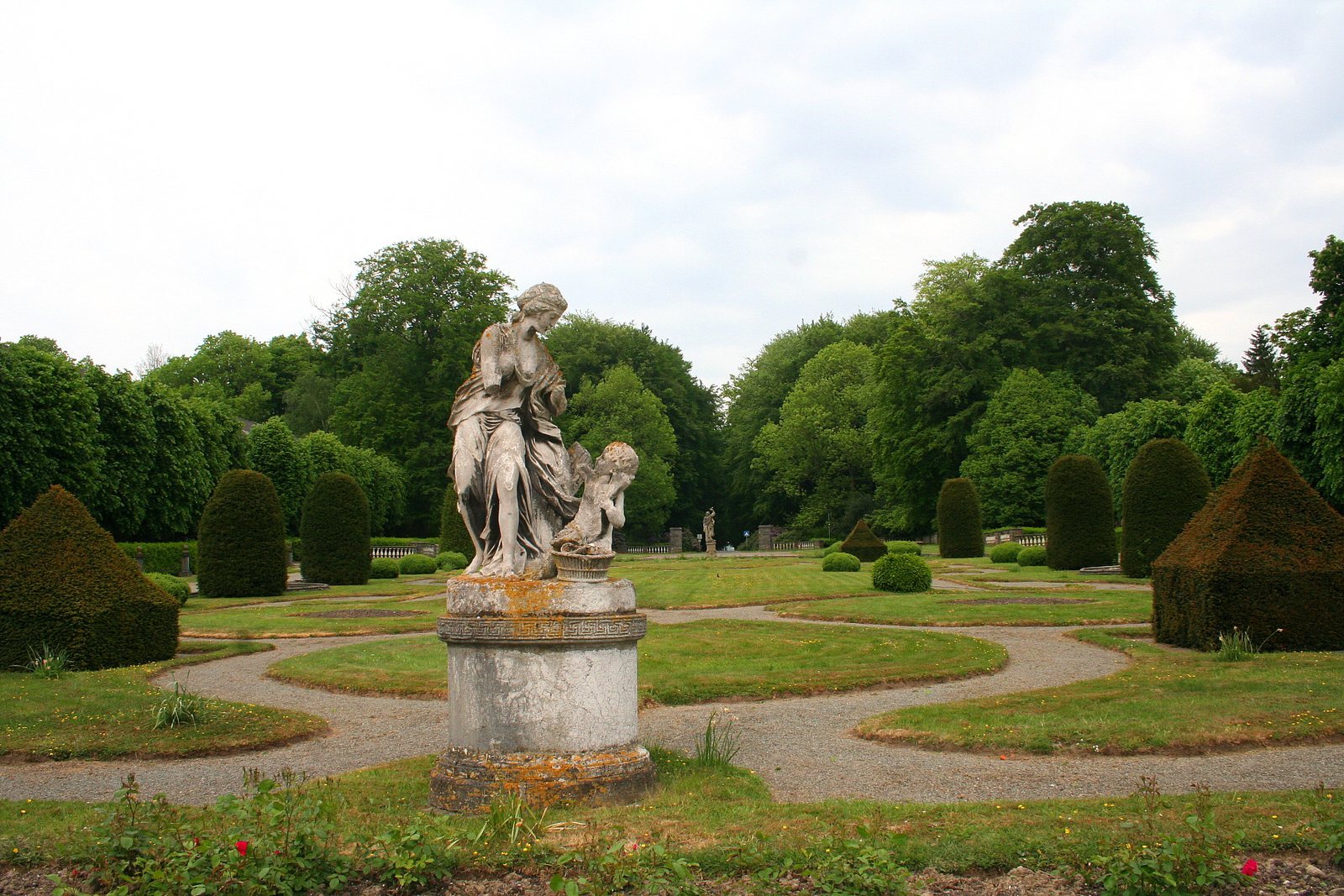
The estate combines a château with gardens, an avenue, a farm, parkland and woodland. Its architectural character is neoclassical, with symmetrical, balanced elements extending from the main building into the gardens. The grounds include ponds and French gardens.
Château and interiors
The château was built in the classical and academic style of its period. Its interior has been adapted for school use, including classrooms, shared spaces, boarding rooms and sports facilities. A small salon contains wall paintings, and tapestries decorate a bedroom.
Gardens and estate grounds
An entrance avenue approximately one kilometre long leads into the estate. Its grounds include the French gardens, a farm, parkland, woodland and a pond. The avenue, garden, pond, farm and park were included in the estate’s 1977 protection.
Oultremont Mausoleum
Near the castle stands the Oultremont Mausoleum, a Neo-Gothic structure that revives medieval Gothic forms. It contains a chapel and a crypt where Clémentine and other members of the Oultremont family are buried.