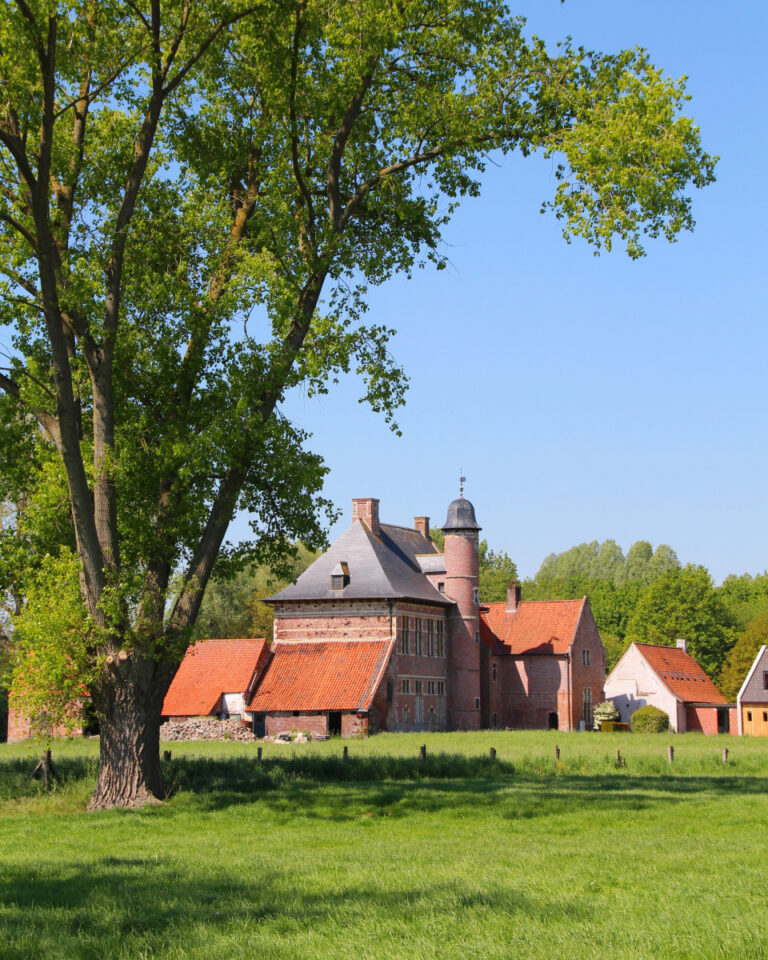
Anvaing Castle: A Gothic-Renaissance Castle and Site of the 1940 Belgian Capitulation


Site at a Glance
- Rating
- 4.5
- Popularity
- Very Low
- Country
- Belgium
- Primary era
- Early Modern
- External website
- Open
- Eras represented
- Early Modern, Modern
- Civilizations
- French, Spanish
- Site type
- Domestic
- Remains
- Castle
On this page7 sections
History
Medieval origins and reconstruction
A castle or fortress stood at Anvaing in Frasnes-lez-Anvaing, Belgium, by 1127, during the period of the First Crusade. The First Crusade was a Western European military campaign of the late eleventh and early twelfth centuries aimed at capturing Jerusalem and other territories in the eastern Mediterranean. Little is known about the buildings that preceded the reconstruction begun in 1561.
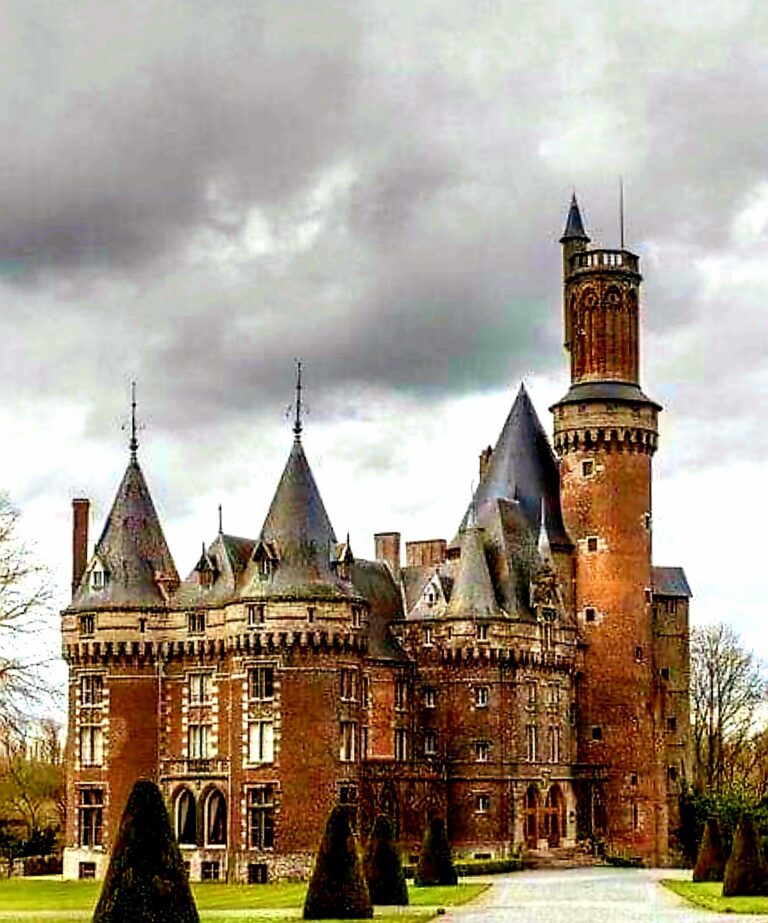
Anvaing Castle is a sixteenth-century Gothic-Renaissance castle whose present form reflects that reconstruction and major alterations carried out in 1800. The Roubaix family were its first known occupants. The Lannoy family later settled at Anvaing. The Lannoys belonged to an old house that had served the kings of France and the dukes of Burgundy, and their descendants still own the castle.
The Battle of the Lys
During the Battle of the Lys in May 1940, Anvaing Castle served as the headquarters of the German 6th Army. The battle formed a major phase of the German invasion of Belgium and France. On 28 May, Belgian plenipotentiaries, officials authorized to negotiate or sign agreements for a state, arrived at 9:35 a.m. General Olivier Derousseaux and Commandant Liagre were received shortly afterward by General Walther von Reichenau and Major-General Friedrich Paulus.
The capitulation of the Belgian Army, meaning its formal surrender, became effective at 10:00 a.m. after the document had been read and signed. A German officer then fired a celebratory shot into the dining-room ceiling, leaving a lasting mark on the building.
Protection and continued ownership
Anvaing Castle has been protected as an important Walloon cultural-heritage site since 1972. It remains a private residence owned by the House of Lannoy.
Remains
Plan and water system
The castle probably follows the rectangular plan of the earlier defensive arrangement. Part of the former moat system survives around the complex, while some old moats were converted into ponds. The ponds and remaining moats are supplied by the Rhosnes, a tributary of the Scheldt. These water features preserve part of the defensive layout associated with the earlier castle.
Dining room
The dining room contains a coffered ceiling covered with Cordovan leather. This finely prepared and decorated leather was traditionally associated with Córdoba and could serve as a durable ornamental covering for an interior. The ceiling retains the impact made by the celebratory shot fired during the Belgian capitulation on 28 May 1940.
Nearby sites