Church of the Transfiguration in Krivaja: A Serbian Orthodox Church
Site at a Glance
- Popularity
- Very Low
- Country
- Serbia
- Primary era
- Early Modern
- Eras represented
- Medieval, Early Modern
- Civilizations
- Ottoman
- Site type
- Religious
- Remains
- Church
On this page5 sections
History
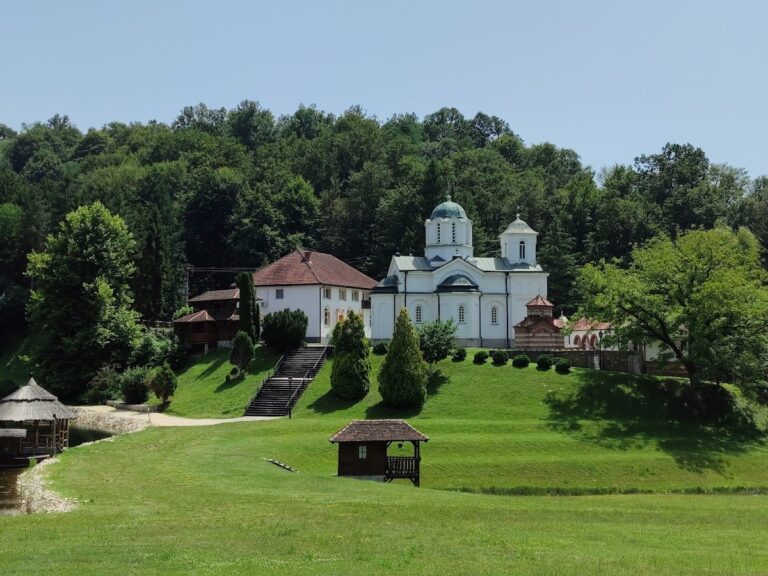
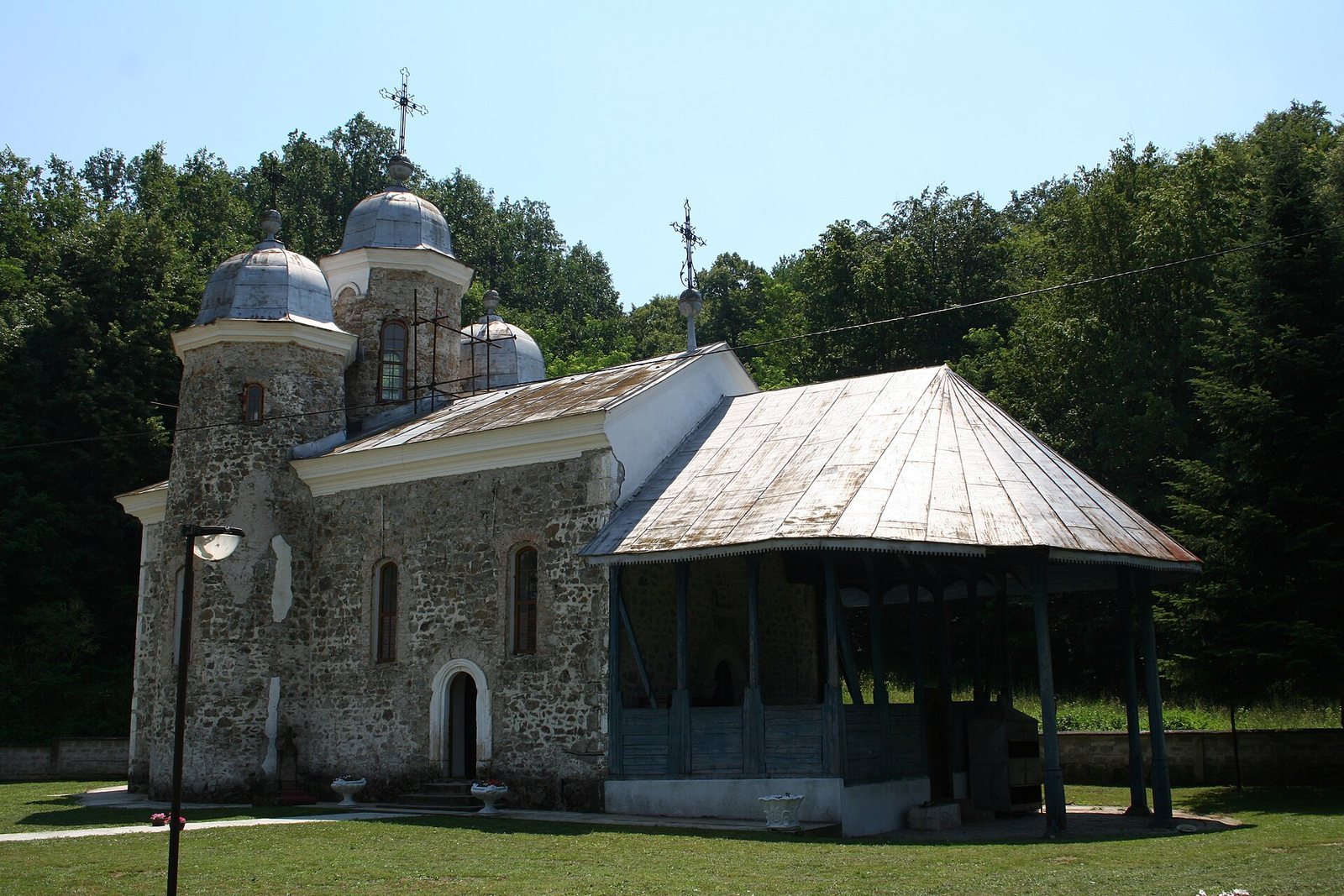
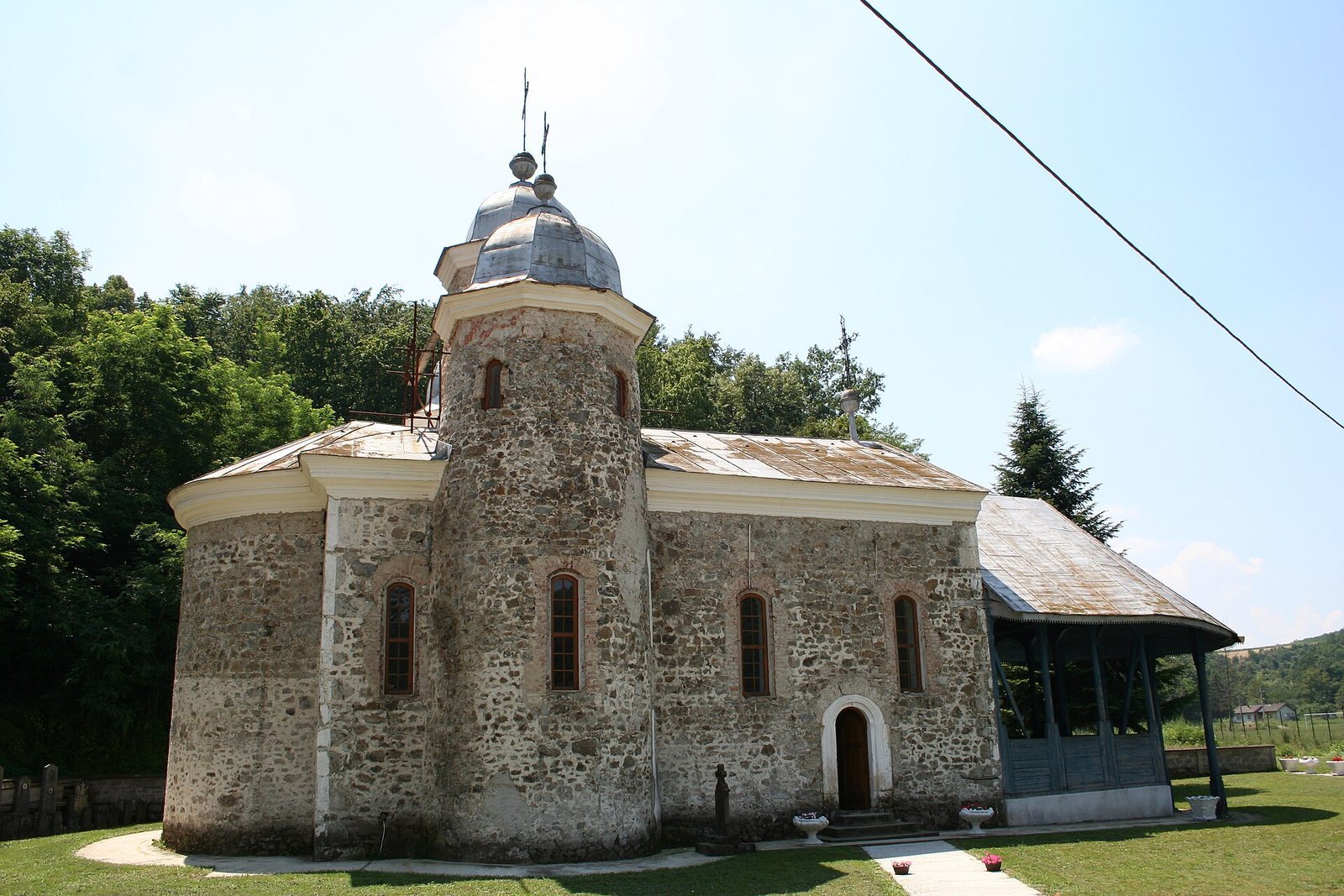
The Church of the Transfiguration in Krivaja is a Serbian Orthodox church in the Šabac territory of Serbia. Built in the 15th century, it is dedicated to the Transfiguration of the Lord, a Christian feast commemorating Jesus’s manifestation in divine glory. The church belongs to the Eparchy of Šabac, a diocesan jurisdiction within the Serbian Orthodox Church.
The monastery church
Until the beginning of the 18th century, the church served the Monastery of Krivaja. Sixteenth-century records refer to the monastery as Krivojnik and Dobrinje.
Alterations and conservation
Extensive work in 1790 gave the church its present appearance. It was supported by Oberknez Ranko Lazarević, a senior local leader, three other prominent householders, and the abbots, or heads, of the Orthodox monasteries of Radovašnica, Kaona, Čokešina, and Petkovica. Mihailo Petrović was the principal master builder.
Conservation in 1978 addressed the roof, façades, and porch, and improvements were made to the churchyard. The church is protected in Serbia as a Cultural Monument of Great Importance.
Remains
Architecture and decoration
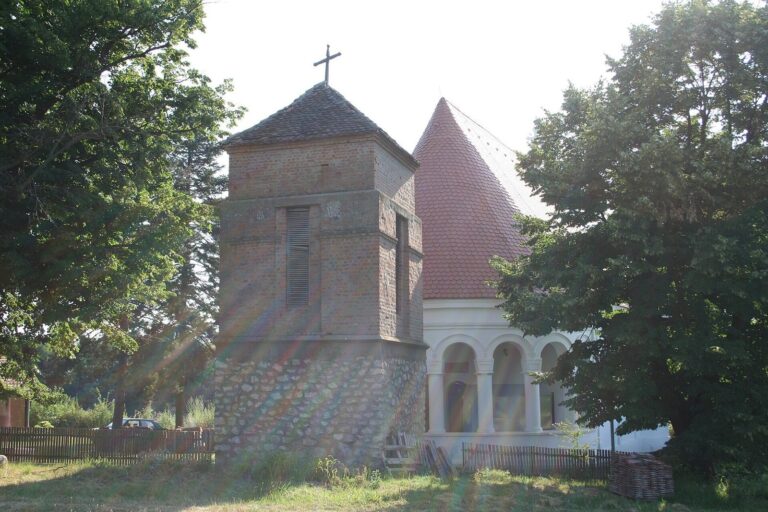
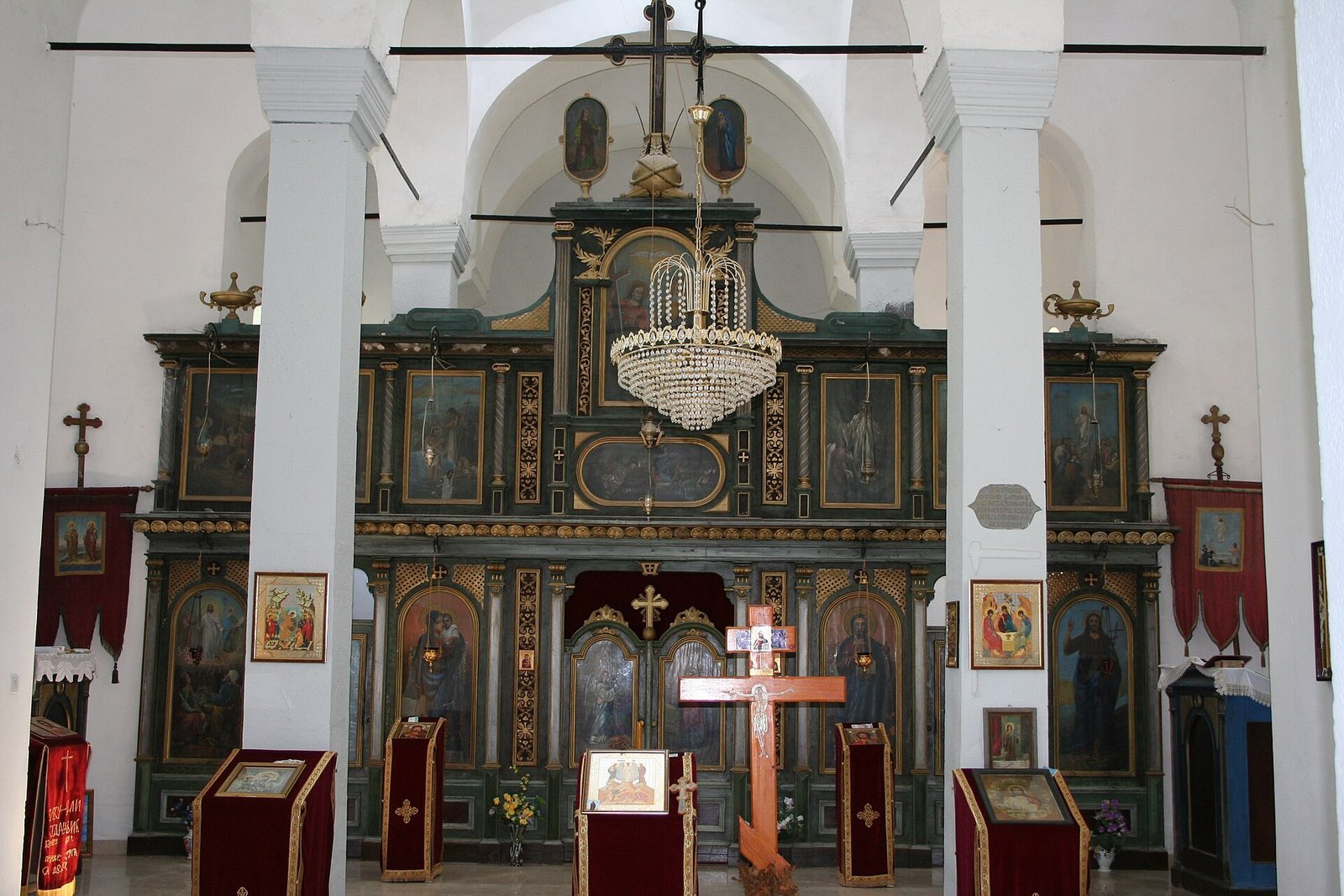
At the foot of Cer Mountain, the church has a trefoil plan, with three projecting apsidal sections, and a spacious semicircular apse at the altar end. The building also includes a narthex, or entrance vestibule, and an open, semicircular wooden porch on its west side. The porch was added later. Three polygonal domes rise above the church: one over the middle of the nave and two over the choir apses. The exterior walls are plastered and whitewashed. Two western portals lead separately into the porch and the main church. The craftsmen who built the porch also made the portals, and the porch is regarded as a masterwork of vernacular craftsmanship. Inside, painted decoration was executed by a group of painters associated with Hadži-Ruvim, a Serbian Orthodox monk and artist, and Petar Nikolajević Moler, a Serbian painter. Mihailo Petrović’s signature is on the altar table.