Krumperk Castle: A Noble Estate in Slovenia
Site at a Glance
- Popularity
- Medium
- Country
- Slovenia
- Primary era
- Early Modern
- Eras represented
- Early Modern
- Civilizations
- Habsburg, Habsburg Austria, Holy Roman Empire
- Site type
- Domestic
- Remains
- Castle
On this page5 sections
History
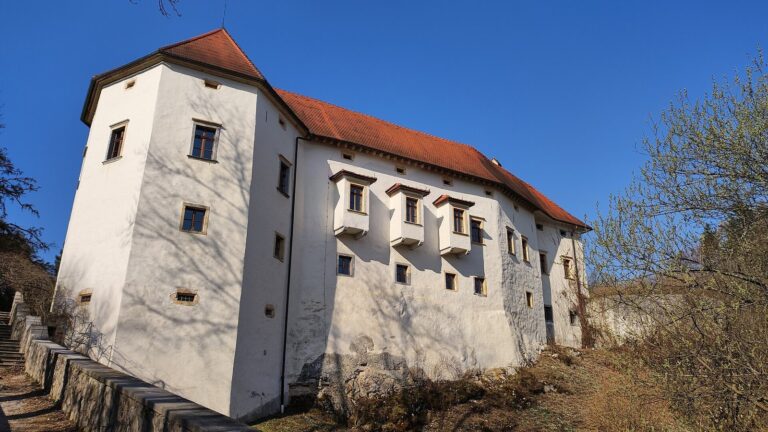
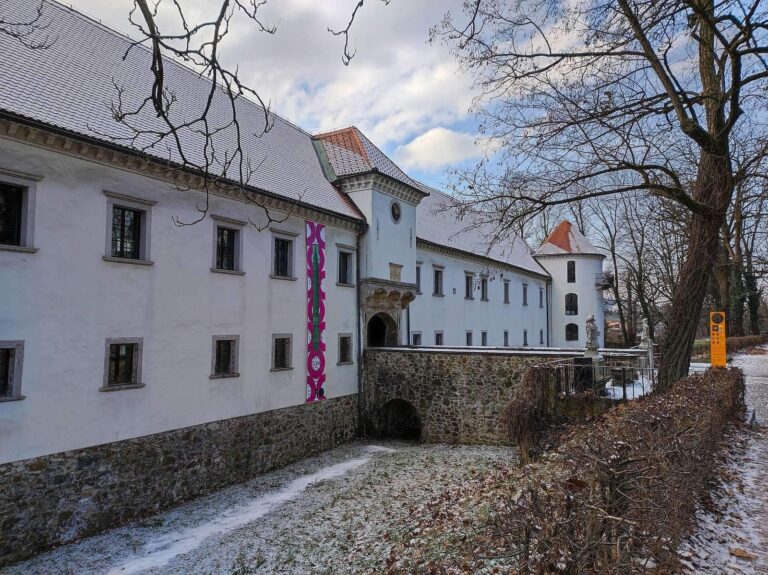
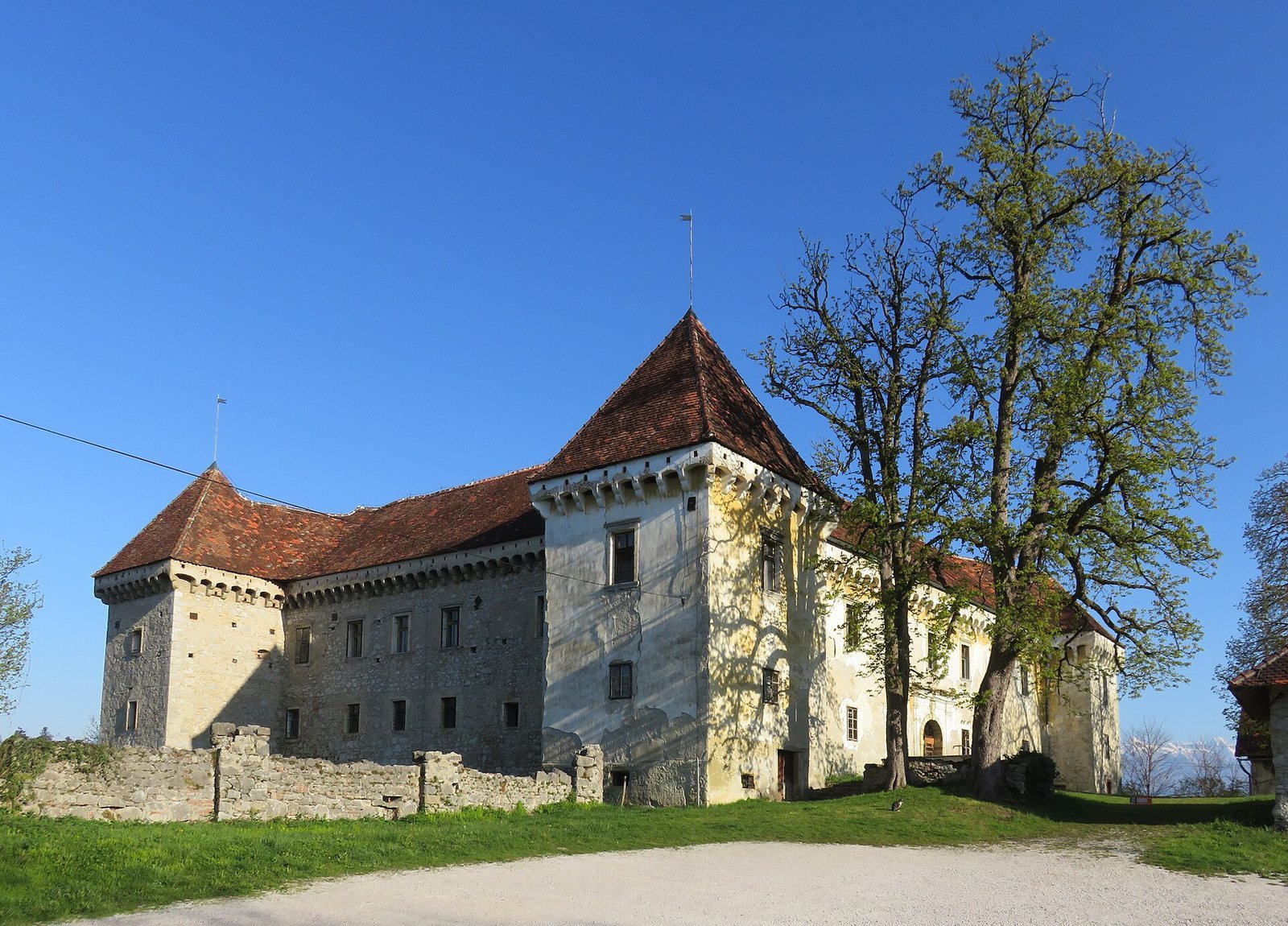
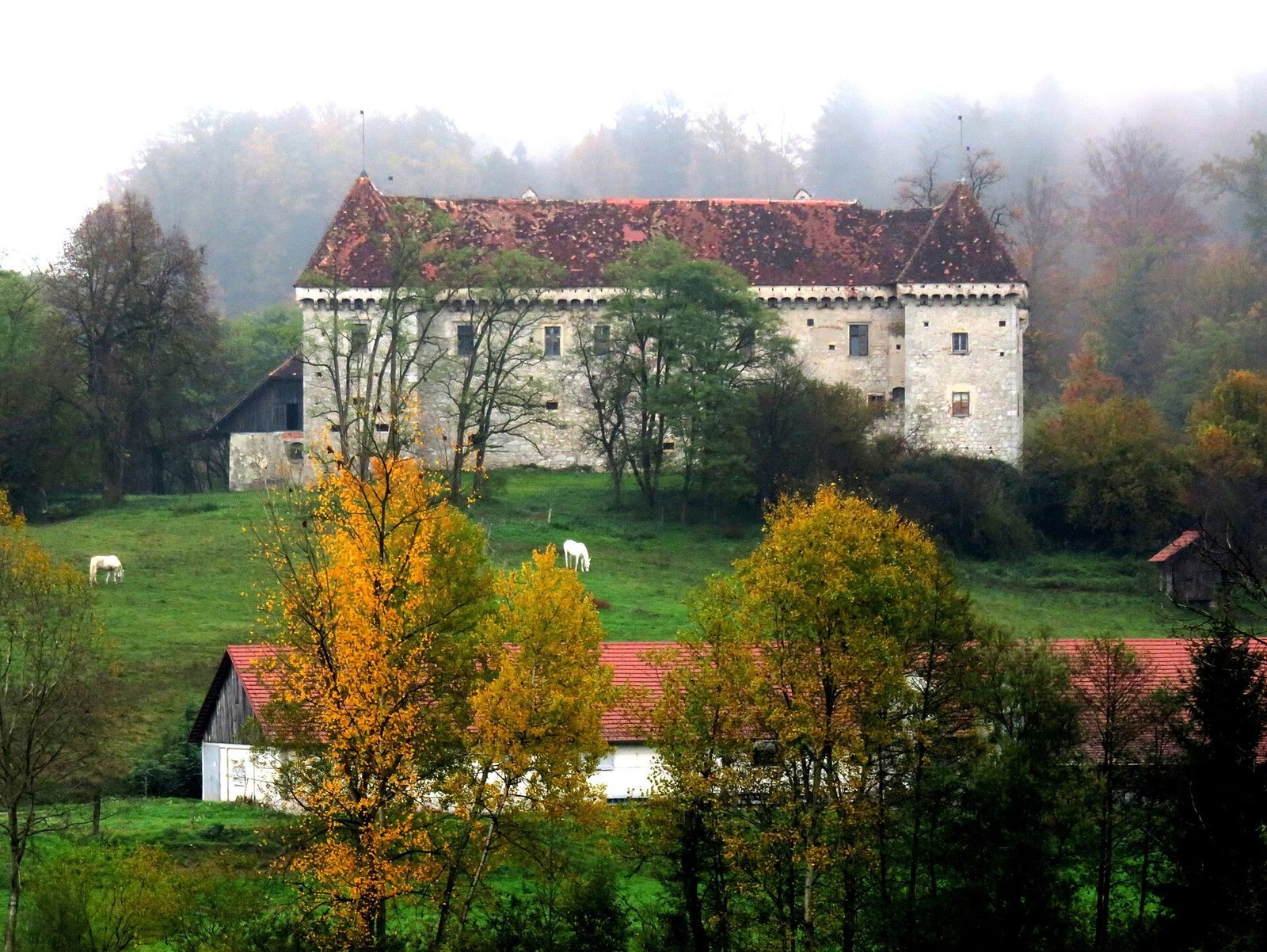
Krumperk Castle stands at Gorjuša near Domžale in Slovenia. Johann Weikhard von Valvasor, a 17th-century historian from Carniola, a historical region corresponding broadly to part of present-day Slovenia, attributed the first castle here to the noble Rabensbergs of Koprivnik in the late 13th century. The present building dates to 1580, when the Raubers replaced its predecessor. At its height, the castle’s lordship, a territorial estate, included Dob, Ihan, Krtina, Brezovica, and Studenec.
Early records and changing names
A predecessor of the present castle was recorded in 1338 as the property of Herkules of Krumperk, of the noble house of Kreutberg. By the 15th century, the castle belonged to the Rusbach family, which sold it to Engelhand Zellenperger in 1410 under the name Turn Chraw-perg.
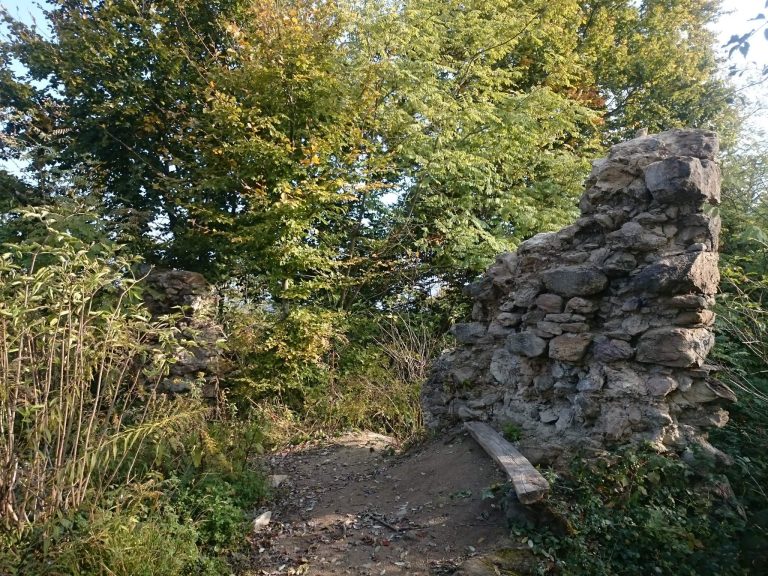
Valvasor also gave the names Thurn unter Kreutberg and Thurn zu Kreutberg. It is uncertain which name referred to Krumperk and which to the ruined Koprivnik, or Rabensberg, Castle near Moravče.
Rauber rule and later owners
At the end of the 16th century, the male line of the Zellenperger family died out, and the castle passed by inheritance to an older branch of the Rauber family. The Raubers were a prominent Carniolan noble house, later elevated to baronial rank. Their line eventually ended; the daughter of the last Baron Rauber was the mother of Valvasor.
The Rasp family owned Krumperk from 1631. The counts Thurn und Valsássina followed, and the barons Rechbach took ownership in 1840. In 1928, the Rechbachs moved to Austria after selling the estate to Stanka Pogačnik, a landowner from Ruše near Maribor who became its last private owner.
Twentieth-century changes
After the Second World War, the state nationalized the castle and removed its furnishings. Communist authorities converted it into a sanatorium for wounded military officers. In 1953, the Municipality of Domžale took ownership and divided the building into apartments.
In 1985, the Krumperk holdings were divided. Agrokombinat received the castle, while the estate went to the University of Ljubljana’s Biotechnical Faculty, which established an equestrian center there. The castle is now subject to denationalization proceedings, a legal process for resolving claims to property taken into state ownership. Ivan Sivec’s book Jutro ob kresu (Morning Beside the Bonfire) also recounts the castle’s past.
Remains
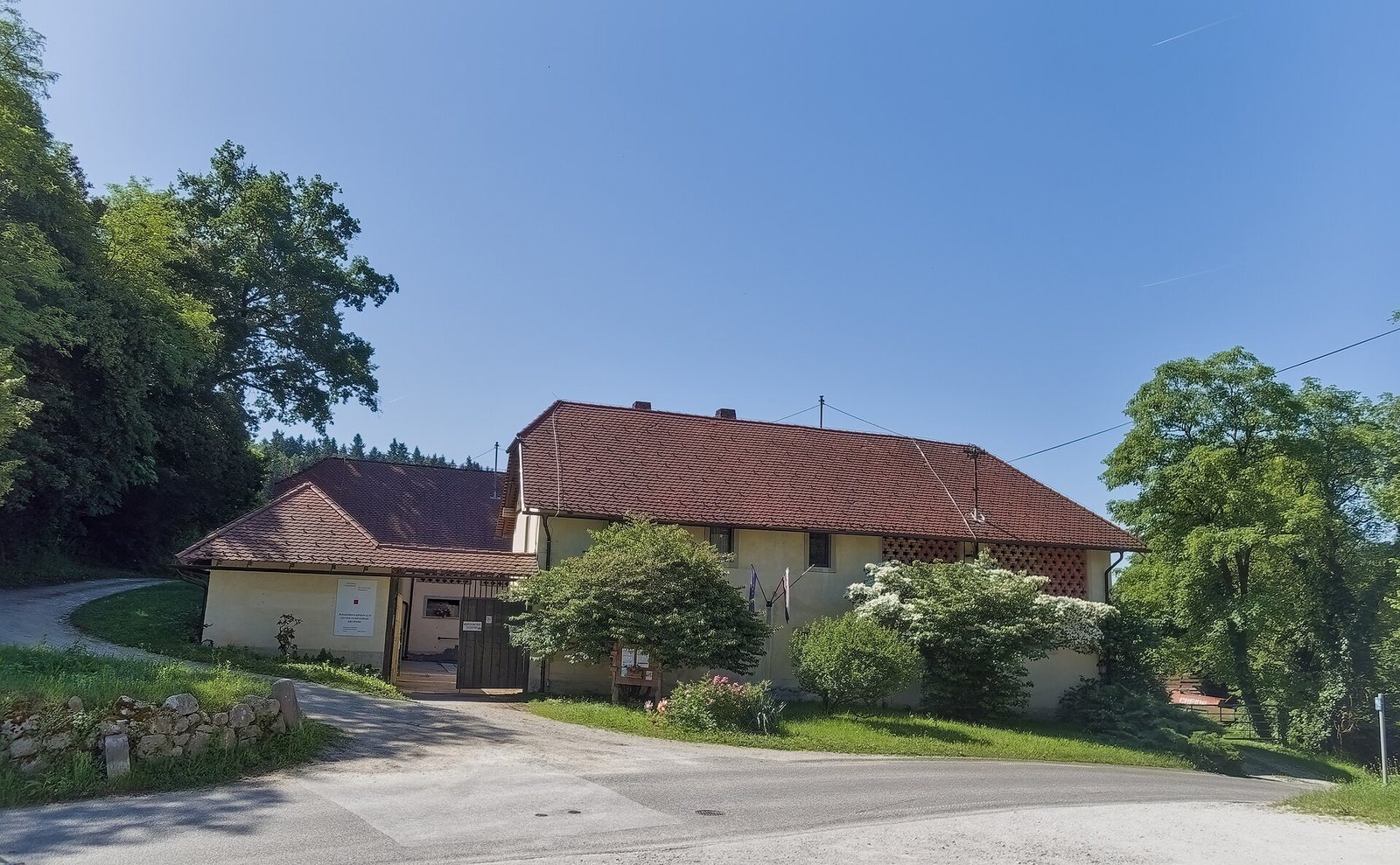
Krumperk’s physical setting includes the castle and its meadow, with Iron Cave and Hag’s Cave nearby. These are karst caves, formed as water gradually dissolves soluble rock such as limestone. The castle is in fairly poor repair, and its meadow hosts the Krumperk Equestrian Club, sponsored by the Veterinary Faculty of the University of Ljubljana.