Krimmler Tauernhaus: An Alpine Inn on the Tauern Route
Site at a Glance
- Rating
- 4.6
- Popularity
- High
- Country
- Austria
- Primary era
- Modern
- Eras represented
- Early Modern, Modern
- Civilizations
- Holy Roman Empire, Prince-Archbishopric of Salzburg
- Site type
- Economic
- Remains
- Caravanserai
On this page9 sections
History
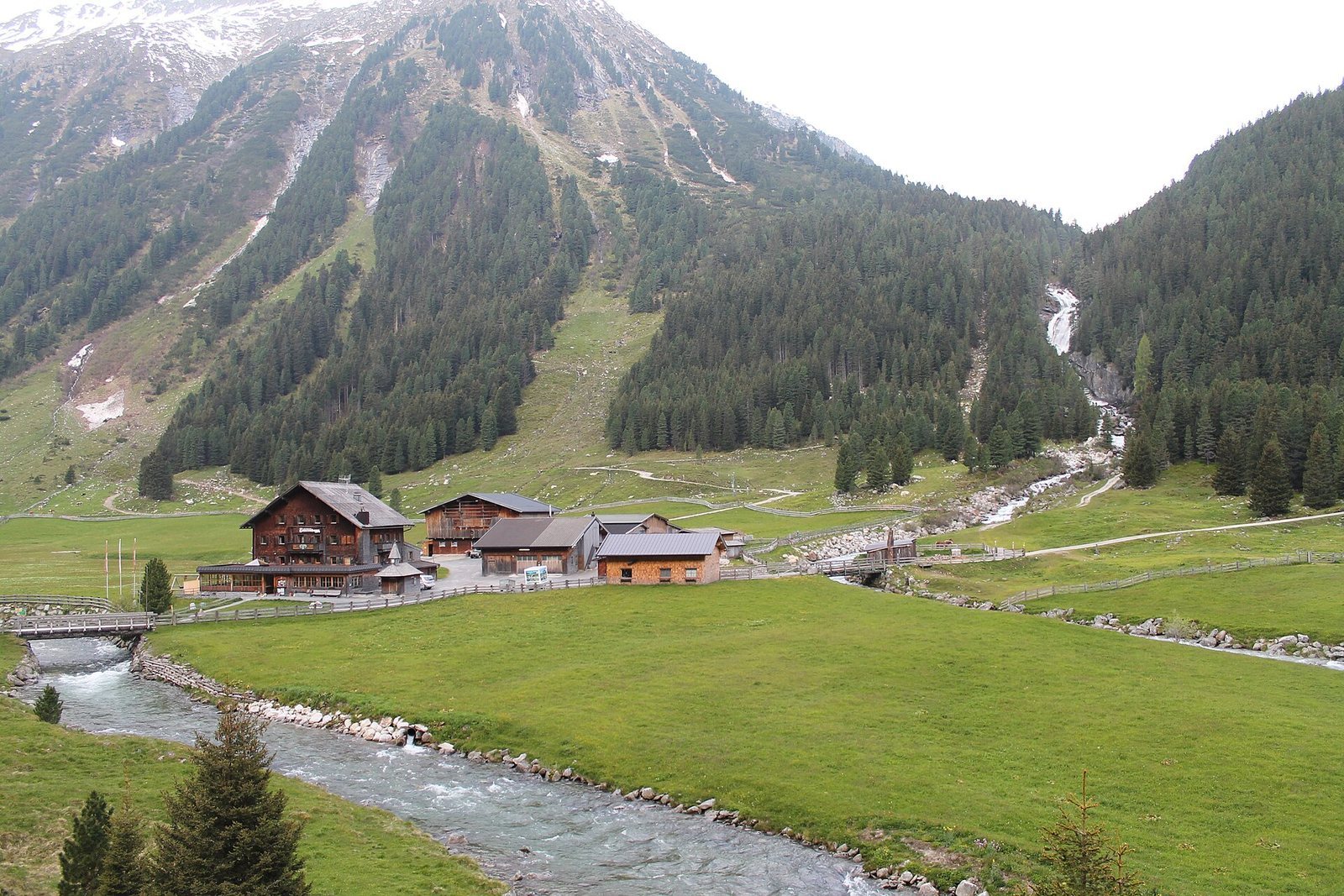
The Krimmler Tauernhaus is a traditional Alpine inn serving travelers crossing mountain passes, in Krिमmler Achental above Krimml, in the Austrian state of Salzburg. It first appears in records in 1389 and is identified as an inn from 1437. Its position on the route over the main Alpine ridge linked the Pinzgau with southern Tyrol.
The pass and the inn
The Tauernhaus was held as a fief, a landholding tied by legal obligations to a farm. Its duties included offering food and lodging to travelers when needed and keeping the route open. In return, the innkeeper received an annual allocation of grain from the Salzburg archbishop’s court chamber.
Packhorses carried goods including salt, wine, brandy, and iron over the route. The Tauernhaus also cooperated with the Ahrntaler Tauernhaus, now Berghotel Kasern. Its innkeeper lent poorly equipped travelers items such as caps, gloves, and ropes; travelers returned them at Krimmler Tauernhaus, from where they went back to Kasern.
Roman legions from the province of Noricum, in the eastern Alps, used the pass route. In the Middle Ages it offered an alternative when political disputes made easier crossings, including the Brenner, unusable. Charles IV, a fourteenth-century monarch who later became Holy Roman Emperor, crossed the route in 1340 despite severe weather.
Pastoral use and tourism
During the nineteenth century, farmers from the Ahrntal in Tyrol acquired land in Krимmler Achental. South winds made its high pastures usable earlier and more productive than those in the steep, narrow Ahrntal. Since then, cattle have been driven over the difficult, narrow Krimmler Tauern route each summer.
In 1901, the Warnsdorf/Krimml section of the Alpine Club improved the path beside the Krimml waterfalls. Visitor numbers in Krimmler Achental grew, and tourism became an additional source of income for the Tauernhaus’s owners.
The refugee route in 1947
In 1947, Brichah, a Jewish organization that helped Holocaust survivors escape Europe after the Second World War, assisted about 8,000 Eastern European survivors in traveling clandestinely through the valley into Italy. They aimed to sail from Genoa to Palestine. The route crossed the only part of the American occupation zone that directly bordered Italy. American forces tolerated the passage, unlike British and French occupation forces. The groups began their journey at a displaced-persons camp in Saalfelden, which housed people uprooted by the war who had not yet returned home or resettled.
Tauernhaus innkeeper Liesl Geisler gave substantial help to the refugees. After her death in 1985, the Jewish Agency for Israel honored her posthumously with a certificate in 2009.
Remains
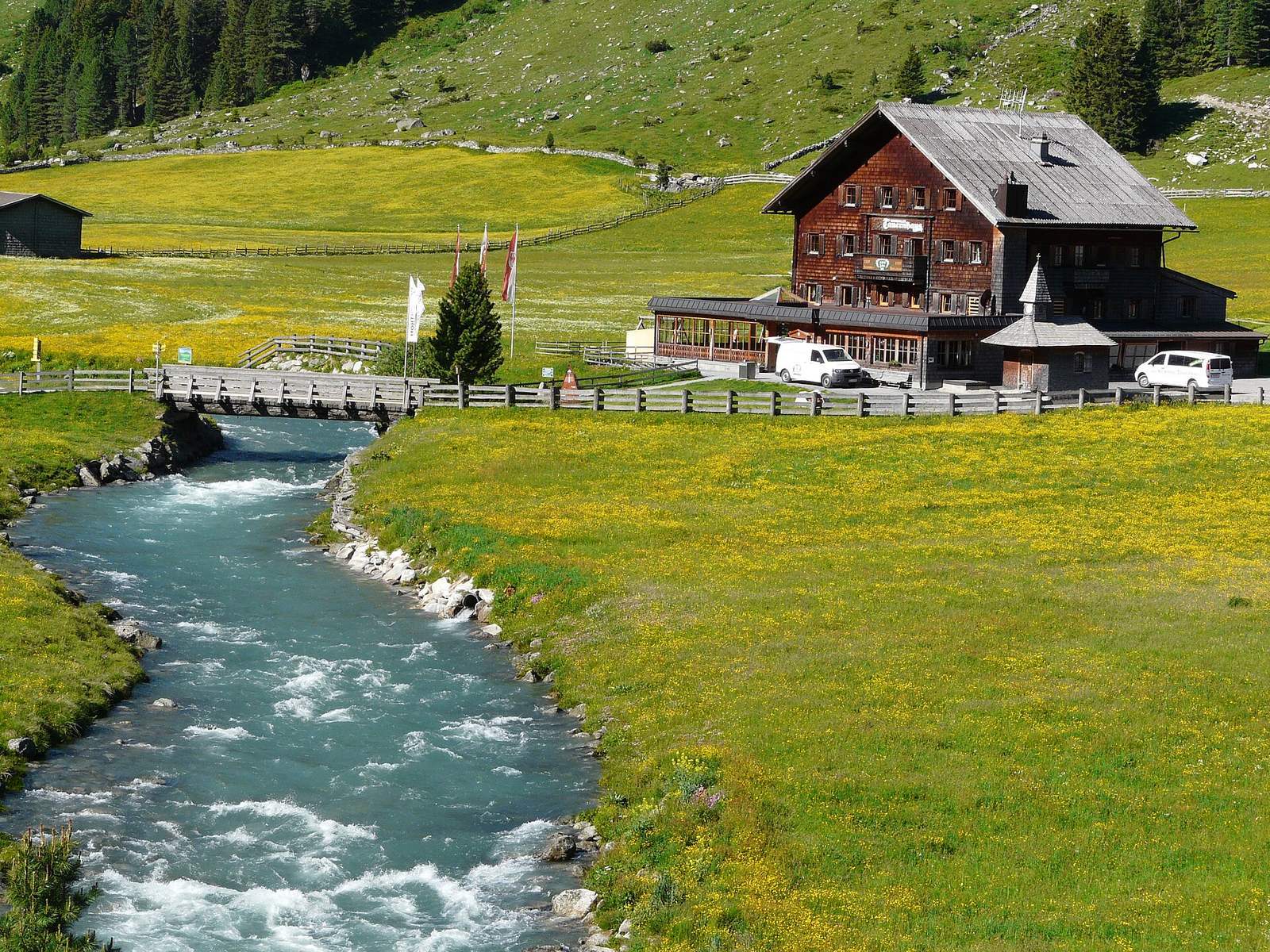
The Tauernhaus stands at 1,622 metres above sea level in Krimmler Achental, above Krimml, on the route between Krimml and Kasern in South Tyrol. The Krimmler Tauern pass reaches 2,634 metres. The surviving complex includes the inn and a small hydroelectric plant.
Buildings and infrastructure
The inn and historic room
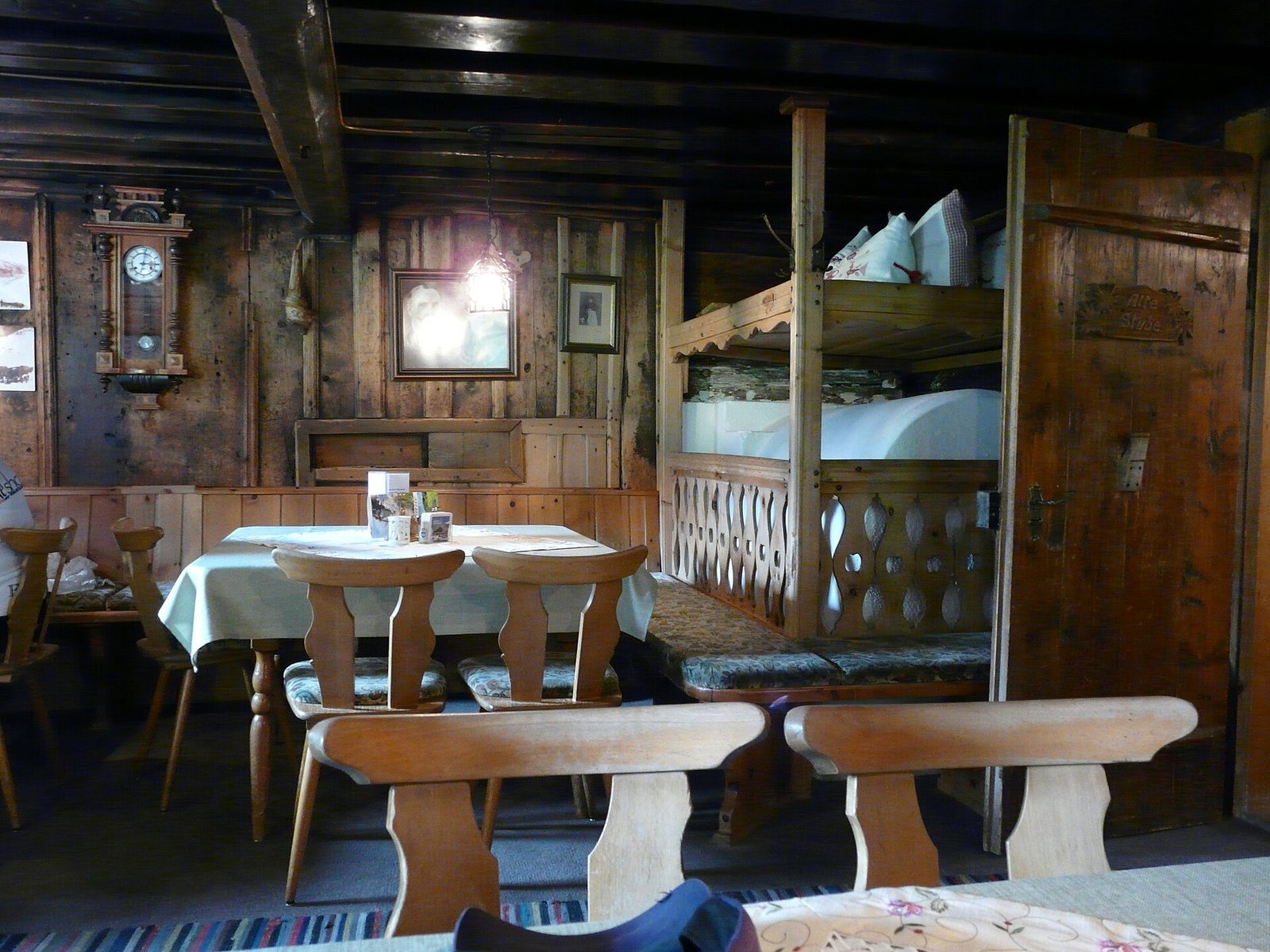
A wooden building at the Tauernhaus dates to the sixteenth century and underwent repeated alterations and enlargements. The present building is dated to 1906. Inside, an old wood-panelled room with several inscriptions has been preserved. It is regarded as the oldest such room in the Upper Pinzgau.
The 2016 enlargement
A substantial enlargement in 2016 added more comfortable guest rooms with private sanitary facilities alongside the simpler rooms and mattress dormitories.
Hydroelectric plant
A small hydroelectric plant began operating in 2011. It uses the steep gradient of the Rainbach shortly before the stream joins the Krimmler Ache.