Kremikovtsi Monastery: A Bulgarian Orthodox Monastery and Medieval Center of Learning
Site at a Glance
- Popularity
- High
- Country
- Bulgaria
- Primary era
- Medieval
- Eras represented
- Medieval, Early Modern, Modern
- Civilizations
- Bulgarian, Ottoman
- Site type
- Religious
- Remains
- Monastery
On this page14 sections
History
Kremikovtsi Monastery is a Bulgarian Orthodox monastery at Gradishteto, on the southern slopes of the Balkan Mountains in Bulgaria, about four kilometres north of Sofia’s Kremikovtsi district. It was probably founded during the Second Bulgarian Empire, the medieval Bulgarian state that flourished from the late twelfth to the fourteenth century, perhaps under Tsar Ivan Alexander, who ruled from 1331 to 1371. In the fifteenth century, the monastery became a Bulgarian center of education and culture.
Medieval origins and rebuilding
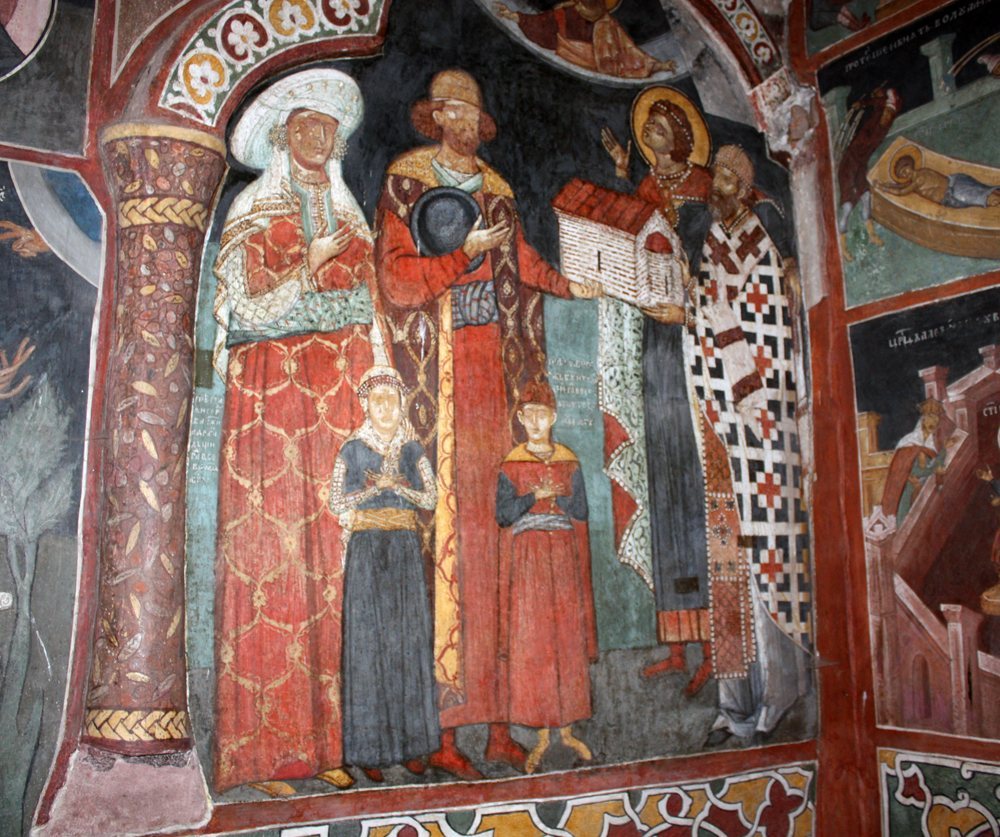
The monastery was destroyed in 1398 during the Ottoman conquest. In 1493, Radivoy, a Sofia boyar, or member of the medieval nobility, paid to restore it in memory of his children Teodor and Dragana. Sofia Metropolitan Kalevit, a senior bishop, was also associated with the renewal. The old church dates from this rebuilding.
The monastery’s educational role included two schools for laypeople and one for clergy. In 1497, Kalevit commissioned a Gospel also intended for the Sofia residents Peyu and Petko. The book reflects the calligraphic tradition associated with the monastery.
Damage and repair
An earthquake in 1503 destroyed the roof over the old church’s entrance vestibule. Later earthquakes in the sixteenth and seventeenth centuries damaged the church, especially its south wall. An inscription records a renovation in 1611.
Monastic community and twentieth-century change
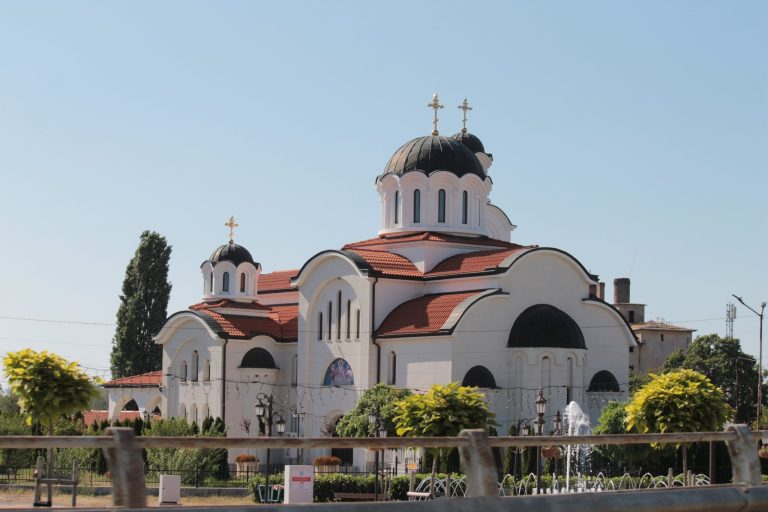
In 1876, the monastery sheltered Dimitar Stefanov-Kazaka, a fighter in the band of Bulgarian poet and revolutionary Hristo Botev. Three years later, 20 nuns arrived from Vardar Macedonia. A new church was built in the early twentieth century for the growing community, under Abbess Aglaida, the head of the nuns.
During the 1930s, the monastery ran a large agricultural estate. More than 60 workers tended 700 cows, 1,500 sheep, and 700 beehives. Half the land later occupied by the Kremikovtsi industrial complex had belonged to the monastery.
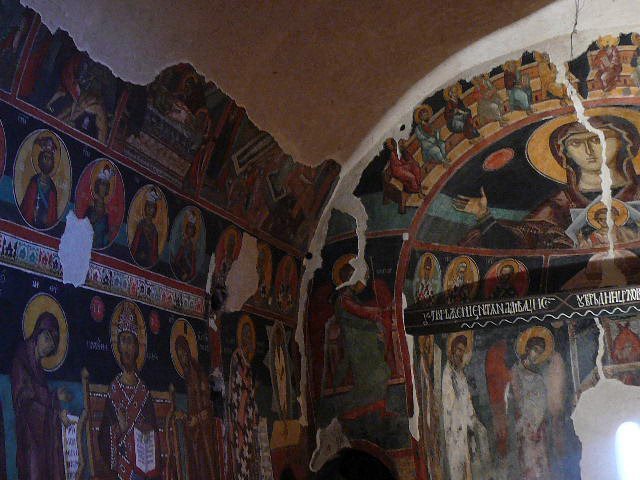
During the Soviet occupation, the old church served as a stable for the Soviet Army. In the 1950s, military personnel were housed at the monastery for 18 years, causing serious damage to the medieval church’s wall paintings. Their restoration began in 1987 and continued for about 30 years, undertaken by specialists from the National Institute for Cultural Monuments. The church was also repaired and structurally strengthened.
Remains
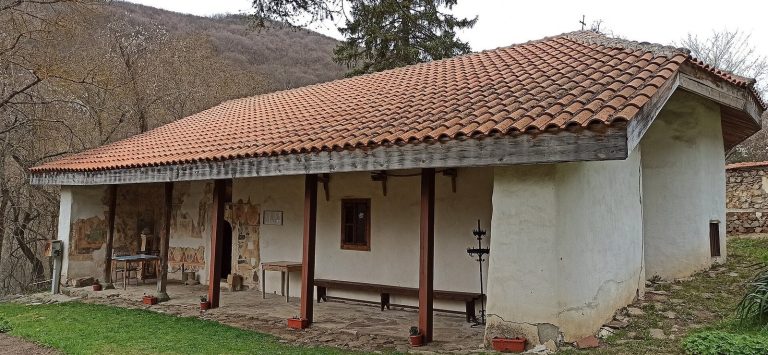
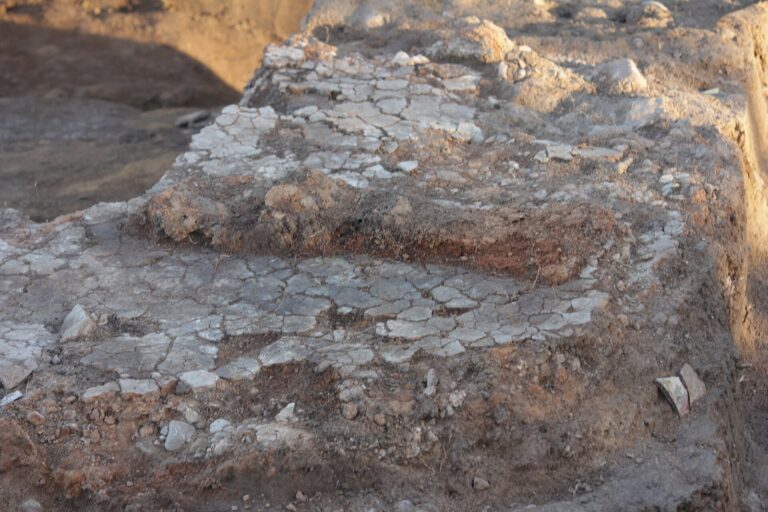
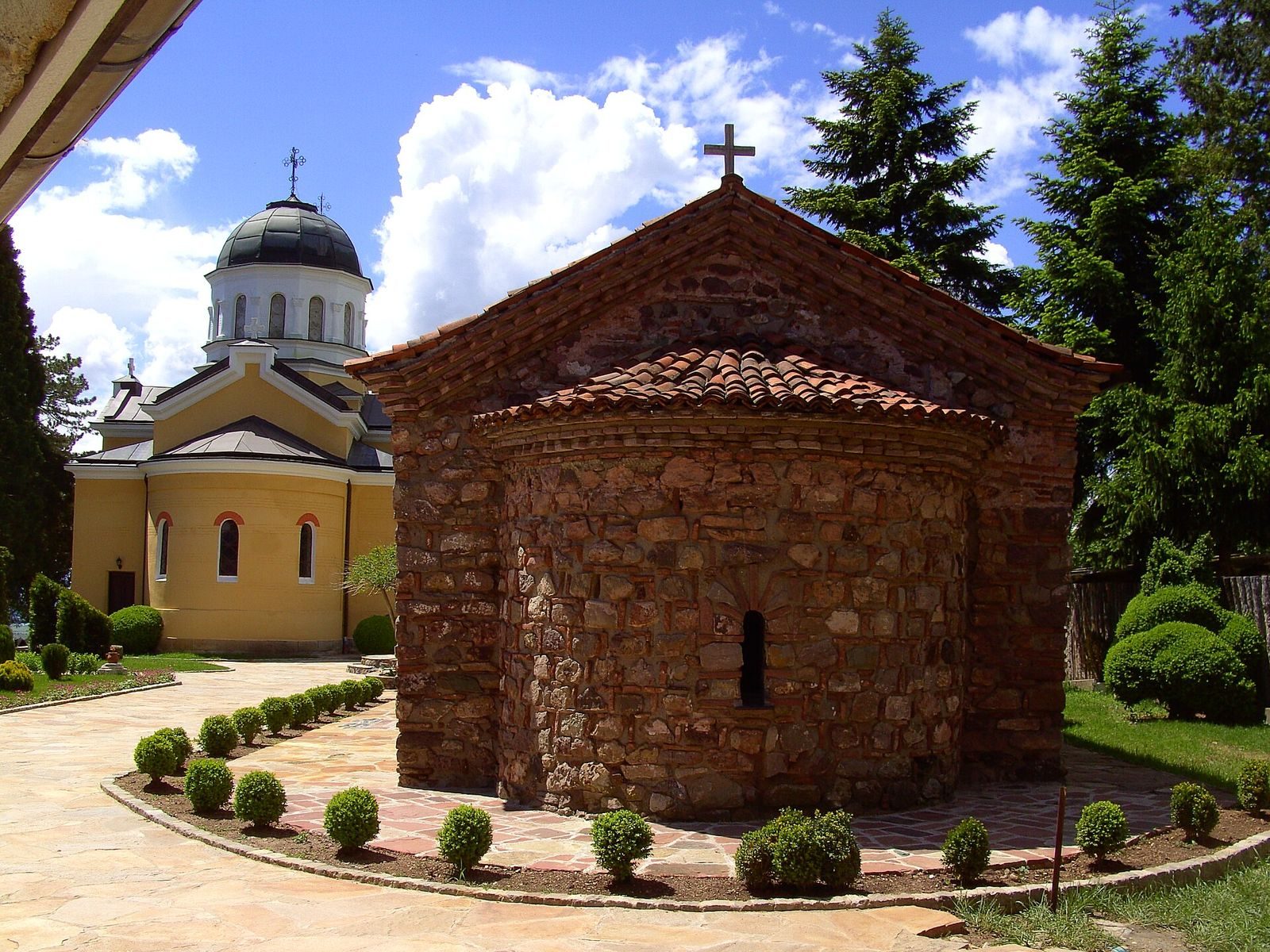
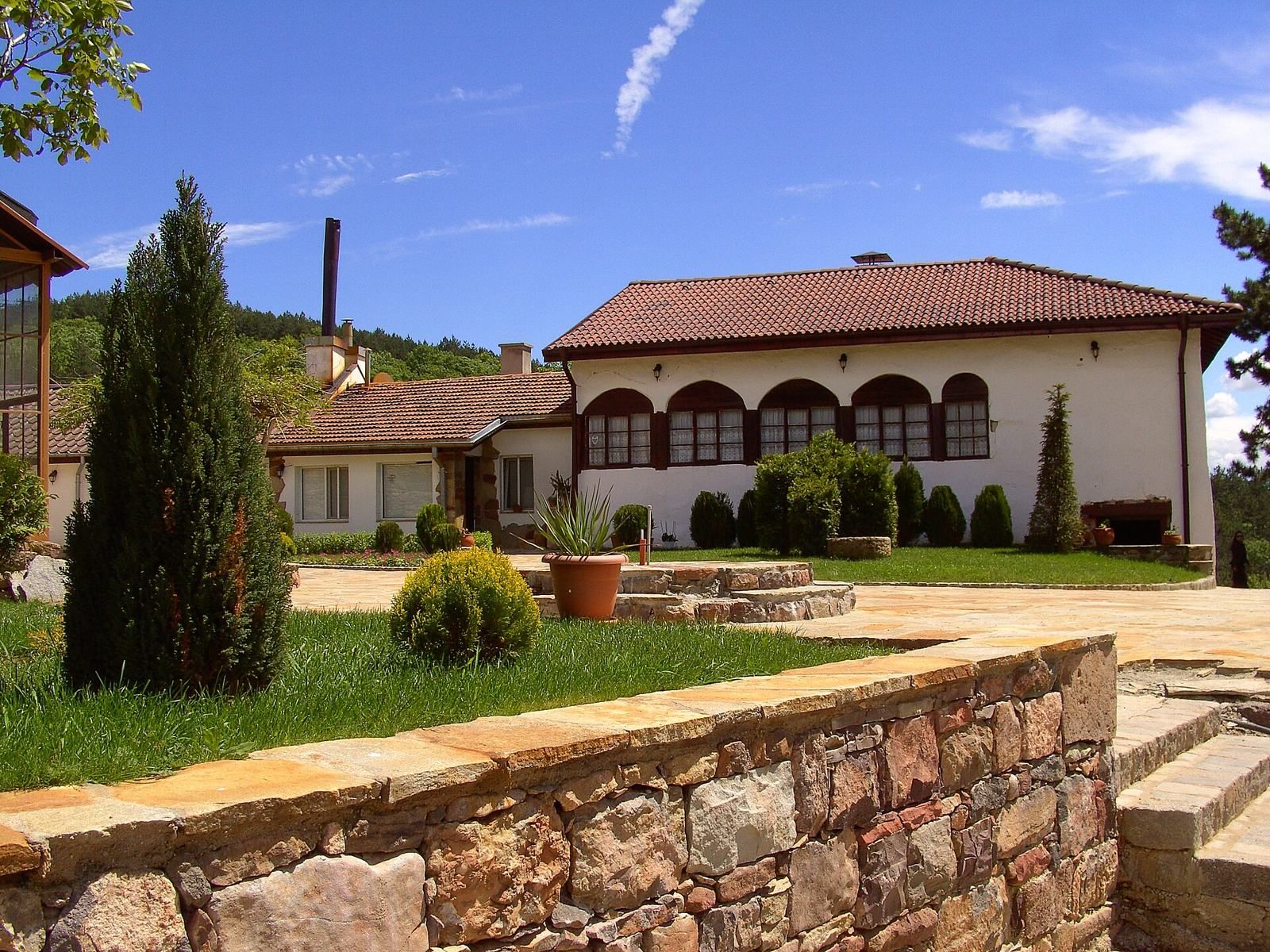
The monastery courtyard contains the old church and a larger, newer church, as well as a chapel dedicated to Saint Anthony. Remains of a fortress are visible at the site.
Churches and painted decoration
Old church
The old church is a one-room building made of crushed stone, with no dome. It has an entrance vestibule and a rounded projection at the altar end. An outer entrance area was added in the eighteenth century. Wall paintings inside belong to different periods, and variations in their style and technique indicate work by different artists.
Vestibule paintings
Paintings from 1493 cover much of the vestibule’s eastern side. They include portraits of Radivoy and his family, along with a scene in which they present a model of the church before Metropolitan Kalevit. The donor scene is associated with Saint George, the church’s patron. The paintings are attributed to a workshop of the Kastoria School, a regional church-painting tradition linked to Kastoria in northwestern Greece; that workshop also painted in a church in Kastoria.
Paintings on the vestibule’s north, south, and west walls date from the seventeenth century. Their subjects include the Archangel Michael; Saints Constantine and Helena; the warrior saints Procopius, Theodore Stratelates, and Theodore Tyro; and episodes from the lives of Mary and Saint George.
Paintings in the main church
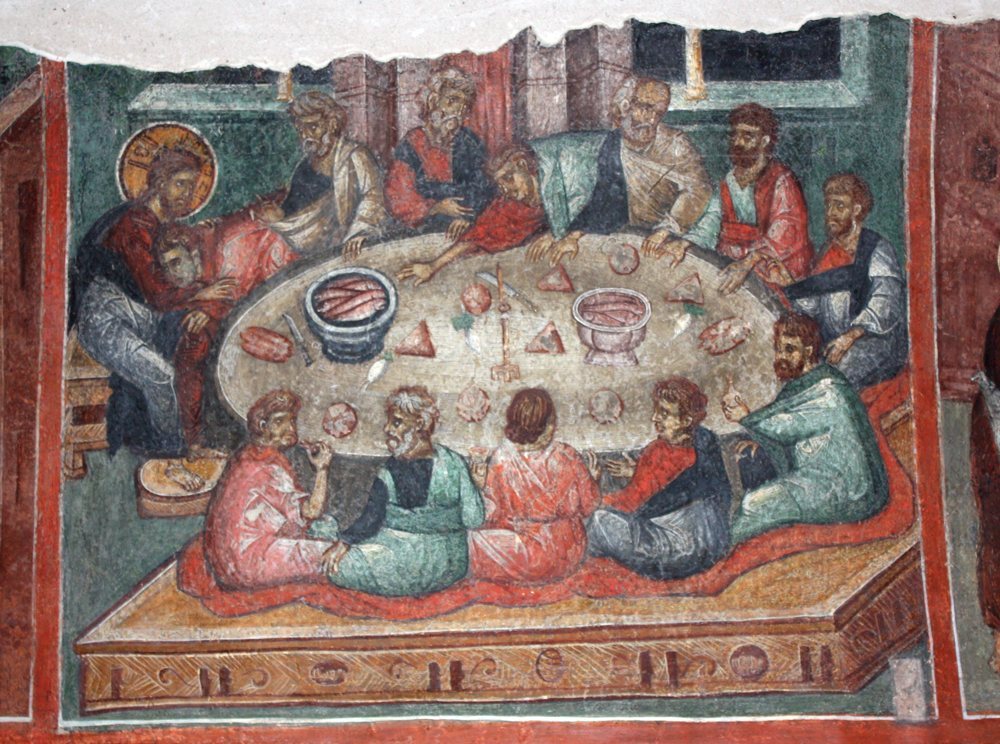
Inside the main church space, one image shows Saint George seated with his feet on a dragon. Another depicts him on horseback in a recess in the south wall. The altar area has a painting of Mary, the mother of Jesus. Other wall paintings portray the Last Supper, the Baptism of Christ, and the Adoration of the Magi. A memorial plaque stands beside the church entrance.
New church
The newer church is dedicated to the Intercession of the Mother of God. Its wooden iconostasis, a screen bearing icons that separates the sanctuary from the main worship area, was made by Debar craftsmen from the Filipov family.
Saint Anthony chapel
The chapel was consecrated in 2010 by Bishop Yoan of Znepol, a vicar of the Sofia metropolitan. Saint Anthony, an early Christian ascetic associated with the beginnings of Orthodox monasticism, was chosen as its patron.
Furnishings and sacred objects
Icon screens and triptych
The monastery preserves a wooden iconostasis dating from the seventeenth or eighteenth century and a sixteenth-century triptych, or three-panel religious image, containing a commemorative register.
Icons and reliquary
The monastery’s icons range in date from the fifteenth to the nineteenth century. The collection includes an image of Saint George dated 1667 and an image of Christ Pantocrator, a title presenting Christ as ruler of all. The latter resembles the style of a 1493 wall painting, and the two works may be by the same artist.
A silver reliquary, a container for sacred relics, was commissioned by Radivoy and later held relics of Saint George the New of Sofia. It was stolen in 1990, recovered, and returned to the monastery in 2000.