Church of Saint Nicholas and Saint Mary Magdalene in Dziekanowice: A Romanesque Church in Poland
Site at a Glance
- Popularity
- Low
- Country
- Poland
- Primary era
- Early Modern
- Eras represented
- Medieval, Early Modern, Modern
- Civilizations
- Austria-Hungary, Habsburg, Polish–Lithuanian Commonwealth
- Site type
- Religious
- Remains
- Church
On this page9 sections
History
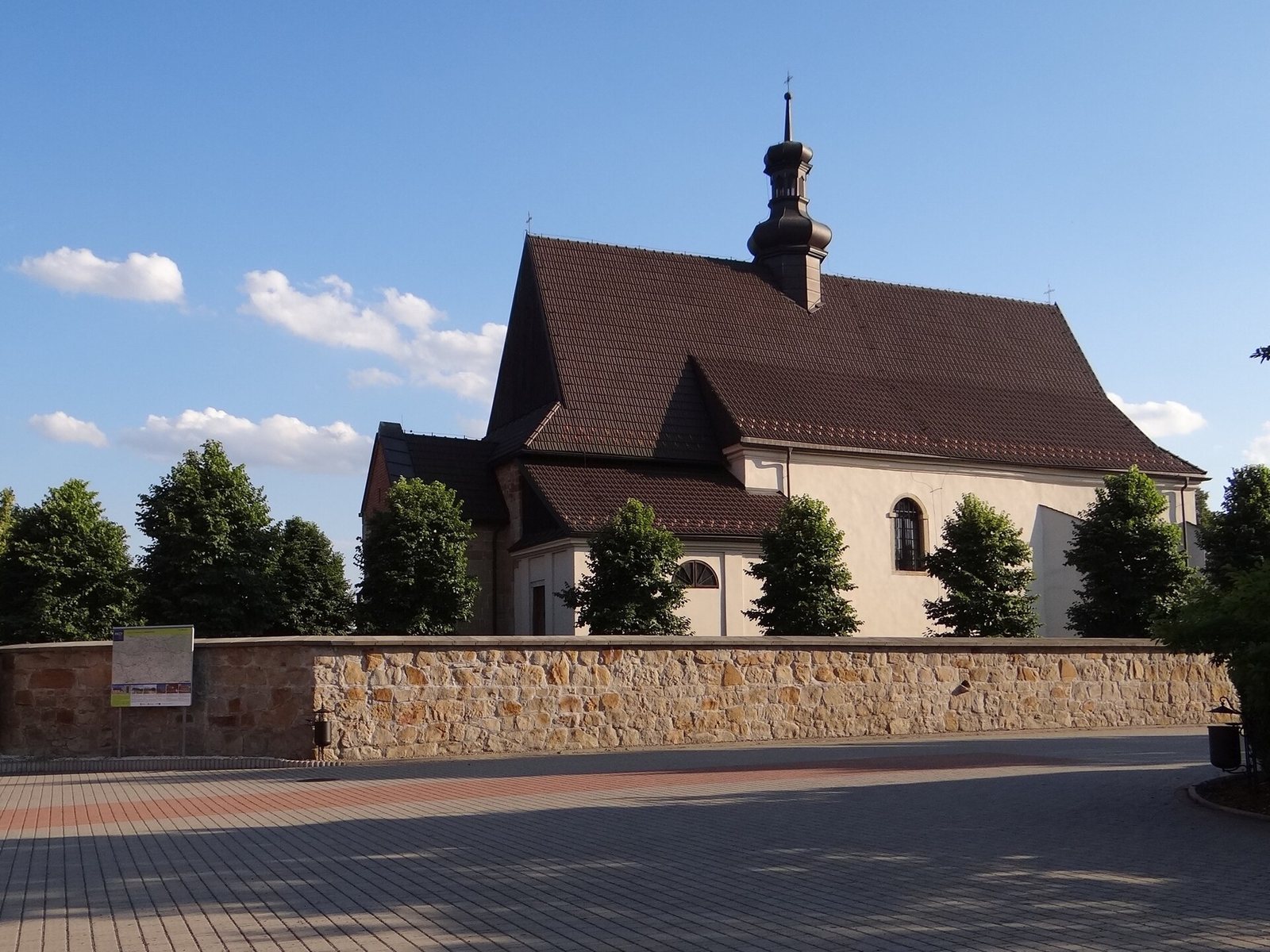
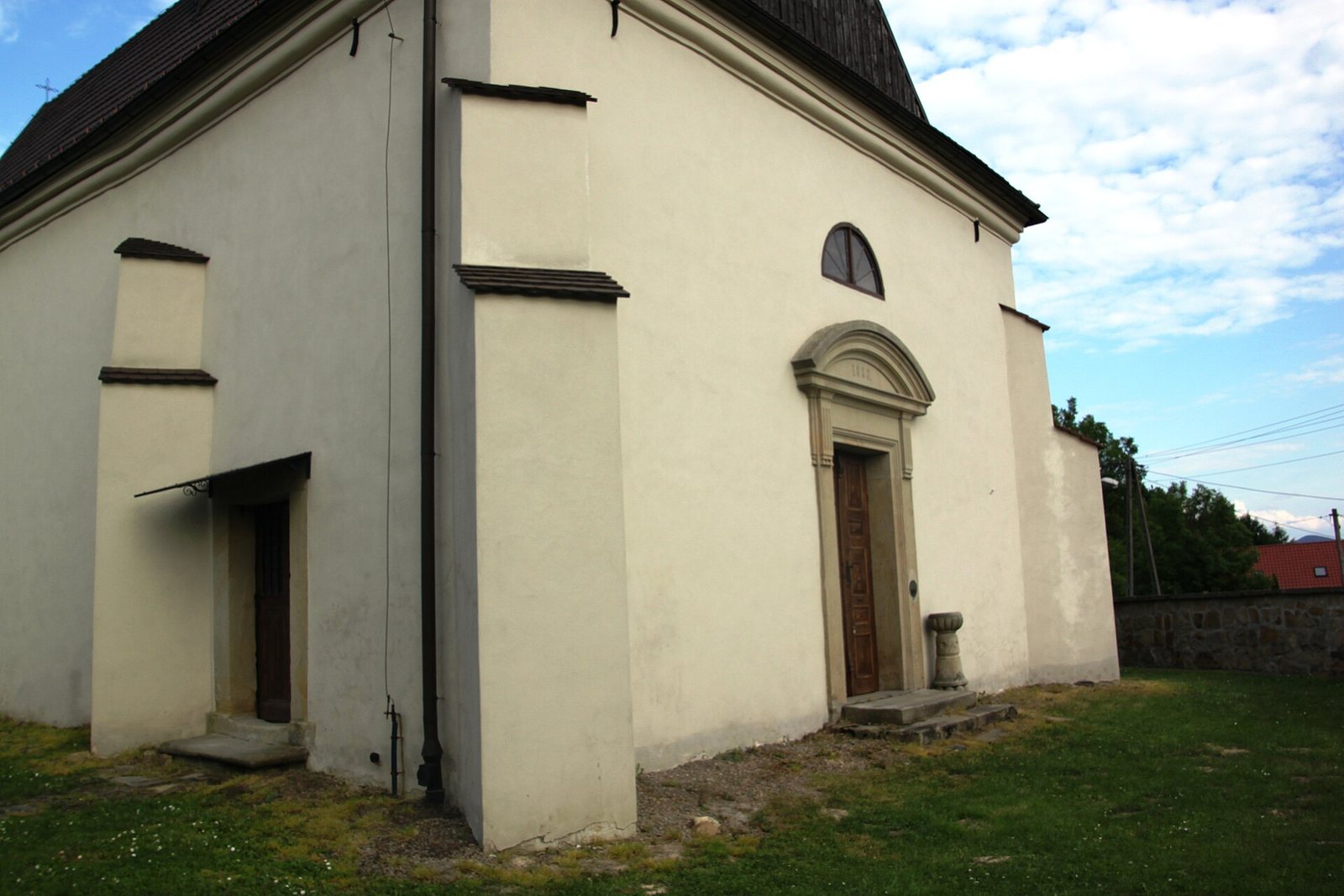
The Church of Saint Nicholas and Saint Mary Magdalene in Dziekanowice is a Roman Catholic church in Poland, built in the 1220s in the late Romanesque style, a medieval European architectural tradition. It is dedicated to Saint Nicholas, a fourth-century Christian bishop of Myra, and Mary Magdalene, a follower of Jesus in the New Testament. The church is the oldest surviving church in Myślenice County.
Seventeenth-century expansion
Between 1645 and 1649, builders added a wider body to the church. The work was completed with the church’s consecration on 27 September 1649.
Later changes and preservation
The building was lengthened again in 1790. In 1914, the vault over the Romanesque presbytery, the area around the altar, was replaced. A porch was added on the south side in the early twentieth century. Polish art historian and monument conservator Józef Edward Dutkiewicz arranged the interior of the Romanesque portion.
The church and its setting were entered in the Lesser Poland Voivodeship register of immovable monuments in 1960. After services moved to a newly built church, the older building faced the threat of destruction. Work on the Romanesque facade took place in 2001, and a social committee formed in 2006 to save the historic church complex. Repairs and conservation in 2007 addressed the roof, tower, and deteriorating enclosure wall. In later years, the floor in the oldest part was replaced.
Remains
The Romanesque church
Plan and structure
The original masonry church had a single nave, the main worship space, and two roughly square sections. The nave had a flat ceiling, while the presbytery had a cross vault formed by intersecting vaulted sections. The presbytery measures 2.5 by 2.5 metres. In the later arrangement, the Romanesque nave serves as the presbytery, while the original presbytery is the sacristy, a room for preparing services and keeping liturgical objects. The Romanesque fabric consists of large sandstone ashlar blocks, carefully dressed stones, probably quarried from the steep bank of the Raba Valley opposite Dobczyce. Mason’s marks remain visible on the blocks.
The former presbytery has a cross vault with visible corbels, or projecting supports, and a small semicircular window in its east wall with a three-lobed frame. A roof-mounted bell turret, a small structure for holding a bell, dates to 1640.
Interior features
The interior includes a grave slab carved with a cross and two side altars, with Saint Mary Magdalene’s on the right and the Virgin Mary’s on the left. Other features include a Rococo pulpit, in a decorative European style; a seventeenth-century Baroque stone baptismal font, in an earlier ornate style; and two Regency-style confessionals. A stone memorial to Jan Nepomucen Przychodzki bears the date 1790. The church also has 14 late Baroque pews and a late Baroque choir loft supported by columns. Multicolored decoration from the thirteenth century was discovered in 1957.
Furnishings transferred to the new church
Historic furnishings transferred to the new church include a seventeenth-century canvas image of Our Lady of Dziekanowice and a Rococo organ dating to 1741, with four selectable sets of pipes. The group also includes an eighteenth-century Rococo image of Saint Nicholas, an eighteenth-century Baroque crucifix with angels, a late Baroque processional cross, a statue of the Risen Christ, and paintings from the side altars.
Bell tower and church grounds
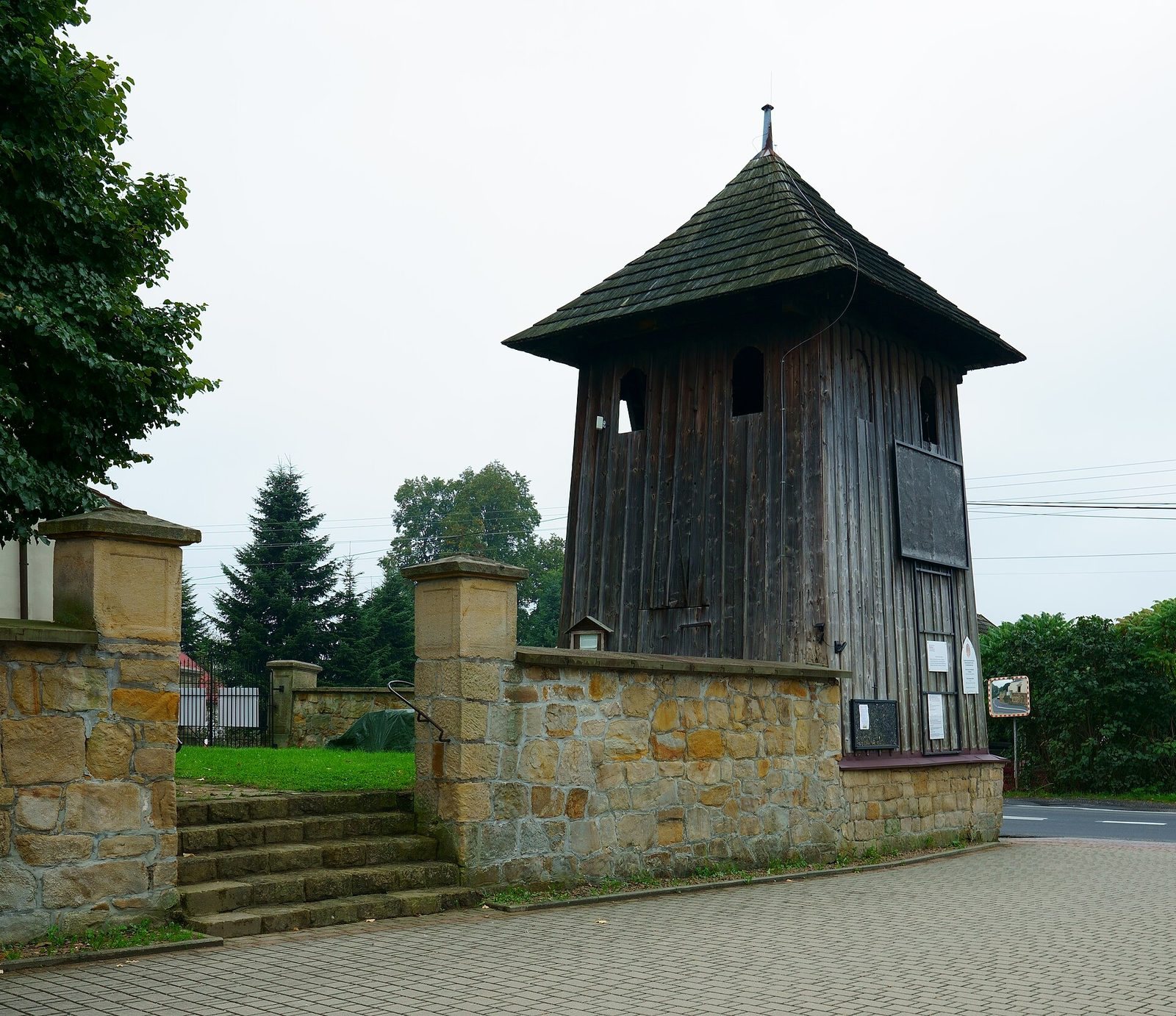
A free-standing wooden bell tower, probably from the eighteenth century, has a square plan, a stone base, a shingled tent-shaped roof, and post-frame construction supported by upright posts. Three bells hang in the tower. The oldest dates to 1765 and is dedicated to Saint Valentine, an early Christian martyr venerated as a saint. Its inscription, repeated four times, says that a Pole made the bell and a German did not. A historic enclosure wall surrounds the church, and old trees form part of its setting.