Karnala Fort: A Hill Fort Overlooking the Bor Pass
Site at a Glance
- Popularity
- High
- Country
- India
- Primary era
- Medieval
- Eras represented
- Medieval
- Civilizations
- Delhi Sultanate, Maratha
- Site type
- Military
- Remains
- Fort
On this page7 sections
History
Karnala Fort is a hill fort in Maharashtra, India, probably established before 1400 during the era of the Devagiri Yadavas, a Deccan dynasty, and the Tughlaqs, rulers of the Delhi Sultanate. It stood above the Bor Pass, a major trade route between the Konkan coast and Maharashtra’s interior, and served as the capital of northern Konkan districts under both dynasties.
Sultanate and Portuguese control
The fort later came under the Gujarat Sultanate, a regional Muslim-ruled state in western India. In 1540, Nizam Shah, ruler of the Ahmednagar Sultanate, another regional state, seized Karnala. The Gujarat sultans sought help from Dom Francisco de Menenzes, the Portuguese commander at Bassien, now Vasai. Menenzes sent 500 soldiers, who captured the fort and left it in the Gujarat rulers’ charge with a Portuguese garrison.
The Gujarat sultans later fled to Vasai and surrendered Karnala to the Portuguese. Nizam Shah sent 5,000 men to retake the fort and surrounding countryside, but the campaign failed. The Portuguese held Karnala until their viceroy agreed to return it, along with Sangli, to Nizam Shah for an annual payment of 17,500 rupees, stated as equivalent to 5,000 Portuguese gold coins called pardoas.
Maratha, Mughal, and British rule
In 1670, Shivaji, founder of the Maratha kingdom, captured Karnala from the Mughals by advancing behind breastworks, low defensive barriers. A tradition says the Hindu goddess Bhavani gave Shivaji a sword as he sought to establish a Hindu kingdom. After Shivaji’s death in 1680, Mughal emperor Aurangzeb took the fort, and Mughal forces held it for a time. In 1740, as the Peshwas of Pune, Maratha chief ministers who had become political rulers, gained power, Karnala passed to them.
The fort remained under the command of Anantrao, its garrison commander, until Colonel Prother captured it in 1818 and established British East India Company rule. The Government of India now owns the ruined fort, which lies within the protected Karnala Bird Sanctuary.
Remains
Fort layout and structures
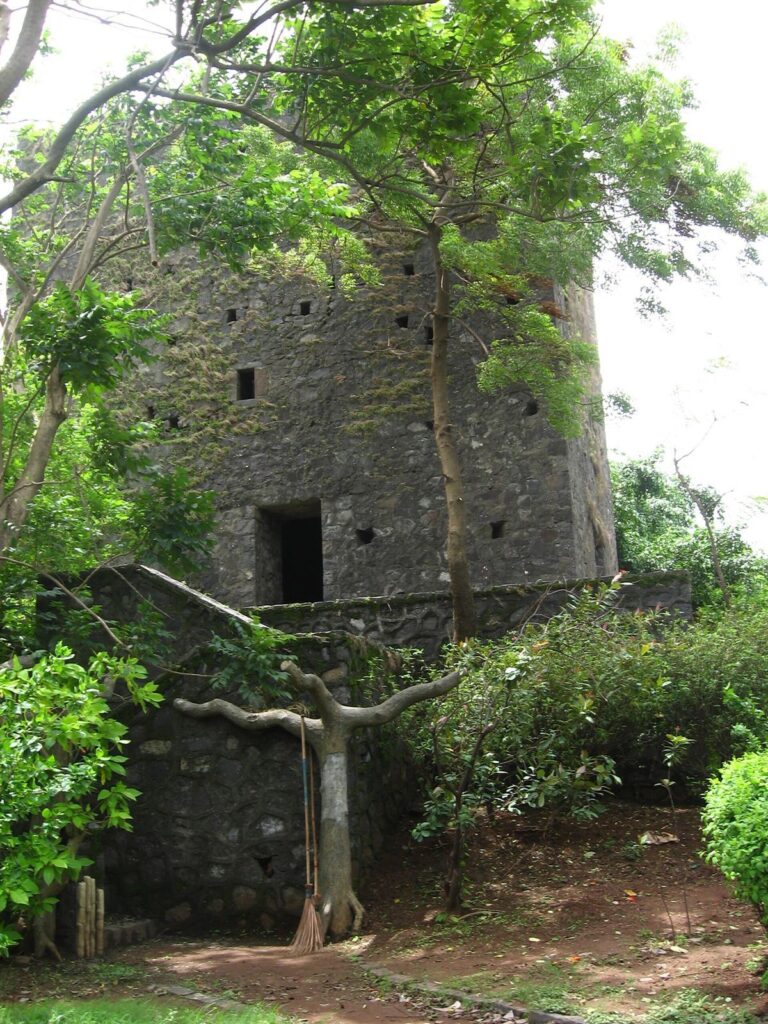
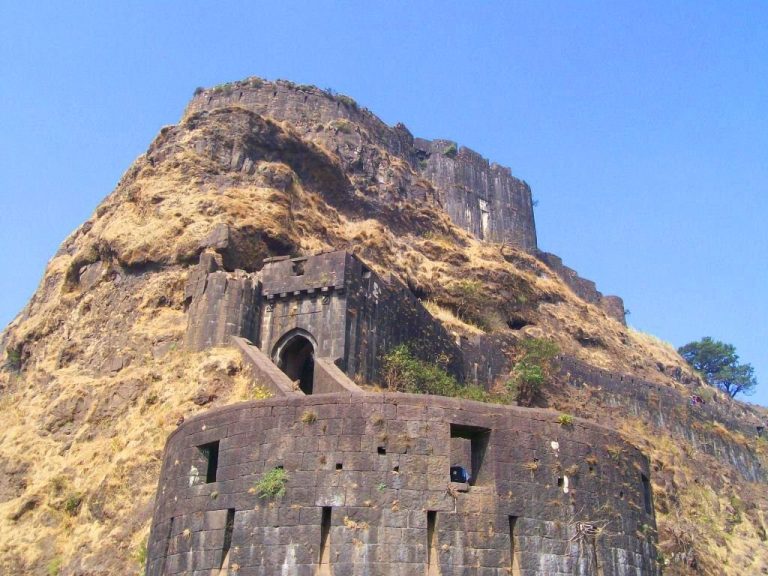
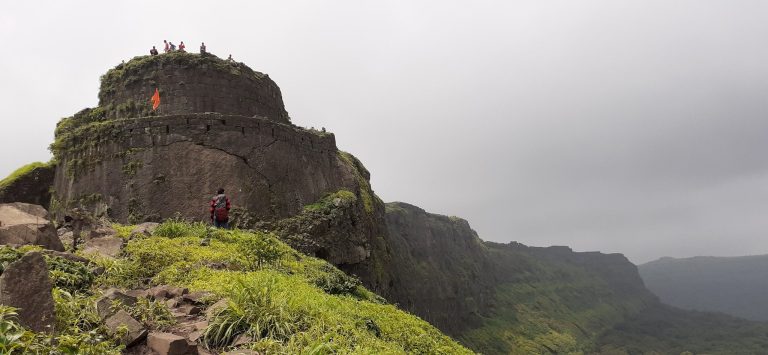
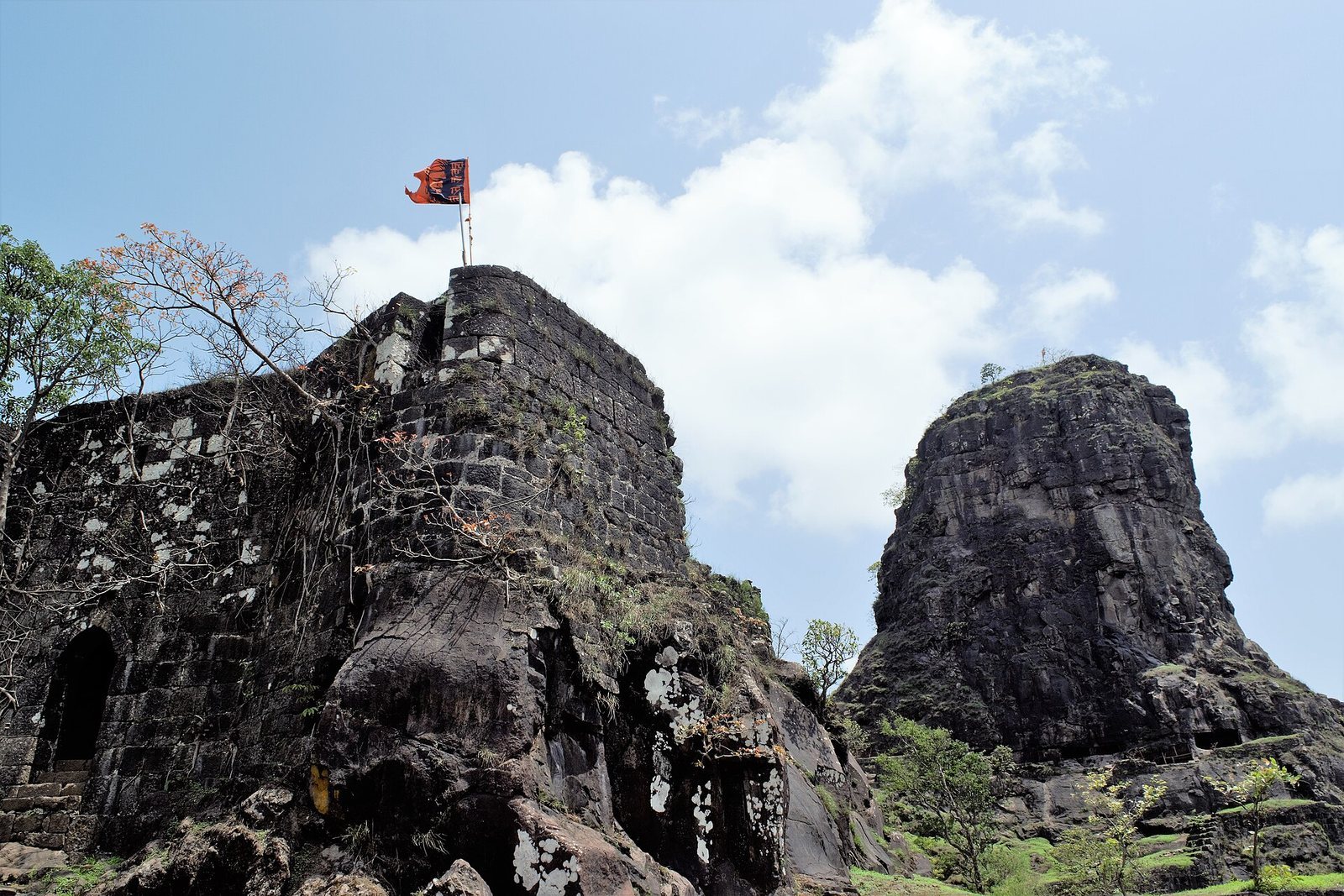
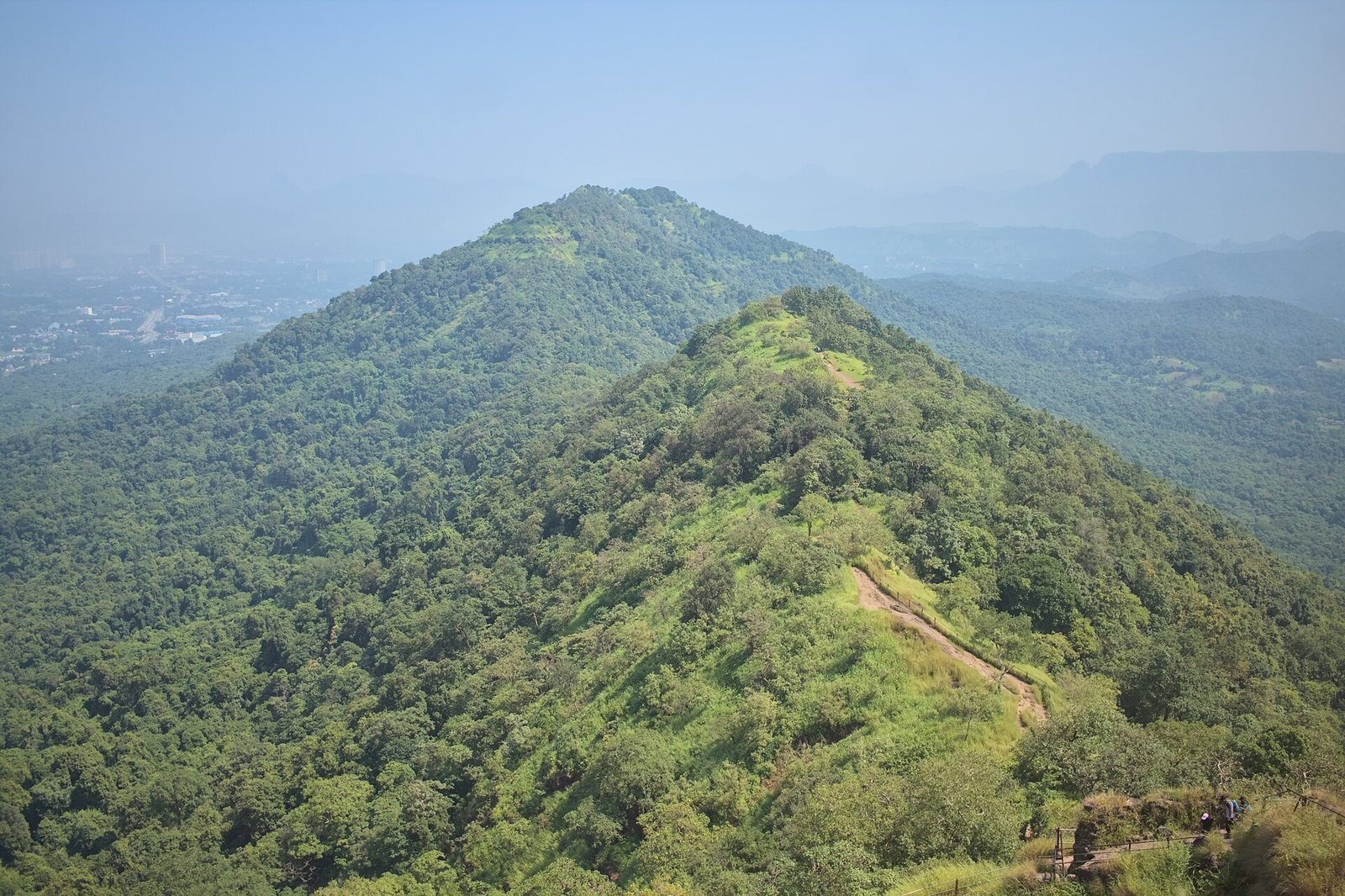
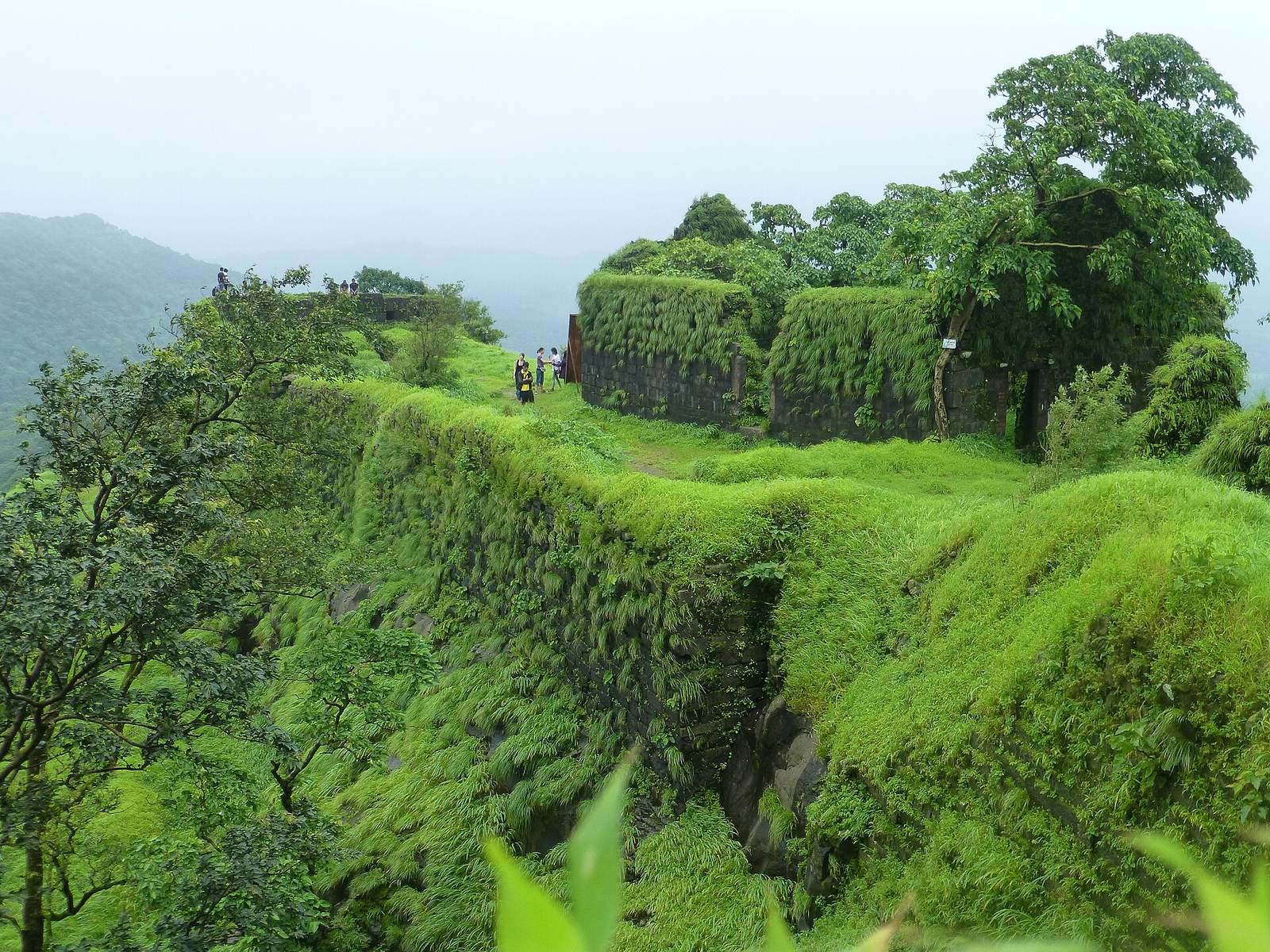
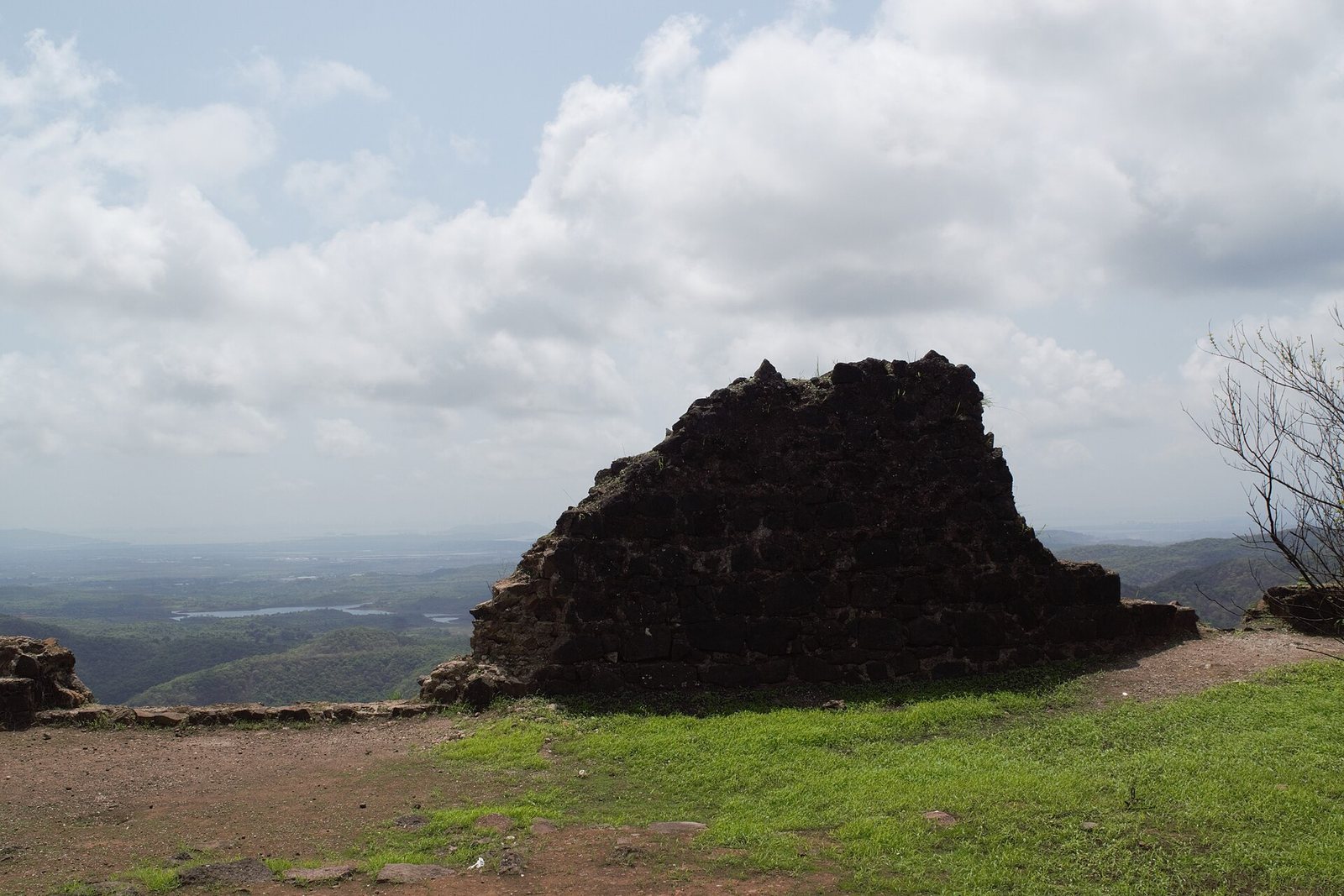
Built of stone on a hill in Raigad district, Karnala Fort stands at an elevation of 439 metres, about 10 kilometres from Panvel. The complex has two fortified levels, one above the other. At the centre of the upper level rises a 125-foot basalt pillar, a tower of volcanic rock also known as Pandu’s Tower. It served as a watchtower during the fort’s occupation and is now ruined. A cistern supplies fresh water throughout the year; the southernmost reservoir, cut directly into the rock, provides potable water. From the summit, the surrounding outlook includes Prabalgad, Manikgad, Haji Malang, Chanderi Fort, Matheran, Sankshi Fort, Dronagiri Fort, and Rajmachi.
Gate inscriptions
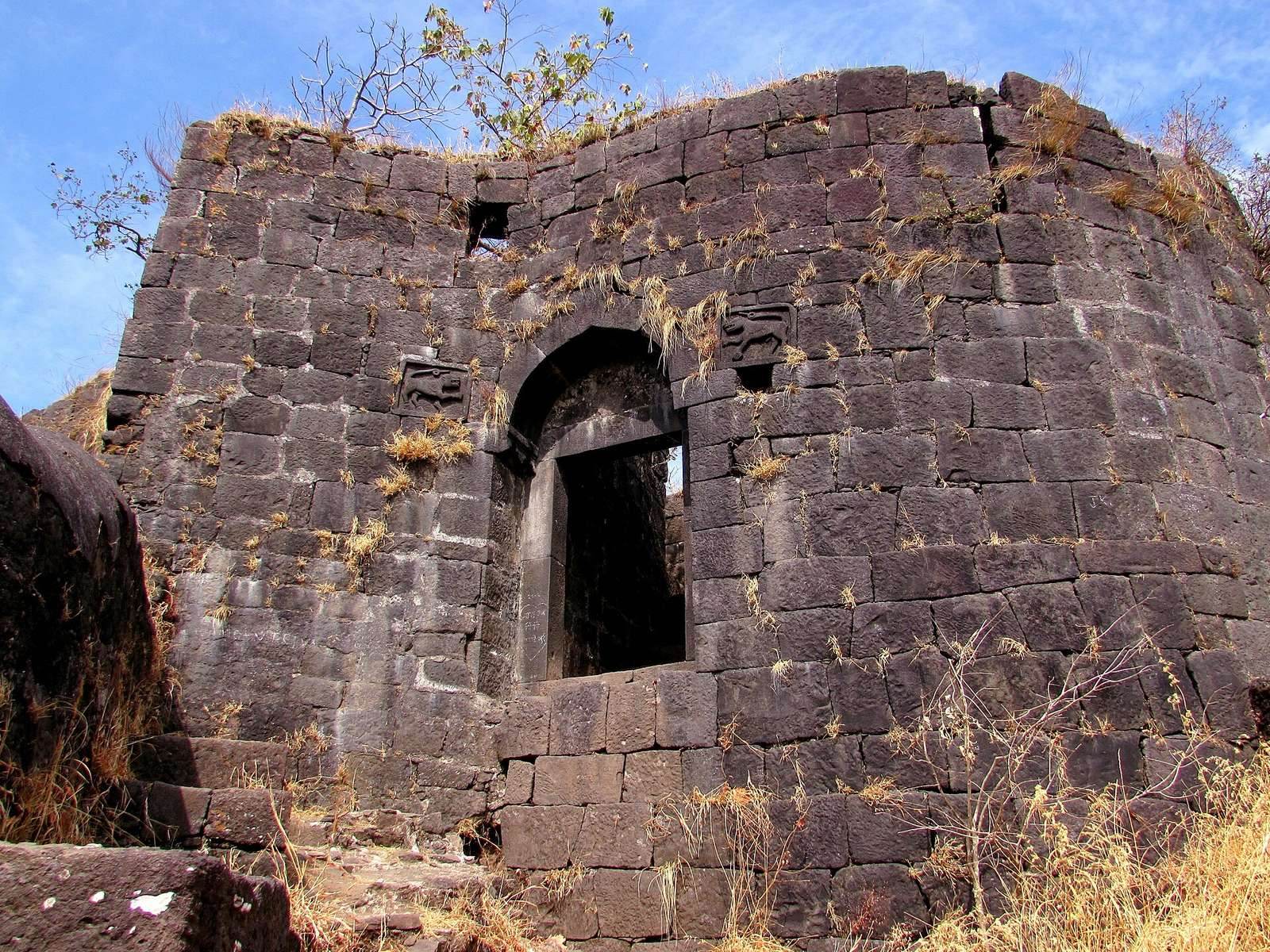
An undated Marathi inscription is set into the inner side of the lower gate, but its words are indecipherable. A Persian inscription carved into the upper gate named Syed Nuruddin Muhammad Khan and gave the date as 1147 AH, corresponding to 1735 CE. It likely dates from the Mughal occupation and was later removed by vandals.
Bhavani temple
A temple dedicated to the goddess Bhavani stands at the foot of the fort.