Gotteszell Convent in Schwäbisch Gmünd: A Dominican Convent and Women’s Prison
Site at a Glance
- Popularity
- Medium
- Country
- Germany
- Primary era
- Medieval
- Eras represented
- Medieval, Early Modern
- Civilizations
- Holy Roman Empire
- Site type
- Religious
- Remains
- Monastery
On this page9 sections
History
Foundation and community
Gotteszell Convent in Schwäbisch Gmünd was a Dominican women’s convent outside the city walls in Germany. The Dominicans, also known as the Order of Preachers, were a Catholic religious order. Gotteszell belonged to the Diocese of Augsburg, a Catholic church jurisdiction centered on Augsburg.
The convent’s foundation is traditionally dated to 1240. Its first known written record, from 1246, already describes an established community. Until 1289, the Dominicans of Esslingen provided spiritual oversight; responsibility then passed to the Dominican convent newly founded in Schwäbisch Gmünd. Gotteszell was intended for unmarried women from the city’s patriciate, its elite families, and noble households in nearby communities. Its customs reflected aristocratic life, unlike those of the women’s religious community at St Ludwig in the city.
A collection of accounts about the nuns’ spiritual experiences, known as a sisters’ book, probably originated at Gotteszell. It later circulated under the misleading title “Ulm Sisters’ Book.”
Protection, conflict, and expansion
Schwäbisch Gmünd was an imperial city, meaning it was directly subject to the Holy Roman Emperor rather than a territorial lord, and it acted as the convent’s protector. In 1309, German King Henry VII exempted Gotteszell from taxes and dues.
During the War of the Cities, a mid-15th-century conflict between Swabian imperial cities and neighboring territorial rulers, Gotteszell was badly damaged in 1449. The convent made distress sales in the following years. In 1525, peasants attacked and partly burned the buildings. Hessian soldiers caused further damage in 1546, leading to extensive repairs and new construction.
A fire in 1609 was described as severe, although its damage appears to have been limited; repairs were finished by 1610. In 1659, the convent entered a legal dispute, accusing the people of Schwäbisch Gmünd of failing to meet their obligations. The complex was enlarged in the 18th century.
Dissolution and prison use
Secularization, the transfer of religious institutions or property into secular control, brought the convent to an end in 1803. Its religious treasures went to Ludwigsburg and its altars were sold. The nuns remained in the cloister buildings until 1808, while other buildings were leased or put to different uses.
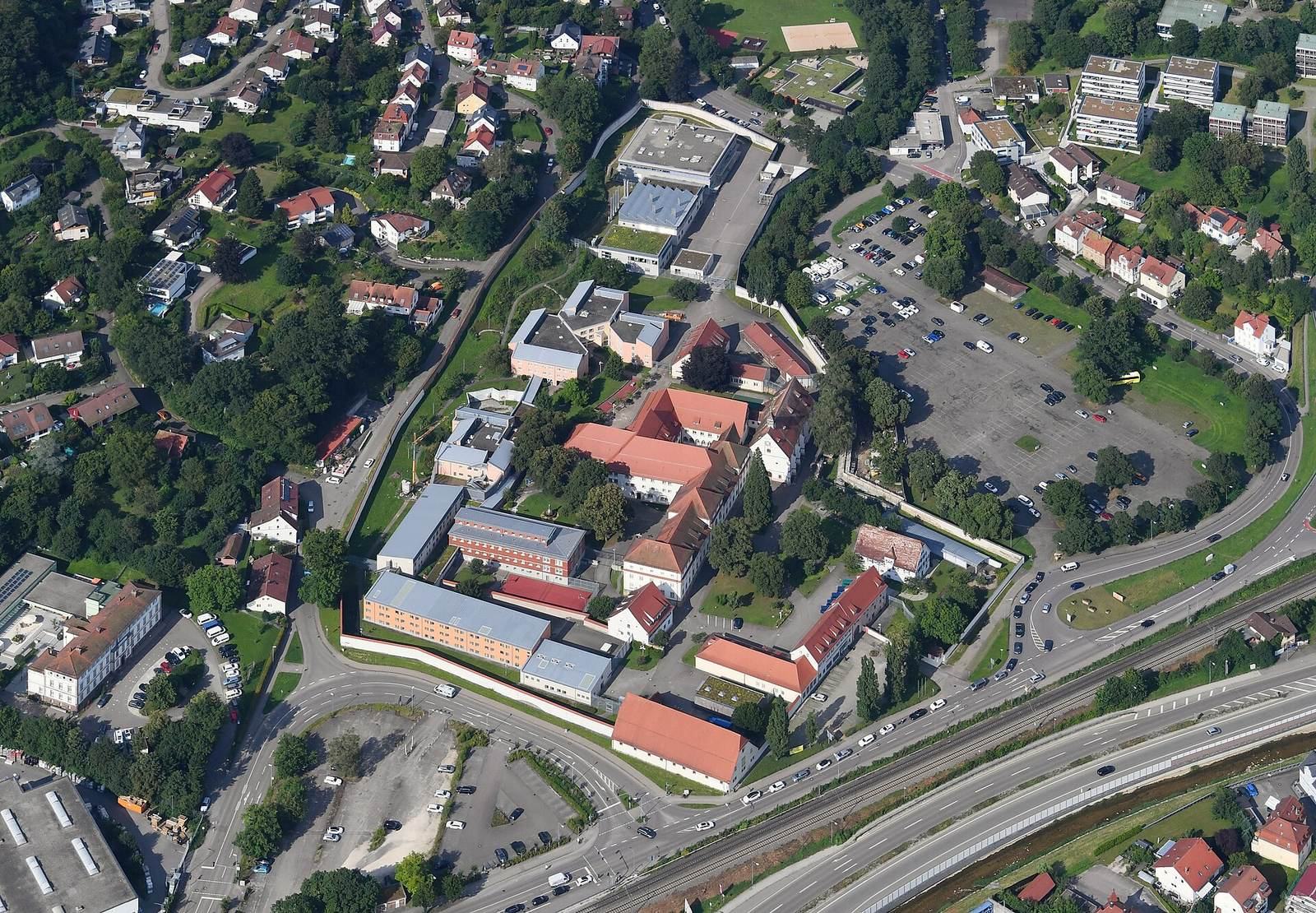
From 1808, the former convent served as a penitentiary and a state prison in Württemberg. Men and women were initially held there; in 1871 it became a penitentiary and state prison for women. The site continues to serve as a women’s prison.
Remains
Buildings of the former convent
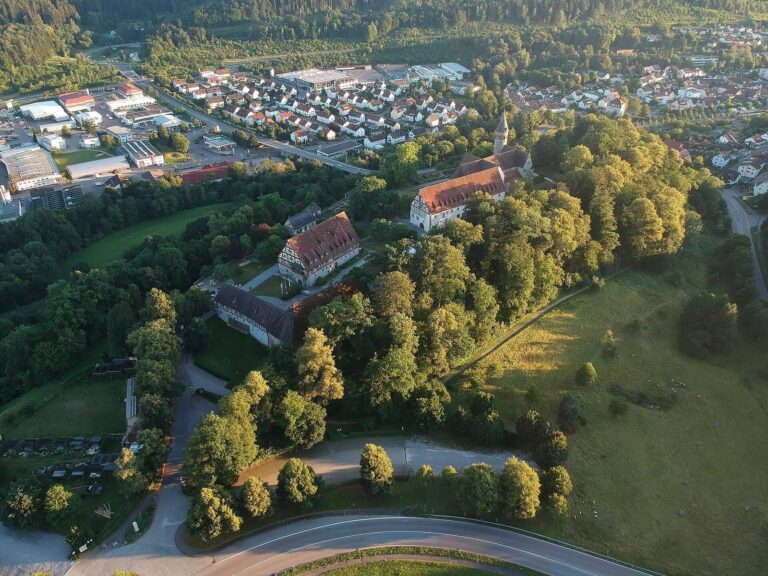
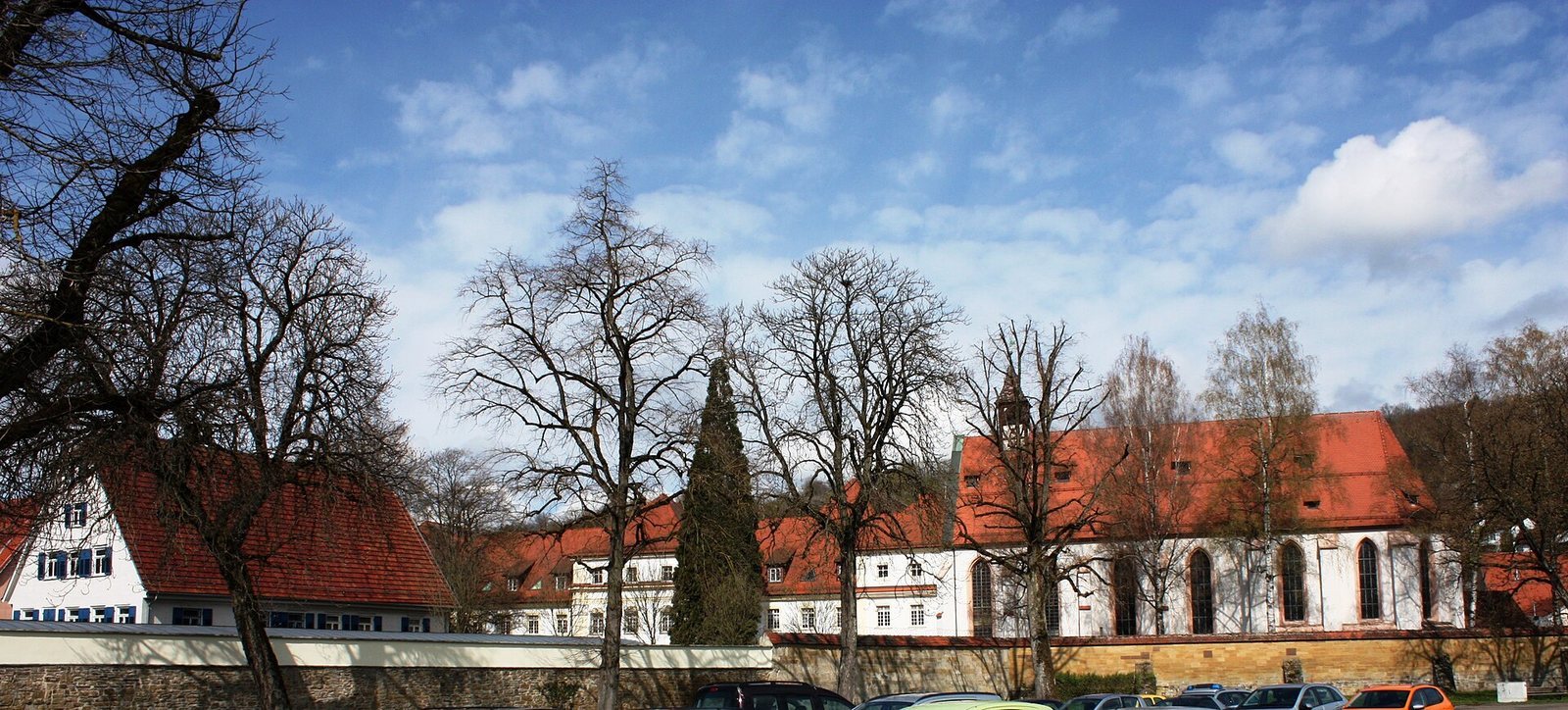
The convent complex combined its church with a formal wing on the western side and buildings for agricultural and other work. The church’s medieval origins and later alterations reflect more than one phase of the site’s construction.
Church of the Annunciation
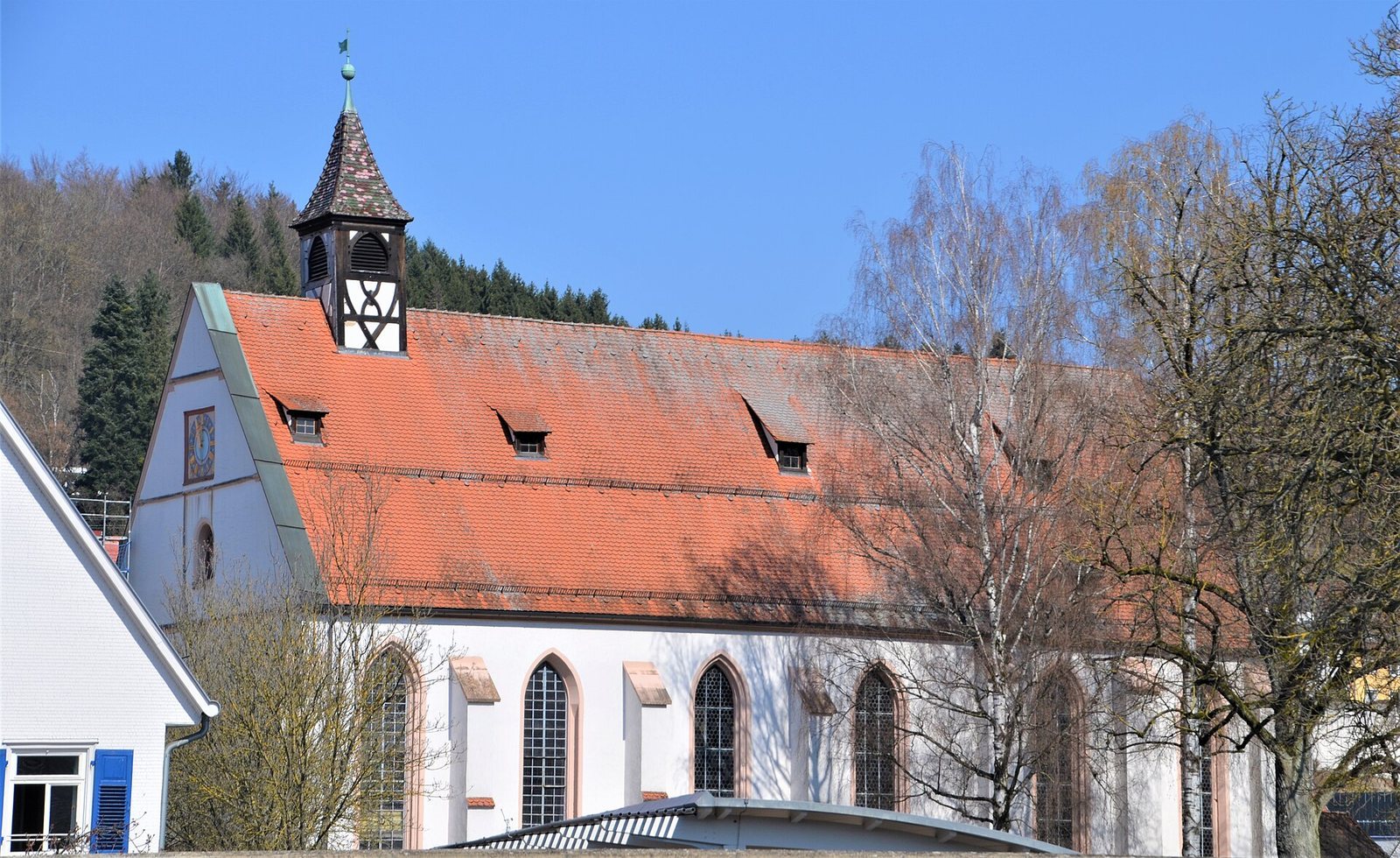
The former monastery church of the Annunciation began in the Gothic style and later received Baroque alterations. Masons’ marks in the choir, the area around the altar, are dated to the mid-13th century. The church serves as the prison’s church.
Western wing
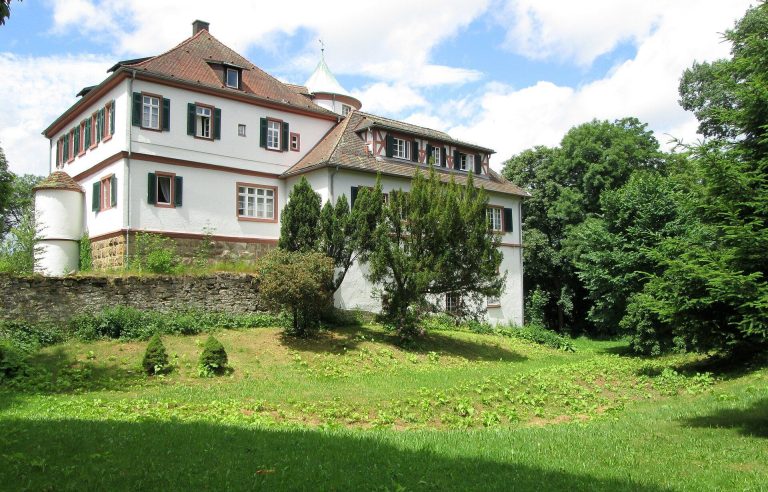
A castle-like wing for formal representation stood on the complex’s western side.
Agricultural and service buildings
The convent establishment also included barns for livestock, a mill, and a granary.