Augustinian Monastery at the Church of Saint Thomas: A Historic Monastic Complex in Prague
Site at a Glance
- Rating
- 5
- Popularity
- Very Low
- Country
- Czechia
- Primary era
- Early Modern
- External website
- Open
- Eras represented
- Medieval, Early Modern
- Civilizations
- Habsburg, Holy Roman Empire, Kingdom of Bohemia
- Site type
- Religious
- Remains
- Monastery
On this page10 sections
History
The Augustinian Monastery at the Church of Saint Thomas in Prague, Czechia, is the oldest Augustinian monastery in the Czech Republic. King Wenceslaus II founded it in 1285 for the salvation of his father Přemysl Otakar II’s soul, and members of the Catholic order associated with Saint Augustine were invited to form the new community.
Foundation and Medieval Development
The convent was established beside an older church that had previously belonged to the Benedictines. A new three-nave church, with a central nave and two side aisles, was consecrated in 1379, nearly a century after the monastery’s foundation.
In 1420, supporters of Hussitism, a reform movement that arose in Bohemia from the teachings of Jan Hus, attacked the monastery. They expelled the religious community, looted the complex, and set it on fire. The Augustinians returned to the Lesser Town in the middle of the fifteenth century, although the restoration of the damaged monastery proceeded slowly.
Renaissance and Early Modern Changes
Repairs in the Renaissance style took place in 1551, and a library was established in 1603. Václav Hájek of Libočany served as a preacher at the Church of Saint Thomas. The architect Ulrico Aostalli de Sala was associated with the monastery in 1597 and was later buried in its eastern cloister wing.
During the Bohemian revolt of 1618, the Directors, the governing body established during the uprising, compelled the monastery to provide money for army pay and seized its property. The property was returned to the religious community in 1620. In 1623, the Bohemian nobleman and military commander Albrecht von Wallenstein purchased some monastery parcels while developing his palace in the Lesser Town. The prior Paulus Konopeus was Wallenstein’s friend and later served at the monastery Wallenstein established in Česká Lípa.
War, Artistic Patronage, and Baroque Rebuilding
The Thirty Years’ War, a European conflict fought from 1618 to 1648 amid religious, dynastic, and political struggles, brought further disruption. During the Swedish occupation of the Lesser Town, troops under General Königsmark looted the monastery library and carried away its books.
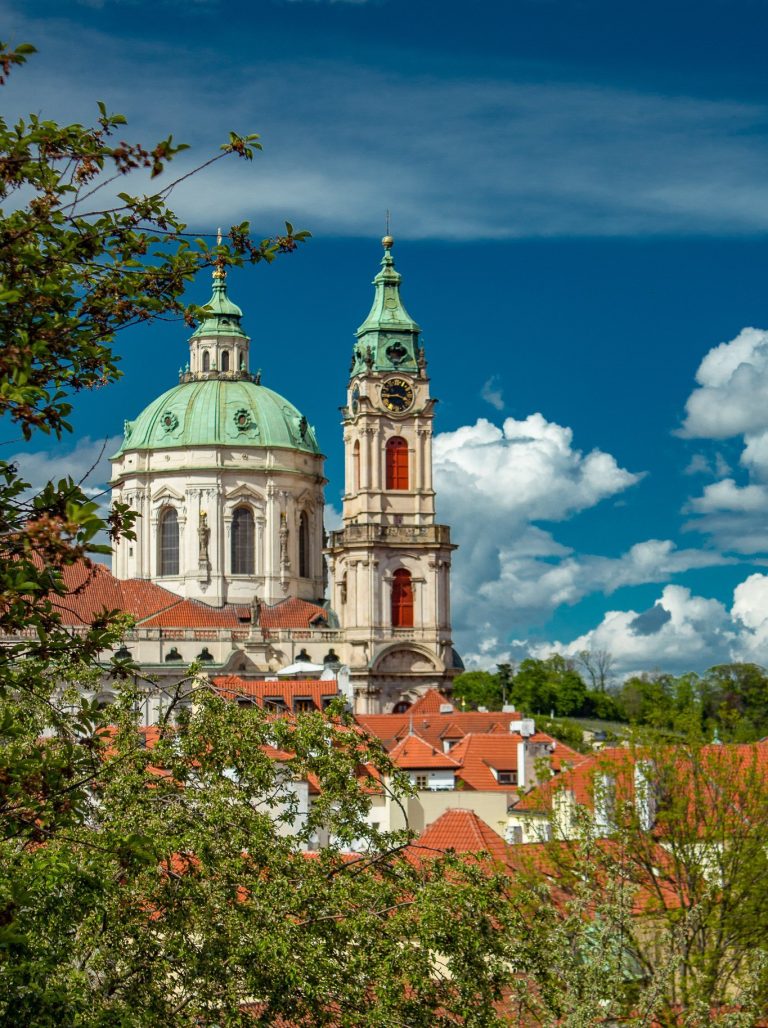
In 1637, the monastery commissioned paintings by Peter Paul Rubens, a leading Flemish Baroque painter, for the church. Building work continued from the 1650s, followed by a comprehensive Baroque transformation of the complex from 1728. The rebuilding was designed by Kilián Ignác Dientzenhofer, a major Bohemian Baroque architect, and it largely created the appearance of the monastery seen today.
Suppression and Return
The monastery continued to function until spring 1950, when the communist government dissolved it by force during Action K, a campaign against Czechoslovak male religious communities that also seized their properties. The Augustinians returned after 1990, and the monastery became the center of the Czech province of the order. A small Augustinian community remains there, while the Church of Saint Thomas serves as the parish church of the Lesser Town, with pastoral administration in English and Spanish.
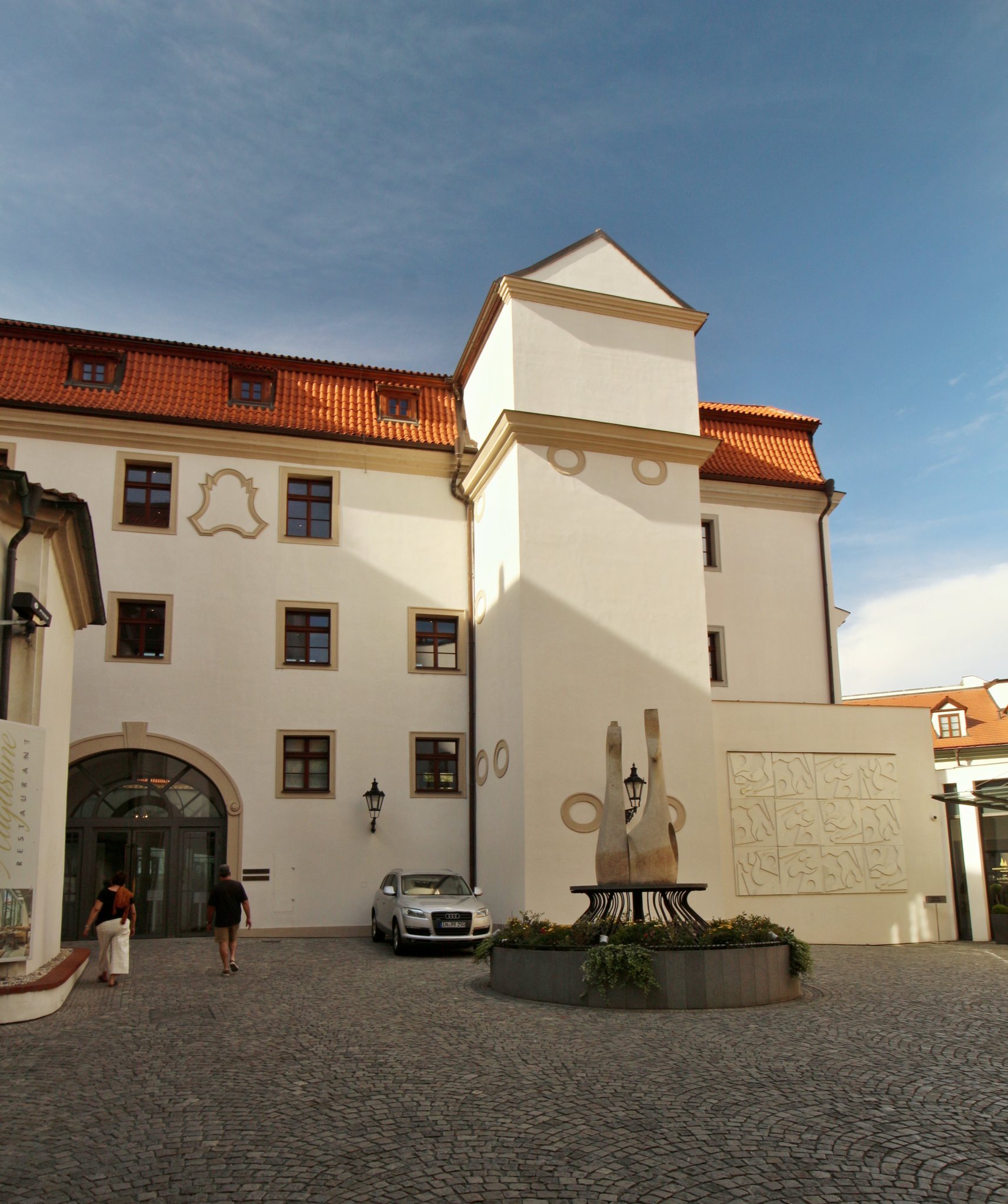
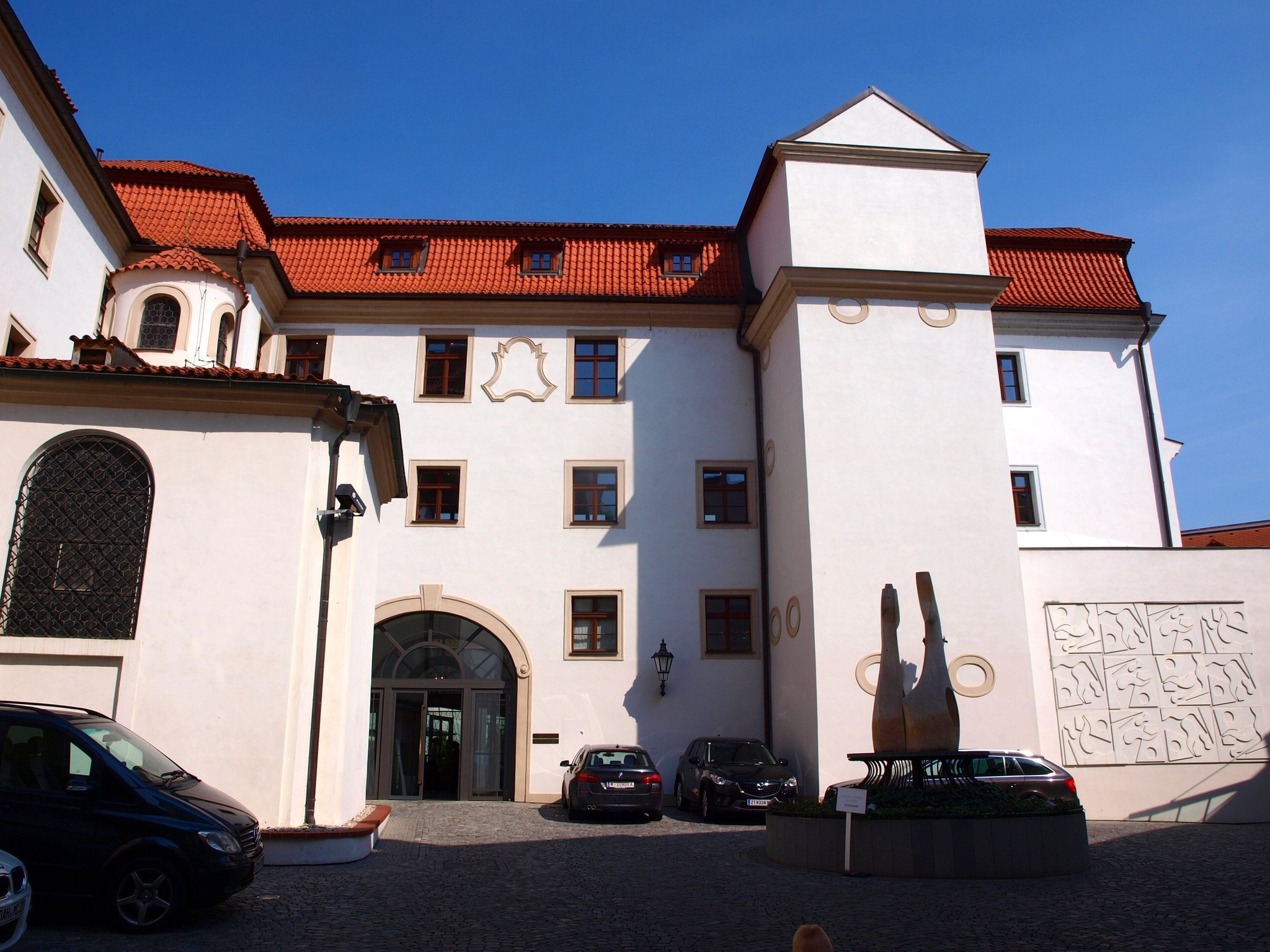
The monastery is associated with the Augustinian monastery in Česká Lípa as a daughter institution. Its public activities include language courses and an annual Augustinian Week in April, devoted to lectures on Saint Augustine and the Augustinian order. The monastery complex and church are protected as a cultural monument. Part of the complex now functions as the Augustine, a Luxury Collection Hotel Prague.
Remains
Layout and Buildings
Monastic Complex
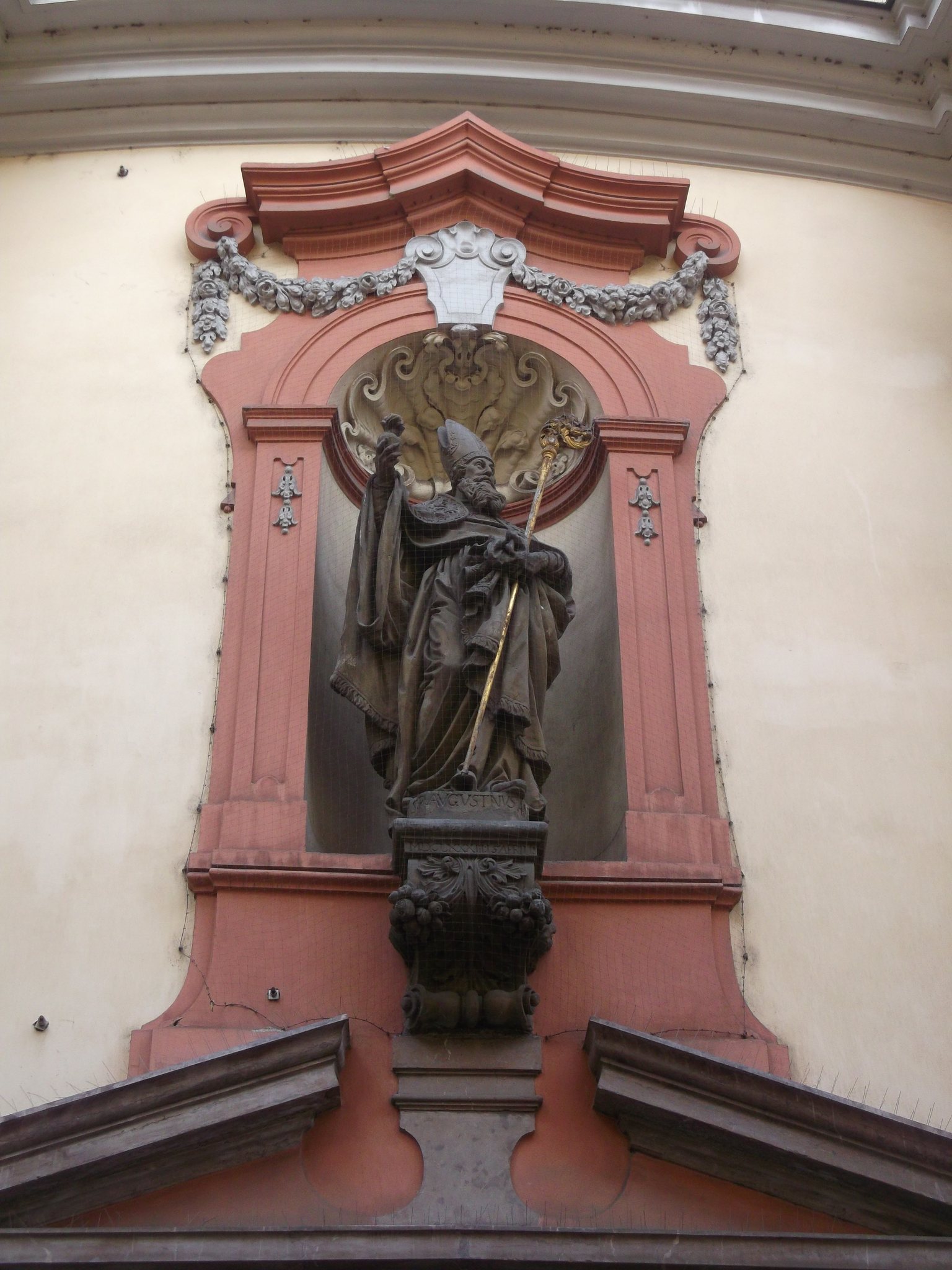
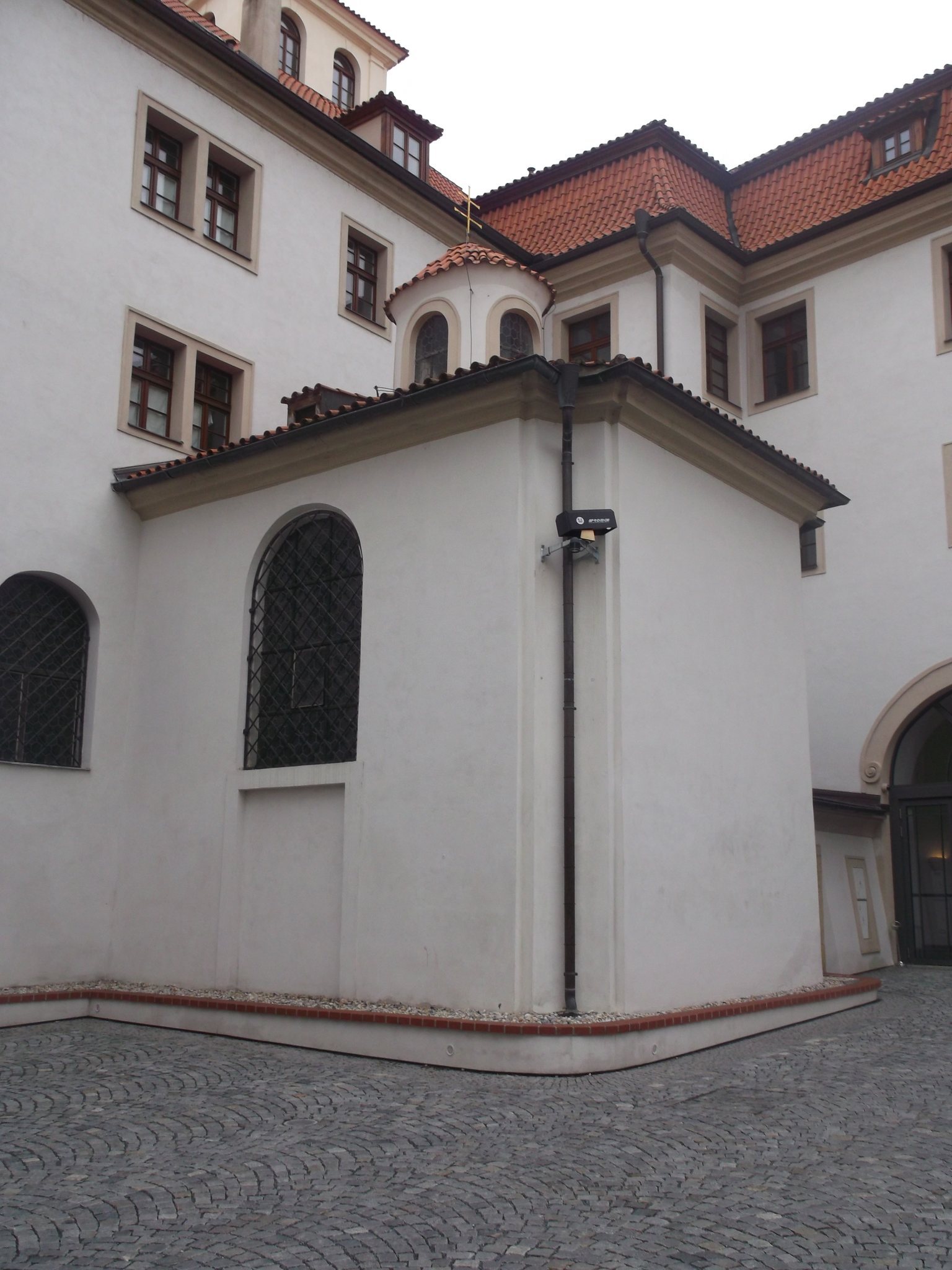
The monastery stands beside the Church of Saint Thomas on Letenská Street in Prague’s Lesser Town. Its surviving complex consists of the church, monastic buildings, a courtyard, an entrance section, and a cloister. The cloister is a covered passage arranged around an open courtyard, linking the buildings of the religious community. The present architectural character of these structures is predominantly Baroque, reflecting the extensive rebuilding designed by Kilián Ignác Dientzenhofer from 1728.
Church and Furnishings
The monastery church is a three-nave structure consecrated in 1379. Its artistic furnishings include paintings commissioned from Peter Paul Rubens in 1637. The monastery library, established in 1603, formed part of the complex until its books were taken during the Swedish occupation of the Lesser Town in the Thirty Years’ War.
Eastern Cloister Wing
The eastern wing of the cloister contains the burial place of Ulrico Aostalli de Sala, who was associated with the monastery in 1597. This wing forms part of the cloister surrounding the monastic courtyard.