Kinkelenburg Castle: A Castle and Former Town Hall in Bemmel
Site at a Glance
- Popularity
- Medium
- Country
- Netherlands
- Primary era
- Medieval
- Eras represented
- Medieval, Early Modern
- Civilizations
- Dutch, Holy Roman Empire
- Site type
- Civic
- Remains
- Town Hall
On this page7 sections
History
Medieval origins and later changes
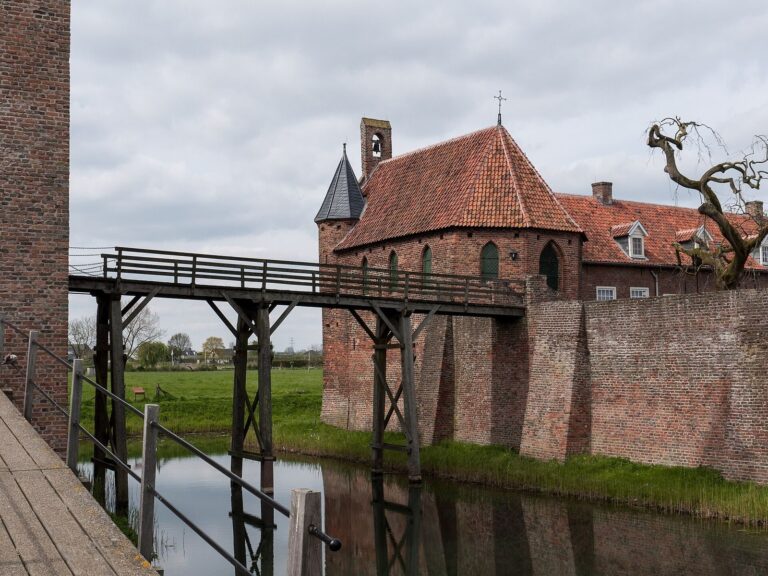
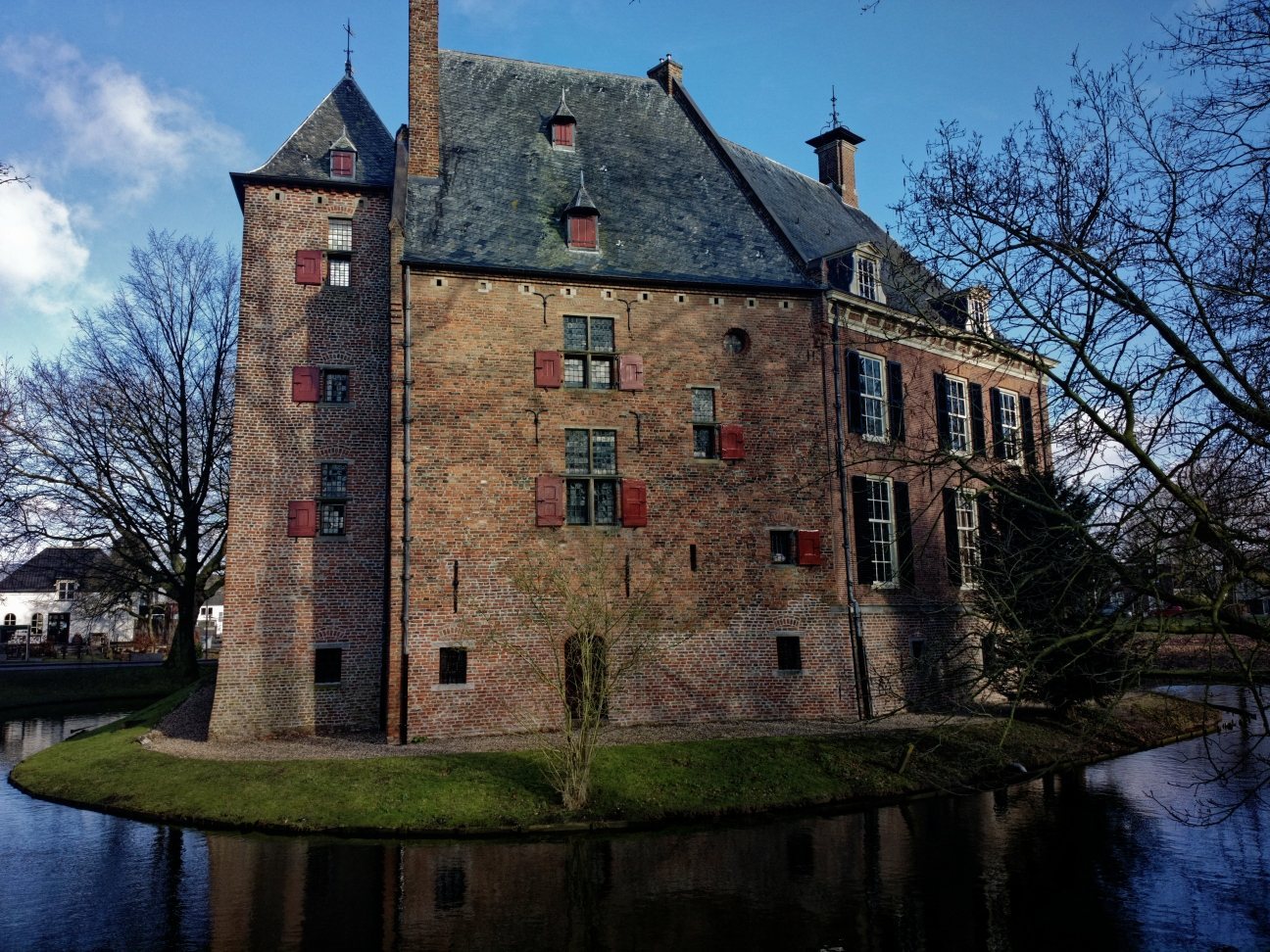
Kinkelenburg Castle is a Brick Gothic castle in central Bemmel, Netherlands. Its early setting was a walled island, probably created in the low-lying area during the 13th century. The house is first mentioned in 1403, when Johan van Ambe lived there; an attached gate tower may date from around the same time.
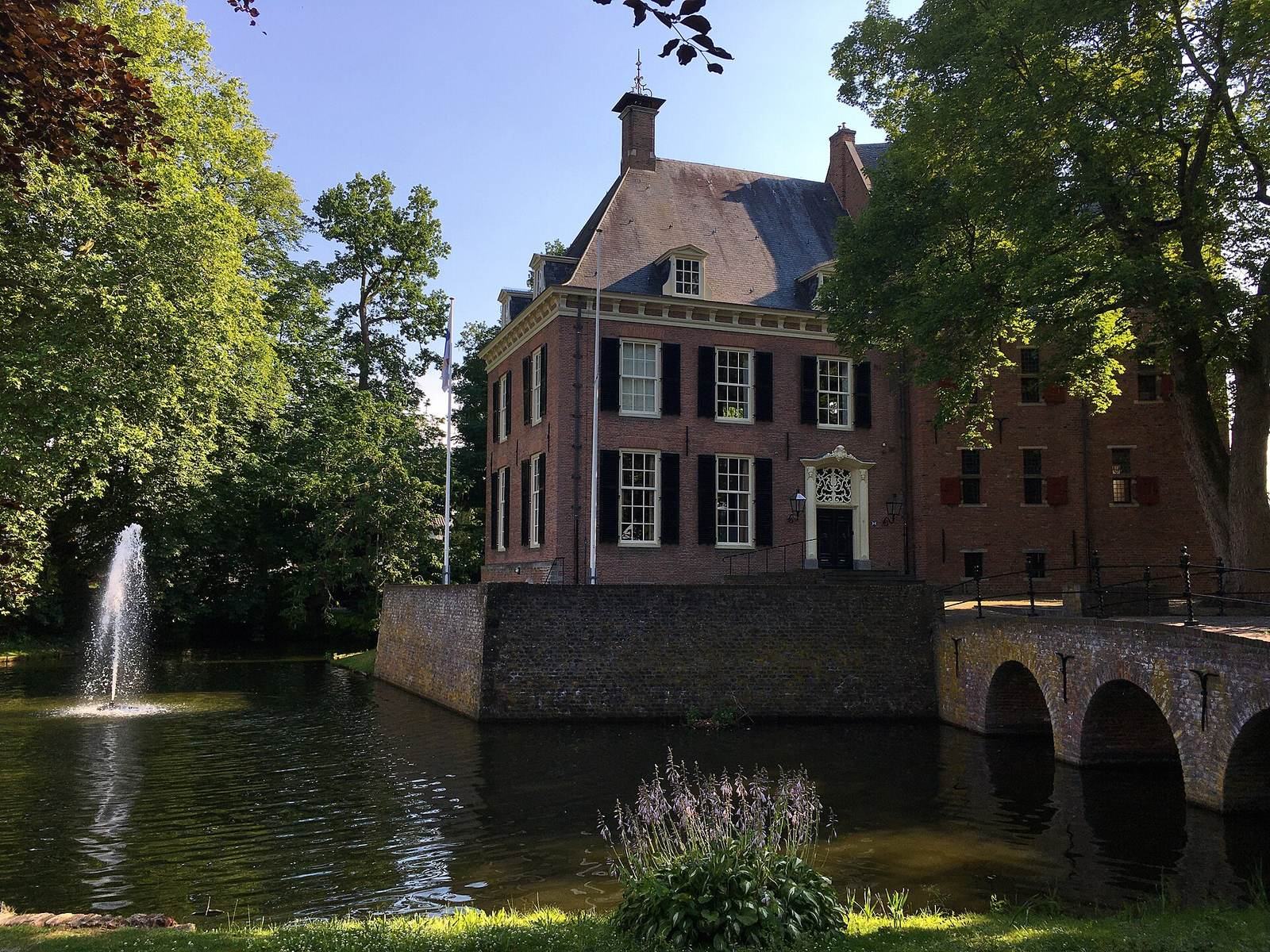
A building joined the towers in the 16th or 17th century, and a wing was added to the house in 1765.
Villa and wartime use
During the 19th century, private owners converted the castle into a villa, changing its medieval character. The Homan van der Heide family were its last private owners and residents. They sold the property to the municipality of Bemmel in 1948, after living there from 1917. During the Second World War, the house served as an emergency hospital.
Restoration and municipal use
In the 1950s, restoration involved demolishing and rebuilding most of the castle using old drawings as a model. It then became Bemmel’s town hall, with the neighboring house Brugdijk used as an annex. The castle was designated a national monument in 1971. It is now used by the municipality of Lingewaard for weddings and meetings.
Remains
The complex includes a Brick Gothic castle on a walled island surrounded by a moat. Its principal structures include a keep and gate tower, with later buildings connecting and extending the castle. The council chamber and features in the adjoining grounds form part of the surviving site.
Castle and council chamber
The keep stands on the island, beside the gate tower; the castle gate bears Bemmel’s coat of arms above it. A later building links the towers, and the house includes an added wing. Inside, the council chamber has wall panelling, three bas-reliefs, sculpted images that project slightly from a flat surface, and a frieze, a horizontal decorative band, above its entrance. Sculptor Ed van Teeseling made the artworks. The frieze carries a line from Dutch poet Joost van den Vondel’s Roskam: “If the community calls upon you, care for it as you would your own.”
Memorial and plants
The war memorial Why Me?, by Dutch sculptor Jac Maris, stands beside the castle. Natural populations of meadow yellow-star (Gagea pratensis) grow around Kinkelenburg Castle and Brugdijk. This rare bulbous plant belongs to the lily family, was traditionally characteristic of higher ground in the Dutch river landscape, and flowers in March and April.