Kasteel Wittem: A Castle and Estate in the Netherlands
Site at a Glance
- Popularity
- Medium
- Country
- Netherlands
- Primary era
- Medieval
- Eras represented
- Medieval
- Civilizations
- Holy Roman Empire
- Site type
- Domestic
- Remains
- Castle
On this page5 sections
History
Kasteel Wittem is a castle in the village of Wittem, Netherlands. Its history reaches back to 1220, when Winand van Julemont bought the site from the Abbey of St James in Liège. The Julemont family later enlarged the castle with a large stone tower. Its position between Maastricht and Aachen gave Wittem military importance in later centuries.
Medieval lordship and Habsburg rule
In 1344, Gerard III, a grandson of Arnold II of Wittem, sold the castle to Johan van Cosselaer, an illegitimate son of Duke John II of Brabant, for 2,300 guilders. Johan soon extended his jurisdiction to the village of Mechelen. Medieval poet Jan van Heelu described a siege of the castle in his Rymkronyk, a verse chronicle, recounting that the attackers withdrew and scattered.
On 21 October 1520, Charles V stayed at Wittem before travelling to Aachen for his coronation the next day as King of the Romans, the title for an elected king designated to succeed the Holy Roman Emperor. The Van Pallandt family, then resident at the castle, had been loyal to Burgundian and Habsburg rulers. After the 1566 protest known as the Petition of the Nobles, Floris van Pallandt joined the rebel nobles, and Spanish authorities confiscated the castle.
Warfare and changing ownership
An old military road from Maastricht through Wittem toward Aachen, now the Rijksweg, may have originated in Roman times. Troops often camped near Wittem during sieges of Maastricht. During the Eighty Years’ War, the revolt of the Netherlands against Spanish rule, William of Orange spent a night at the castle while preparing to attack Maastricht, then held by Spanish forces. In the Dutch War, a conflict involving France and the Dutch Republic, French forces besieged Maastricht while the city was under Dutch control.
After Floris II van Pallandt died in 1639, the counts of Waldeck acquired Wittem. French troops blew up a large part of the castle in early 1679. Ferdinand von Plettenberg bought it in 1717, and in 1732 Wittem became a county, a territory governed by a count.
The Merckelbach family and later use
The Merckelbachs served as local administrators first for the Waldecks and later for the Plettenbergs. Adolfus Merckelbach lived at the castle from 1764. His son Simon, a notary and mayor, bought the castle and its estates from the French government for 80,000 daalders, a historical European currency. Simon and, especially, his son Jan Mathys restored the castle in a Neo-Gothic style, a revival of medieval Gothic forms. Jan Mathys also laid out the surrounding park. His descendants, who prospered through ties with Aachen manufacturers Monnheim, Gianni, and Heusch, entered Dutch public service and kept the castle and estates until 1956.
The marshy valley where the Selzerbeek and Geul meet supported grain and textile mills. Mill-owning families, including the Clermonts and Merckelbachs, gained wealth from this activity; some mills near Vaals and Wittem served the growing textile industry.
In 1958, hotelier Jack Rooding bought and refurbished the castle, establishing a hotel and restaurant there. He sold it to Pieter Ritzen in 1968. The restaurant held one Michelin star from 1977 to 1989 and belonged to the Dutch Gastronomic Alliance until after the 2009 sale. The hotel and restaurant businesses changed hands and reopened under new ownership by 2011. In 2018, Alexander and Nicole Wilden acquired the castle and established hotel Château Wittem and restaurant Julemont. Julemont received two Michelin stars in 2022. Following changes in its kitchen leadership, the castle was announced closed on 14 January 2025, partly because of substantial tax debt. Kasteel Wittem is designated a Dutch national monument.
Remains
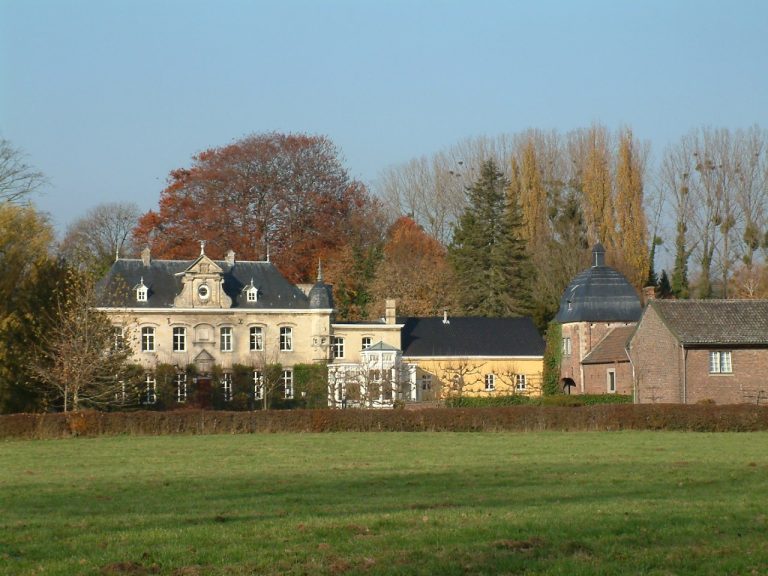
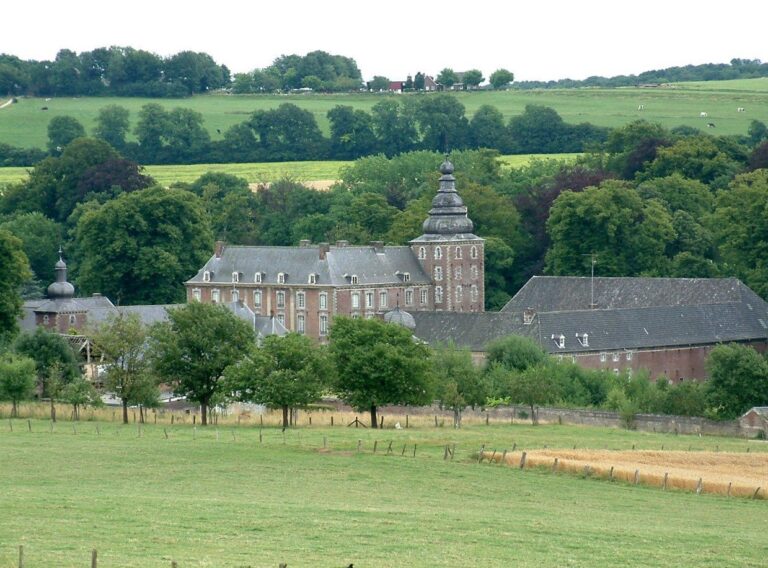
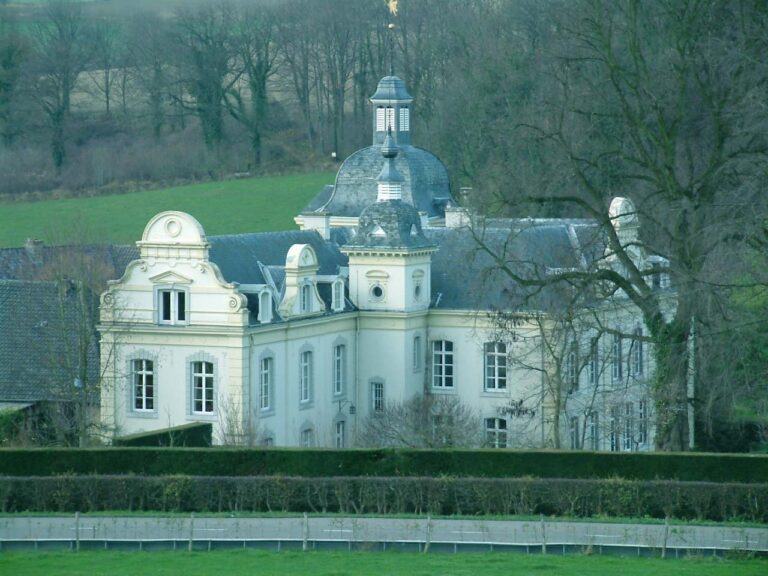
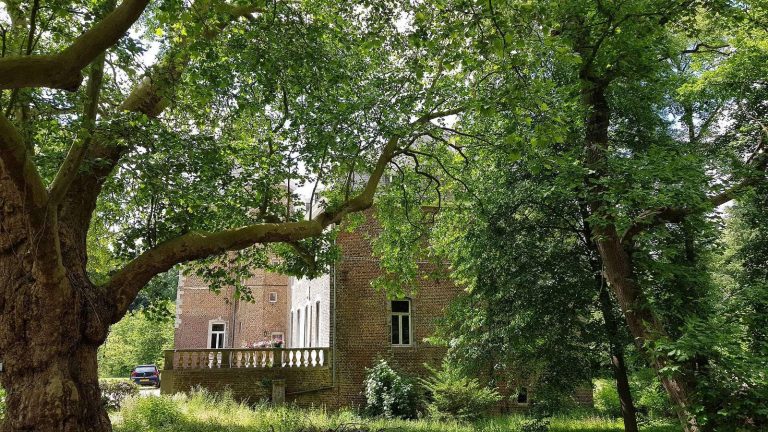
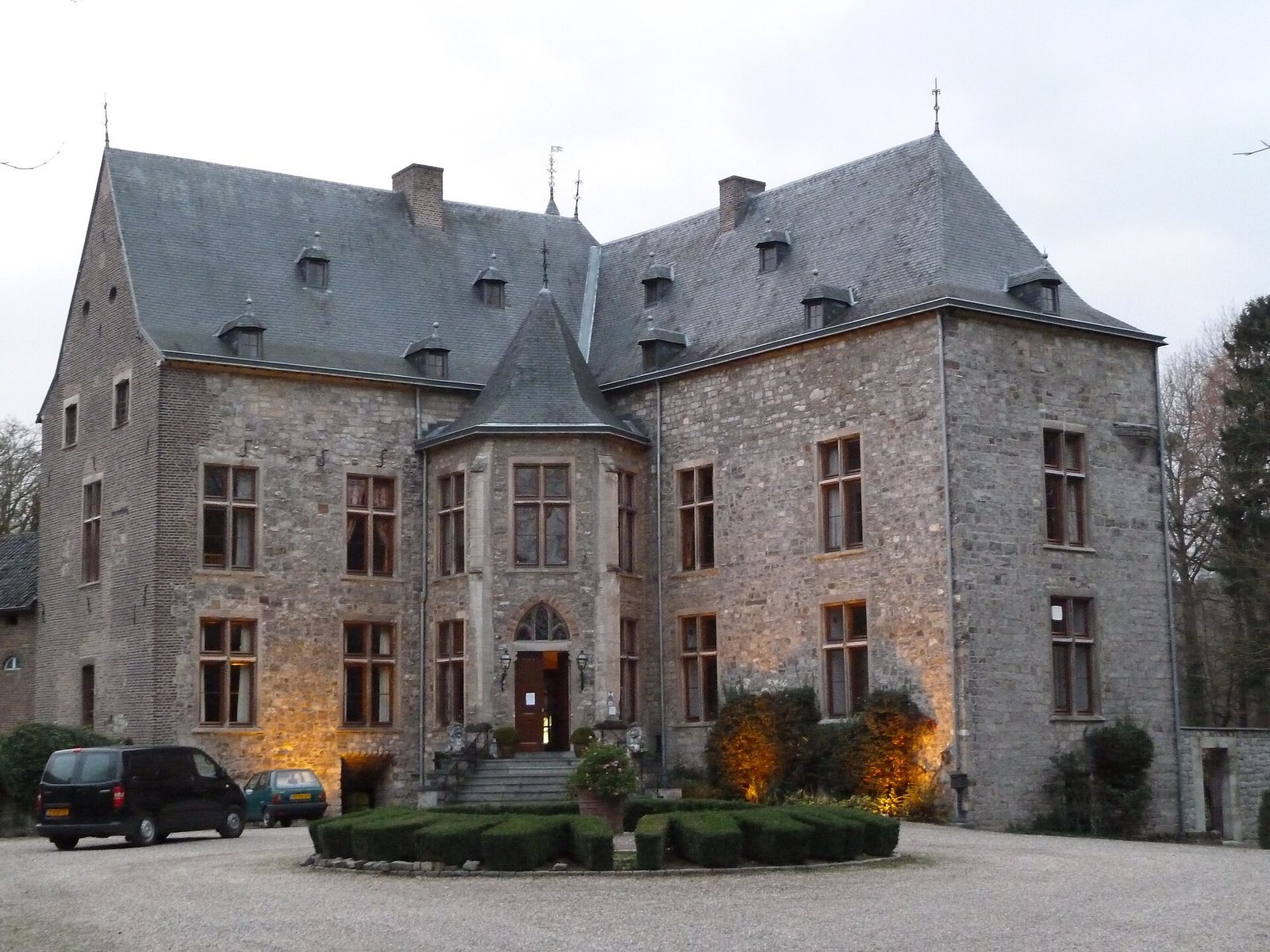
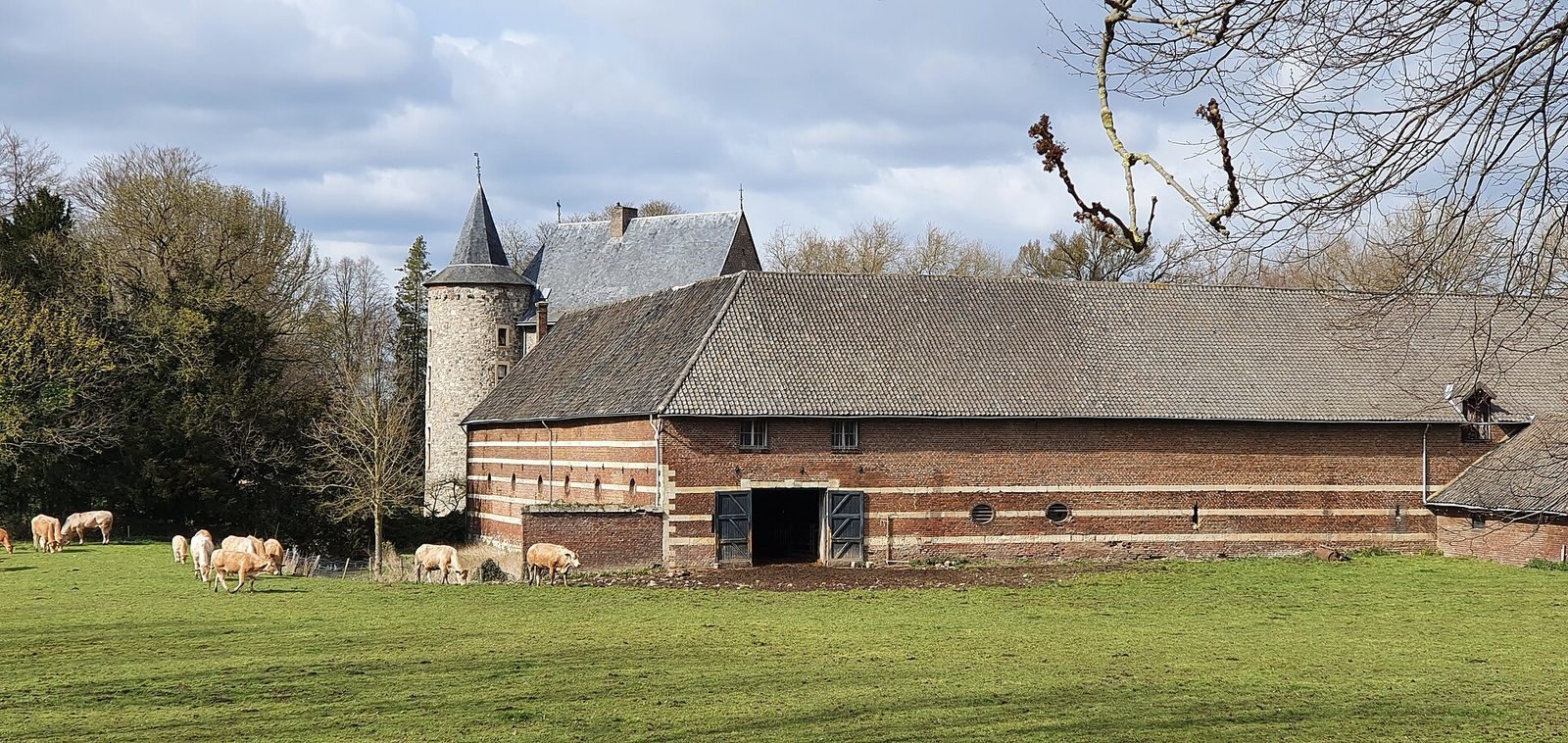
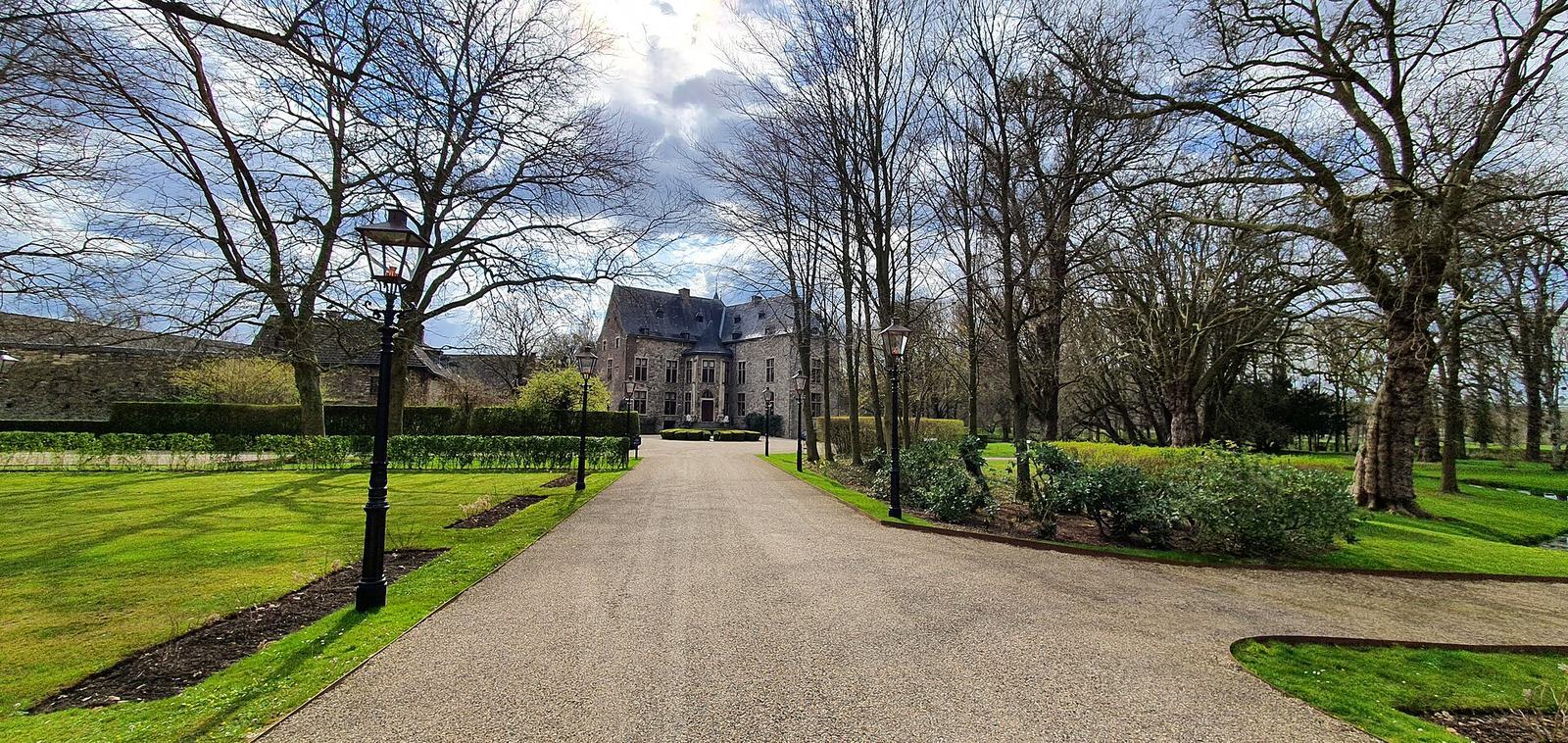
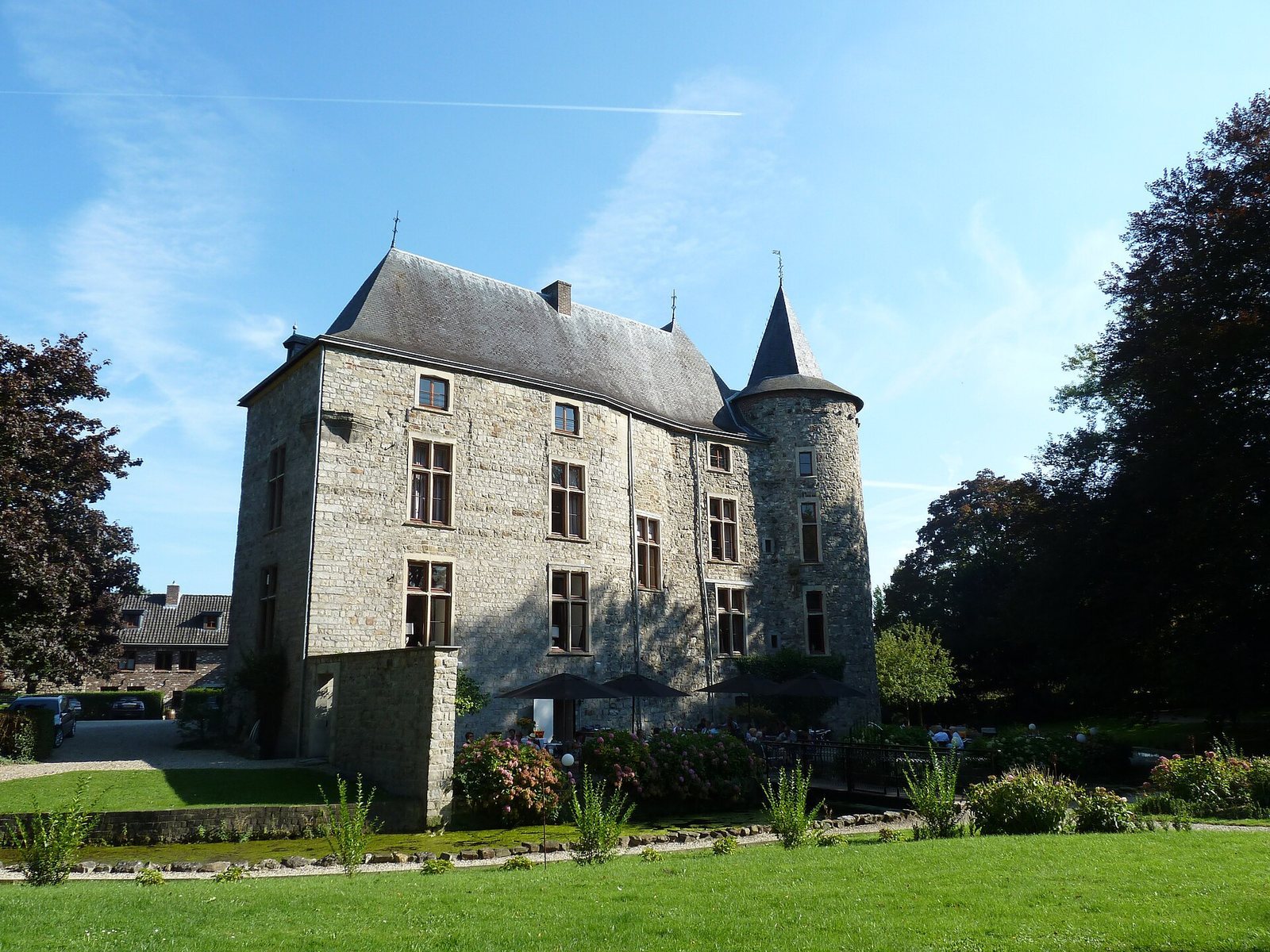
The castle stands in Wittem and retains a Neo-Gothic appearance, while its former extent was much greater and included seven towers. A large stone tower was built near the Sinselbeek. The park laid out by Jan Mathys surrounds the castle. Above the entrance, the glazing displays the Scavendriesch coat of arms, a red notched thorn cross on a white field.