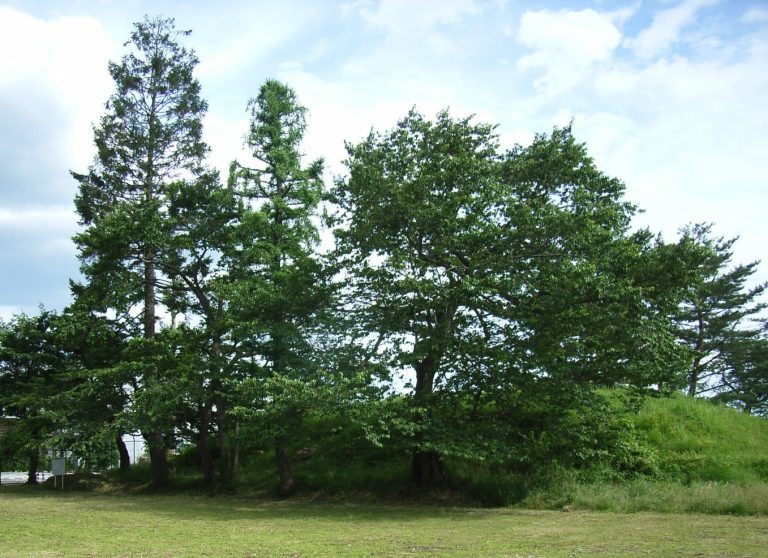
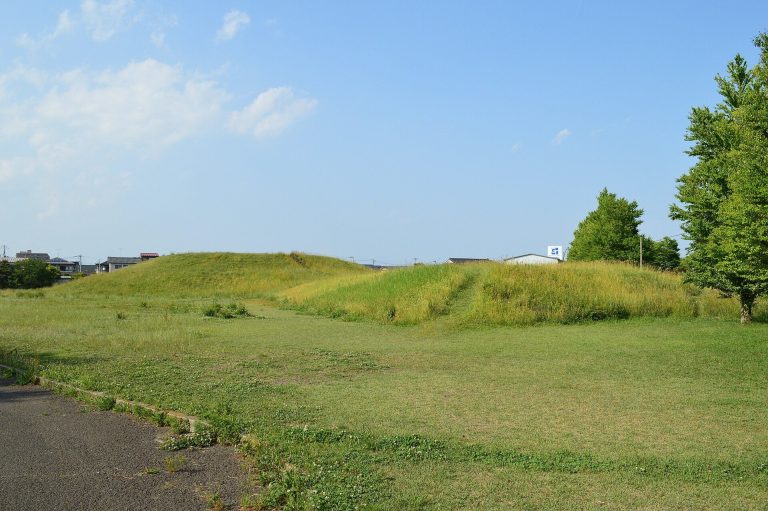
Kashima Amatarashi Wake Shrine: An Ancient Kashima Shrine in Watari, Japan


Site at a Glance
- Rating
- 4.1
- Popularity
- Very Low
- Country
- Japan
- Primary era
- Early Modern
- External website
- Open
- Eras represented
- Early Modern
- Civilizations
- Tokugawa
- Site type
- Religious
- Remains
- Sanctuary
On this page13 sections
History
Kashima Amatarashi Wake Shrine is an ancient Japanese shrine in Watari, Japan, whose tradition traces its foundation to 6 August 111, when the legendary imperial prince Yamato Takeru is said to have enshrined the deity at Sanmonyama in Ofuro, north of the present site. The shrine is one of the four shrines recorded for Watari District in the Engishiki, a tenth-century legal and ritual compilation that listed officially recognized shrines and court rites. It was formerly classified as a village shrine and remains the chief shrine among three Kashima shrines associated with Watari.
Origins and official recognition
According to shrine tradition, the original sanctuary stood in the Jinguji area. The three Kashima shrines of Watari were once regarded as a single sanctuary at Sanmonyama, founded during Yamato Takeru’s eastern expeditions. Yamato Takeru is traditionally associated with military campaigns and the extension of imperial authority into eastern Japan. The other two shrines later moved separately to Oyama in the Awanuma area and Sakuta in the Yoshida area.
On the first day of the fifth month in 782, prayers were offered at the shrine during a period when Takemikazuchi-no-Kami was believed to have displayed divine power in suppressing hostile forces. An imperial order then granted the shrine the fifth order of merit and two households of revenue. In 862, it entered the officially recognized government-shrine system, in which shrine rites and status formed part of the ancient state religious structure. On 18 June of that year, it received the junior fourth rank, upper grade, and became known as Kashima Shrine.
Relocations and rebuilding
In 941, the shrine was transferred to the summit of Kashikiyama in the North Kashima area. Local lords later donated lands to support it, but those lands were abolished during the warfare between the Date and Soma clans in the Tensho period, from 1573 to 1591. The shrine buildings were rebuilt at their present location on 6 April 1686 by the fifth head of the Watari Date family.
Kashima Amatarashi Wake Shrine is closely connected with Kashima Jingu, the major Kashima shrine of the former province of Hitachi. Together with the shrine at Oyama, it is regarded as one of the thirty-eight shrines in Mutsu Province said to have descended from the Kashima deity, as recorded in the Sandai Jitsuroku. These traditions place the shrine within a wider Kashima network linked to Takemikazuchi, a Shinto deity associated with martial power.
Priestly tradition and associated shrines
A shrine register from the Meiji period states that a direct grandson of a fifth-generation descendant of Emperor Sujin came to Watari and became ritual administrator for the three Kashima shrines of Watari District and Anpuku Kawahaku Shrine. The Mishina family lost that office in November 1872 and was appointed to a clerical position serving prefectural and village shrines. The family nevertheless continued as the hereditary shrine family.
The former shrine identified with Kashima Itohike Shrine declined as its precinct and surroundings deteriorated. It was combined with Gassan Shrine on 8 February 1910. Kashima Amatarashi Wake Shrine continues to function as the chief shrine of the three, retaining the deities associated with the other two as co-enshrined deities.
Several nearby shrines were also incorporated into the institution. They included Yakumo Shrine, Hachiman Shrine, the ridge shrine, Takaya Shrine, and Kasuga Shrine. Their principal deities are Susanoo-no-Mikoto, Homutawake-no-Mikoto, Amenominakanushi-no-Kami, and Ame-no-Koyane-no-Mikoto, with the ridge shrine and Takaya Shrine sharing the same principal deity. The shrine is dedicated principally to Takemikazuchi-no-Kami, with Itsuohashiri-no-Kami in the left auxiliary position and Sarutahiko-no-Mikoto in the right.
Shrine tradition describes Amatariwake as a divine son of Takemikazuchi and sometimes identifies him with Ame-no-Koyane, although the identification is uncertain. The shrine’s traditions and explanatory texts state that Amatariwake is not enshrined here. Traditions preserved at Kashima Miko Shrine in Ishinomaki and Kashima Miko Shrine in Minamisoma instead associate Amatariwake with the pacification of northeastern Japan alongside Takemikazuchi, Futsunushi, and Futsunushi’s son Asahiko.
Annual worship
The principal annual festival takes place on 8 April. During its procession, the portable shrine stops at a designated resting and temporary-worship place about one kilometre east of the shrine, in Suita, Awanuma-Kashima. This stopping place forms part of the festival observance connected with the shrine’s worship.
Remains
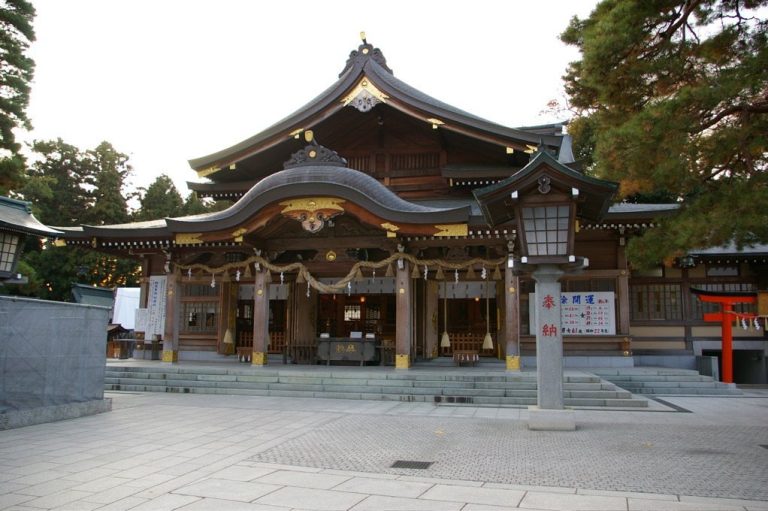
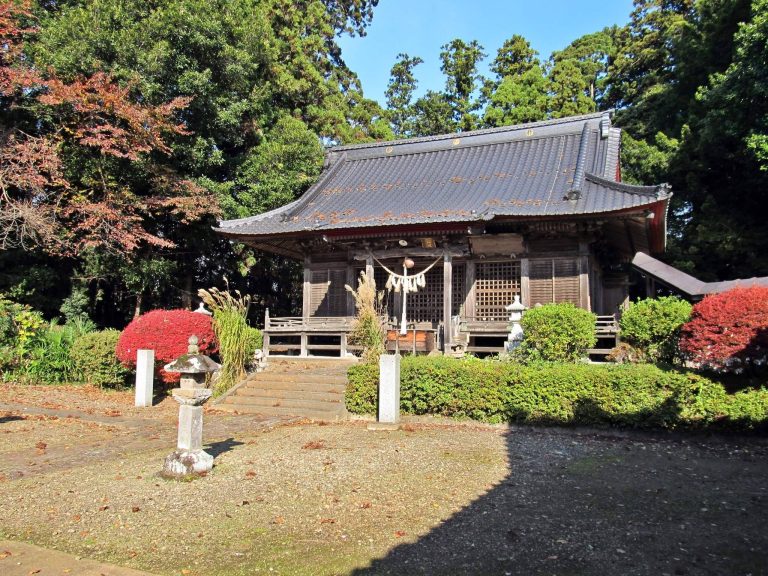
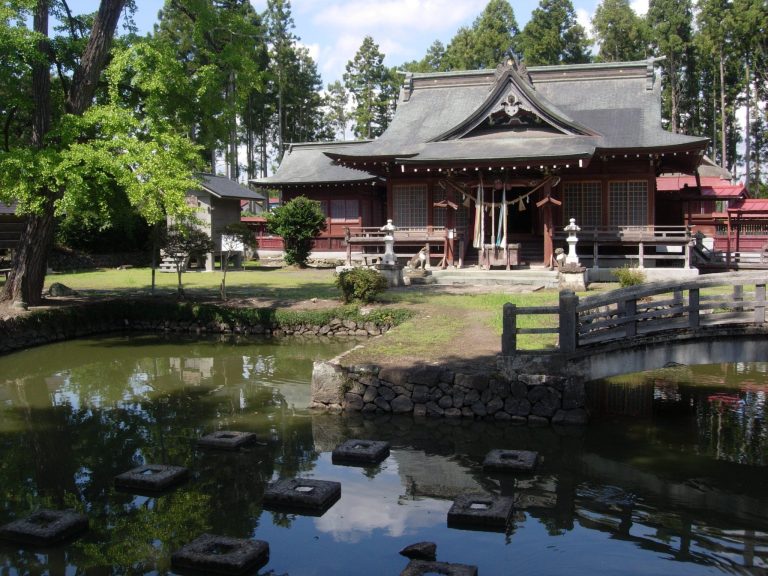
The surviving precinct combines a main sanctuary, structures associated with festival worship, sacred stones, and auxiliary shrines. The principal sanctuary follows shinmei-zukuri, a Shinto style characterized by a simple raised building with a gabled roof and emphasis on the formal sacred structure. Stone shrines connected with the two other Kashima shrines also stand within the precinct.
Sanctuary and precinct features
Main sanctuary
The main sanctuary is built in the shinmei-zukuri style. Its raised form and gabled roof express the restrained architectural character associated with this type of Shinto sanctuary. The building is the principal physical focus of the precinct and houses the shrine’s central worship associated with Takemikazuchi-no-Kami.
Portable-shrine hall
A hall for the portable shrine stands on the right side of the ascending approach and faces south. The tenth head of the Watari Date family built it in 1790. Its position beside the approach relates the structure to the procession and annual festival, during which the portable shrine is carried to a temporary-worship place east of the precinct.
Sacred stones and auxiliary shrines
The precinct contains a Kanameishi, or keystone stone, together with stone shrines associated with the two other Kashima shrines of Watari. A smallpox shrine is also located within the precinct. Its deity is unidentified, and local tradition holds that worshippers prayed there for recovery from smallpox and other skin lesions.
Related Kashima remains
Sanmonyama stone shrine
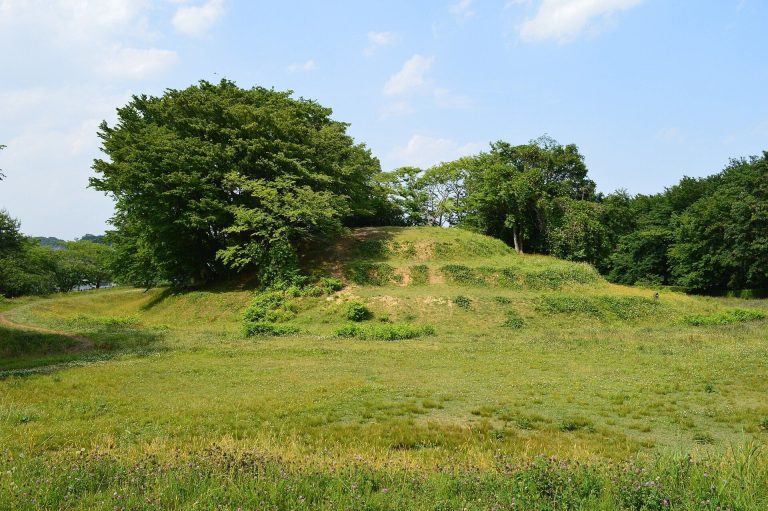
A stone shrine formerly venerated at Sanmonyama stands beside the south side of the main sanctuary of Yakumo Shrine in North Kashima, northeast of Kashima Amatarashi Wake Shrine. Worshippers from the Jinguji area are traditionally said to have carried it from Sanmonyama to Yakumo Shrine. The stone preserves a physical link with the earlier location associated with the shrine’s foundation tradition.
Former Kashima Itohike Shrine
The small shrine formerly identified with Kashima Itohike Shrine stood on privately owned land at Sakuta in the Yoshida area. Before its incorporation into Gassan Shrine in 1910, its sanctuary measured three shaku square. Its history reflects the separate movements and later reorganization of the Kashima shrines associated with Watari.