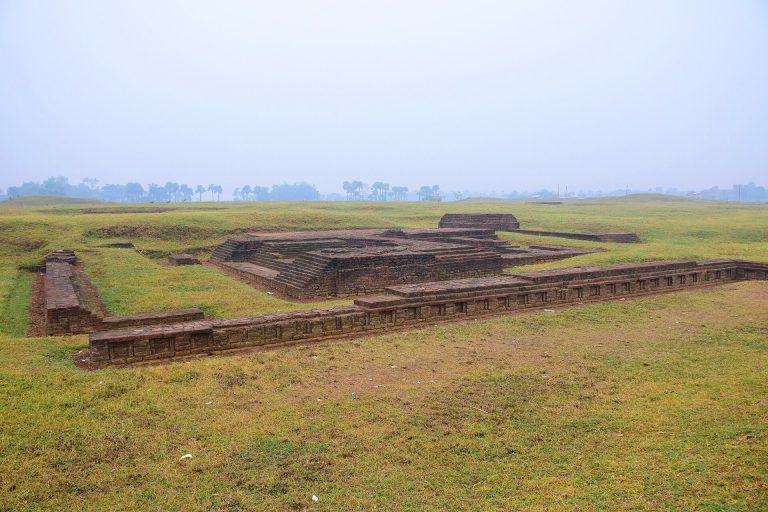
Pandu Rajar Dhibi: A Chalcolithic Settlement in West Bengal
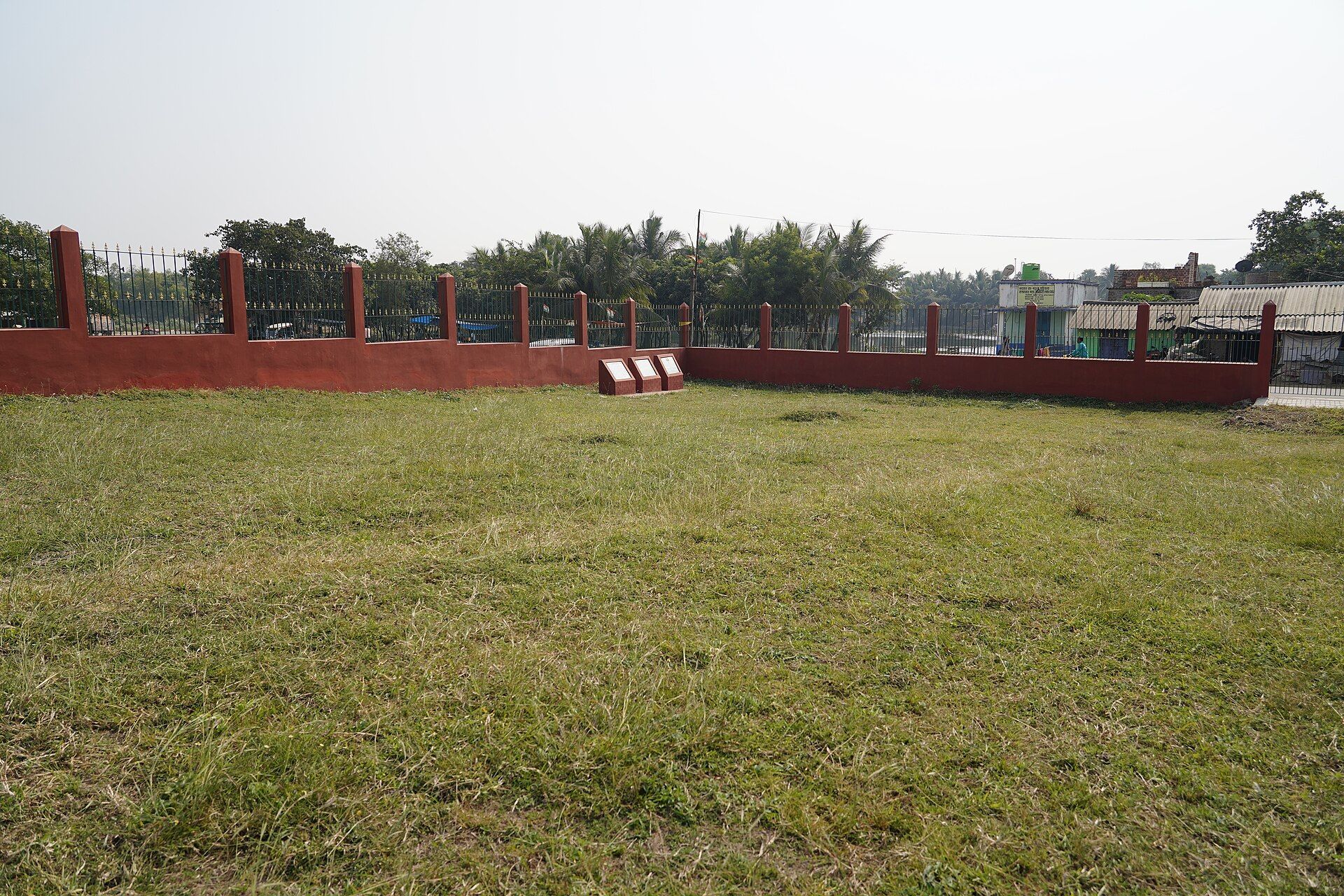
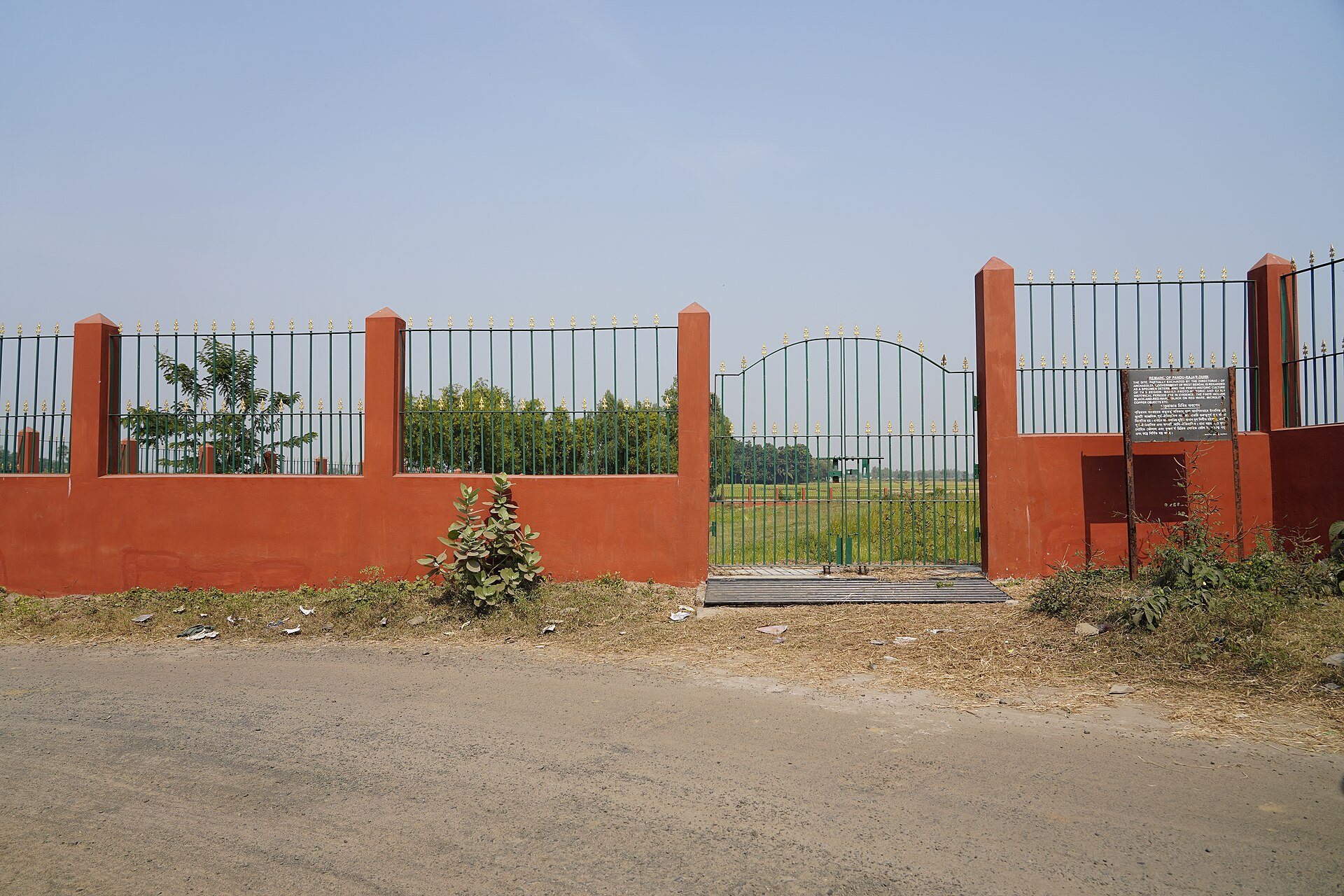
Site at a Glance
- Rating
- 4.2
- Popularity
- Low
- Country
- India
- Primary era
- Stone Age
- Eras represented
- Stone Age, Iron Age, Classical, Medieval
- Civilizations
- Unclassified
- Site type
- City
On this page14 sections
History
Pandu Rajar Dhibi is an archaeological settlement at Panduk in West Bengal, India, associated with Chalcolithic communities that occupied the site from approximately 1600 to 750 BC. The Chalcolithic period, also called the Copper Age, was a time when copper objects were used alongside stone tools. The settlement was the first Chalcolithic site discovered in West Bengal and is important for reconstructing the region’s early society, technology, economy, and cultural development.
Name and early occupation
The site’s name comes from a local tradition associating it with King Pandu, a royal figure in the Mahabharata, the major Sanskrit epic of South Asian tradition. This connection is folklore rather than an archaeologically established identification. The principal occupation developed through several Chalcolithic phases before iron-using communities became dominant.
Excavation revealed six cultural layers. The first two belong to the Chalcolithic period, while the third represents the transition from the Chalcolithic to the Iron Age, the period when iron became increasingly important for tools and weapons. The fourth layer belongs to the Iron Age, the fifth to the Early Historic period, and the sixth to the Pala or early medieval period. The Early Historic period broadly refers to the era when more extensive states, writing, and historically documented societies developed in the region. The Pala period was a major medieval ruling period in eastern India.
Transition to the Iron Age
The excavated sequence indicates a gradual development of Chalcolithic culture followed by its displacement by communities using iron. A major conflagration occurred during the transitional third phase. It may have contributed to the end of the Chalcolithic occupation and the emergence of the Iron Age, although the physical evidence does not establish a single cause for the change.
The inhabitants practiced agriculture, hunting, fishing, and animal husbandry. Rice was the principal crop, and buffalo, humped cattle, and goats were among the domesticated animals. The settlement has also been interpreted as a possible trading town whose economy combined farming with exchange. Proposed connections extend beyond other parts of India to Crete and the Mediterranean, but the evidence for extensive maritime trade remains insufficient. The Ajay and its tributaries were probably navigable and connected with the Bhagirathi.
Excavation and interpretation
The first excavations took place between 1954 and 1957. The West Bengal Department of Archaeology later investigated the Ajay Valley, with four campaigns at Pandu Rajar Dhibi between 1962 and 1965 directed by Paresh Chandra Dasgupta. Further work was undertaken in 1985 under S. C. Mukherjee, making five campaigns between 1962 and 1985. Investigations at the mound and the associated localities of Rajpotdanga and Panduk included 53 pits ranging from four to ten metres in depth. The 1985 work clarified the six-layer cultural sequence and brought evidence for Bengal’s prehistoric development to wider attention.
Interpretations of the excavated evidence have been used to argue for a non-Aryan origin of early Bengali populations and for cultural similarities between eastern Indian Chalcolithic communities and those of central India and Rajasthan. These are anthropological and historical conclusions, not direct identifications of the settlement’s inhabitants. Examination of 14 male, female, and child skeletons found long skulls and a range from medium to tall stature. The population was described as possibly Proto-Australoid, an older anthropological classification once applied to some South Asian populations, with similarities to Santal and Shabar communities.
Remains
The mound stands on the southern bank of the Ajay River at Panduk village, rising about five metres above the surrounding ground. Excavated areas also extend to Rajpotdanga and Panduk. The settlement’s physical remains include mud-plastered domestic structures, hardened floors, fire-use areas, pottery, tools, ornaments, figurines, textile impressions, skeletal remains, and an inscribed stone slab.
Domestic settlement
Houses and construction
The houses had circular, square, and rectangular plans. Their floors were hardened with burnt earth and lime plaster, while sturdy walls or fences were made by combining reeds with mud. The walls and posts supported the roofs. Later houses show architectural improvements over earlier forms, indicating changes in domestic construction during the occupation.
Hearths and fire-use areas
Hearths and fuel-storage areas were placed in corners of the houses. Other hearths or ash pits, meaning pits containing ash and often charcoal or burnt bone, occurred among the settlement remains. Burnt bones, flint, and related fire debris indicate cooking activities that included roasting meat and fish.
Pottery and craft materials
Pottery vessels and decoration
The pre-metal phase produced handmade grey and pale-red pottery. Later wares included red, black-and-white, grey, and burnished red types, with increasing technical and decorative sophistication during the Chalcolithic period. Red vessels carried dots, dashes, parallel lines, vertical and horizontal brackets, solid triangles, chevrons, ladder patterns, chequered designs, and some wall-painting motifs.
Vessel forms included convex and concave-convex bowls, long narrow vessels with cut or flared spouts, dishes, dish stands, painted bowls on stands, tulip-shaped or inverted-helmet-shaped flowerpots, tumblers, vases, small water vessels, and storage jars. Channel-spouted bowls and dishes were sometimes painted white or cream on the interior, while storage jars also occurred in grey ware.
Tools, ornaments, and figurines
Finds include small Neolithic implements, copper beads, rings, bangles, fishhooks, cosmetic rods, and arrowheads. Sharp tools, needles, harpoons, stone and terracotta beads, a blue gemstone, an iron plate, and a fragmentary stone pebble were also recovered. Terracotta figurines were interpreted as representations of acrobats and a mother goddess.
Bone tools were made chiefly from selected bone, horn, and antler. Scrapers or blades were fashioned mainly from thin parietal, scapular, and rib bones, while some used strong, straight long bones. These tools were repeatedly sharpened, and metal implements were used in sharpening some of them. Clay lumps preserved impressions of silk-cotton fabric, providing evidence for textile production or use.
Human remains and inscription
Skeletal remains
The excavations recovered the remains of 14 men, women, and children. Their study supplied the physical-anthropological observations concerning skull form and stature used in interpretations of the settlement’s population.
Inscribed stone slab
A rounded stone slab associated with the excavated site came to public attention on 29 November 1963. Its inscription has been considered potentially readable through the Kola language, but that interpretation is uncertain. Proposed links with ancient Phoenician and Greek writing traditions of the Mediterranean are likewise unresolved.