Kathgola Palace: A Dugar Family Palace and Museum in India
Site at a Glance
- Rating
- 4.5
- Popularity
- Low
- Country
- India
- Primary era
- Modern
- Eras represented
- Modern
- Civilizations
- Unclassified
- Site type
- Domestic
- Remains
- Elite Residence
On this page8 sections
History
Marwari Jain prosperity in Murshidabad
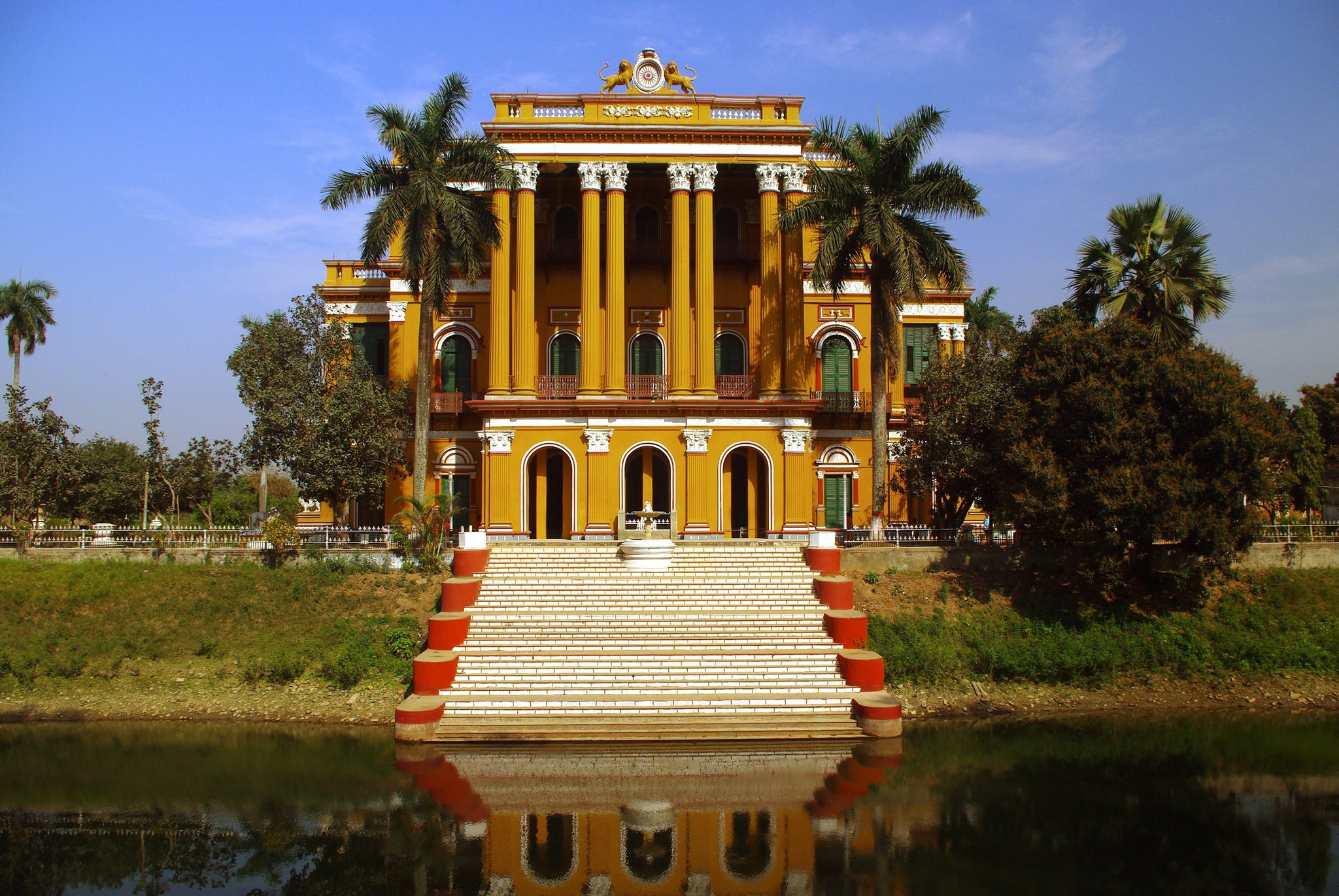
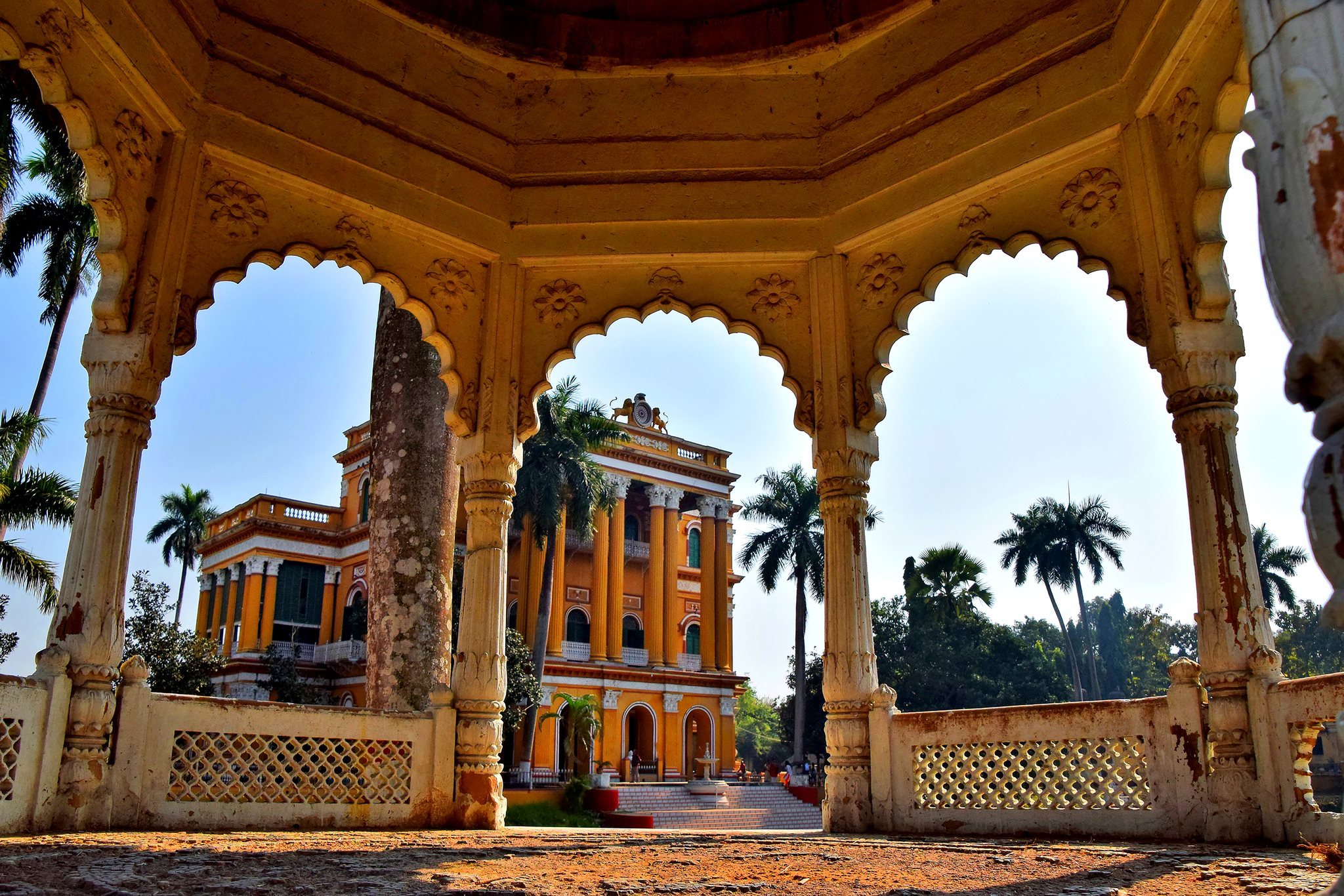
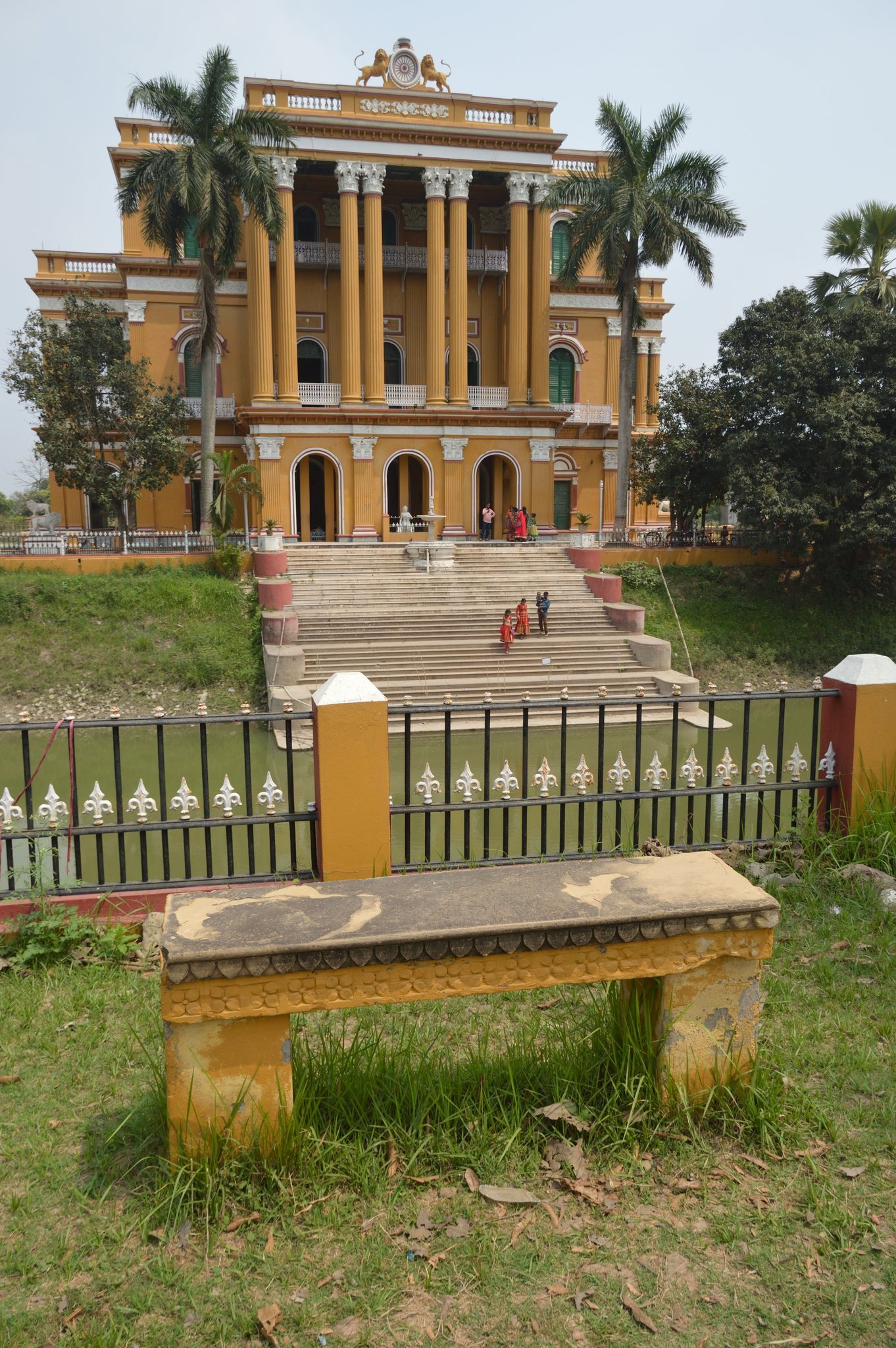
Kathgola Palace is a nineteenth-century palace-and-garden complex in Murshidabad, India, built in 1873 by Dhanpat Singh Dugar and Lakshmipat Singh Dugar. It was created for the Dugar family and now houses a museum. The palace belongs to the period when Murshidabad’s trade and banking opportunities attracted many Marwari Jains, Jain trading communities historically associated with the Marwar region of northwestern India.
During the region’s prosperity, Azimganj and Jiaganj became centres of the Marwari Jain community. Wealthy families built Jain temples and palatial residences there, including the Dugar family’s buildings and religious foundations. As British power grew, the Dugars moved much of their base to Kolkata, while the palaces and temples they had established remained in the region.
Name and later use
The site was originally known as Kath Golap Garden because wood roses, locally called kath golap, grew there abundantly. The name later became Kathgola. Part of the palace was renovated with the involvement of a French architect and a Bengali architect. The complex was subsequently converted into a museum.
Remains
Palace-and-garden complex
Palace interiors and decoration
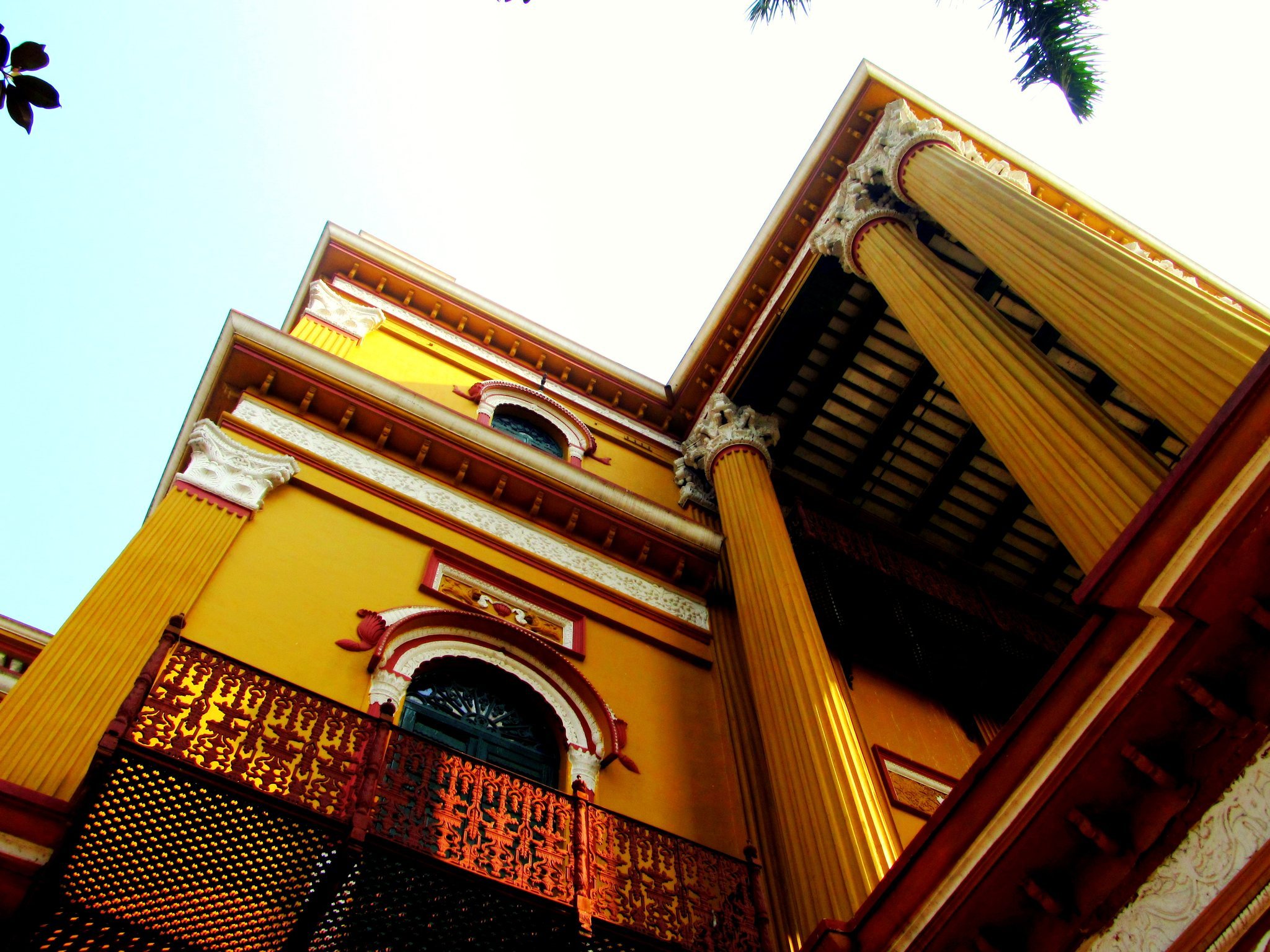
Kathgola Palace forms the principal part of a palace-and-garden complex. Its decorative features include Victorian lions, statues described as Michelangelo statues, chandeliers, mirrors, and furniture. The Victorian period, associated with the reign of Queen Victoria from 1837 to 1901, influenced nineteenth-century decorative styles, while Michelangelo was an Italian Renaissance artist whose work became an enduring reference in European art and architecture. The complex formerly contained a zoo.
Jain and Hindu temples
The complex contains an Adinath temple as well as several Jain and Hindu temples. Adinath, also called Rishabhanatha, is regarded in Jainism as the first tirthankara, a spiritual teacher who has attained liberation and shown the path to others.
Images of the tirthankaras
Seventeen images of Jain tirthankaras form part of the complex’s religious and artistic remains. Together with the temples, they reflect the Jain associations of the Dugar family’s palace and garden.