Kaesong Walls: Defenses of the Goryeo Capital
Site at a Glance
- Country
- North Korea
- Primary era
- Medieval
- Eras represented
- Medieval
- Civilizations
- Goryeo, Silla
- Site type
- Military
- Remains
- Wall
On this page8 sections
History
The Kaesong Walls are a defensive system in Kaesong, North Korea, that enclosed the royal castle and palaces of Goryeo’s capital. Their outer walls date to the early eleventh century, while earlier fortifications and later additions reflect the system’s long development. The city, also known as Gaekyong and Songak, served as the seat of the Goryeo dynasty, which ruled from 918 to 1392.
Early fortifications and Goryeo’s foundation
Small fortifications probably existed here during the Silla period, one of the ancient Korean kingdoms. Baleochamseong, an early work later enlarged as Hwangsong, dates to around 892. In 919, Goryeo’s founder Wang Geon moved the capital to Gaekyong and made use of fortifications built under Taebong, the kingdom ruled by his former superior, Gung Ye. An early inner wall is also dated to 919. One proposed explanation for the name Kaesong connects it with gates around the walls and interprets it as “open city.”
Goryeo’s expanding defenses
Goryeo’s rulers strengthened the capital’s defenses amid conflicts with neighboring nomadic peoples and efforts to expand northward. The Khitan, founders of the Liao dynasty and a regional power in conflict with Goryeo, attacked the capital and destroyed much of it. In 1020, following a proposal by the Goryeo general Gang Gam-chan, the court began building a castle; construction lasted seven years. The outer walls date to the early eleventh century, with their construction placed between 1009 and 1029.
Late Goryeo and later recognition
Many sections of the walls were rebuilt in stone during the fourteenth century. A later inner fortress, Banwolseong, was constructed in 1391–1393, around the end of Goryeo rule. In 2013, five sections of the walls were included in the UNESCO World Heritage property Historic Monuments and Sites in Kaesong. The listing recognizes the preservation of Korean culture shaped by the combination of Buddhism and Confucianism. The walls are also listed as North Korea’s National Treasure No. 129.
Remains
Terrain and extent
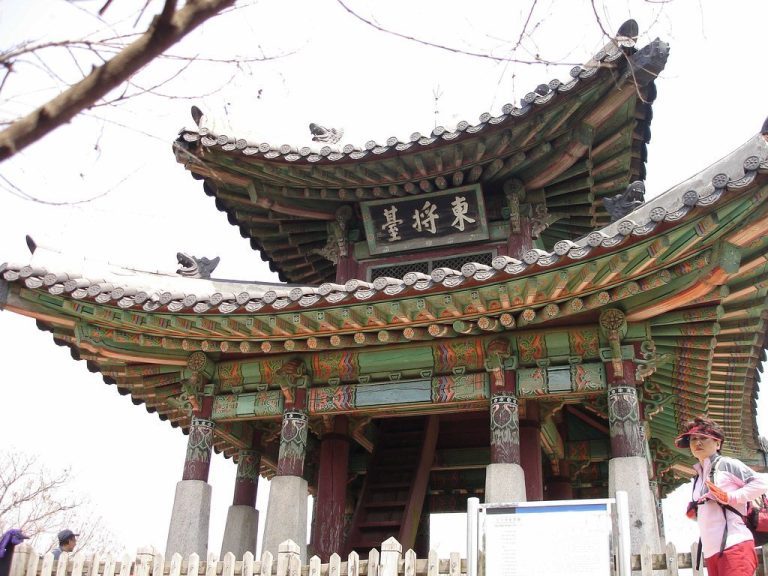
The defensive system extends for about 23 kilometres and survives in sections. Its walls follow hill crests and connect several mountain peaks around Kaesong, using the surrounding terrain as part of the defenses. The royal palaces stood on elevated ground rather than level land, within an area that formed part of an older fortress.
Fortress sections
The system includes Kungsong, the palace enclosure corresponding to Manwoldae, as well as Hwangsong, the royal fortress; Naesong, or Banwolseong, the inner fortress; and Oesong, the outer fortress, also called Rasong or Naseong. Baleochamseong and Daeheungsanseong are also part of the wider group of fortifications. Hwangsong was an enlargement of Baleochamseong.
Wall fabric and gates
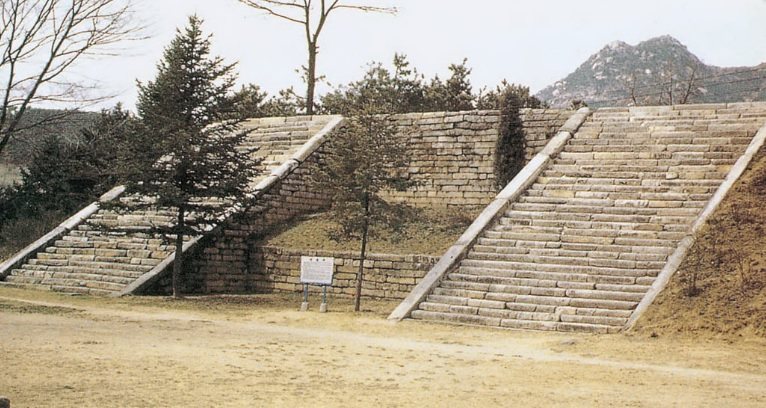
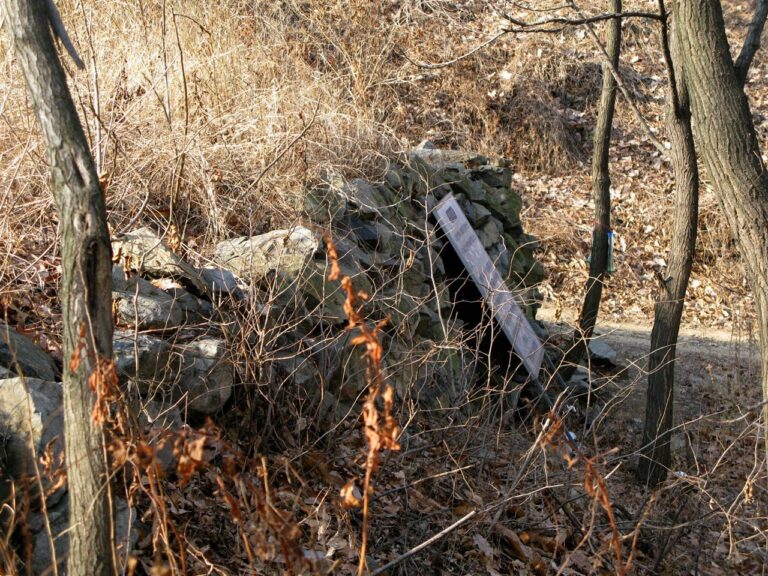
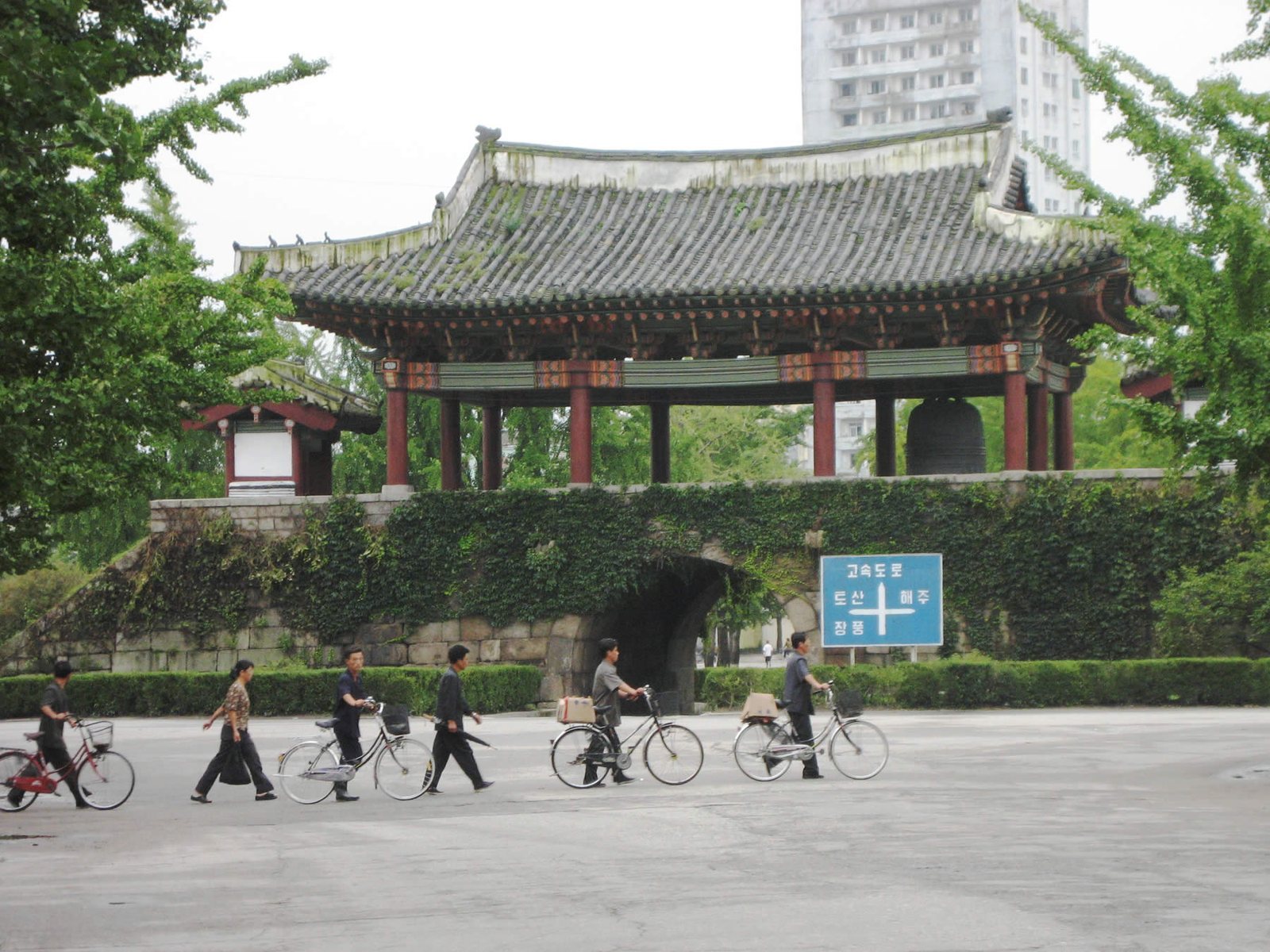
Goryeo-period walls were built from beaten earth, sometimes mixed with stones. Much of the surviving stonework remains, alongside visible earthen sections. The defenses had around twenty gates, many of which survive. The historical work Goryeosa gives the names of 25 gates.