Joyenval Abbey: A Premonstratensian Monastery in France
Site at a Glance
- Popularity
- Medium
- Country
- France
- Primary era
- Medieval
- Eras represented
- Medieval
- Civilizations
- French
- Site type
- Religious
- Remains
- Monastery
On this page5 sections
History
Joyenval Abbey was a Premonstratensian monastery in France, founded or refounded in 1221 by Barthélemy de Roye, a senior royal household officer under Philip II of France. Construction began in 1224. The abbey belonged to a Catholic order whose canons lived communally under a religious rule, and it lay in the diocese of Chartres.
Foundation and religious traditions
Barthélemy was buried at the abbey three years after its foundation, as were other members of his family. These included his nephew Nicolas de Roye, a peer of France, meaning a member of the kingdom’s highest nobility, who served as bishop and count of Noyon from 1228 to 1240. The church was dedicated to Saint Lawrence. In 1261, after relics of Saint Bartholomew were brought there, it was dedicated to him as well.
Tradition placed an earlier hermitage at Joyenval and said that Clotilde, a Frankish queen, often visited its holy hermit. The nearby Fountain of the Lilies was associated with the story that Clovis, an early Frankish king, converted to Christianity there. The abbots also claimed that the Oriflamme, the French royal banner said to have been given to Charlemagne by Pope Leo III, had once been kept in the adjoining Montjoye fortress before its transfer to Saint-Denis. The name Montjoie was explained either as a hill used to watch over the territory or as a place dedicated to Jupiter, the chief god of ancient Roman religion.
Property, royal protection, and conflict
In 1239, Jehan de Montjoie, a squire, gave the abbey the fief of Montesson, land held under obligations to a superior. The estate later passed to the priory of Conflans-Sainte-Honorine, which sold it in 1564 to the Le Pileur-Portal family. A Jewish community of moneylenders had also settled at Joyenval. After the expulsion of Jews in 1306, its members’ property was sold or given away. In 1313, Philip IV, known as Philip the Fair, gave the abbey an oven in a house that had contained Jewish schools.
In 1328, Philip VI of the Valois dynasty placed the abbey under royal protection. On 13 August 1346, English forces led by Edward III set fire to it during the Hundred Years’ War, a prolonged series of conflicts between England and France.
Later history and destruction
The canons owned a town house in Paris on a street first named Rue aux Moines de Joienval. Later altered forms of the street name included Rue aux Moines-de-Jenvau and Rue à Moingnes de Jenvau. The house was replaced by a salt warehouse in 1698, and the street is now Rue des Orfèvres.
After the death of abbot Georges d’Aubusson de La Feuillade in 1697, the abbey may have become a priory. It was destroyed during the French Revolution, the political upheaval that began in 1789, in the 1790s. The remains of its church were registered as a French historic monument on 24 October 1989.
Remains
The abbey stood in a valley below the keep of Montjoye fortress, with the fortress walls adjoining the monastery. Its wooded setting was near the Fountain of the Lilies.
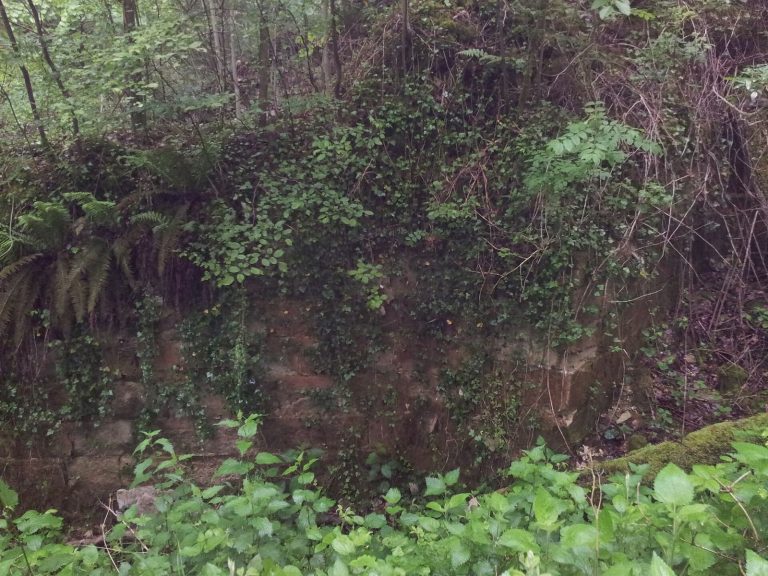
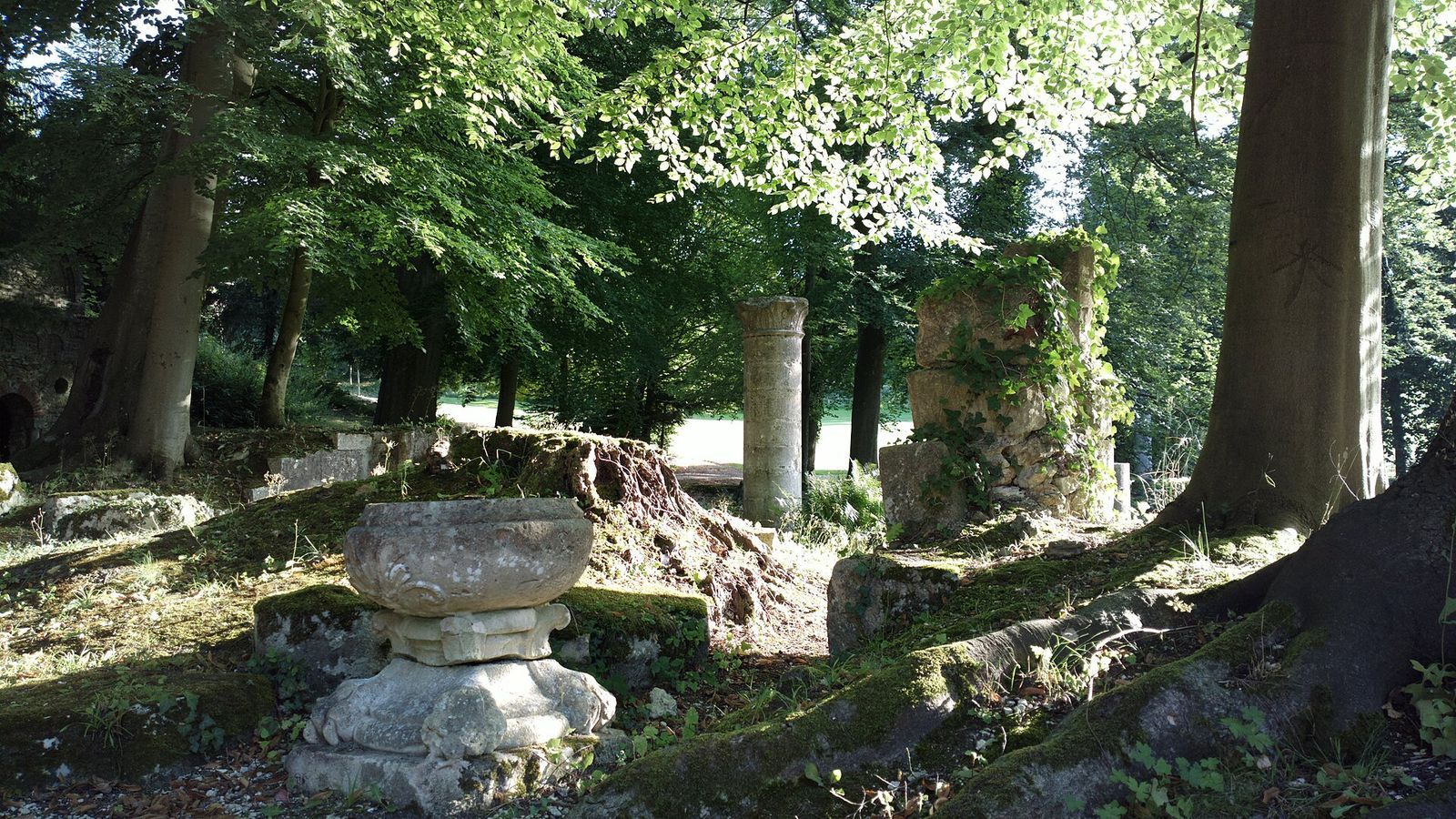
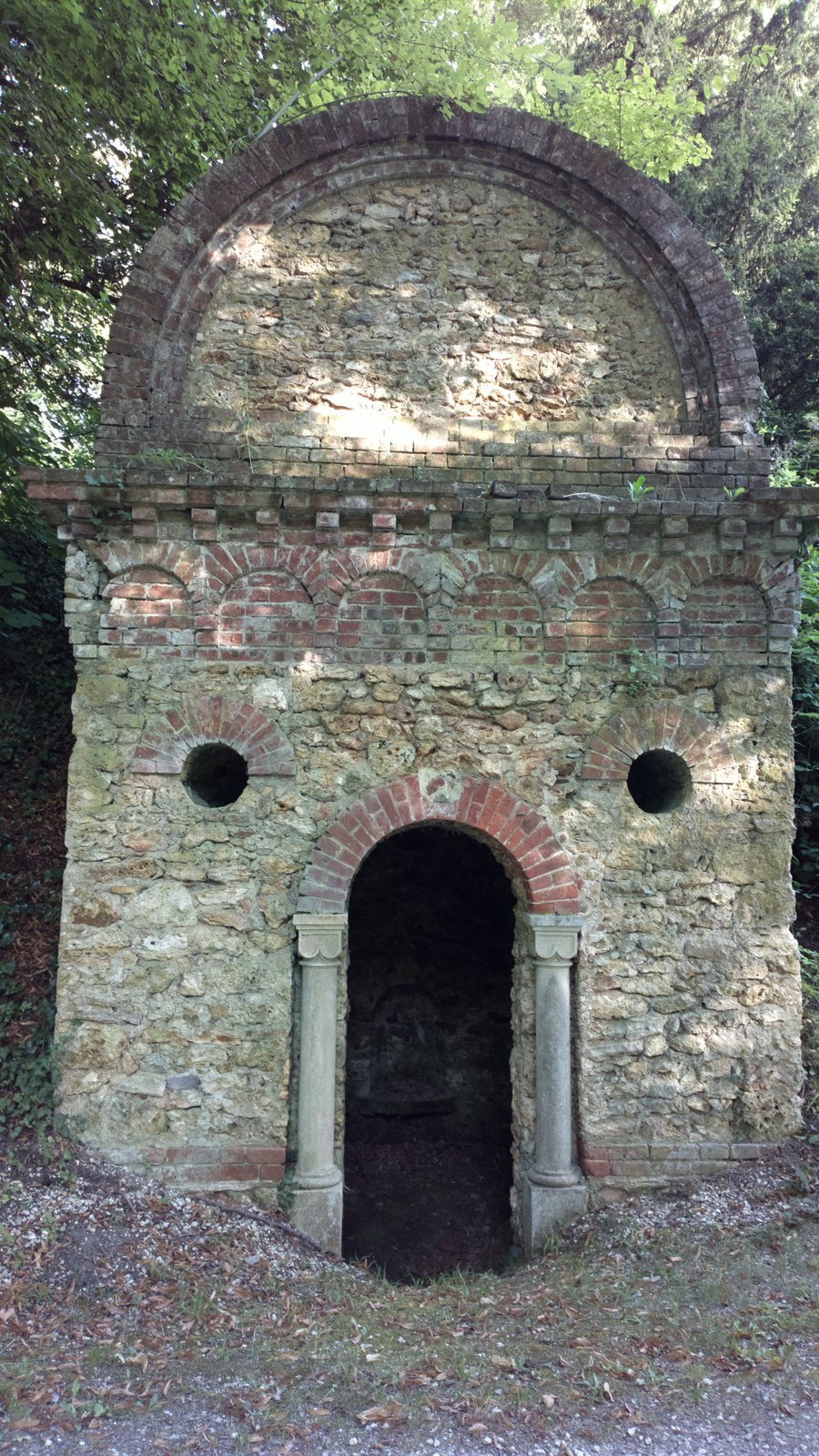
A few traces of the abbey church survive and are visible on the Joyenval golf course.