St Mary de Crypt Church: A Medieval Anglican Church in Gloucester
Site at a Glance
- Rating
- 4.8
- Popularity
- Medium
- Country
- United Kingdom
- Primary era
- Medieval
- Eras represented
- Medieval, Early Modern
- Civilizations
- English
- Site type
- Religious
- Remains
- Church
On this page10 sections
History
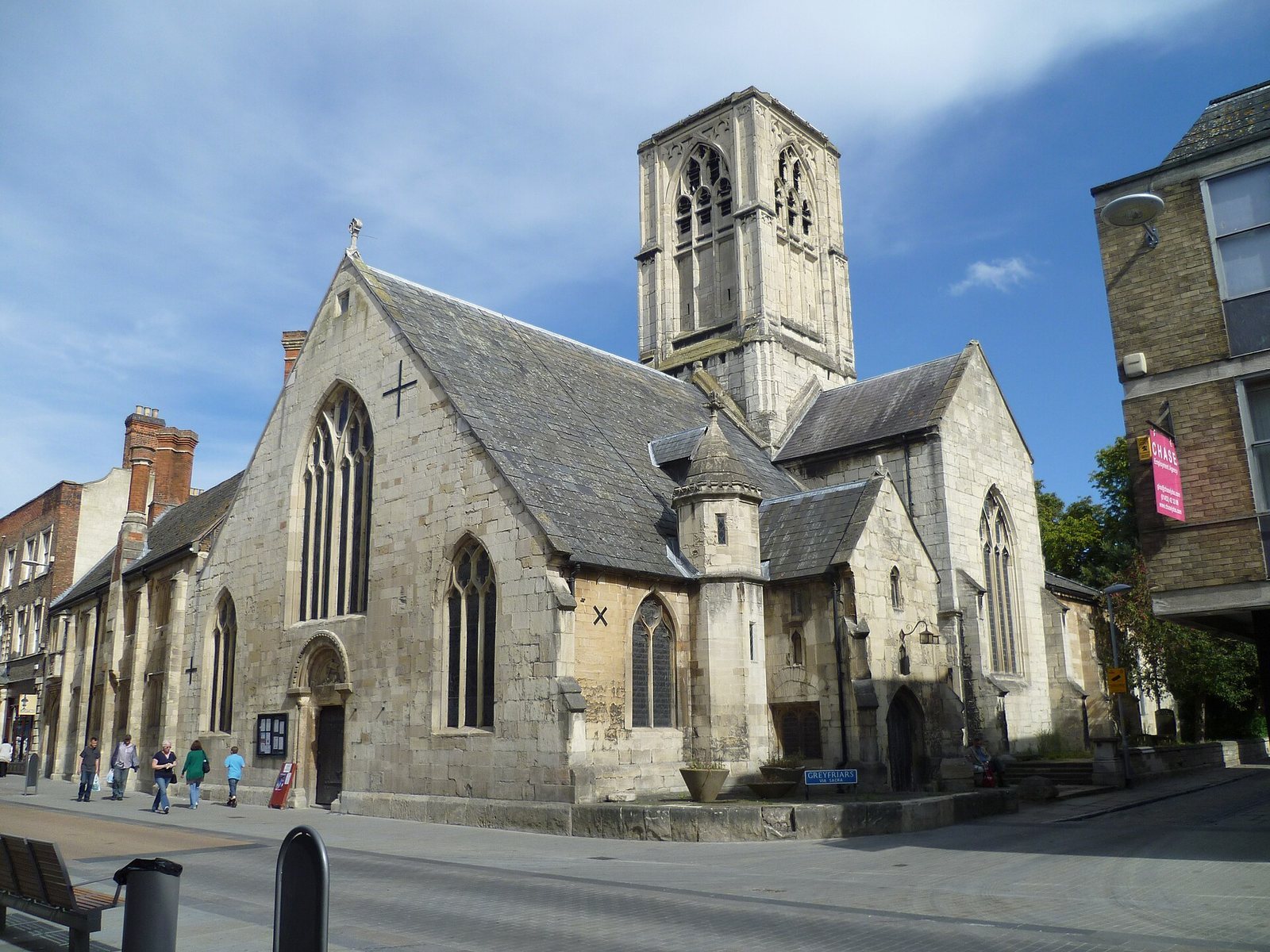
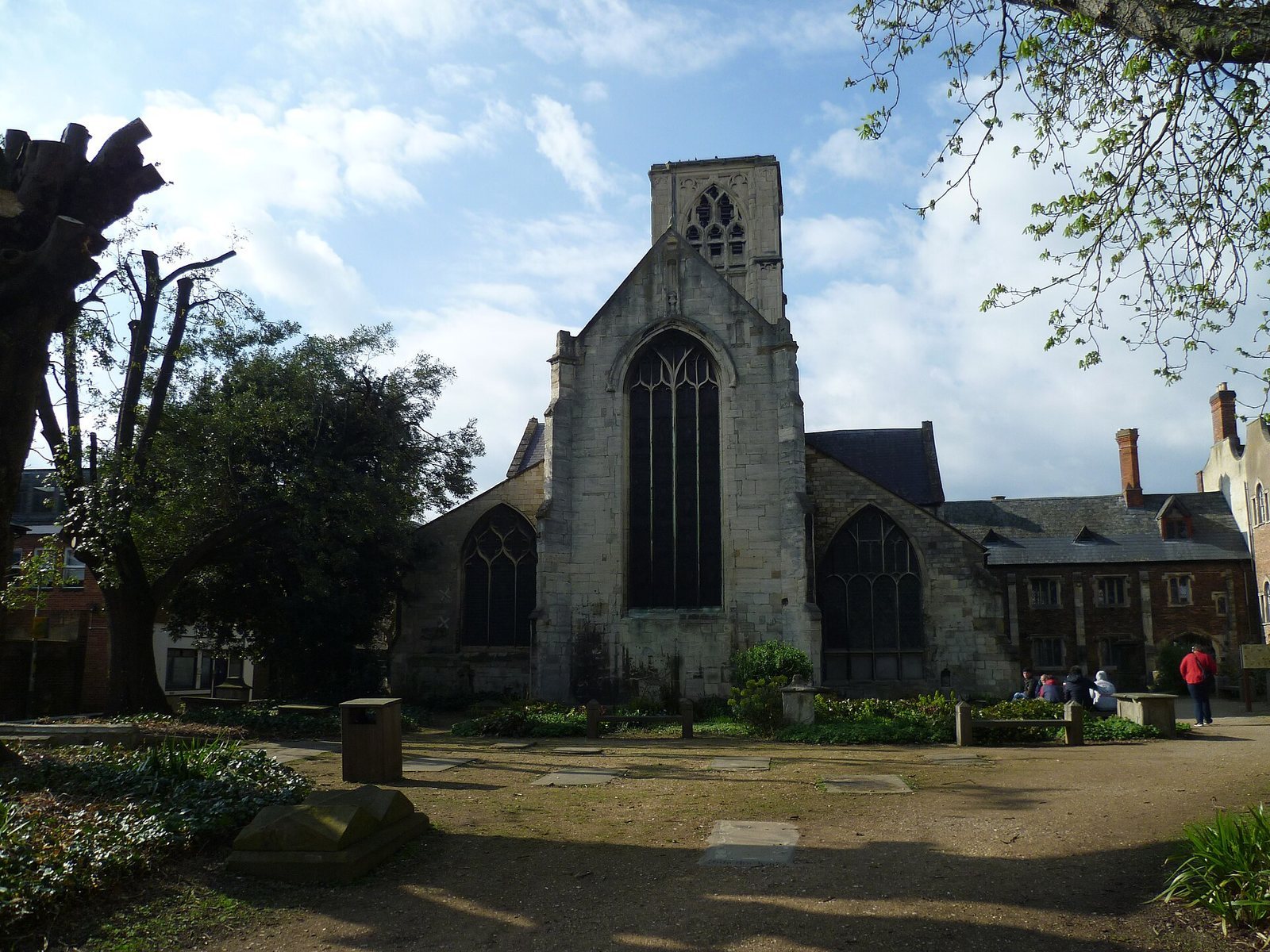
St Mary de Crypt Church is an Anglican church on Southgate Street in Gloucester, United Kingdom, built in the 12th century. It was first recorded in 1140 as the Church of the Blessed Mary within Southgate, and has also been called Christ Church and St Mary in the South. The church belongs to the Anglican Christian tradition and the Diocese of Gloucester, its regional church district. It is a Grade I listed building, the highest listing grade in England, reserved for buildings of exceptional interest.
Medieval origins and the Crypt School
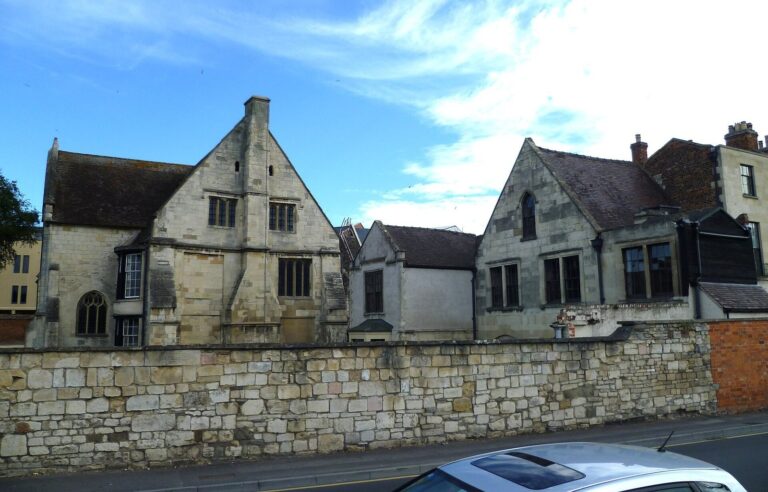
In 1539, Joan Cooke founded the Crypt School beside the church using money inherited from her husband, John Cooke. Joan and John were buried in the church.
Civil War and notable parishioners
During the First English Civil War, a conflict between supporters of Parliament and the king, Gloucester endured a siege in 1643. St Mary de Crypt was used as an ammunition factory and store during the siege. In 1736, George Whitefield delivered his first sermon there. Whitefield was an Anglican preacher and an early leader of Methodism, an evangelical Protestant movement that developed in 18th-century Britain.
Robert Raikes was baptized at the church in 1736 and buried beneath the South Chapel in 1811. A publisher and philanthropist, he was associated with the beginnings of the Sunday-school movement. Jemmy Wood, a Gloucester banker known as the Gloucester Miser, was buried at the church in 1836.
Parish changes and restoration
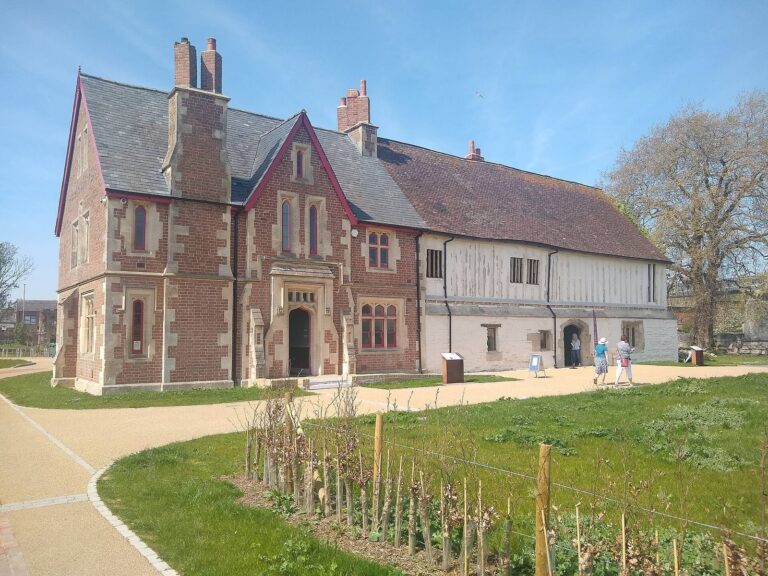
In 1952, the parish joined that of the former St Michael’s Church. After a period of disrepair and disuse, the church and Crypt schoolroom reopened in 2019 following a two-year restoration. They returned to worship and also took on creative, community, and events uses. Church registers covering 1653 to 1906 are held at the Gloucestershire Record Office.
Remains
Church fabric and interior
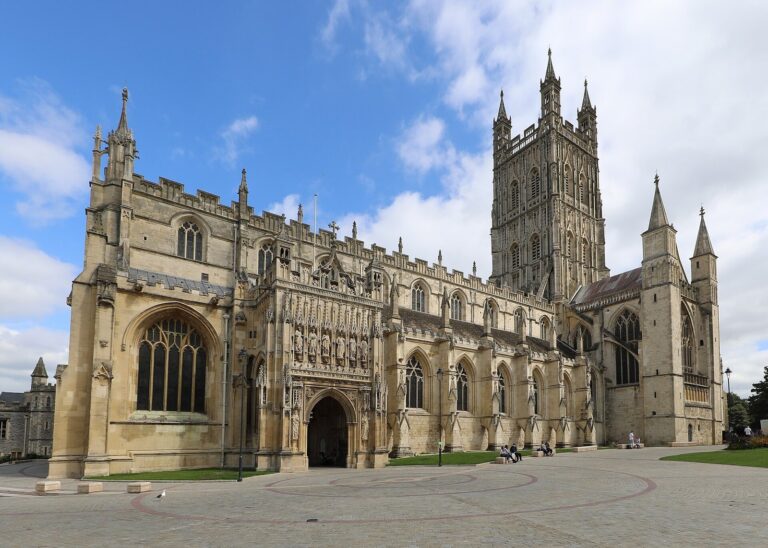
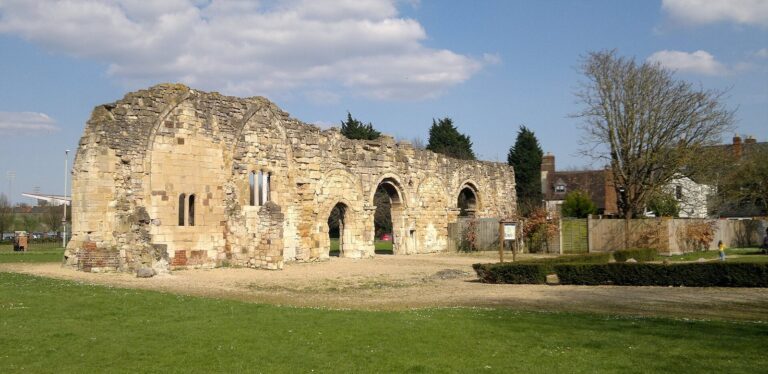
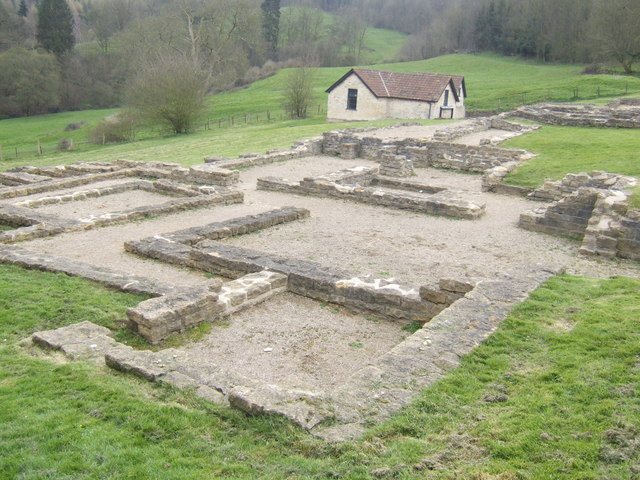
The church stands on Southgate Street beside the ruins of Greyfriars, a Franciscan religious house. Its surviving fabric includes Norman work, an English form of Romanesque architecture that developed after the Norman Conquest. A major rebuilding and extension in the late 14th century incorporated earlier work from the 12th and 13th centuries, with further changes in the 15th and 16th centuries.
West doorway
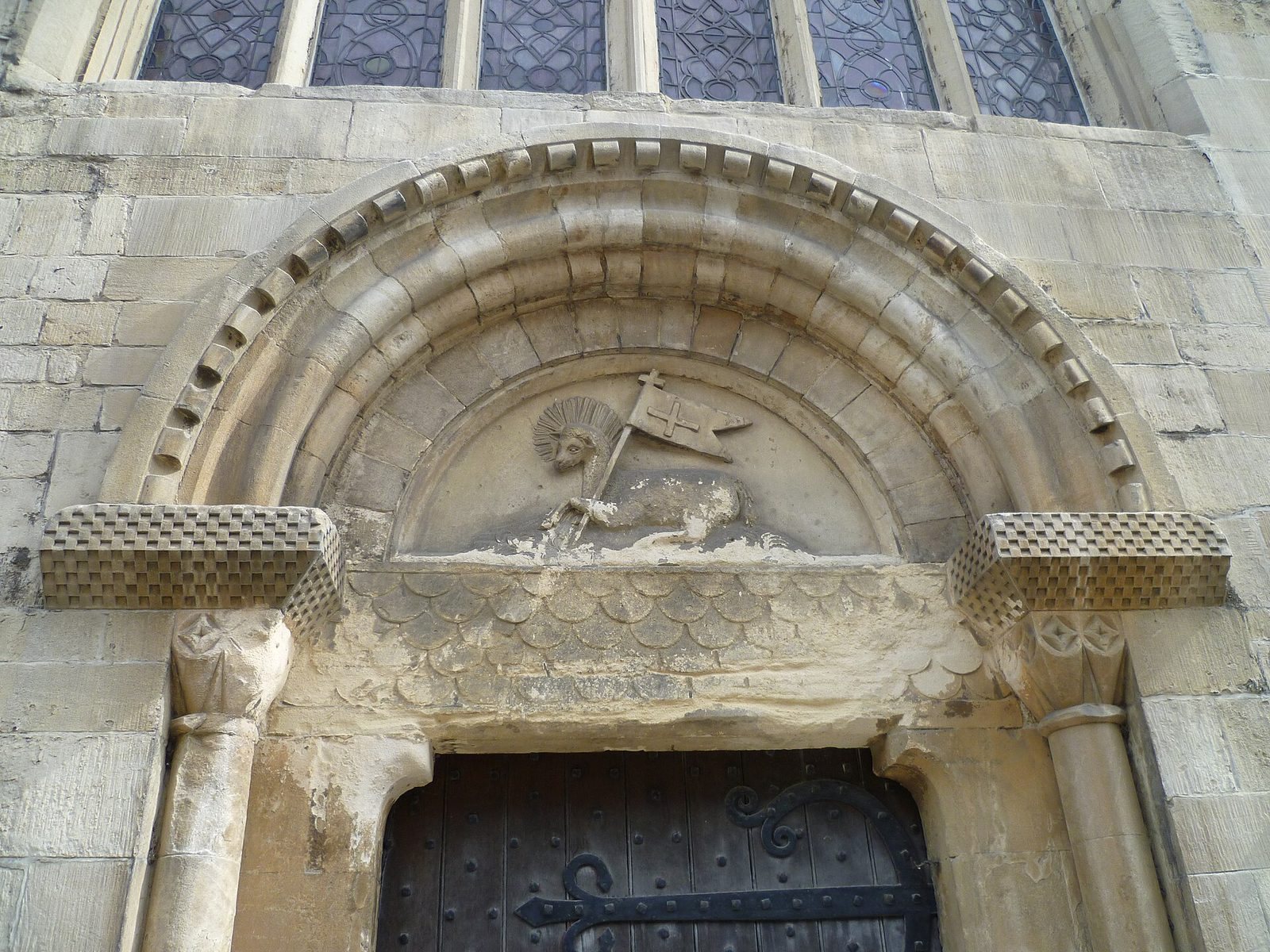
Above the west door, which opens onto Southgate Street, a well-preserved carved tympanum, the decorated surface over a doorway, depicts the Lamb of God carrying a banner. The image is a symbol of the Resurrection based on the Book of Revelation, the final book of the Christian New Testament.
Nave, crypt, and pulpit
The 15th-century nave, the church’s main body, contains the crypt at its western end. A 17th-century pulpit, a raised place for delivering sermons, is in the Renaissance style.
North transept brasses
Brass memorials to Joan and John Cooke are located in the north transept, the crosswise section of the church.
Crypt schoolroom
The Crypt schoolroom survives beside the church, although the school has since moved to larger premises.