Jilemnice Castle: A Neo-Renaissance Castle in Czechia
Site at a Glance
- Rating
- 4.6
- Popularity
- Low
- Country
- Czechia
- Primary era
- Modern
- External website
- Open
- Eras represented
- Early Modern, Modern
- Civilizations
- Austria-Hungary, Habsburg, Holy Roman Empire, Kingdom of Bohemia
- Site type
- Domestic
- Remains
- Castle
On this page12 sections
History
Jilemnice Castle is a historic castle in Jilemnice, Czechia, whose present neo-Renaissance form occupies the site of a fortress known by the fourteenth century and first mentioned in 1492. The castle developed through successive noble ownership, rebuilding, and changes to its surrounding park.
Fortress and Renaissance castle
A fortress probably stood on the site by the fourteenth century and was likely built by the Valdštejn family. In the sixteenth century, the Křinečtí of Ronov or the lords of Újezdec probably commissioned a Renaissance castle. Contemporary records used both “fortress” and “castle,” so the exact date and character of this phase remain uncertain. The earlier fortress may have survived and been enlarged by an additional building, but later alterations erased the evidence needed to reconstruct its original appearance.
The property passed through the hands of the Valdštejns, the Křinečtí of Ronov, the lords of Újezdec, the Harant family of Polžice and Bezdružice, and finally the Harrachs. The Harrachs, a prominent Bohemian noble family, purchased the castle in 1701. In 1716 they rebuilt it and demolished parts of the earlier complex.
The Harrach period
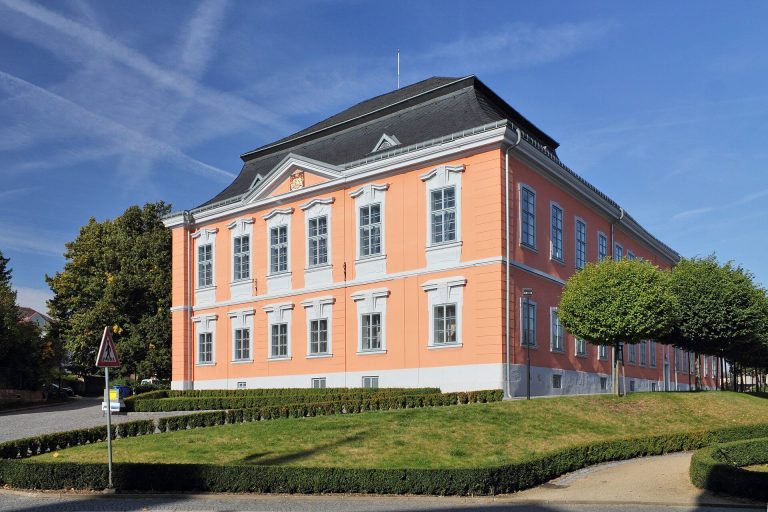
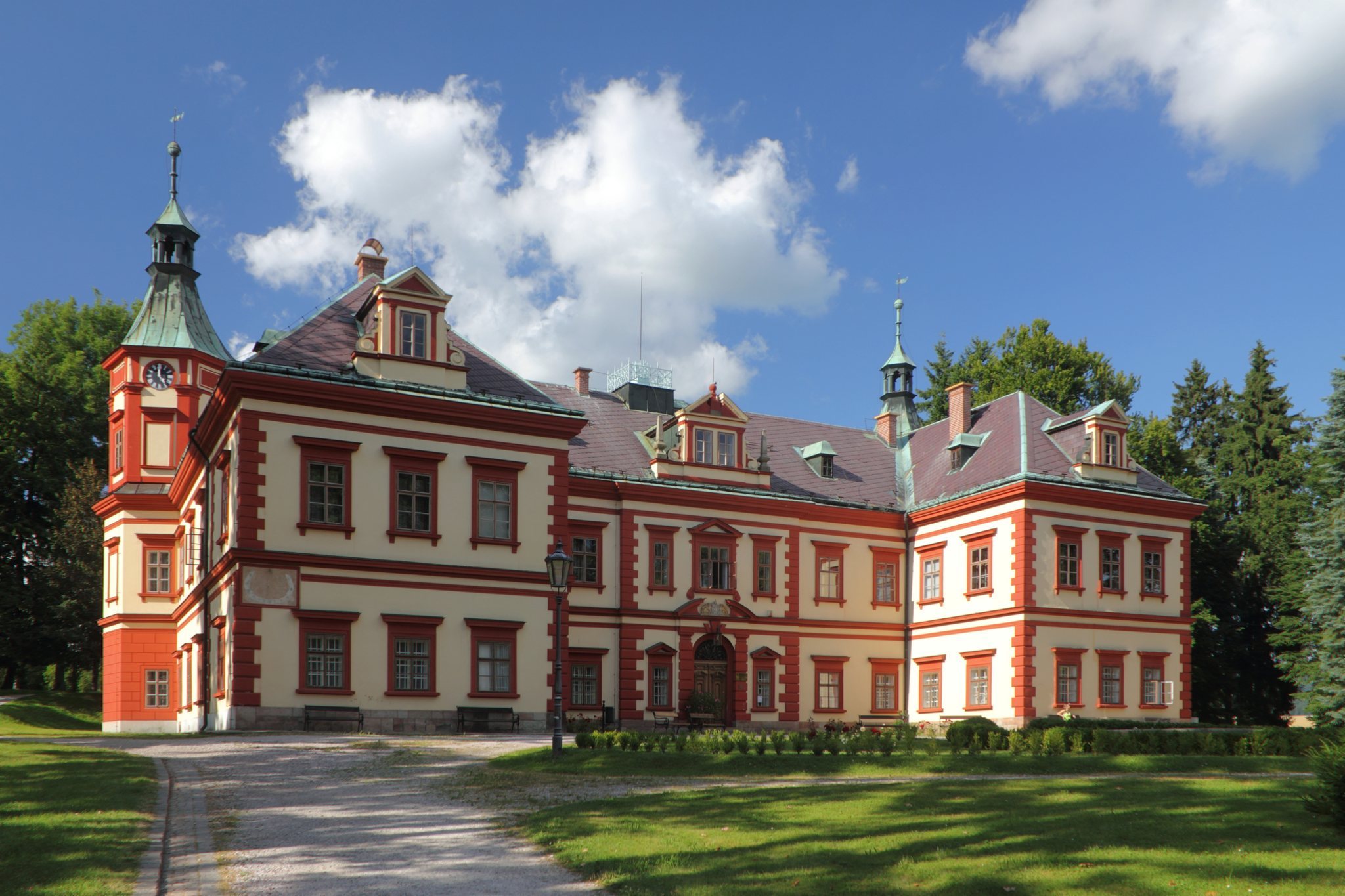
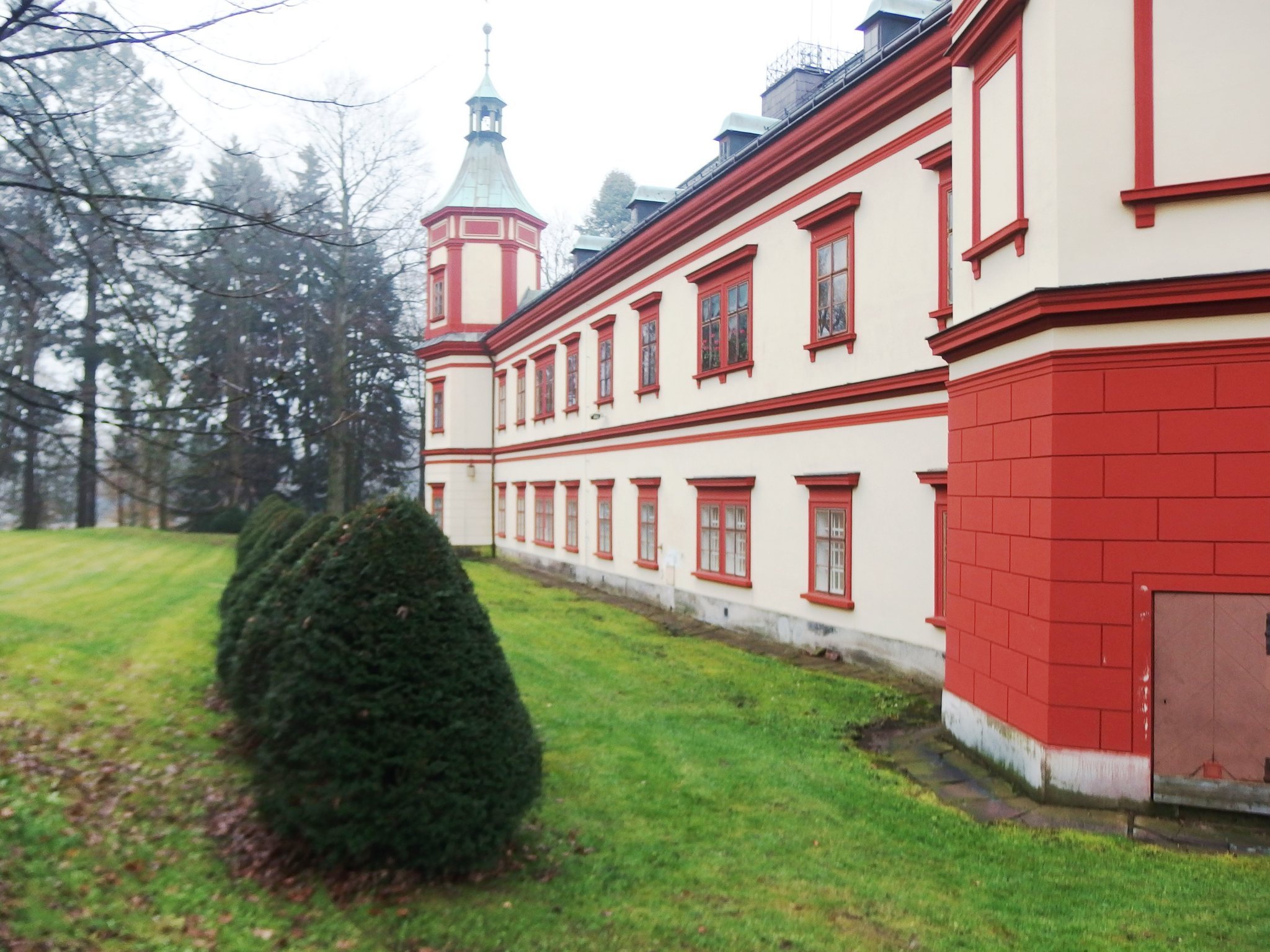
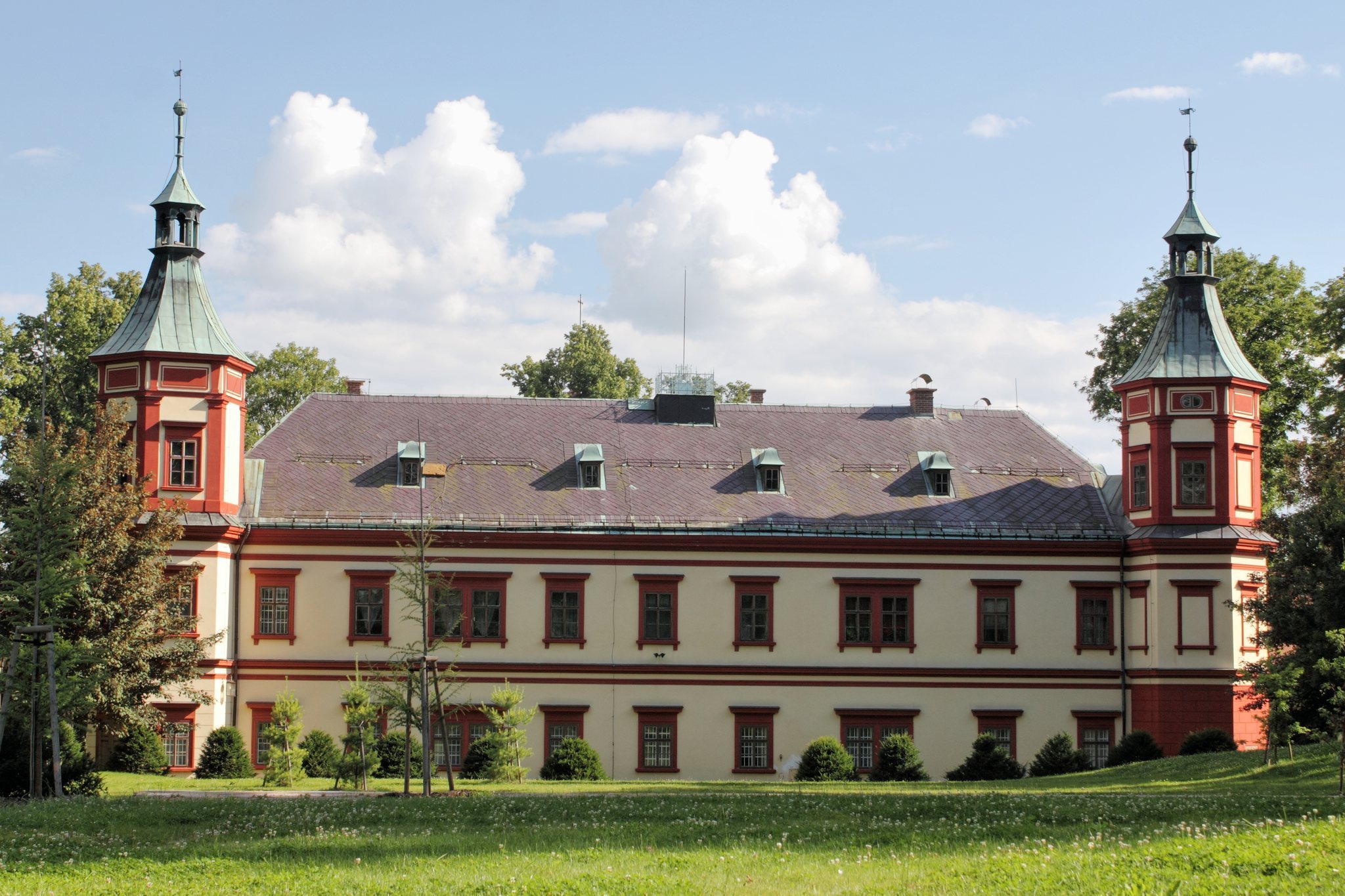
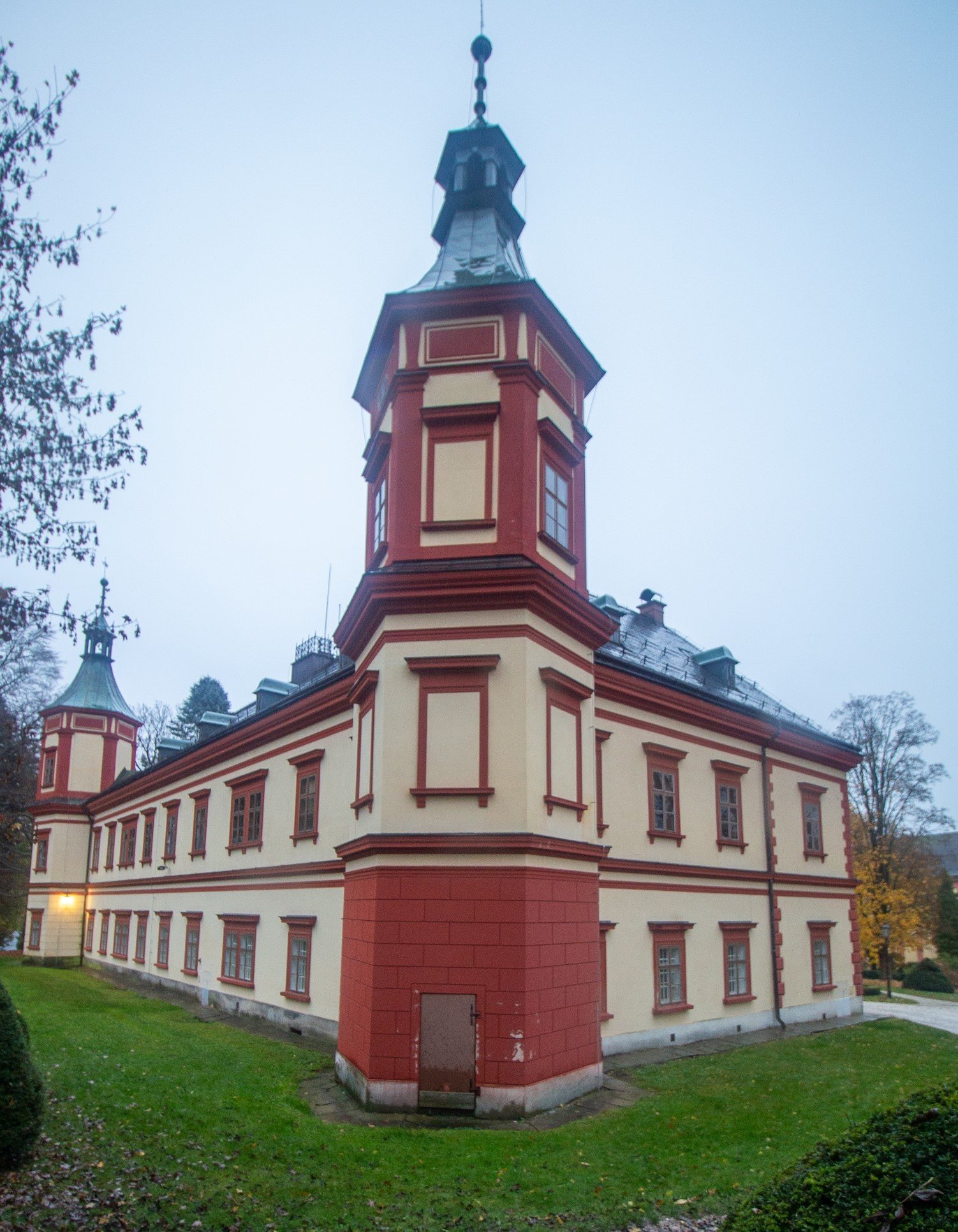
The castle did not serve as the Harrach family’s residence for the estate. Jan Nepomuk Harrach nevertheless initiated a major rebuilding in 1892–1895. The architect Josef Pošepný prepared the designs, and the work gave the building its present neo-Renaissance character, using forms inspired by Renaissance architecture through nineteenth-century construction and design.
A chapel dedicated to Saint Elizabeth stood near the castle from approximately the period of the sixteenth-century castle. A cemetery beside it was later abolished during the religious and institutional reforms of Joseph II, the Habsburg emperor whose late-eighteenth-century measures affected religious foundations and cemeteries. A fire destroyed the chapel in 1788, and it was not rebuilt.
Park development and modern use
The castle park developed from the sixteenth century onward. In the mid-seventeenth century, Kryštof Bohumír Harant arranged an expensive expansion, adding varied plants, shrubs, and trees as well as two elaborate fountains. After the Harrachs acquired the castle, the ornamental park was reduced, and about sixty-five years later its previously described structures were no longer present.
After the Second World War, the Harrach property was confiscated under the Beneš Decrees, postwar Czechoslovak presidential decrees that enabled the seizure of property from groups and individuals defined by the state as connected with enemy powers. The castle passed into state ownership. A detailed inventory made in 1945 preserves evidence of the furnishings in the count’s apartment. The Krkonoše Museum has occupied the castle since 1953. The building is protected as a cultural monument.
The park suffered neglect after 1945, and the construction of a natural amphitheatre damaged a number of older trees. Reconstruction in the 1970s repaired paths, maintained vegetation, and remedied part of the amphitheatre’s surroundings. Care was renewed during the 1990s, after which the park developed as a place for rest and recreation.
Remains
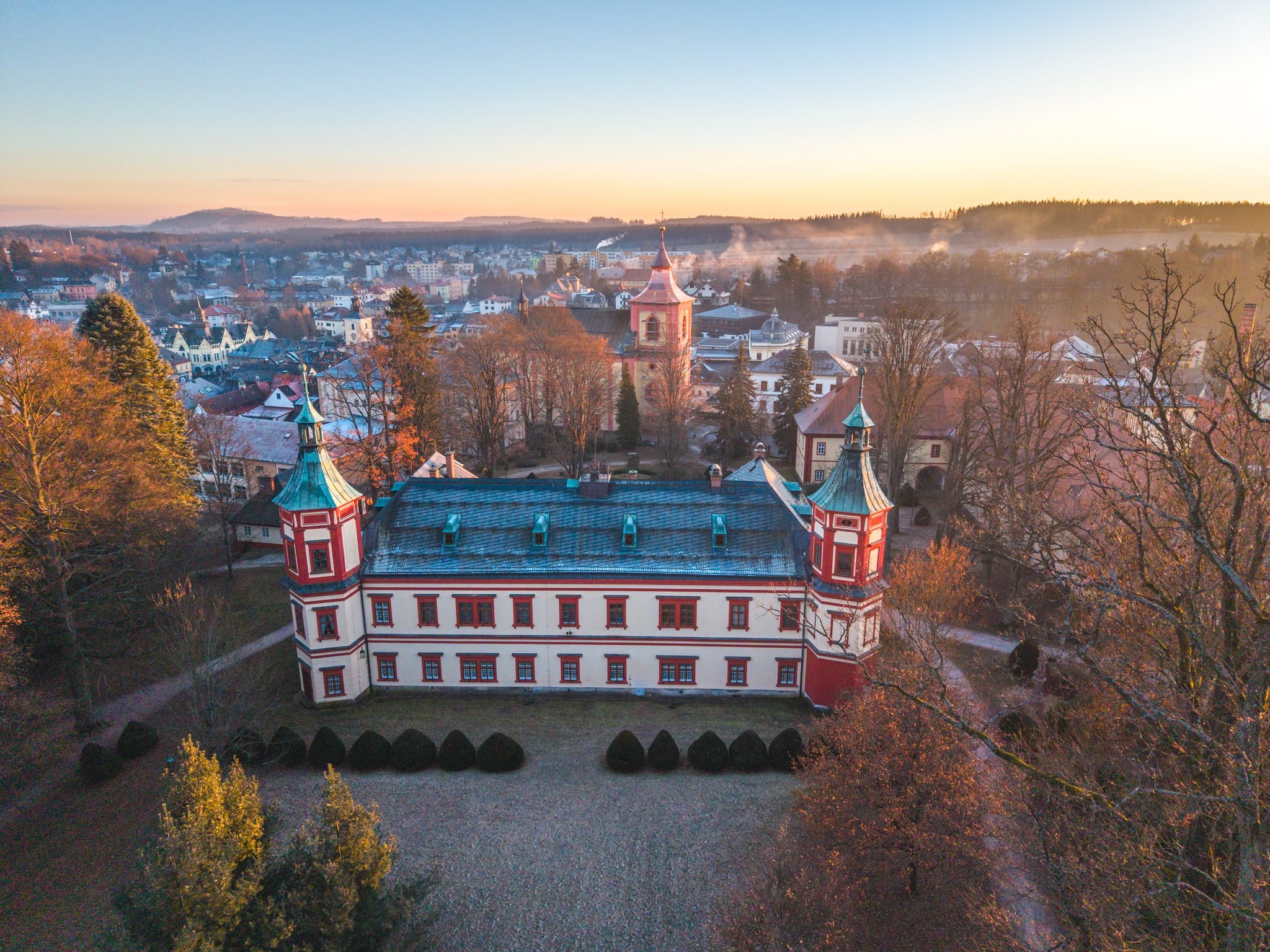
Jilemnice Castle stands near the centre of Jilemnice on Kostelní Street, while its park extends alongside Valdštejnská Street. The present neo-Renaissance building occupies the site of the earlier fortress and Renaissance castle. Repeated rebuilding, particularly the work of 1716 and the transformation of 1892–1895, shaped the surviving complex and removed parts of its earlier fabric.
Castle and chapel site
Castle building
The castle’s current appearance derives from the late-nineteenth-century rebuilding designed by Josef Pošepný. That work gave the building its neo-Renaissance form, while the 1716 reconstruction removed portions of the preceding complex. The building remains in use by the Krkonoše Museum, and the 1945 inventory provides a systematic record of furnishings once held in the count’s apartment.
Former Saint Elizabeth Chapel
The former chapel of Saint Elizabeth stood near the castle and was destroyed by fire in 1788. A gardener’s cottage was later built on its site, preserving the location as part of the changing arrangement around the castle.
Park features and layout
Entrance and ornamental gardens
In 1688, the park was entered through a gate containing two rooms and three small chambers. The gate later disappeared, and its form and exact position are unknown. By the later seventeenth century, the grounds included a walled ornamental garden, shaped boxwood hedges, two summerhouses, a game room, a wooden partridge house, a sundial, a gardener’s cottage, and fruit and vegetable gardens. These gardens probably occupied areas later used by the former nursery, the grammar school, and an adjoining part of the park.
Park structures and monument
By the end of the nineteenth century, the park covered about one hectare. Buildings in front of the castle, including a cooperage and an icehouse, were demolished during the 1890s. A monument to František Pošepný now marks the site of the former manor cooperage, where he was born. The sculptor Bohumil Kafka created the monument.
Later park alterations
The park’s later physical form reflects the construction of a natural amphitheatre, the loss of numerous older trees, repairs to its paths, and partial rehabilitation of the amphitheatre’s surroundings. Vegetation has subsequently been maintained as the grounds developed for rest and recreation.