Jebel Buhais: A Burial Ground Spanning Millennia in the United Arab Emirates
Site at a Glance
- Popularity
- Medium
- Country
- United Arab Emirates
- Primary era
- Stone Age
- Eras represented
- Stone Age, Bronze Age, Iron Age, Classical
- Civilizations
- Unclassified
- Site type
- Burial
- Remains
- Necropolis
On this page18 sections
History
Jebel Buhais is a burial ground in the United Arab Emirates whose earliest graves date to about 4780–4610 BCE, as estimated by measuring radioactive carbon in once-living material. Used for more than 7,000 years, it is the oldest inland burial site in the UAE dated by this method.
Neolithic burials and changing settlement
The earliest burials belong to the Neolithic, the later part of the Stone Age, commonly associated with farming and settled life. Graves at BHS 18 are dated broadly to about 5000–4000 BCE and are thought to have belonged to nomadic herders who moved inland during winter.
A spring at Jebel Buhais dried up around the time that evidence points to increasing aridity in the interior of Oman. The wider interval from about 4000–3200 BCE, when evidence for inland settlement is sparse, is known as the Dark Millennium. Changing settlement patterns and climate have been linked to this period.
Bronze Age burials and regional connections
Burials continued during the Hafit period, about 3200–2600 BCE, and the later Wadi Suq period, which includes the grave BHS 8. Hafit and Wadi Suq are names for successive archaeological cultures of Bronze Age southeastern Arabia. Some later burials were placed within older graves. The cemetery also contains burials from the Hellenistic period, which followed Alexander the Great’s conquests and saw Greek culture spread across the eastern Mediterranean and western Asia.
Pottery associated with Jemdet Nasr and Early Dynastic I and II, early phases of Mesopotamian history, together with ancient cuneiform texts, indicates trade between Mesopotamia and Magan. Cuneiform is a writing system made with wedge-shaped signs. Sumerian texts used the name Magan for a region associated with the present-day UAE and the Oman Peninsula.
The elaborate graves point to social distinctions and beliefs about life after death. They served to honor and protect the dead, while offerings and grave goods were intended to accompany them into the afterlife.
Iron Age and later use
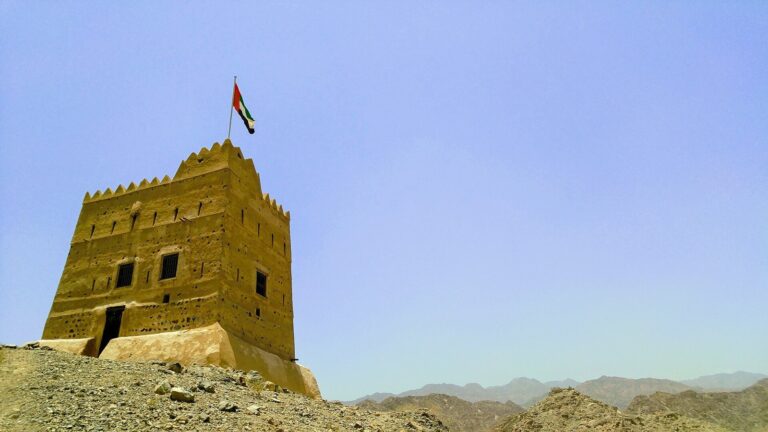
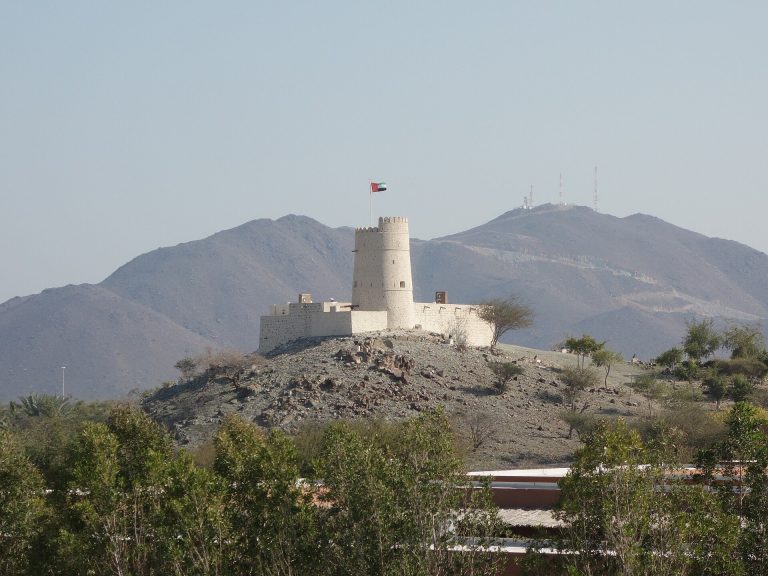
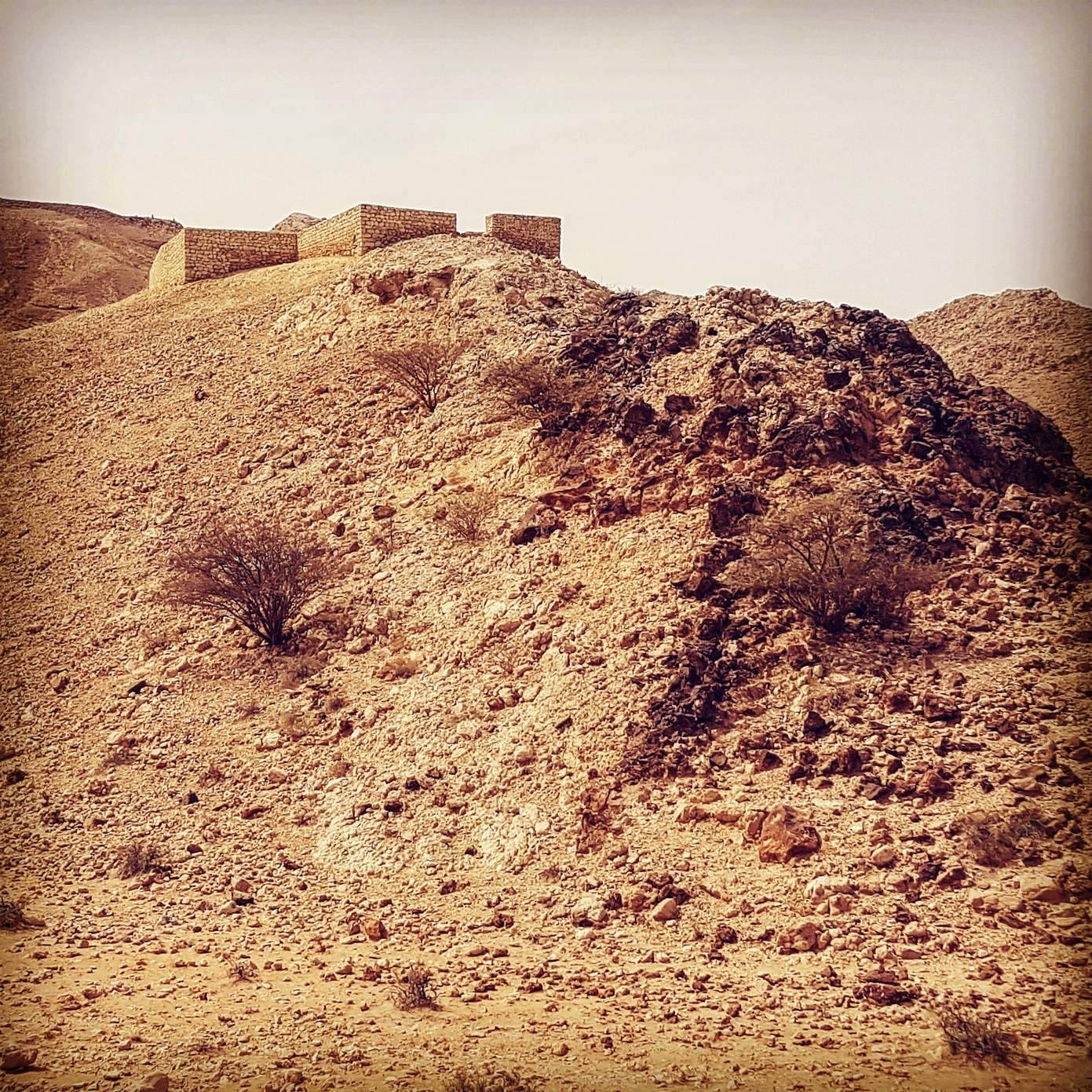
A fort at the center of the burial ground is thought to date to Iron Age II, a later phase of the Iron Age, in the first millennium BCE. Group BHS 85, a set of Iron Age graves, is thought to be associated with the nearby settlement of Al Thuqeibah.
Finds from Buhais, Qattara, and Rumailah support the interpretation that the region called Magan in Sumerian texts was associated with Maka, a province of the Achaemenid Persian Empire. Inscriptions and texts from Persepolis indicate that Maka supplied troops to Xerxes’ army for his campaign of 480 BCE.
Excavation and protection
Iraqi archaeologists recognized Jebel Buhais’s potential in 1973, and an Iraqi team excavated the central fort during the 1970s. Extensive investigations began in the late 1980s, conducted by a French mission and the Autonomous University of Madrid into the early 1990s. After a discovery at BHS 12, a University of Tübingen team began work in 1995. Excavations at BHS 18 followed, with ten campaigns between 1996 and 2005. The findings established Jebel Buhais as a key Neolithic site in Southern Arabia. The area is protected as a nature reserve.
Remains
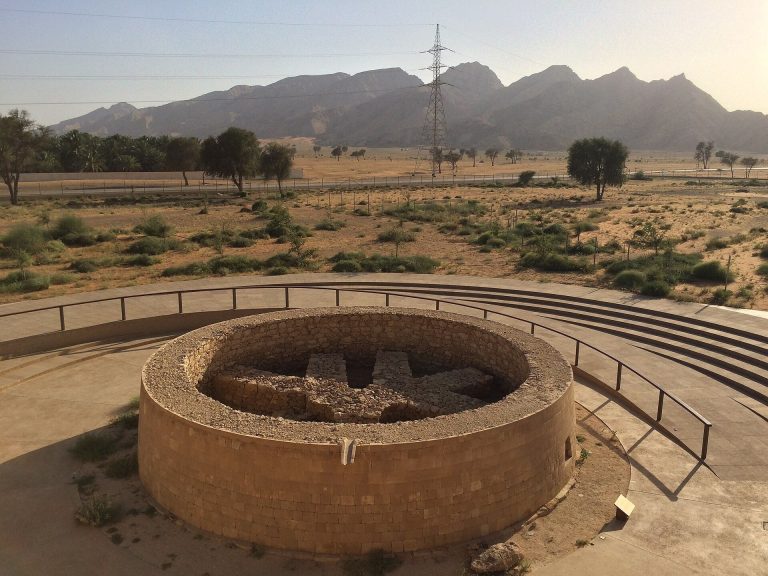
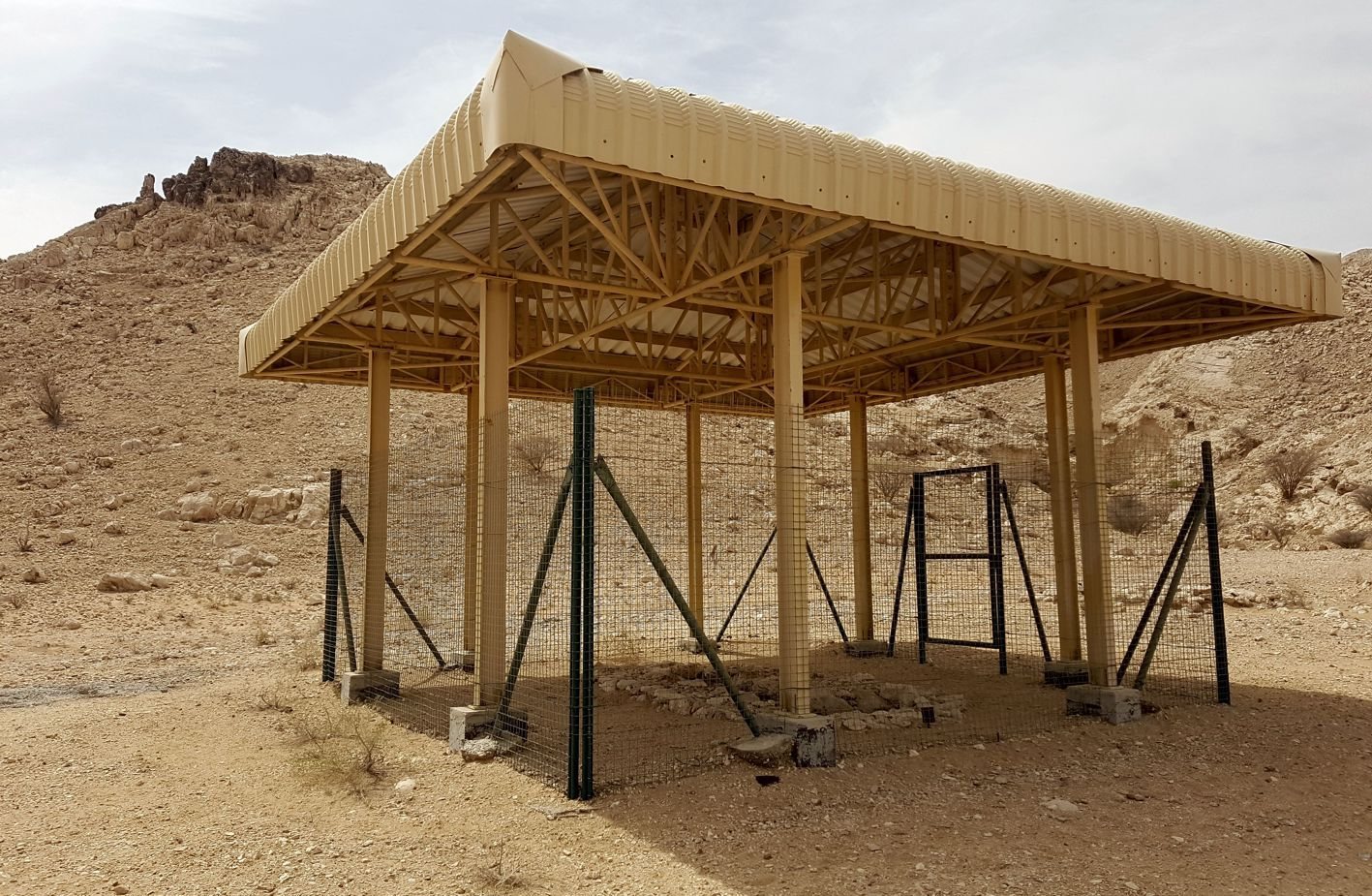
The extensive necropolis lies beside a limestone outcrop that rises to about 340 metres above sea level and extends almost continuously north from Madam towards Mleiha. Its burials form part of a wider archaeological landscape. Many tombs are now covered and fenced.
Burial grounds and tombs
BHS 18
Excavations at BHS 18 uncovered the remains of about 600 people. The site forms one part of the wider burial ground, and further human remains are thought to await discovery.
Hafit-period graves
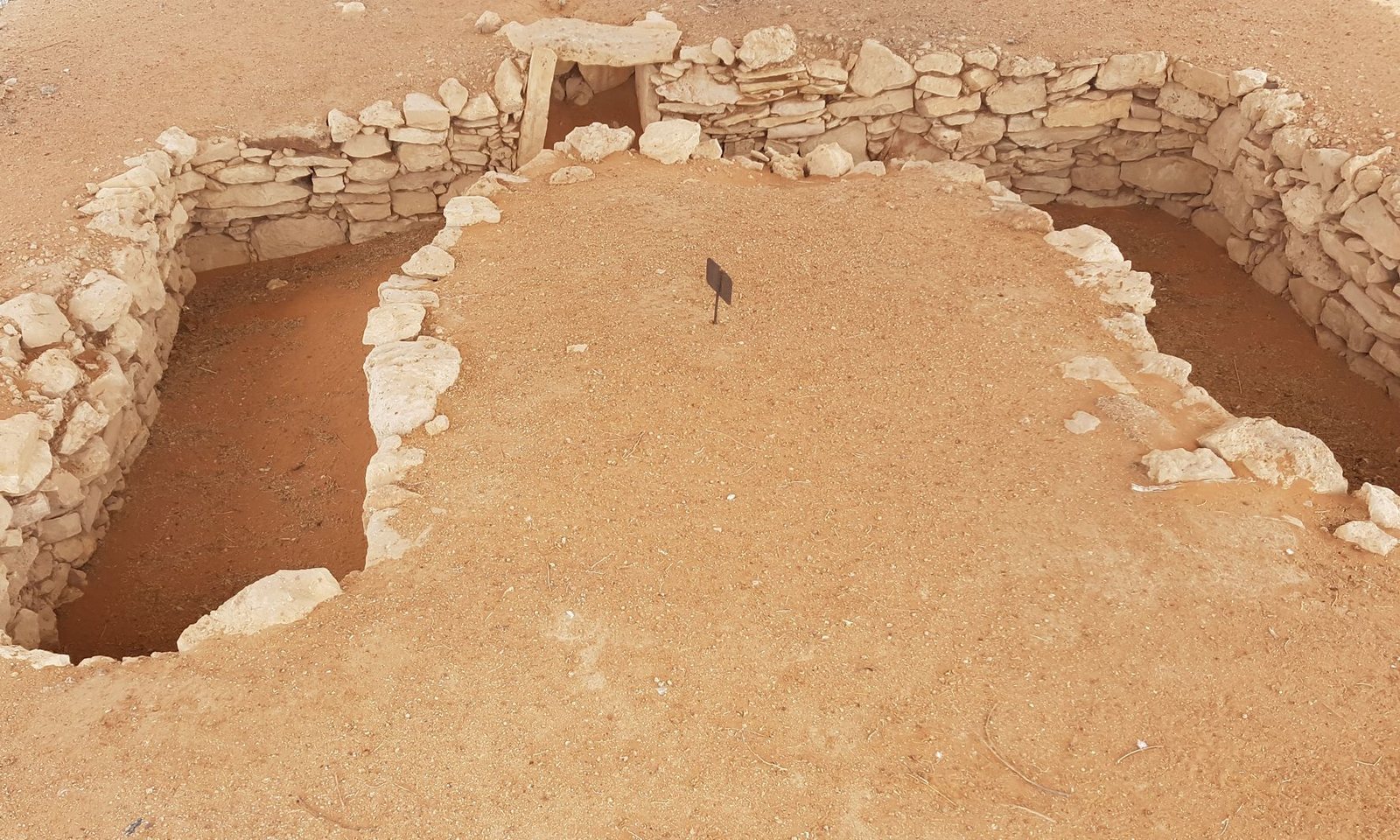
Hafit-period burials include distinctive graves shaped like beehives. Their form distinguishes this group within the necropolis.
Wadi Suq graves
Wadi Suq graves contain a range of funerary goods, including pottery vessels, plates, jars, cups and goblets, soft-stone vessels, metalwork, weapons, and ornaments. Some graves also held offerings and gifts, with animal bones mixed among other remains.
BHS 12
BHS 12 contained an interred camel, a find connected with the later archaeological work at the site.
BHS 66
BHS 66 is a Wadi Suq-period tomb with four burial chambers. It is regarded as a unique example of funerary architecture in the UAE.
BHS 72
BHS 72 is another burial at Jebel Buhais. Identifying plaques associated with minor finds there are worn and often difficult to read.
Iron Age fort
The fort occupies the core of the necropolis. Its position places this defended structure among the cemetery’s many burial features.
Archaeological finds
Pearl necklace
The oldest pearl necklace found in the UAE came from Jebel Buhais. More than 7,000 years old, it is displayed in the Stone Age Hall of Sharjah Museum.
Late Iron Age swords
Late Iron Age finds include short swords with crescent-shaped pommels. Their form matches a sword held by a figure from Maka in a tomb relief of Darius II, an Achaemenid king, at Persepolis.
Buhais Geology Park
Buhais Geology Park presents fossils and geological features from Jebel Buhais and its surroundings, including fossilized marine remains, the Hajar Mountains, sand dunes, and gravel plains. The park’s design drew inspiration from fossilized ancient sea urchins found at the site. Two archaeological sites within the park indicate human occupation of the area about 125,000 years ago.