Jaroslavice Castle: A Renaissance Chateau with Baroque Alterations in Czechia
Site at a Glance
- Rating
- 4.2
- Popularity
- Low
- Country
- Czechia
- Primary era
- Early Modern
- External website
- Open
- Eras represented
- Medieval, Early Modern
- Civilizations
- Habsburg, Holy Roman Empire, Kingdom of Bohemia
- Site type
- Domestic
- Remains
- Castle
On this page6 sections
History
Jaroslavice Castle is a historic chateau in Jaroslavice, Czechia, whose principal transformation into a four-wing Renaissance complex began in 1567. The site first contained a wooden fortified residence and later a castle, which was recorded in 1249 as the seat of Boček of Obřany, the burgrave of Znojmo, a high-ranking official responsible for administering a castle or district on behalf of a ruler. The property subsequently belonged to the Lords of Lípa.
Renaissance and Baroque transformation
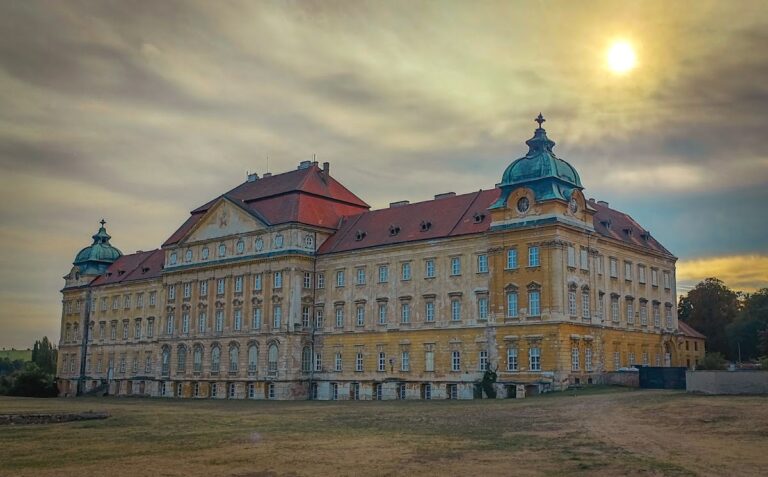
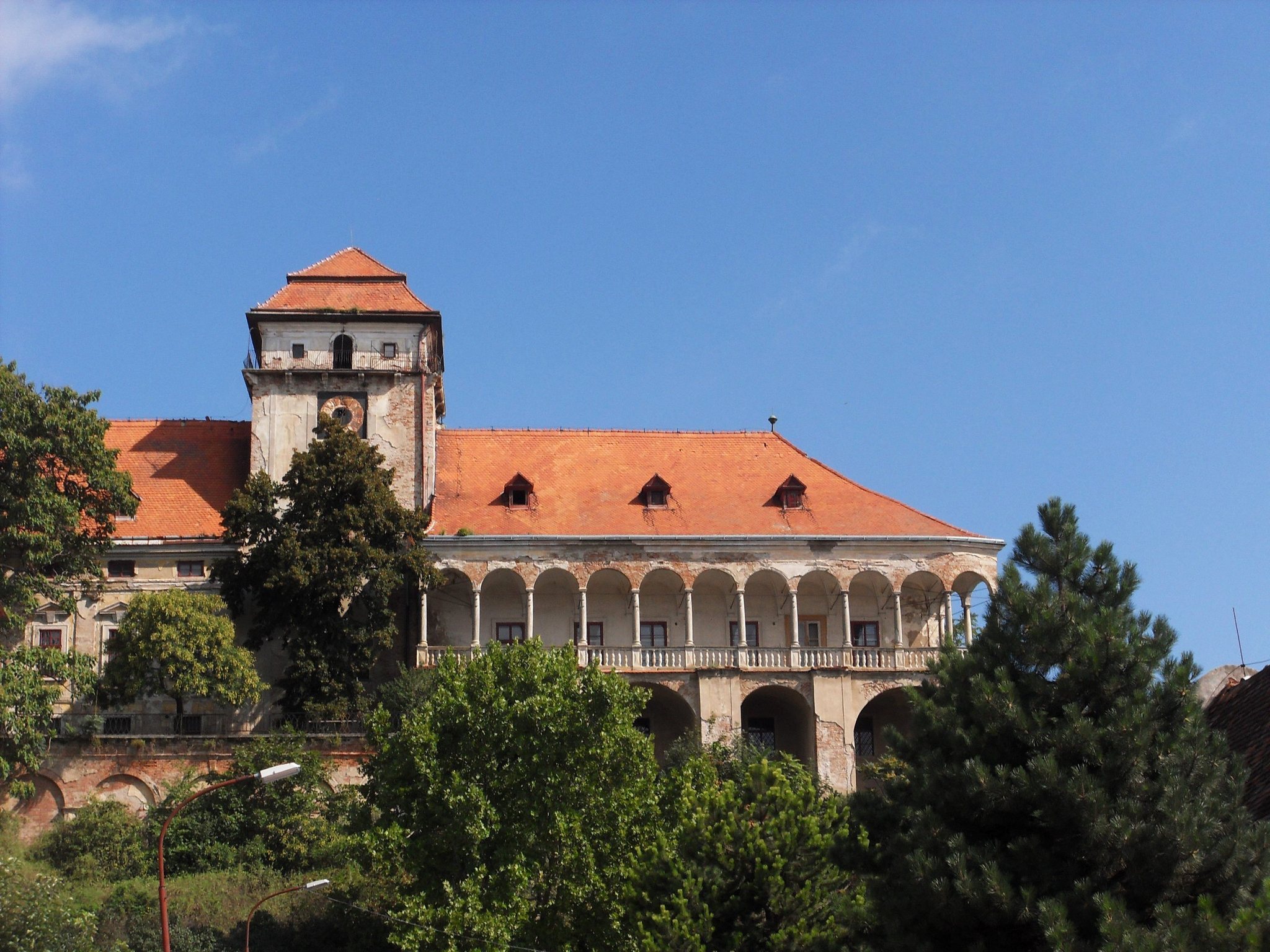
In 1567, Count Scipio of Arch commissioned the conversion of the castle into an extensive four-wing Renaissance chateau. Renaissance architecture revived classical forms in Europe. During the seventeenth century, the Italian builder Domenico Martinelli altered the chateau in the Baroque style, known for more elaborate and dynamic design. A second Baroque reconstruction followed from 1730 to 1736, based on designs by Joseph Emanuel Fischer von Erlach.
Aristocratic ownership
The Althann family held the chateau until 1790. Count Wilhelm Hompesch-Bollheim bought it in 1835, and Ferdinand Hompesch-Bollheim died at Jaroslavice. At the end of the nineteenth century, Ferdinand was a member of the Imperial Council, the central parliamentary institution of the Austrian half of the Austro-Hungarian Empire. Pius Hompesch-Bollheim was the last owner from the family.
War, state use, and restitution
Count August von Spee acquired the chateau in 1919 and remained its last private owner before the Second World War. After the war, the complex passed to the state. From 1949 to 1951, it housed a forced-labor camp for women, where approximately 100 women were interned. After the camp closed, the army used the complex.
The municipality acquired Jaroslavice Castle in 1990. Around 2004, it was purchased by the Austrian physician Sigurd Hochfellner, while descendants of Count von Spee also pursued ownership, first through his daughter Felicita von Spee and later through his grandsons. The resulting long-running restitution dispute discouraged substantial investment in repairs. Some reconstruction nevertheless began, including work on the local chapel. The castle is protected as a cultural monument and is also listed among endangered monuments.
Remains
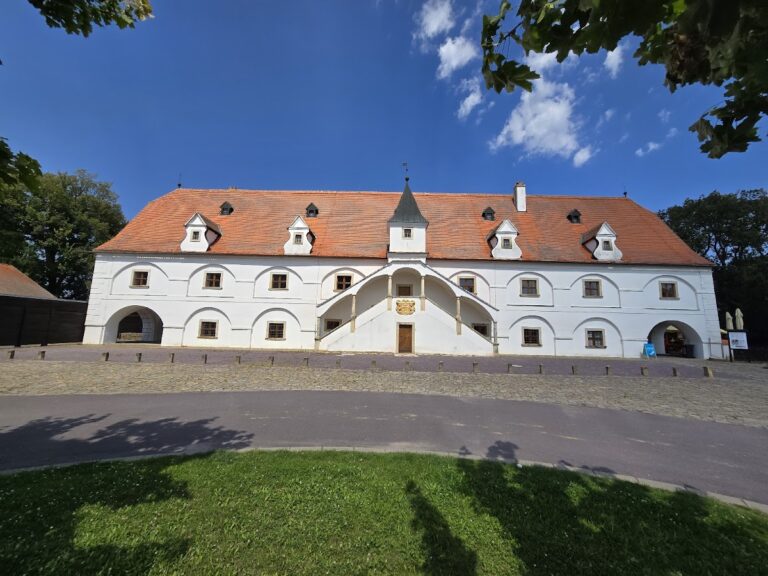
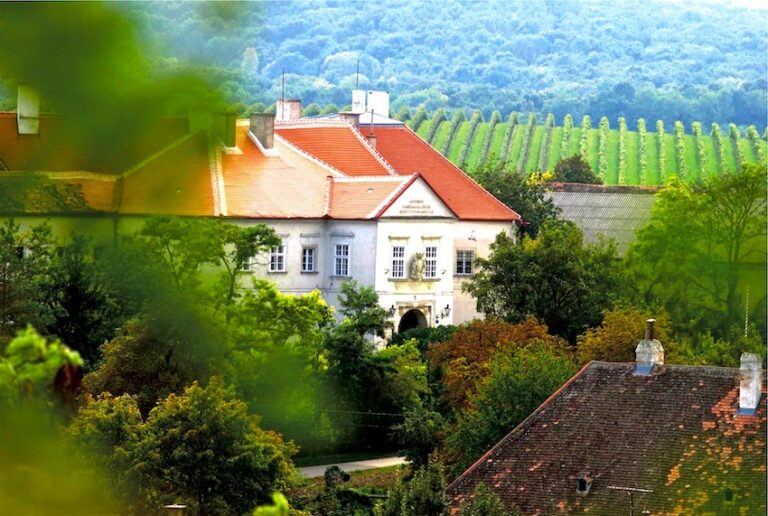
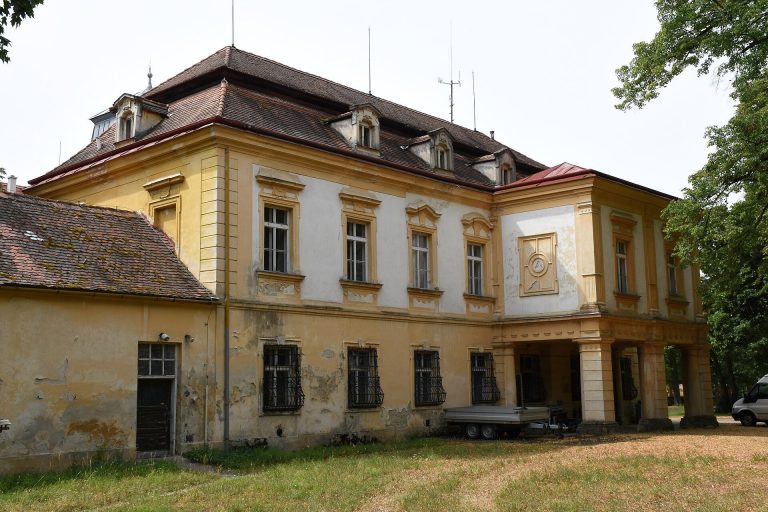
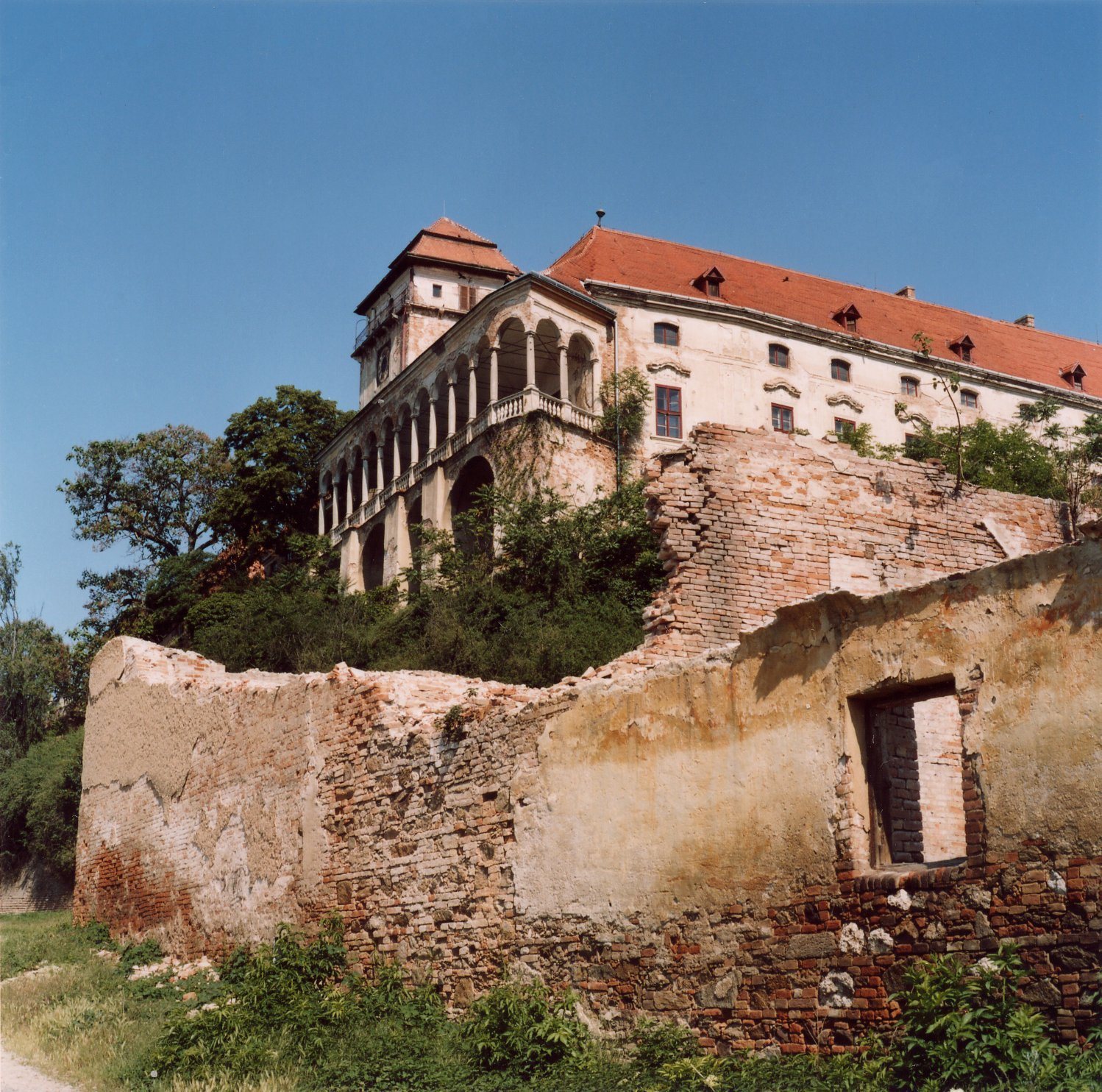
Jaroslavice Castle survives as a large four-wing complex whose principal architectural form comes from the Renaissance reconstruction of 1567. Later Baroque alterations, including the seventeenth-century work and the rebuilding of 1730 to 1736, give the complex its present architectural character. The castle includes a chapel and a stairway passage connecting it with the Church of Saint Giles.
Chapel and church passage
The chapel has undergone repair as part of the reconstruction work carried out at the complex. In the stairway passage between the Church of Saint Giles and the castle, a vault has collapsed. The castle complex is in a hazardous state and requires comprehensive restoration.