Jagdschloss Sayneck: A Hunting Castle in Germany
Site at a Glance
- Popularity
- Medium
- Country
- Germany
- Primary era
- Modern
- Eras represented
- Modern
- Civilizations
- German
- Site type
- Domestic
- Remains
- Castle
On this page7 sections
History
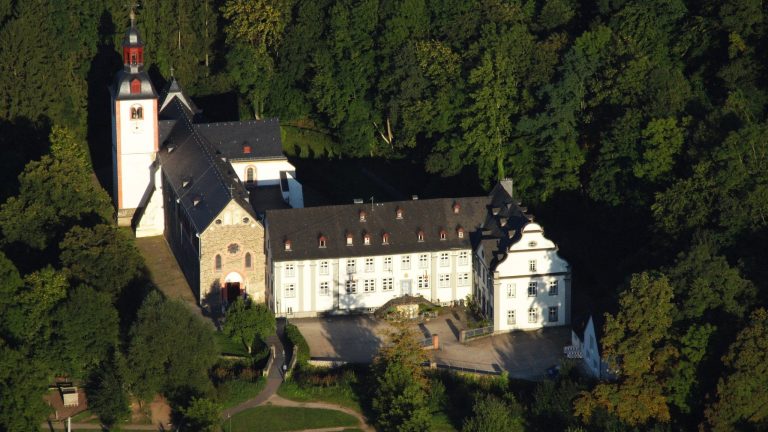
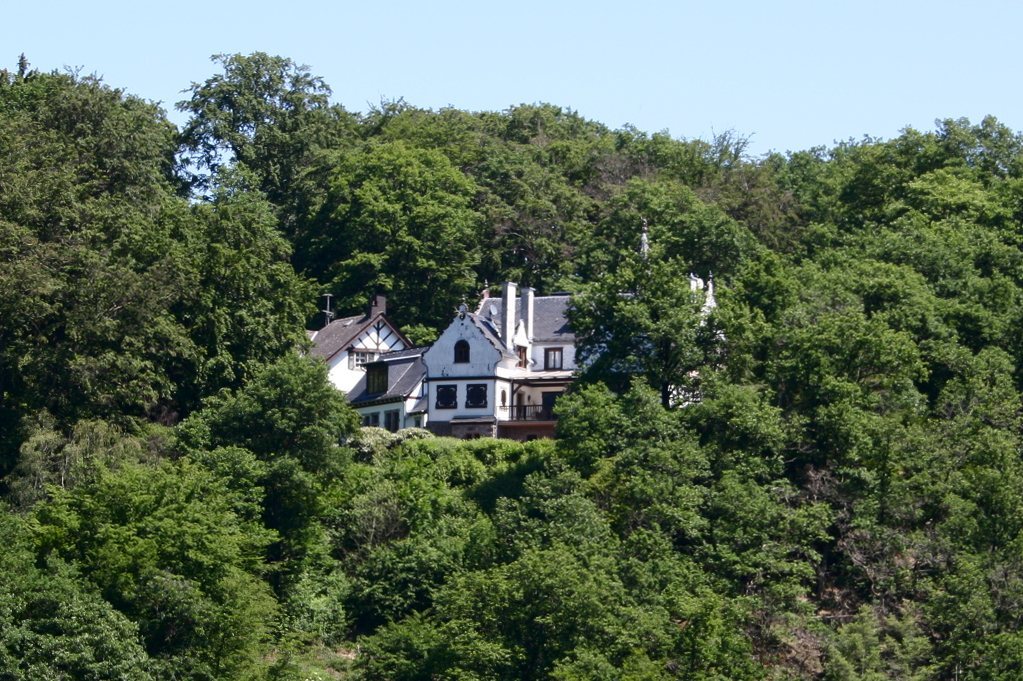
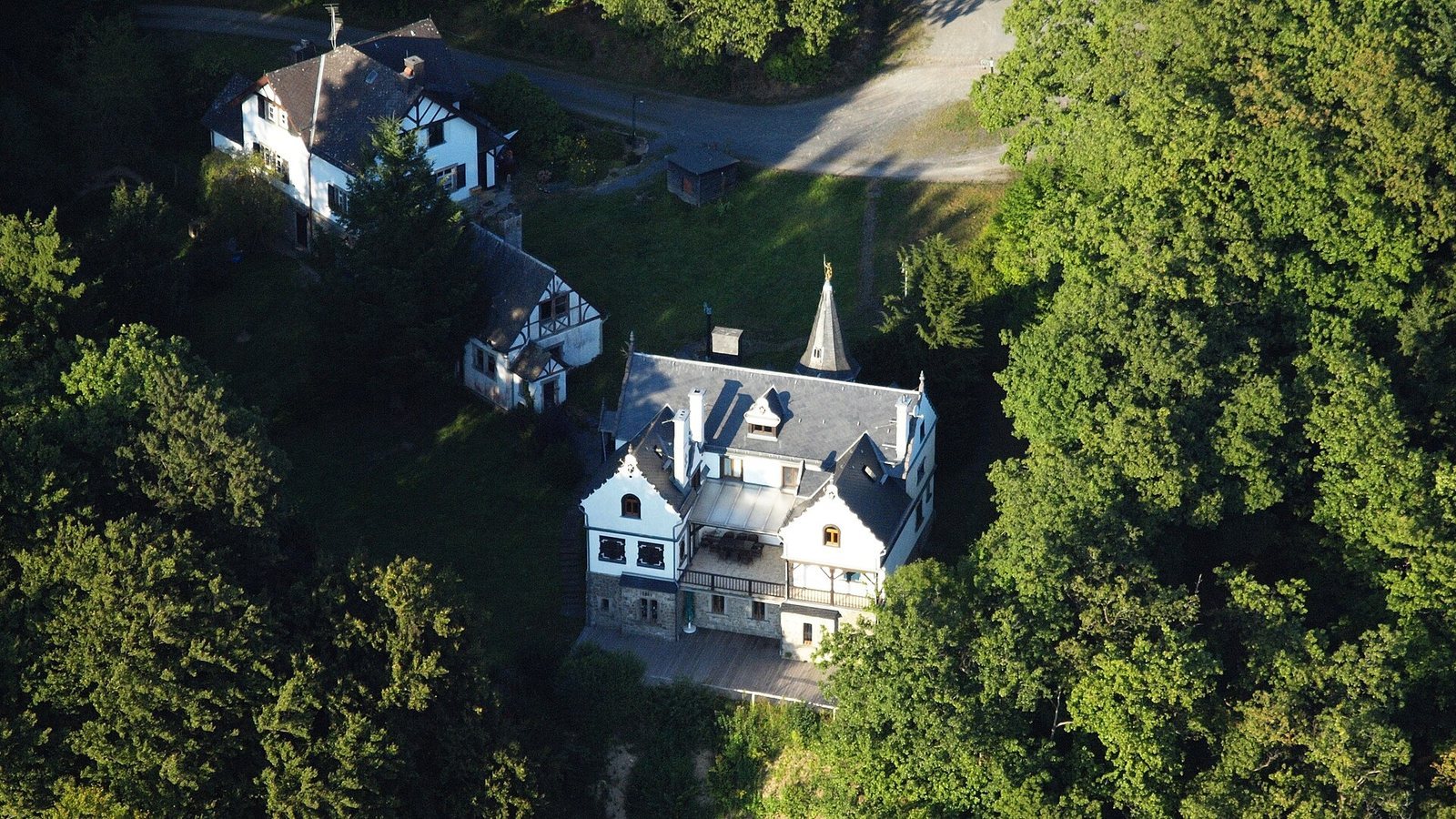
Jagdschloss Sayneck is a hunting castle in the Großmaischeid district used for land registration, near Neuwied in Rhineland-Palatinate, Germany. Alexander, Count of Hachenburg, a German aristocrat, had the original lodge built in 1881 amid the hunting grounds of the Princes of Wied, a German princely family. The modest building was enlarged the following year.
Expansion and Krupp family use
On 1 May 1884, Friedrich Alfred Krupp, a German industrialist, leased the lodge and hunting rights in Großmaischeid, Ebenfeld, Caan, Nauort, Stromberg and Sayn. The Krupp family used Sayneck as a base for extensive hunts from 1884 until 1968. Additional service buildings were erected between 1884 and 1887.
In spring 1888, Krupp decided to replace the lodge with a much larger hunting castle in the same style. Sayneck attracted many notable guests in the following decades. For large driven hunts, in which game was pushed toward waiting hunters, Krupp arranged special train journeys for guests on the Brexbachtal Railway. Hunting parties continued to use the lodge until 1943.
Wartime use and change of ownership
A field hospital run by the Reich Labour Service, a Nazi German labour organization, was established at Sayneck in December 1944. From January to March 1945, Gustav Simon, the Nazi Party’s regional leader in Gau Moselland, stayed there with his staff. Robert Ley, head of the German Labour Front, a Nazi labor organization, was among the visitors. On 25 March 1945, the general staff of the Wehrmacht’s Western Front Command, the armed forces of Nazi Germany, stayed briefly at the lodge. American and French occupation troops were also present temporarily.
After industrialist Alfried Krupp von Bohlen und Halbach died in 1967, the Krupp family’s use of Sayneck came to an end. On 30 June 1968, the hunting lease was terminated and ownership passed to the Princes of Wied, who owned the land. They have used the property for hunting since then.
Remains
Castle and associated buildings
The surviving complex includes the hunting castle and several ancillary buildings. The castle replaced the original lodge and was designed in its style, but on a much larger scale.
Ancillary buildings
The associated buildings include a forester’s house, a staff building, a bathhouse, stables, a shooting range and a petrol station. One of the ancillary buildings houses a forestry district office of the Princes of Wied.
Interior fittings
Some original interior features survive, including a large fireplace, several tiled stoves, paneling and carved woodwork. The castle also contains an extensive collection of hunting trophies.