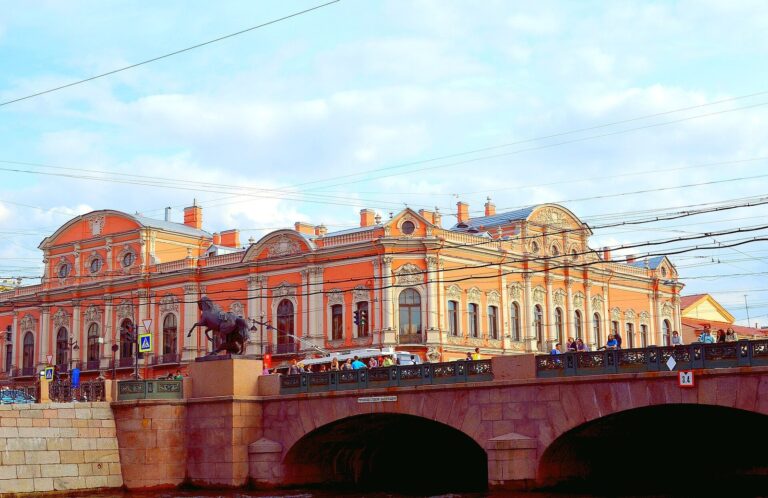
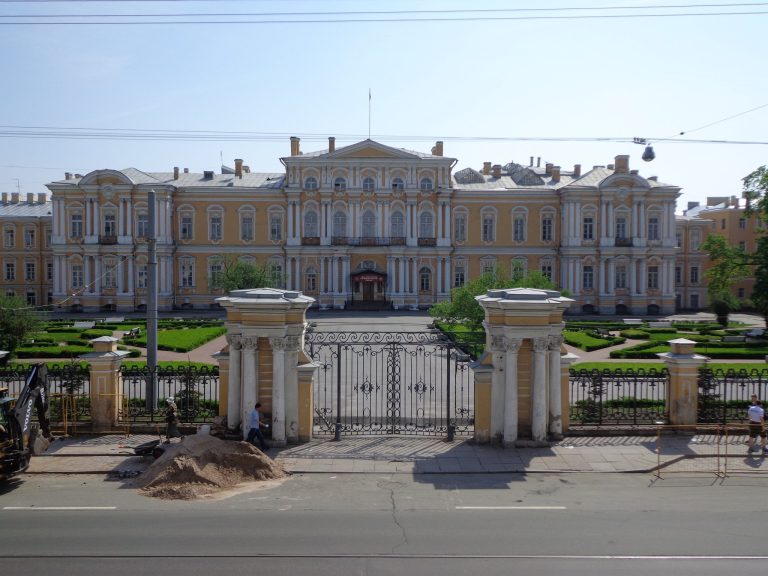
Ivan Shuvalov Palace on Italyanskaya Street: Palace and Early Home of the Academy of Arts
Site at a Glance
- Popularity
- High
- Country
- Russia
- Primary era
- Early Modern
- Eras represented
- Early Modern, Modern
- Civilizations
- Russian
- Site type
- Civic
- Remains
- Palace
On this page7 sections
History
Construction and the Academy of Arts
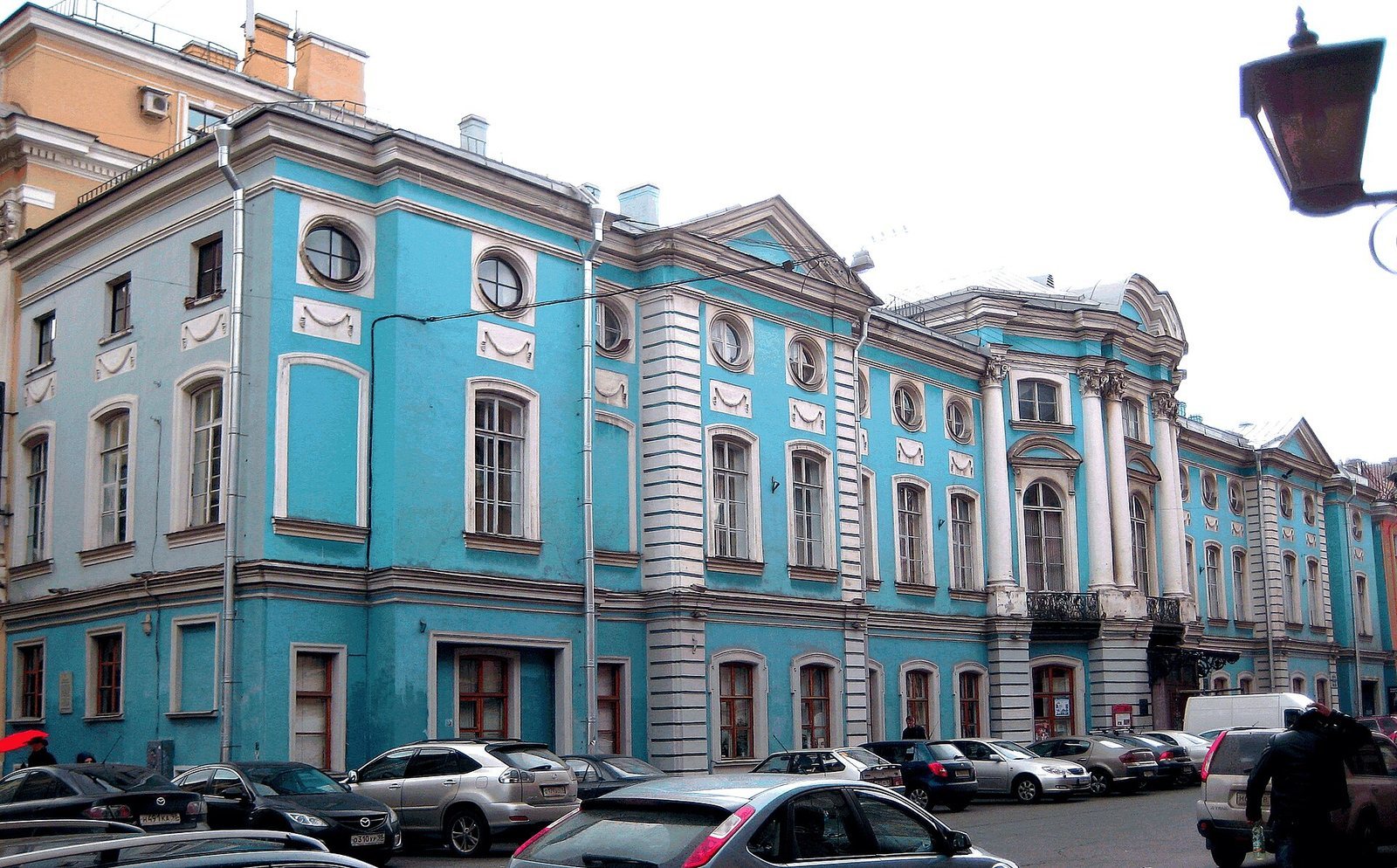
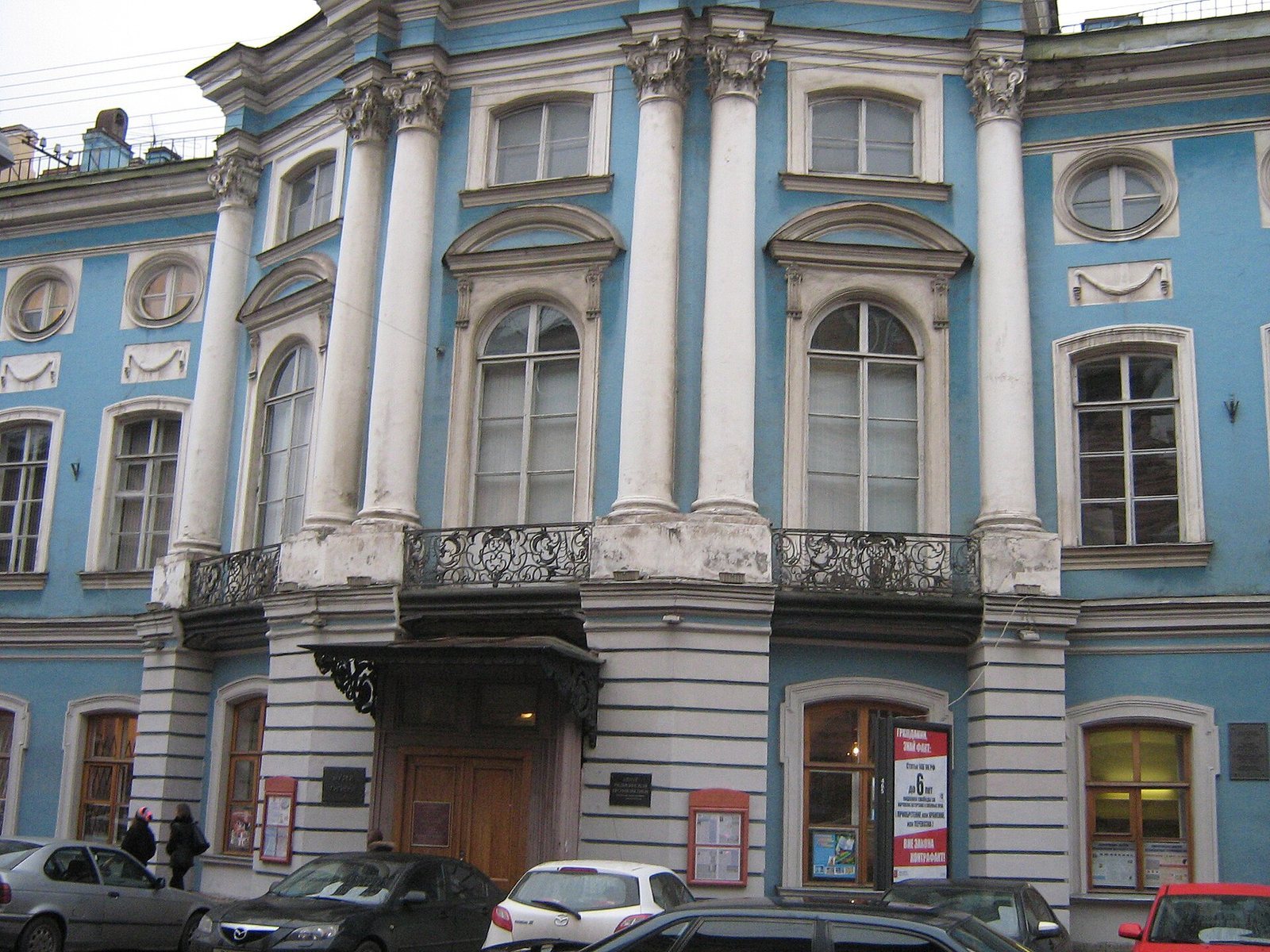
Ivan Shuvalov Palace on Italyanskaya Street is an Elizabethan Baroque mansion at the corner of Italyanskaya and Malaya Sadovaya streets in Saint Petersburg, Russia. Architect Savva Chevakinsky designed it for Ivan Shuvalov, and it was built in 1753–1755. The palace became an early home of the Academy of Arts, which Shuvalov helped develop as an institution for artistic education.
The estate belonged to merchant and industrialist Savva Yakovlev in the early eighteenth century before Shuvalov acquired it in the middle of the century. In 1754, wooden buildings used by the court intendant’s office were demolished to improve the view of the new palace. Classes of the Academy of Arts began in the building in 1758. Its first teacher was Italian painter Pietro Antonio Rotari; among his students were Fyodor Rokotov and Alexei Antropov.
The Academy initially received 6,000 rubles annually. Shuvalov supplemented its resources with his own money, recruited teachers from France and Germany, enrolled its first students, and donated his art collection. That collection helped form the institution’s library and museum.
New owners and government offices
After Shuvalov was exiled abroad in 1763, three-quarters of the palace complex and some paintings from his collection were sold. Prince Ivan Baryatinsky bought the building on Italyanskaya Street in 1765. Alexander Vyazemsky acquired it in 1773, and it became known as the Prosecutor-General’s house. Interiors were remodeled for Vyazemsky in 1775–1776, while the street façades received an early-Classical treatment. One wing held the Secret Expedition, a state office responsible for political investigations.
The state acquired the building in 1797. It housed the Ministry of Justice of the Russian Empire until 1917 and was used by the Provisional Government afterward. Architect I. Minchaki reconstructed it in 1816–1819. D. E. Efimov designed the rebuilding of the section facing Malaya Sadovaya in 1846–1852, and that section gained a fourth storey in the 1900s.
Museum and heritage status
By 1919, the building housed the Hygiene Museum of the Medical Prevention Center. Its exhibitions cover human anatomy and physiology, prevention of harmful habits, sex education, HIV prevention, and radiation hygiene. The palace is a federal-level cultural heritage site and forms part of the UNESCO World Heritage property “Historic Centre of Saint Petersburg and Related Groups of Monuments,” inscribed in 1990.
Remains
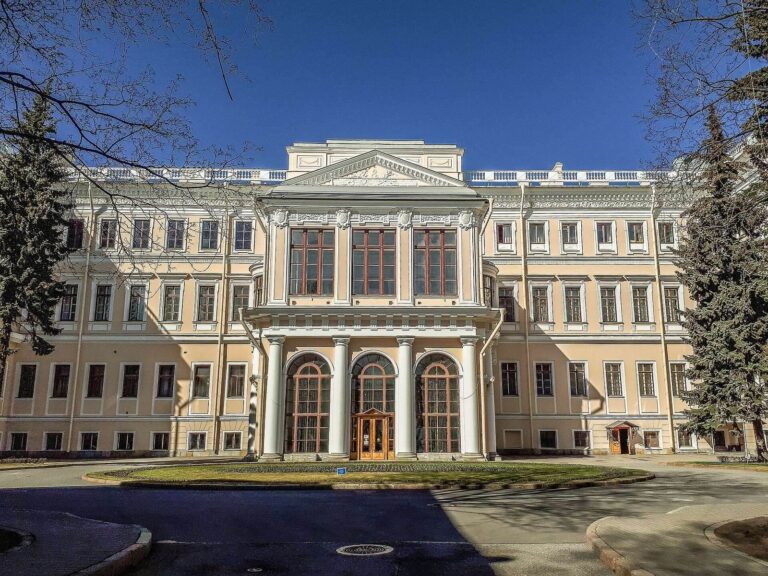
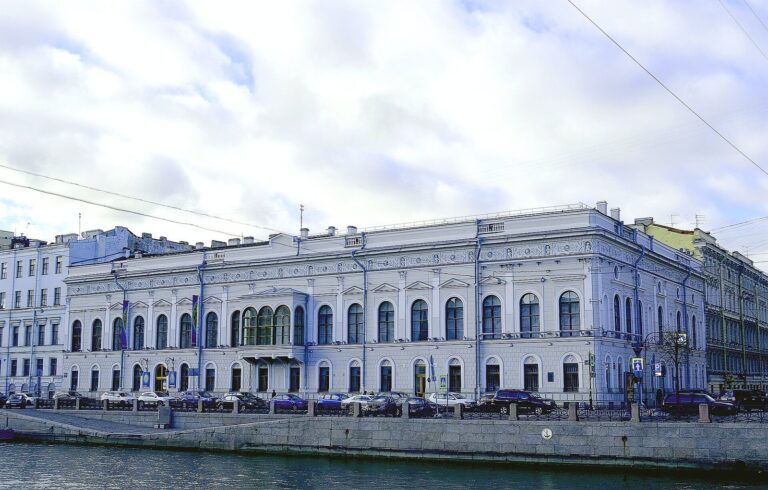
The palace stands on a corner site, and its mansion combines Baroque forms with restrained early-Classical details. The original estate stretched from Millionnaya Street to Nevsky Prospect and adjoined the Summer Palace of Elizabeth Petrovna.
Estate grounds and mansion exterior
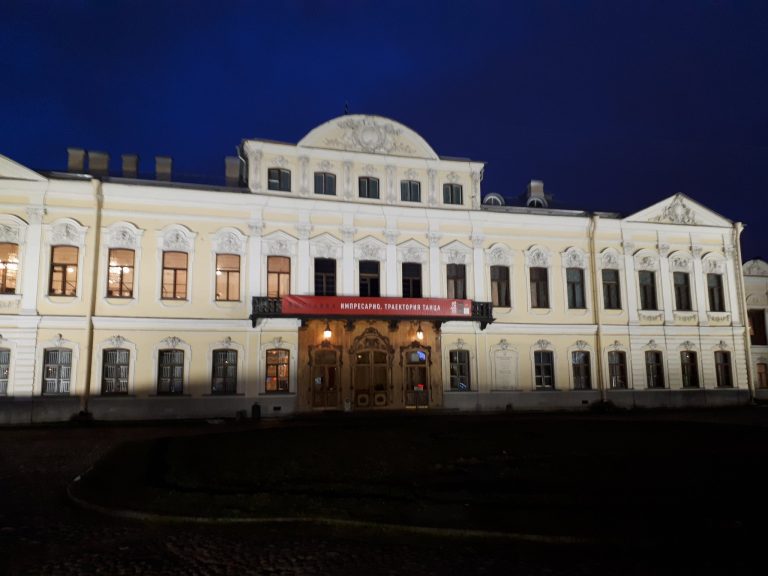
On the side facing the meadow, the estate was bounded by an open colonnade with a pavilion at its centre. The three-storey mansion has a main façade with a three-sided projection, emphasized by half-columns. This projecting section corresponds to an octagonal hall two storeys high at the centre of the second floor.
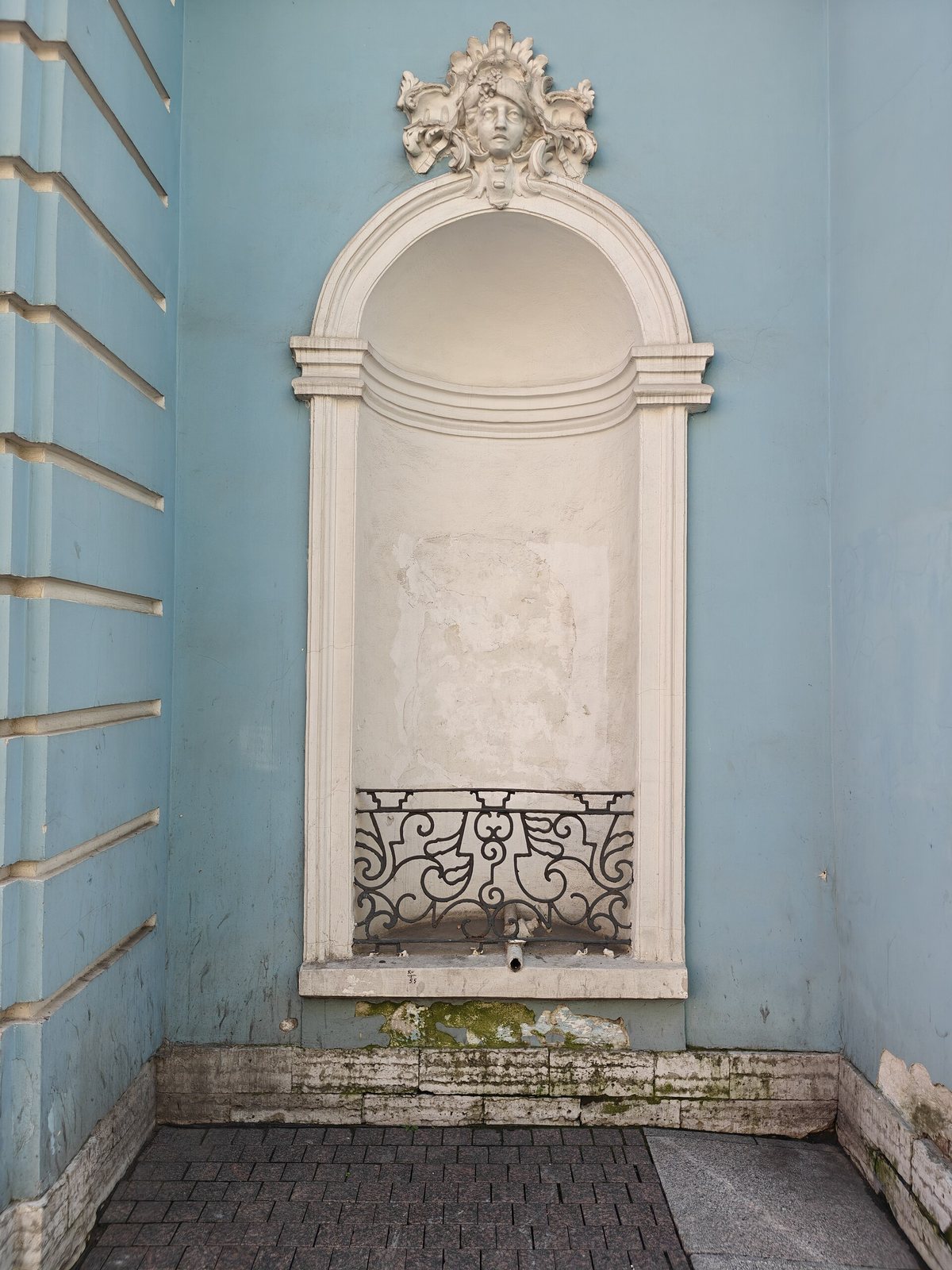
The façade’s Baroque character comes through in its projecting forms, which create contrasts of light and shade, a projecting curved pediment, and a horizontal band above the columns with projecting sections. Early-Classical details include shallow panels with molded ornament, rough-textured corner blocks running the full height of the projection, and simply patterned, shallow window surrounds. A fourth storey rises above the section facing Malaya Sadovaya.
Surviving interior features
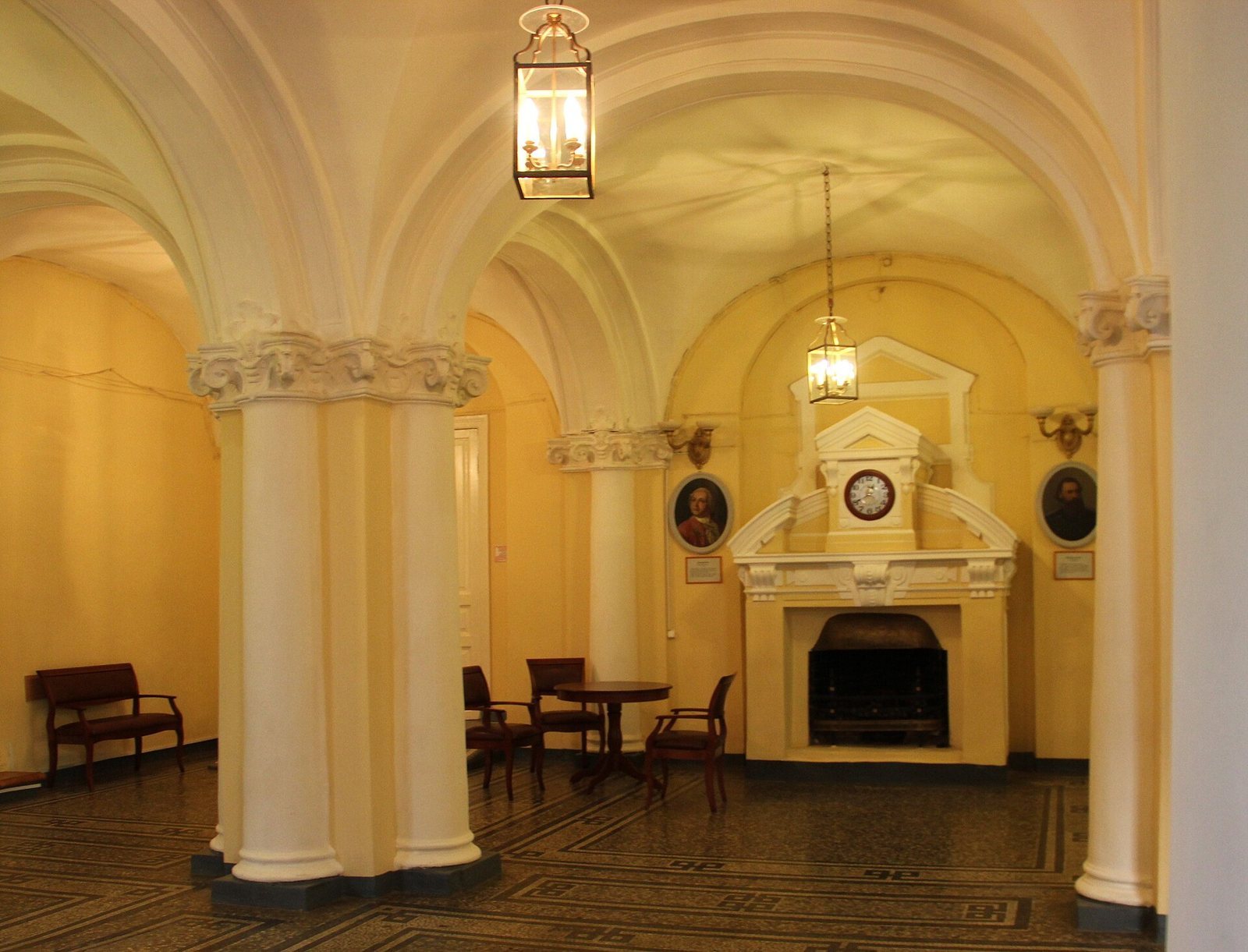
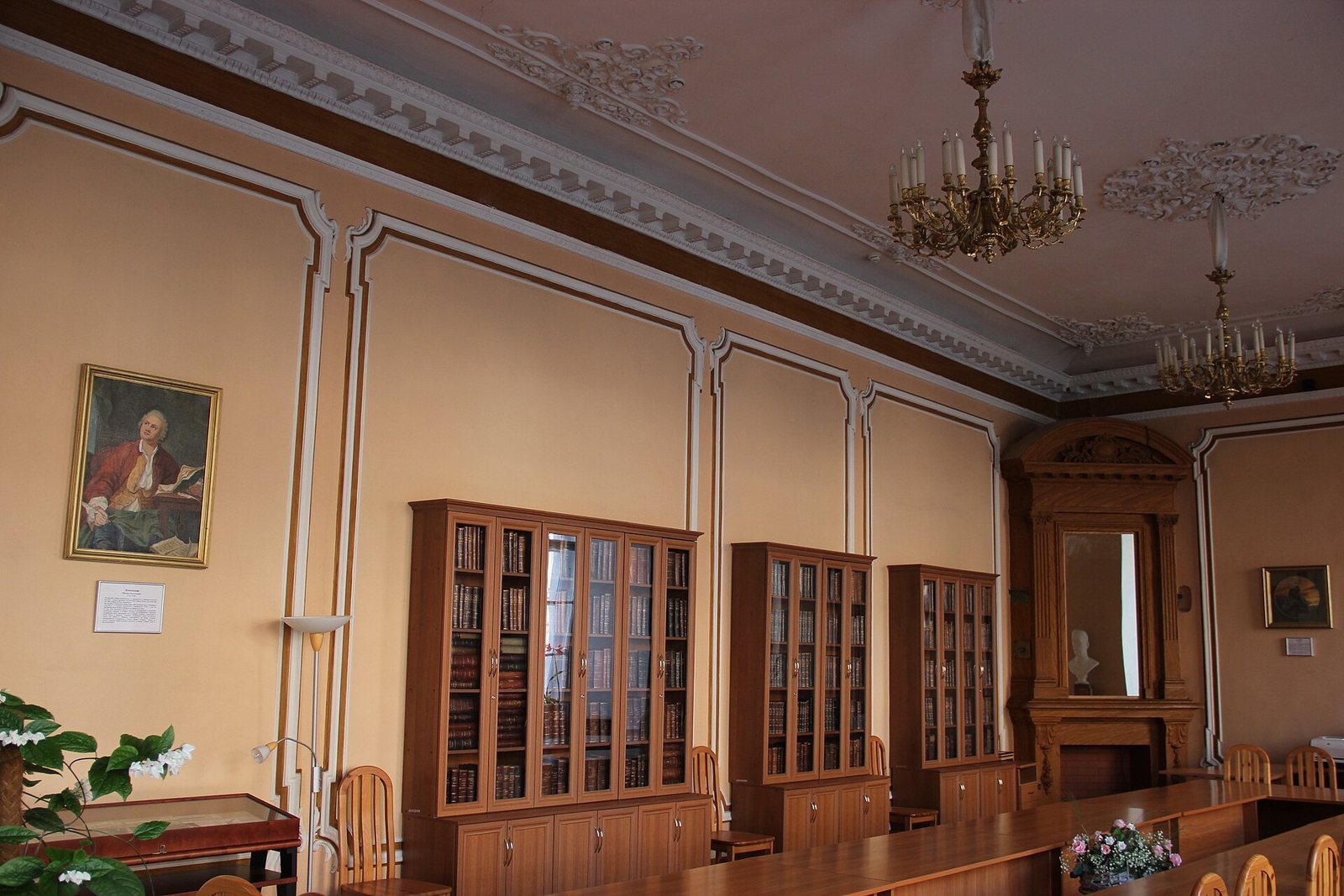
The entrance vestibule survives with low columns and unusually patterned column tops. Some interior decoration also remains, including stucco cornices dating from the remodeling of the 1840s.