Ishigakiyama Castle: Toyotomi Hideyoshi’s 1590 Siege Fortification
Site at a Glance
- Popularity
- High
- Country
- Japan
- Primary era
- Medieval
- Eras represented
- Medieval
- Civilizations
- Toyotomi regime
- Site type
- Military
- Remains
- Castle
History
Ishigakiyama Castle is a mountaintop fortification in Japan, built in 1590 by Toyotomi Hideyoshi during the Sengoku period, an era of political fragmentation and warfare among regional powers. Hideyoshi was a military leader who brought much of Japan under his rule. He built the castle during the siege of Odawara as a temporary display of power intended to pressure the Late Hōjō, a samurai ruling house centered at Odawara. The castle belonged to the Toyotomi clan, Hideyoshi’s political house.
Construction took 80 days and was concealed among trees. Hideyoshi’s forces felled them in a single night, making the fortification seem to the Hōjō defenders as if it had appeared overnight. The sudden revelation weakened their will to resist, and the clan formally surrendered nine days later. Hideyoshi also first met Date Masamune, a prominent regional lord from northern Japan, at the castle. It became one of the best-known castles built by Hideyoshi.
After the Hōjō surrender, the castle was abandoned and soon fell into ruin; its demolition is dated to 1590. The ruins were designated a National Historic Site of Japan in 1959, a government recognition of a place’s historical or cultural importance.
Remains
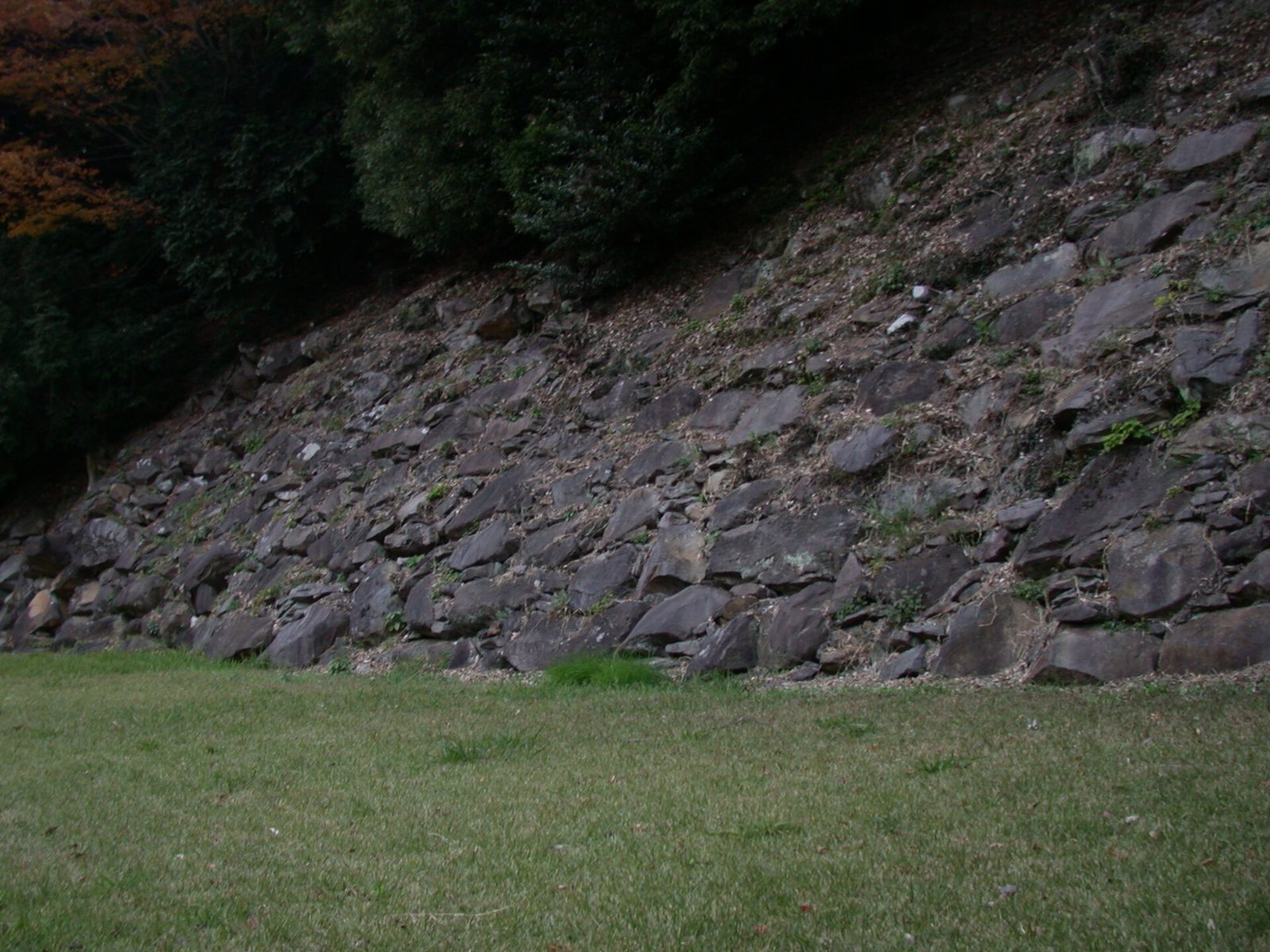
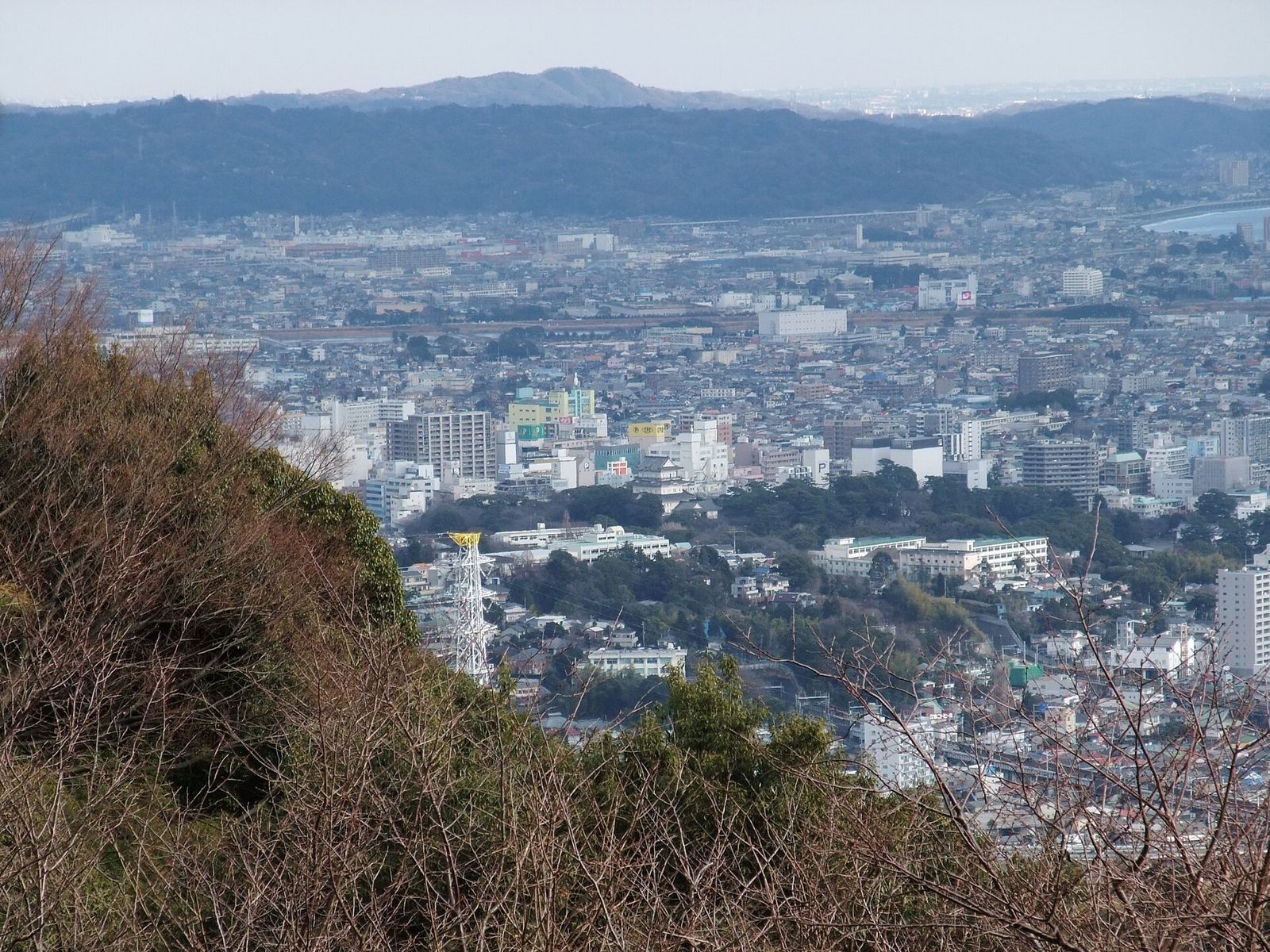
The castle stood on Kasagakeyama, about three kilometres west of Odawara Castle, in a position overlooking Odawara’s defenses. Although intended as a temporary fortification, it had massive stone walls and a central keep.
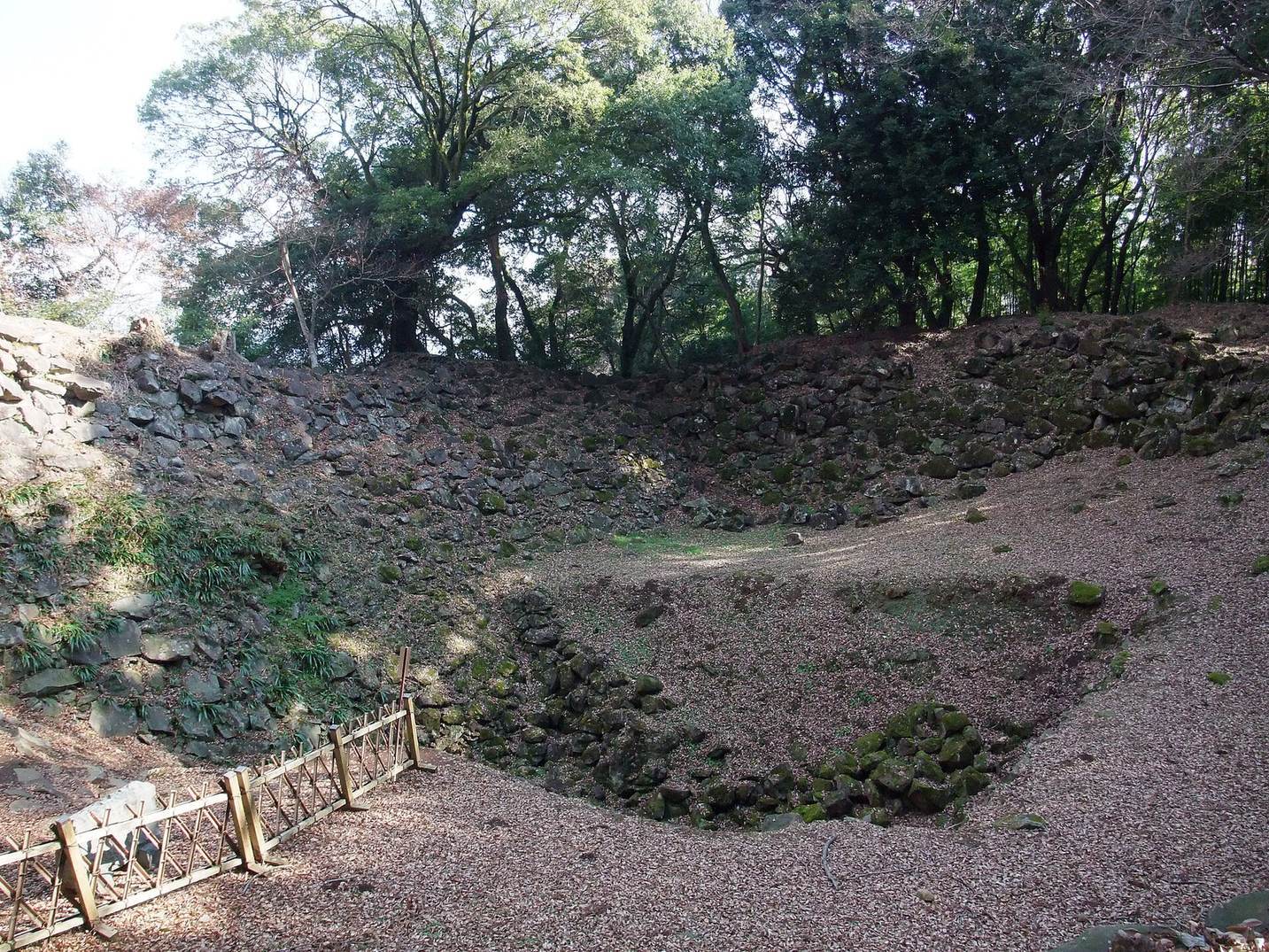
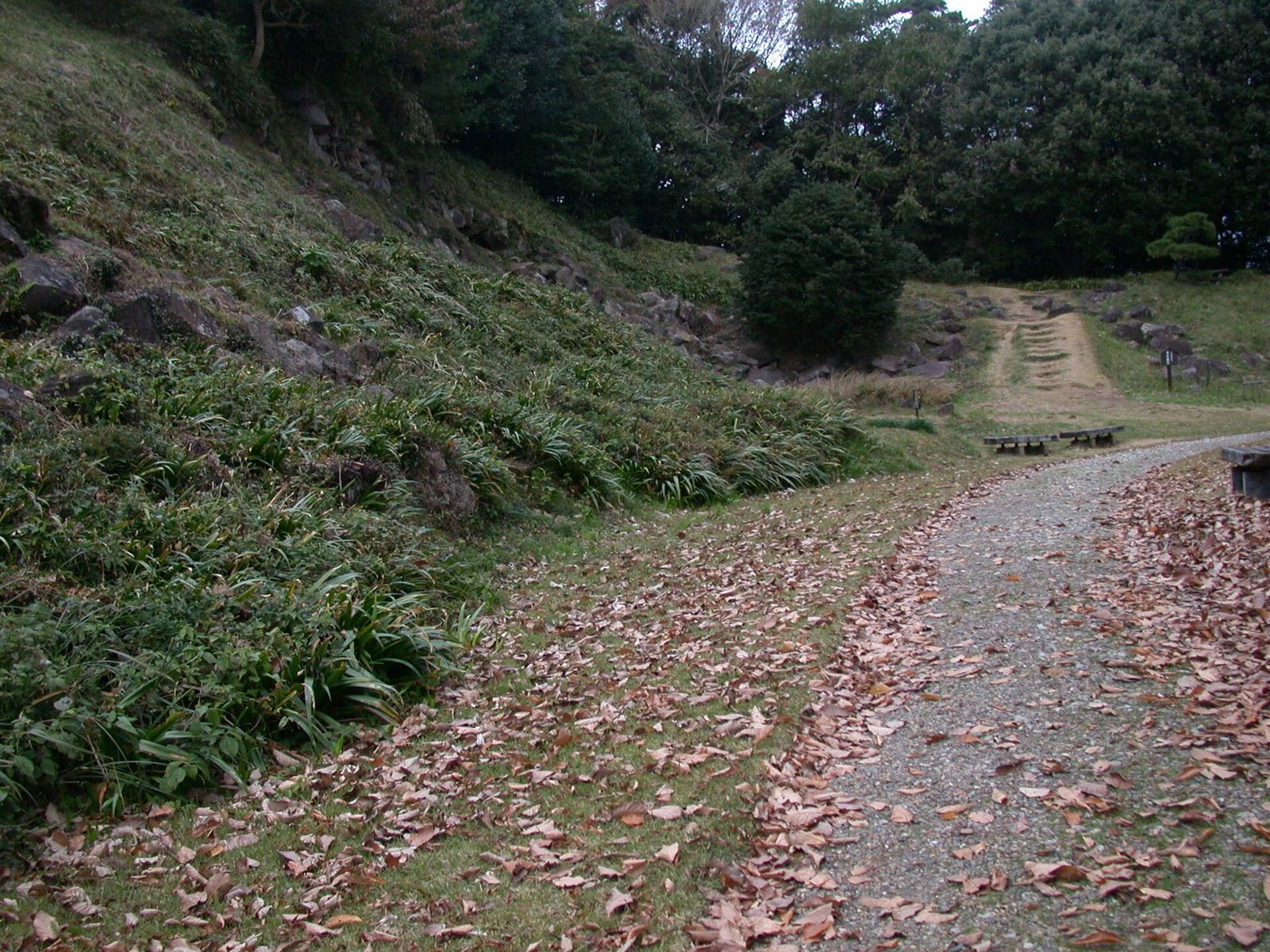
A well and a stone wall survive among the site’s remains.