Sakuradote Kofun: A Late Kofun-Period Burial-Mound Group in Japan


Site at a Glance
- Rating
- 4.1
- Popularity
- Very Low
- Country
- Japan
- Primary era
- Medieval
- External website
- Open
- Eras represented
- Medieval
- Civilizations
- Yamato
- Site type
- Burial
- Remains
- Necropolis
On this page7 sections
History
Sakuradote Kofun is a group of ancient burial mounds in Hadano, Japan, built during the late Kofun period and its closing phase from the end of the sixth century to the beginning of the eighth century. The group’s main period of construction was the latter half of the seventh century, when 35 mounds were formed on the right bank of the Mizunashi River. The people buried there are unknown, but their grave goods belong mainly to material traditions associated with later Kofun-period burials.
Formation of the burial-mound group
The mounds were created over several generations. Their arrangement reflects a clustered burial ground rather than a single monument, with larger mounds concentrated toward the south and medium-sized and smaller examples distributed toward the north. The burials contained pottery, ornaments, weapons, armor, and horse equipment, providing evidence of the customs and material culture associated with the group’s later construction phases.
Excavation and preservation
Hadano City began planning archaeological investigations in 1972 as factory development was promoted in the area. The first excavation campaign started in February 1974 and continued intermittently until 1977, examining 19 mounds. A second campaign, linked to further industrial-development plans, began in March 1986 and investigated four more mounds by April 1987. In total, 23 of the 35 mounds were excavated.
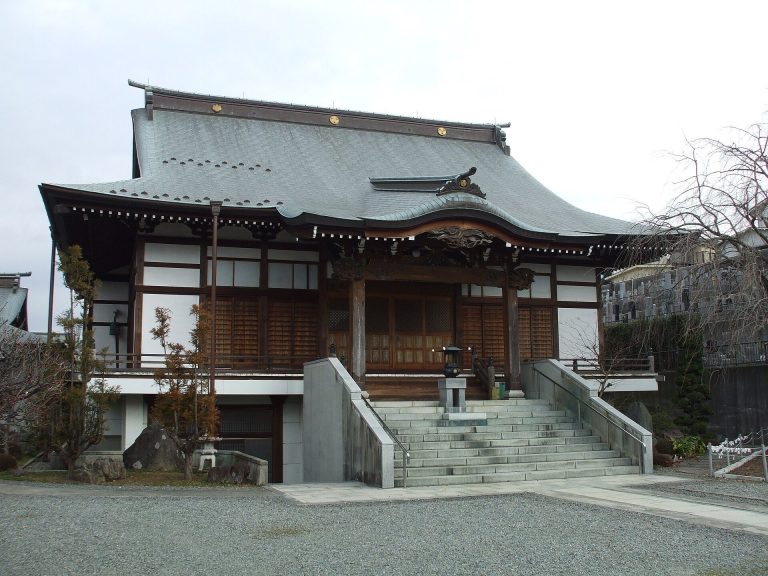
Industrial development led to the reburial of most of the excavated mounds, while 12 were preserved. Six stand within Sakuradote Kofun Park, five are located in the grounds of a Nissan factory, and one is within the grounds of a Shimadzu Corporation factory. Hadano City designated the preserved complex a historic site on December 27, 1972. A plan for the 1.02-hectare park was proposed in 1985, and its display hall opened on November 3, 1990. The Hadano History Museum in the park was reopened after renovation on November 1, 2020, presenting excavated objects and explanations of the investigations.
Remains
Layout of the mound group
The 35 circular mounds occupied an area about 500 meters from east to west and 300 meters from north to south. They ranged from 8.5 to 28 meters in diameter. Every excavated mound had a surrounding moat and a horizontal stone chamber, meaning a burial chamber entered from the side through a passage rather than from the top. Each entrance faced south, giving the excavated group a consistent architectural pattern.
Mound 1
Mound 1 was the largest, measuring 28 meters across and 5.6 meters high. Its moat was approximately 5 meters wide. The mound has been reconstructed in Sakuradote Kofun Park with a two-tiered, rice-cake-like profile and a stone-covered exterior. Its reconstruction includes access to the stone chamber, and the outer surface can be touched. Inside the mound, a continuous arrangement resembling a stone wall runs around the interior, distinguishing its structure from an ordinary circular mound.
Burial goods and archaeological evidence
Excavations produced Sue ware, a high-fired wheel-made pottery, and Haji ware, generally unglazed earthenware made by hand. Other finds included earrings, curved magatama beads, straight swords, iron arrowheads, and horse equipment such as harness fittings and stirrup chains. Remains of weapons and armor were also recovered. Some of these finds are displayed in the Hadano History Museum, where they help explain the date, funerary customs, and material setting of Sakuradote Kofun.