Ligerie Castle: A Historic Country House in Dordogne
Site at a Glance
- Popularity
- Medium
- Country
- France
- Primary era
- Early Modern
- Eras represented
- Medieval, Early Modern, Modern
- Civilizations
- French
- Site type
- Domestic
- Remains
- Castle
On this page5 sections
History
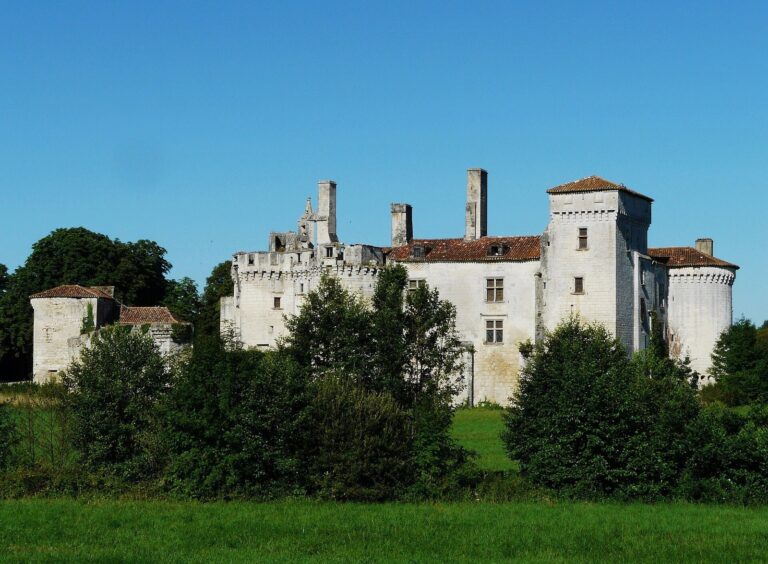
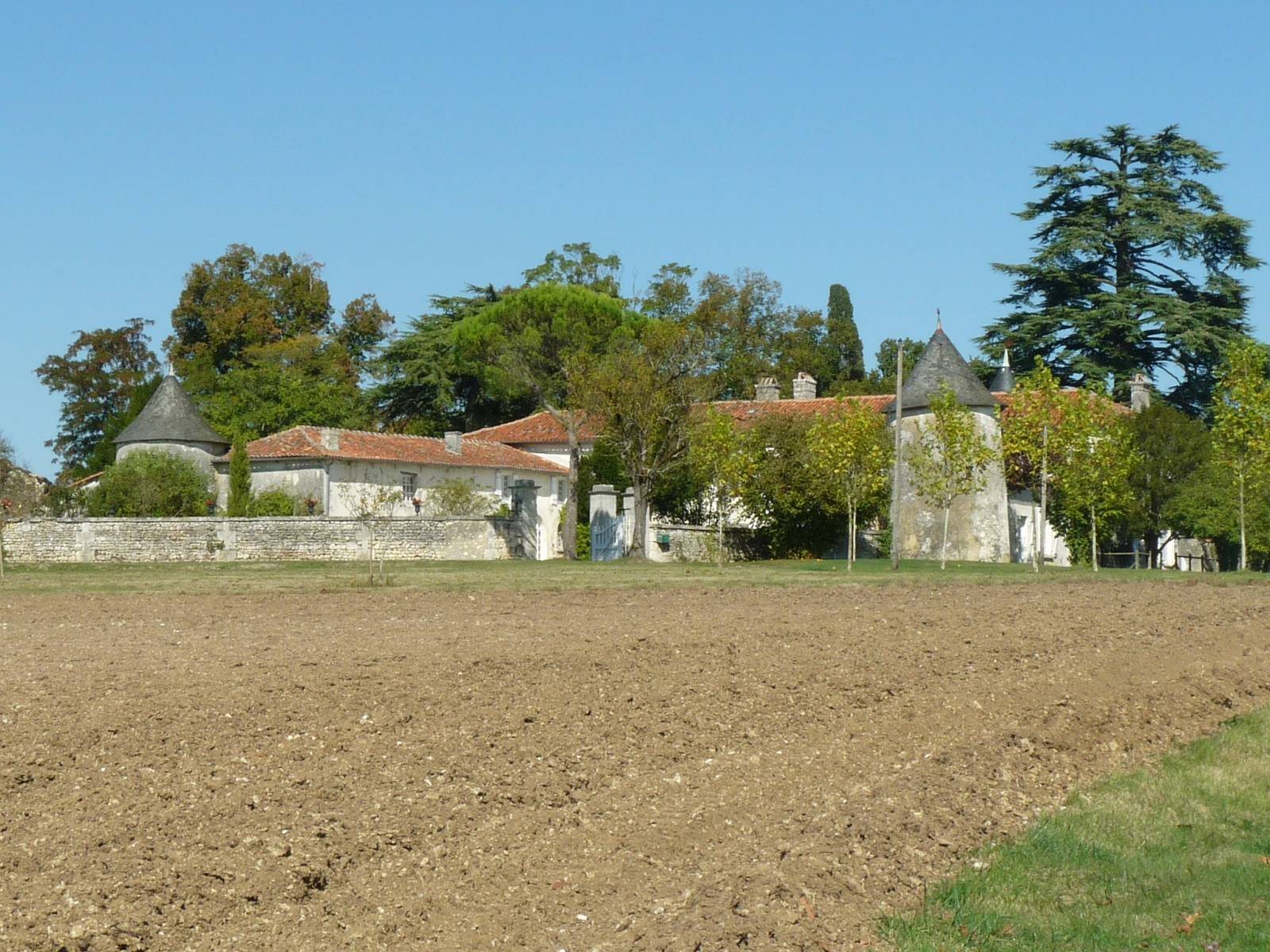
Ligerie Castle is a 17th-century country house in Champagne-et-Fontaine, Dordogne, France.
The Faucher family
The estate’s initial proprietor is identified as Faucher de la Ligerie. The Faucher de Versac family, originally from Limousin, owned the estate for centuries and was established at Ligerie by the 15th century. The family is known from the 13th century: in 1263, Guillaume Faucher was listed among the nobles of the Tulle diocese, a church district.
Ysaac Faucher de la Ligerie served as a companion-in-arms to Henry IV, king of France from 1589 to 1610. Hélie Faucher de la Ligerie married Madeleine de Fleytcher in 1616, and they had two sons, Jean-Étienne and François. Hélie married Jeanne de Camain in 1622; their son Jean continued the family line at Ligerie. Hélie settled at Fontaine-le-Comte in 1624, later returned to Ligerie, and died on 6 January 1667.
During the upheaval of the French Revolution, François Faucher owned the château. He was then serving in the French Royal Navy, but emigrated and fought in the army of Louis Joseph de Bourbon, Prince of Condé, a royalist leader whose forces included French exiles.
Changing ownership
Paul-Ludovic-Sidrac-Ernest Faucher, Marquis de la Ligerie, sold the estate to Élisabeth de Saint-Germain on 29 September 1846. She transferred it to Philippe Lavaud on 2 May 1861. After Philippe’s death, his nephew Jean-Baptiste Lavaud, a justice of the peace at Aigre, owned the property and sold it to Henri de Gaulle and his wife Jeanne on 10 May 1900 for 15,000 francs.
The de Gaulle family and later owners
The château was in poor condition when the de Gaulles acquired it. Henri, a professor in Paris, intended it as a holiday home. After restoration work, the family first visited in July 1901; Charles de Gaulle was then eleven years old. Henri sold the estate to Henri Philippe on 2 July 1920. Philippe sold it in 1940 to Maurice Legendre, a Parisian cabinetmaker.
During the German occupation, the château was in the occupied zone. Jacques Delmas, later known as Jacques Chaban-Delmas, met there with Maurice Bourgès-Maunoury and the village baker. Legendre was the second husband of Chaban-Delmas’s mother. When Legendre died in 1971, Chaban-Delmas inherited half the château, and his mother gave him her share. After Chaban-Delmas died in 2000, his heirs sold the property in 2002 to Yves de Vilmorin, a cousin of Louise de Vilmorin. The château is a private residence owned by the de Vilmorin family.
Remains
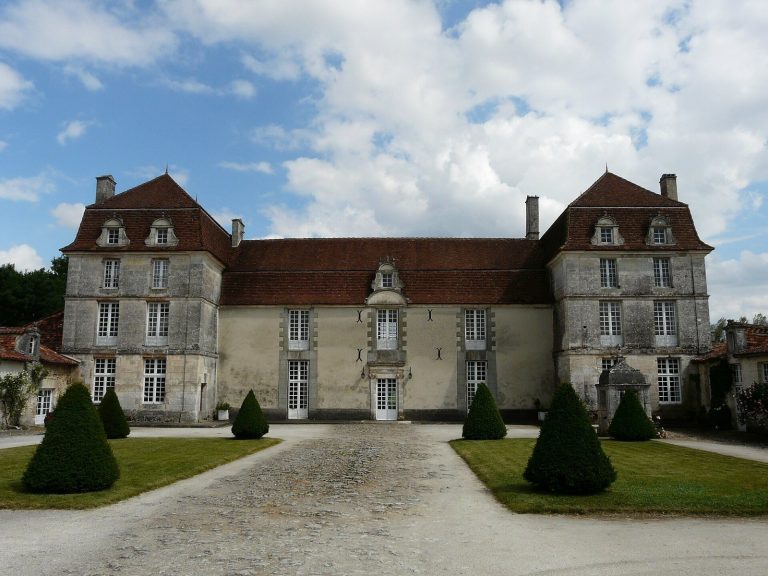
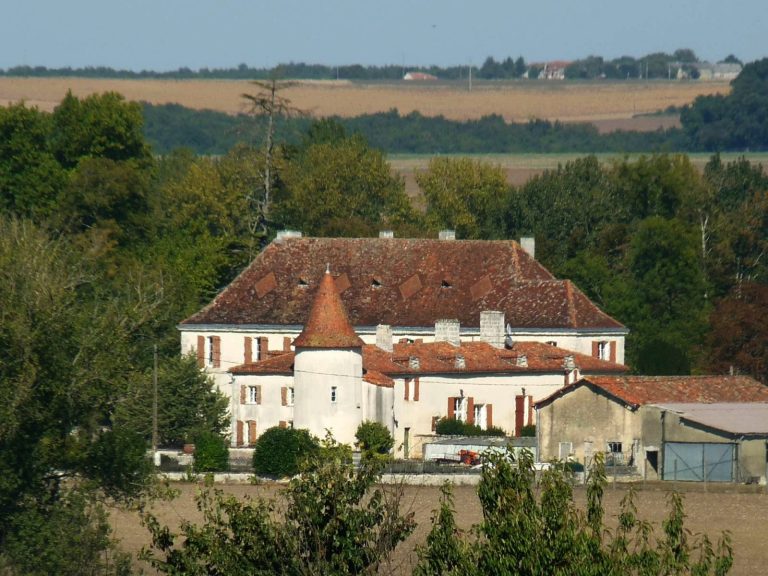
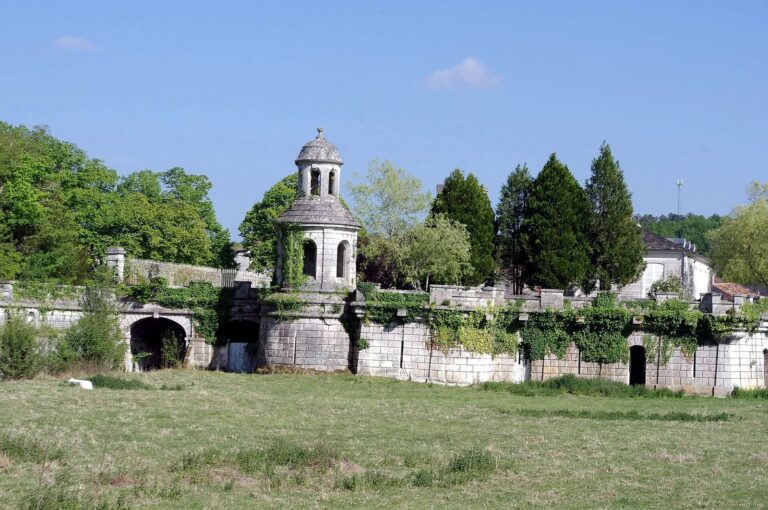
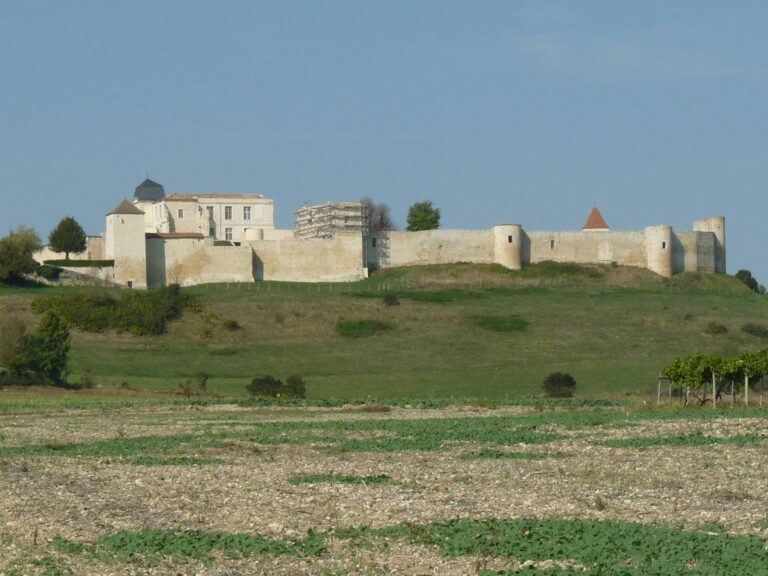
The built complex consists of a manor and a farm, situated in the village of Fontaine north of the church and cemetery. The manor retains two towers from a 15th-century castle. Other towers were demolished during the French Revolution, and an owner reconstructed towers in the 20th century. Maurice Legendre substantially reorganized the farm’s layout.