Invercauld House: A Scots Baronial Country House in Aberdeenshire
Site at a Glance
- Popularity
- High
- Country
- United Kingdom
- Primary era
- Modern
- Eras represented
- Early Modern, Modern
- Civilizations
- British, Kingdom of Scotland
- Site type
- Domestic
- Remains
- Castle
On this page4 sections
History
Farquharson origins and rebuilding
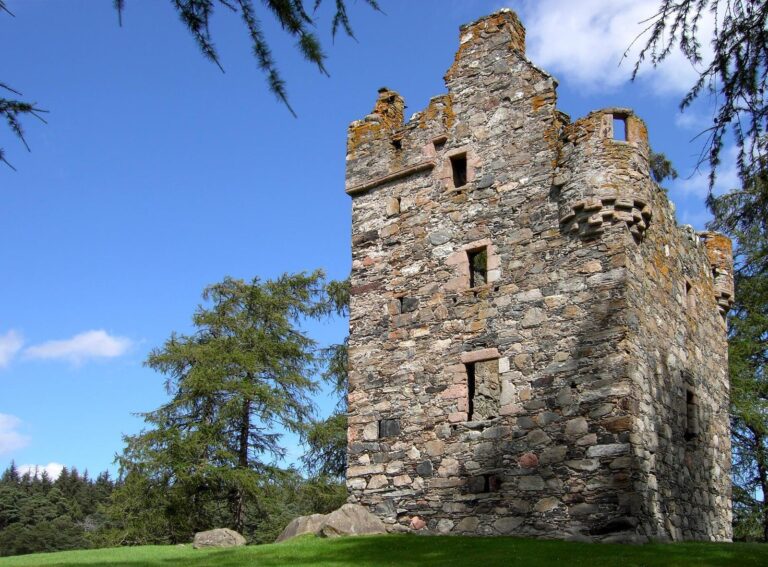
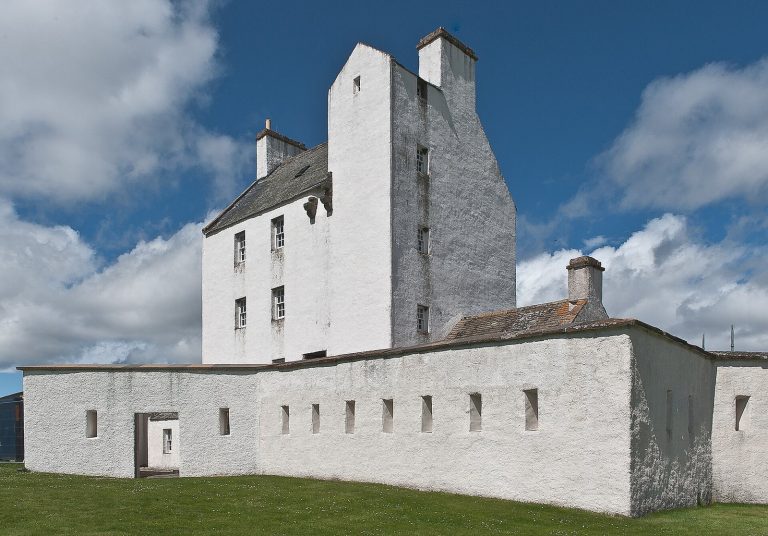
The Farquharsons, a Scottish clan, or historic kinship group, settled in the area in the fourteenth century. In the sixteenth century, they built a tower house at Invercauld. The building was remodelled in the late seventeenth century, with further changes in the eighteenth and nineteenth centuries. In 1875, the architect John Thomas Wimperis carried out an extensive remodelling.
Estate and royal connections
James Farquharson, the tenth Laird, or Scottish landholder, planted open woodland across much of the estate. Timber harvested there supplied shipyards in nearby Aberdeen. The estate’s sporting character and its proximity to Balmoral Castle made Invercauld a favored place to stay for Queen Victoria, monarch of the United Kingdom from 1837 to 1901. Invercauld House is a Category A listed building, and its grounds are included in Scotland’s Inventory of Gardens and Designed Landscapes for their historical and scenic value.
Remains
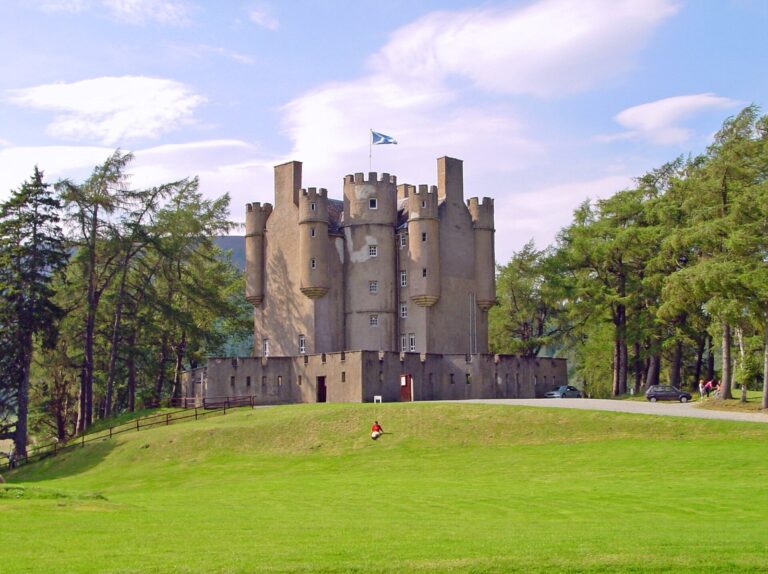
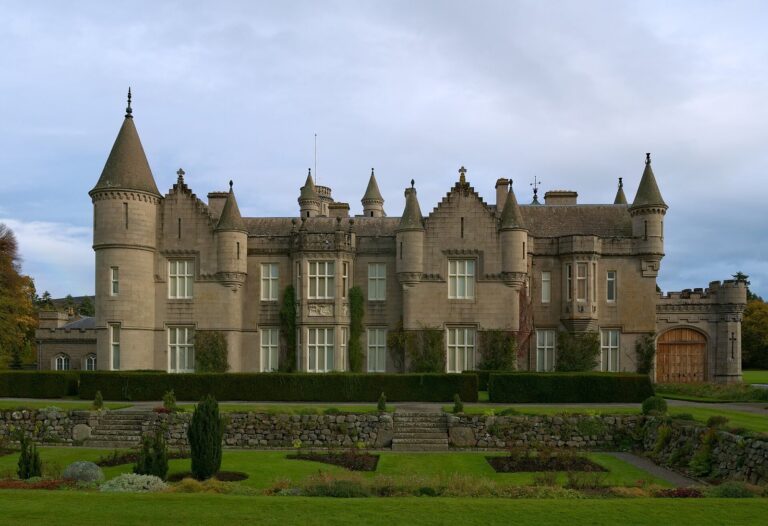
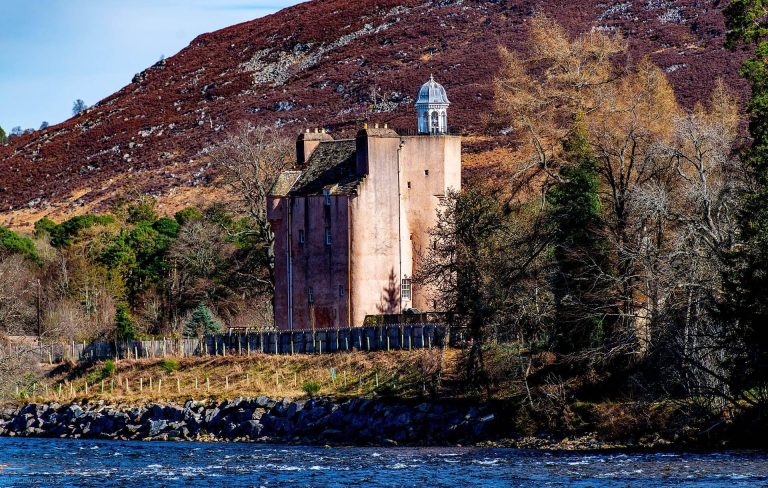
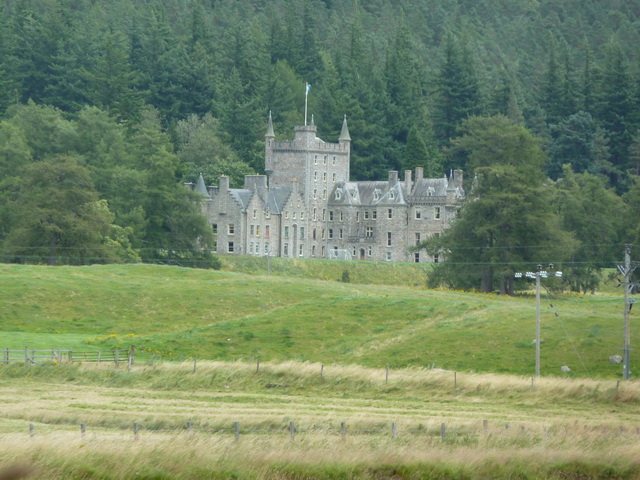
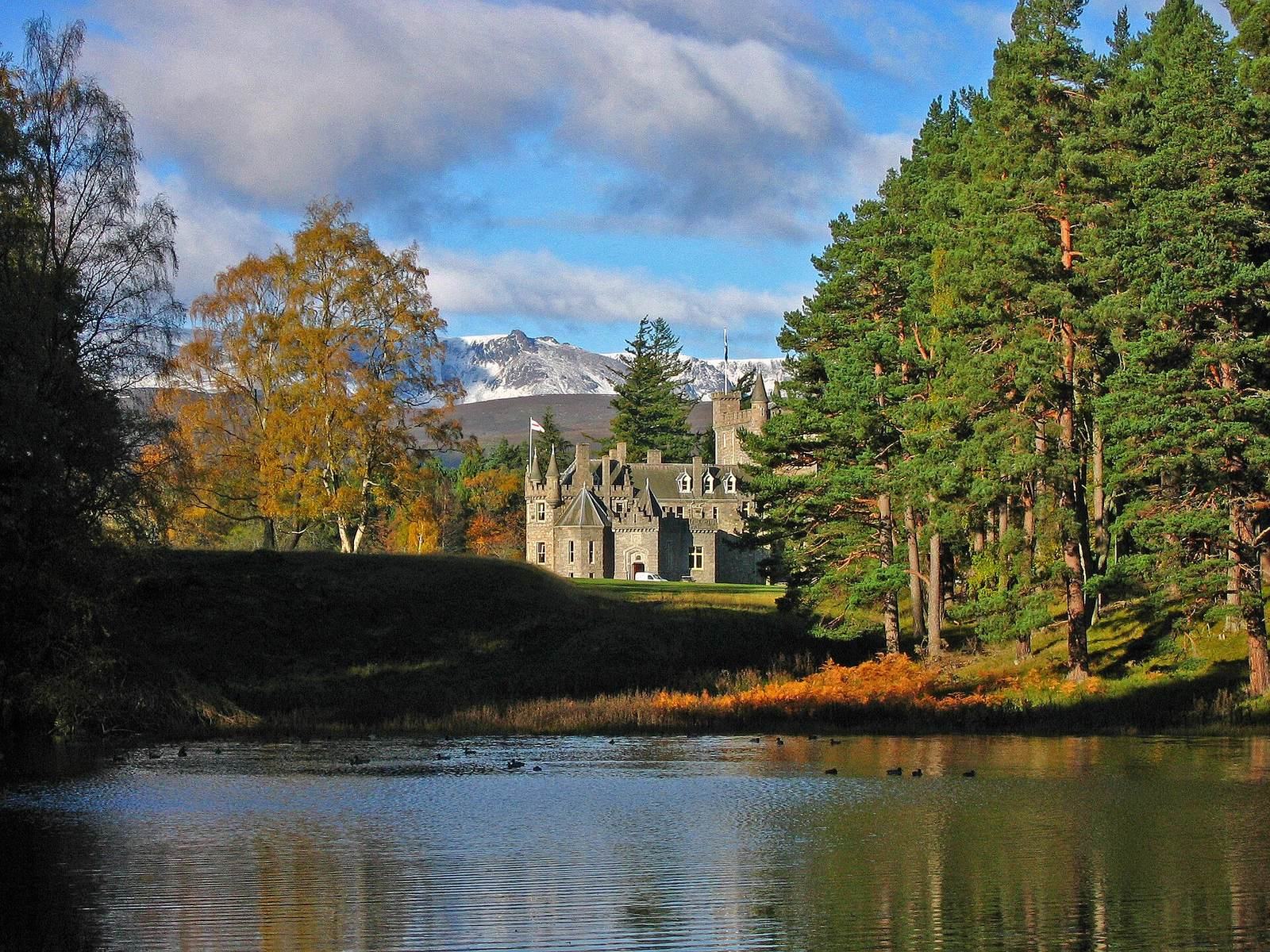
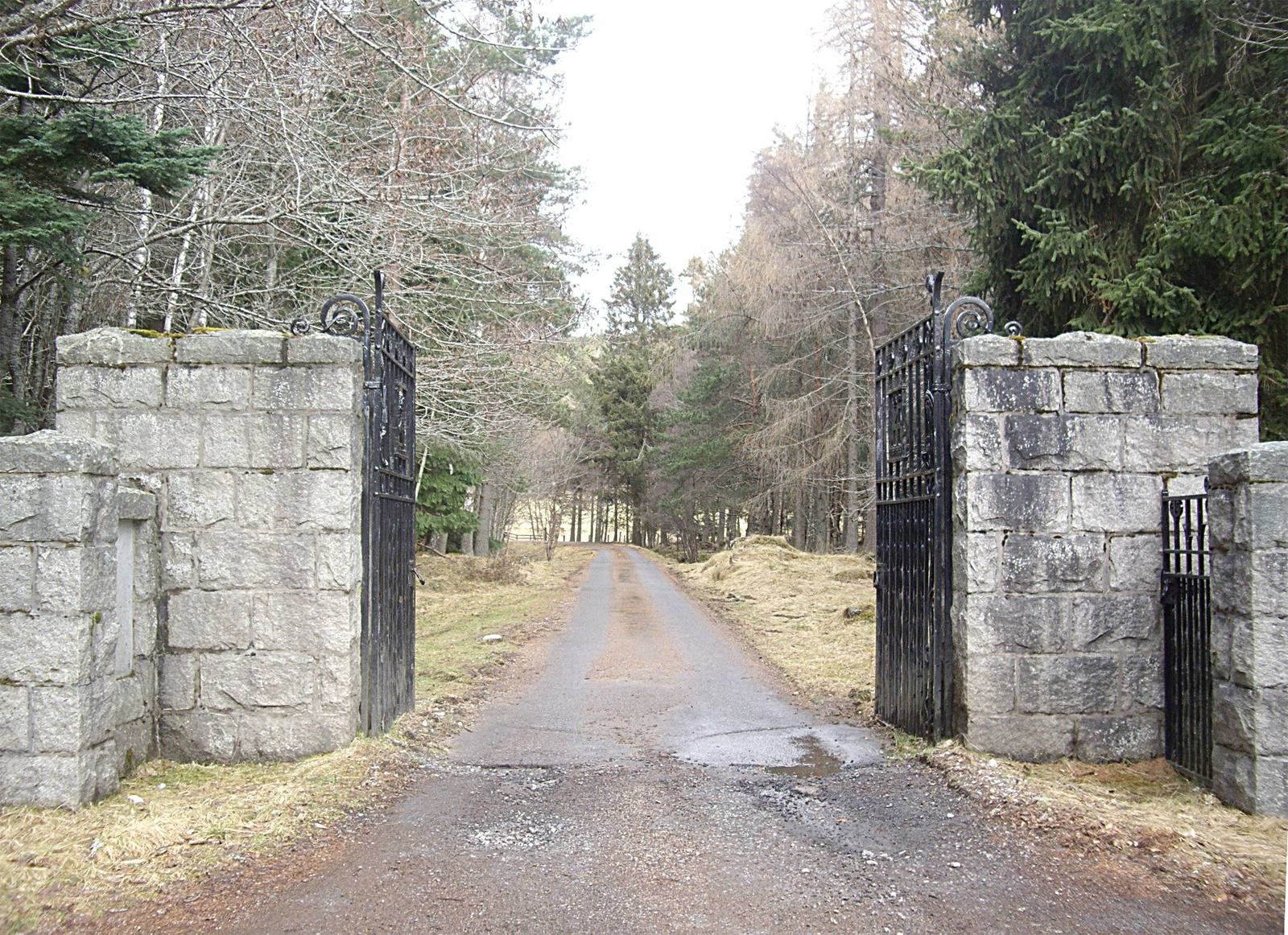
Invercauld House, also known as Invercauld Castle, is a country house near Braemar in Aberdeenshire, Scotland. It stands within an estate of about 520 square kilometres in the Cairngorms National Park, which also includes a stretch of the River Dee. The house is in the Scots Baronial style, a nineteenth-century design drawing on historic Scottish castles and baronial buildings.
A basement with a curved, vaulted ceiling survives from the sixteenth-century tower house. The house also retains many Victorian-era furnishings and paintings.