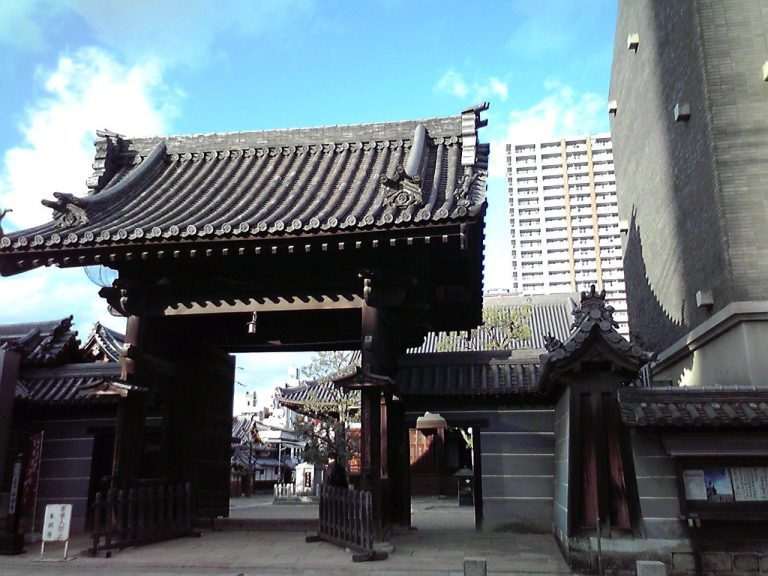
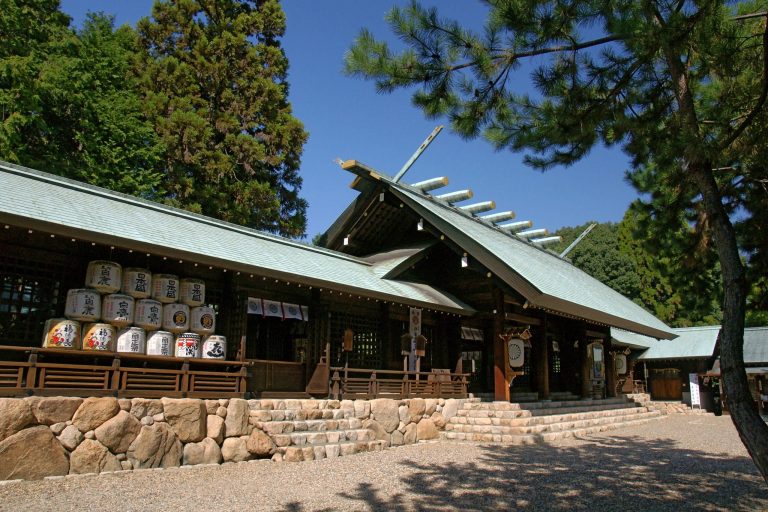
Inano Shrine: A Shinto Shrine and Historic Site in Itami, Japan


Site at a Glance
- Rating
- 4
- Popularity
- Low
- Country
- Japan
- Primary era
- Early Modern
- External website
- Open
- Eras represented
- Early Modern
- Civilizations
- Tokugawa
- Site type
- Religious
- Remains
- Sanctuary
On this page16 sections
History
Inano Shrine is a Shinto shrine in Itami, Japan, traditionally founded during the reign of Emperor Kōtoku in the Asuka period, around 645 to 654. Its principal enshrined kami, or sacred being in Shinto, is Inanoza Ōkami, worshipped together with Susanoo, Emperor Ōjin, Emperor Uda, Emperor Daigo, Minamoto no Tametomo, and Toyotomi Hideyori. The shrine was later transferred from Inadera, now in Amagasaki, to its present location in 904, although its foundation date remains under investigation.
Early history and local worship
Inano Shrine served as the ujigami, or protective tutelary deity, of Itami township. Over time, it was known by several names, including Nonomiya, Tennō Shrine, and Gozu Tennō Shrine. Its religious tradition follows the Gion faith, a Shinto tradition associated historically with disease prevention and worship centered on the deity commonly identified with Susanoo.
Itami Castle and the siege
In 1574, the military lord Araki Murashige extensively rebuilt Itami Castle as a sogamae, a fortified settlement whose surrounding town formed part of the defensive system. The shrine grounds became part of the castle’s northern outer defenses, where the Kishi-no-toride bastion was constructed.
During the Siege of Itami in 1579, a local commander defended the bastion until it fell to forces led by Oda Nobunaga. The precinct consequently forms part of the historical setting of the siege and of the castle’s wider defensive network.
Early modern rebuilding
The Itami area became territory of the Konoe family in 1661. Konoe Motohiro rebuilt the enclosure around the honden, or main sanctuary, in 1685, and the present main sanctuary was completed in 1686.
Religious reorganization and heritage status
In 1869, the policy known as shinbutsu bunri, the separation of Shinto institutions and practices from Buddhism, changed the organization of the shrine. The Kannon Hall, Jizō Hall, and Buddhist-related records were transferred to Kōngo-in. The shrine was renamed from Nonomiya to Inano Shrine and was later ranked as a Prefectural Shrine under the modern Shinto shrine-ranking system.
The precincts were designated in 1979 as part of the national historic site of the ruins of Itami Castle, with the entire shrine area included within that designation. The shrine is also a designated prefectural tangible cultural property, and associated buildings received Itami municipal tangible-cultural-property designation in 2019.
Festivals and procession
Important annual observances include the spring festival on April 23, the Nagoshi purification festival on June 30, the summer festival on July 16, and the autumn grand festival in October. From 1703, the festival procession traveled from Itami township to an otabisho, or temporary festival shrine, in Inadera village. This procession became the subject of a three-volume illustrated scroll.
Remains
The precinct occupies the northern end of the former Itami Castle’s encircling defensive system and the northern edge of historic Itami township. Its buildings follow the Kasuga-zukuri style, characterized by a compact sanctuary with a gabled roof and a projecting entrance canopy. Surviving structures, religious furnishings, commemorative objects, and a large tree preserve different layers of the shrine’s history.
Shrine buildings
Main sanctuary
The honden, or main sanctuary, was rebuilt in 1686 after the enclosure was reconstructed the previous year. It is a Hyōgo Prefecture tangible cultural property and forms the principal surviving sacred building within the precinct.
Offering hall
The heiden, or offering hall, was rebuilt around 1827. It is also designated as a Hyōgo Prefecture tangible cultural property, preserving a later phase of the shrine’s architectural development.
Stone furnishings and votive objects
Lanterns and guardian figures
The grounds contain 98 stone lanterns donated by sake brewers and merchants. The oldest dates from 1643, and the total includes one lantern in the garden of the priests’ living quarters. The pedestal of a pair of guardian komainu figures dates from 1768.
Mathematical votive tablet
A sangaku, or traditional Japanese mathematical problem tablet offered at a shrine or temple, is mounted in the worship hall. The tablet was dedicated in 1853 by the Okada school, and the surviving object is a reconstruction.
Tree and festival record
Mukuroji tree
A mukuroji, or soapberry tree, stands within the precinct. It is approximately 13.5 metres high, with a crown measuring about 14 metres from east to west and 12 metres from north to south. Its root spread is 95 centimetres, and its age is estimated at approximately 200 years. The tree became an Itami municipal natural monument in 1986.
Festival Procession Scroll
The three-volume Inano Shrine Festival Procession Scroll is preserved at the Itami City Museum. It depicts the large festival procession that traveled to Inadera from 1703 onward. The third volume was painted in 1898 by Tamate Hajime, who used the art name Bizan.