Ikeda Chausuyama Kofun: An Early Japanese Burial Mound in Osaka
Site at a Glance
- Rating
- 4
- Popularity
- Medium
- Country
- Japan
- Primary era
- Classical
- Eras represented
- Classical
- Civilizations
- Unclassified
- Site type
- Burial
- Remains
- Burial Mound
On this page7 sections
History
Early Kofun period
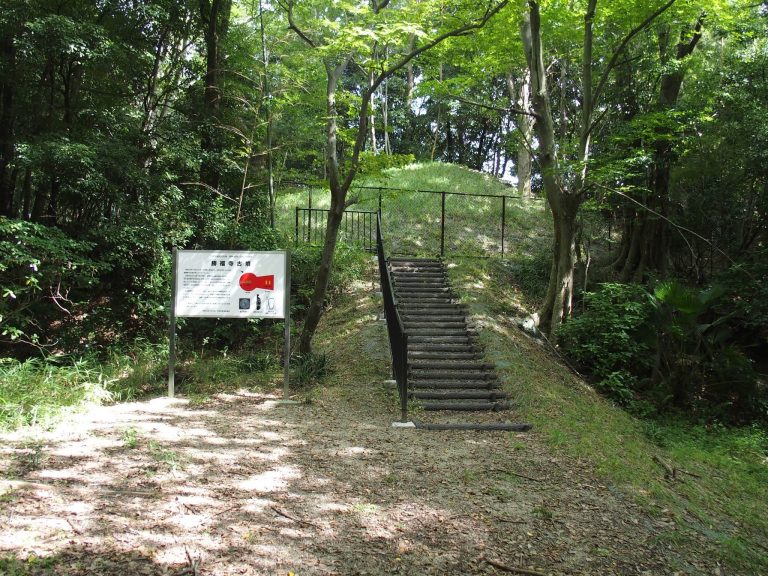
Ikeda Chausuyama Kofun is a Japanese burial mound, or kofun, in Ikeda City in northern Osaka, Japan. It was probably built around the middle of the fourth century, during the early Kofun period, the archaeological era associated with the construction of such tombs. It is considered one of the earliest burial mounds of local leaders on the Inagawa River’s left bank.
A later circular burial mound, measuring 27 metres across, stood about 500 metres to the northwest. Its smaller scale has been interpreted as evidence of declining local power amid changing fortunes among groups in the Inagawa River basin.
Preservation and archaeological work
A land-reorganization project planned to remove the mound in 1957. A preservation campaign led to an excavation in 1958 and the site’s protection. The mound became an Osaka Prefecture historic site in 1972. In 1978, its excavated artifacts were designated Ikeda City tangible cultural property and placed at the Ikeda City History and Folklore Museum.
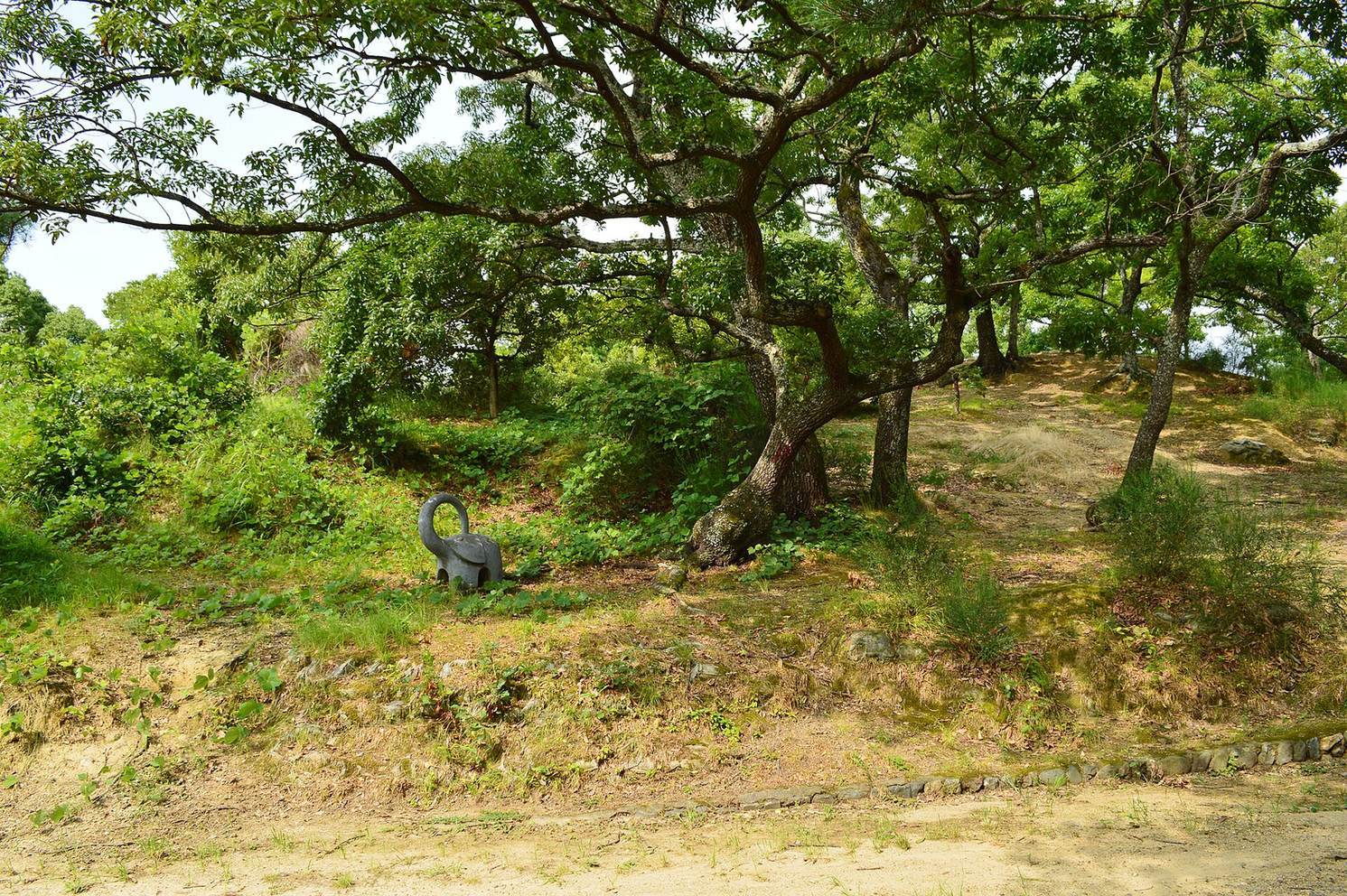
The Ikeda City Board of Education carried out further excavations in fiscal years 2015 and 2016, followed by protective work in fiscal 2017. After improvements to the site, the mound was maintained as a historic-site park within Chausuyama Park.
Remains
Mound and burial features
Mound form and exterior
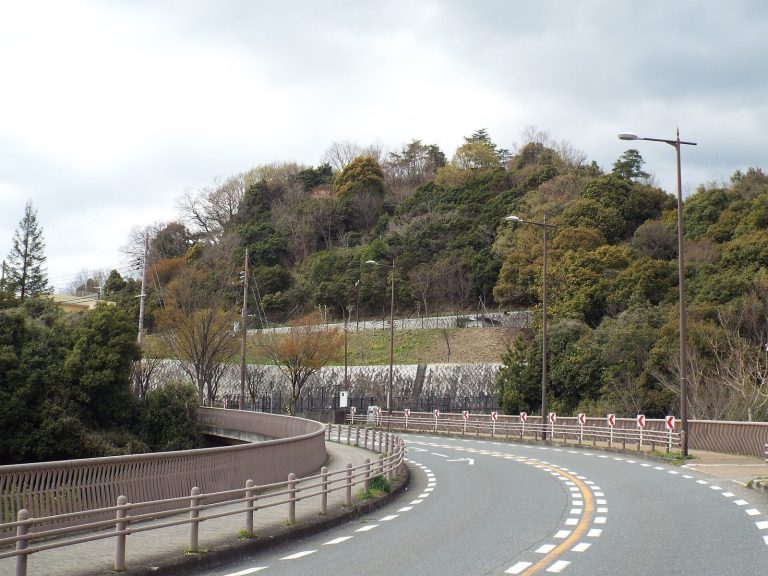
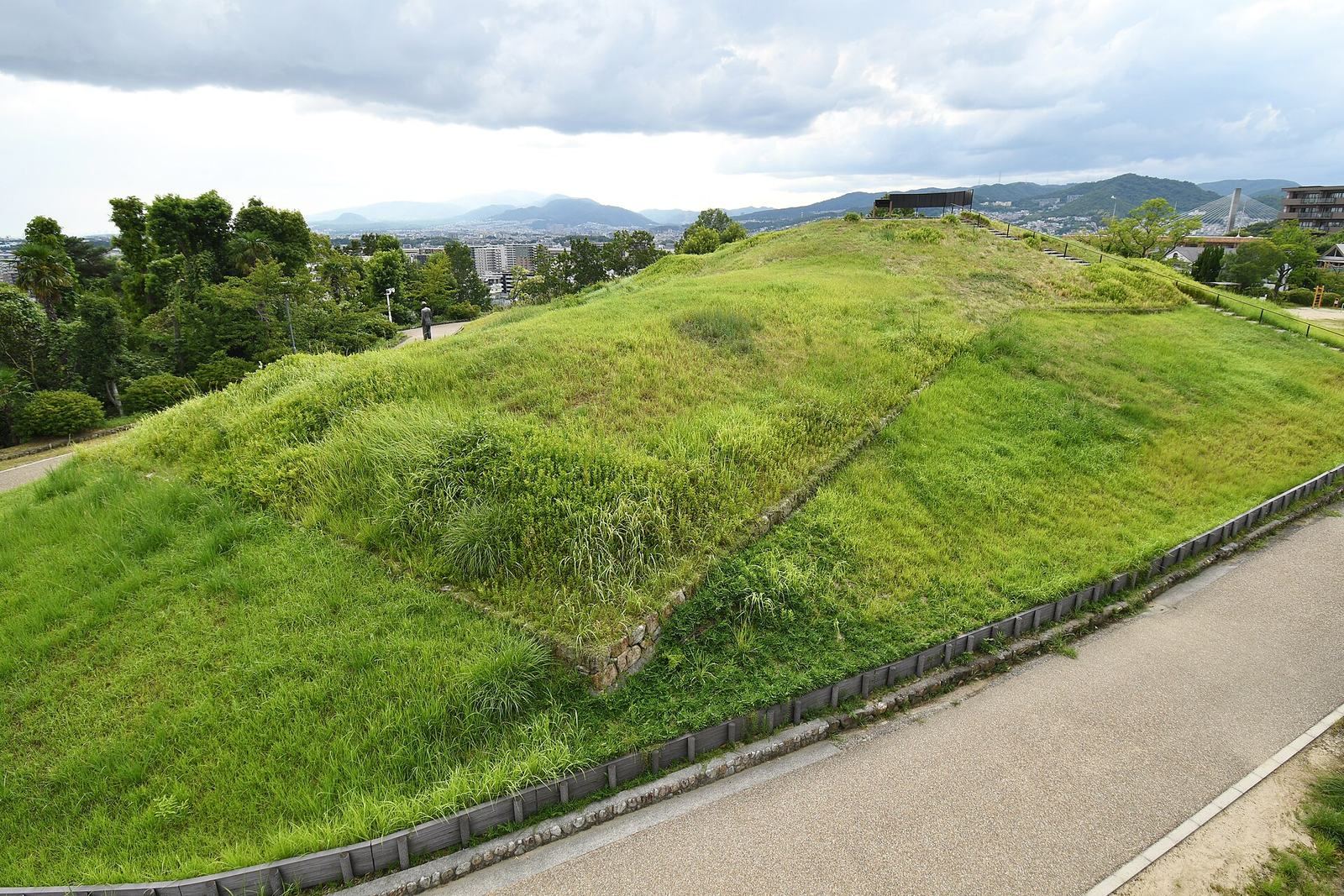
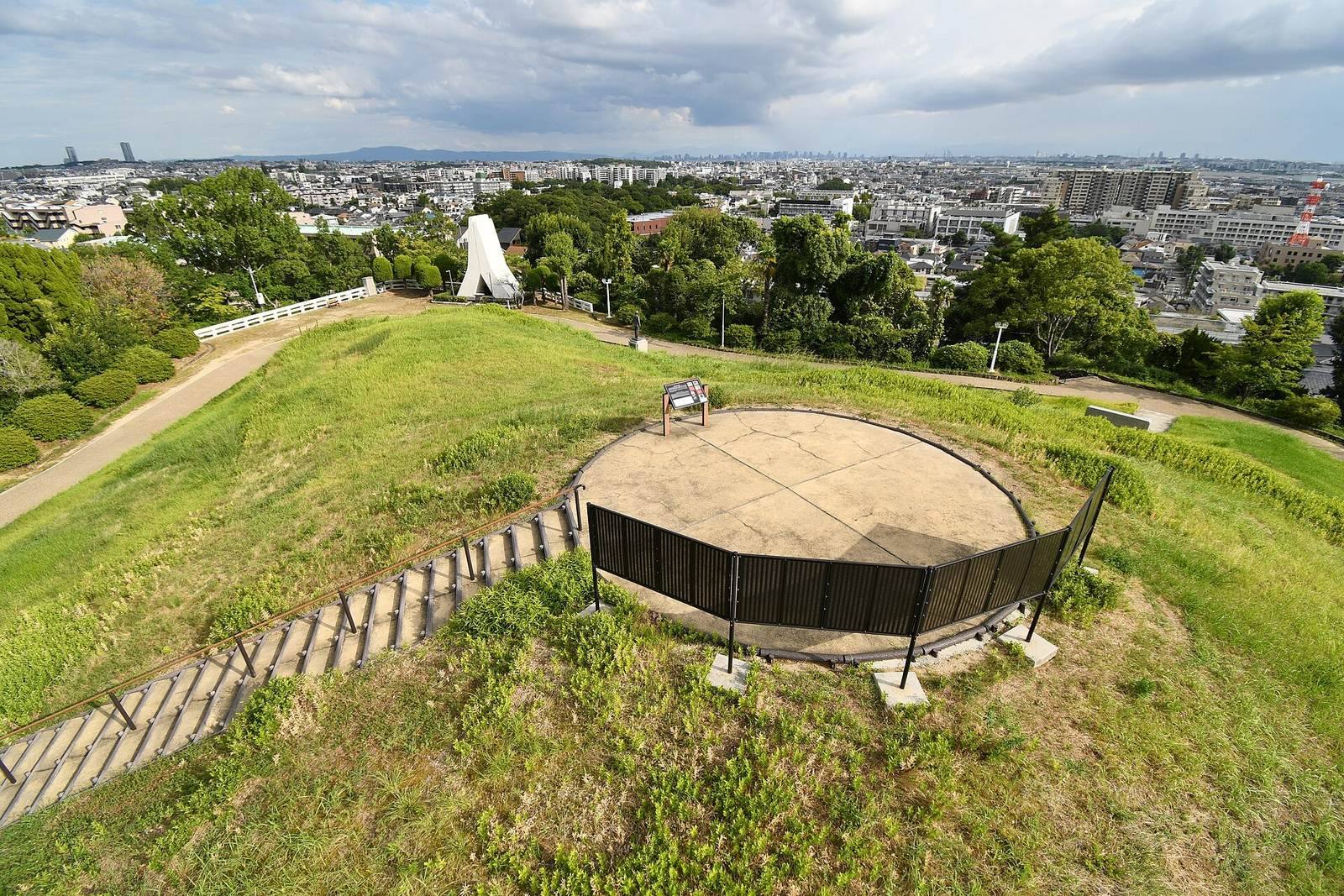
The mound stands at a saddle in the hills of northern Osaka. It is 59.5 metres long and has a keyhole shape, with a relatively undeveloped front section facing southeast. Its form belongs to a type described as hand-mirror-shaped. Stone facing and rows of haniwa, fired-clay objects associated with Japanese burial mounds, were found on the exterior. Its proportions are about one-quarter those of a larger mound in Sakurai, Nara Prefecture. Another mound in Kobe, Hyogo Prefecture, is also about one-quarter the scale of that larger example and closely matches Ikeda Chausuyama Kofun in shape.
Burials and finds
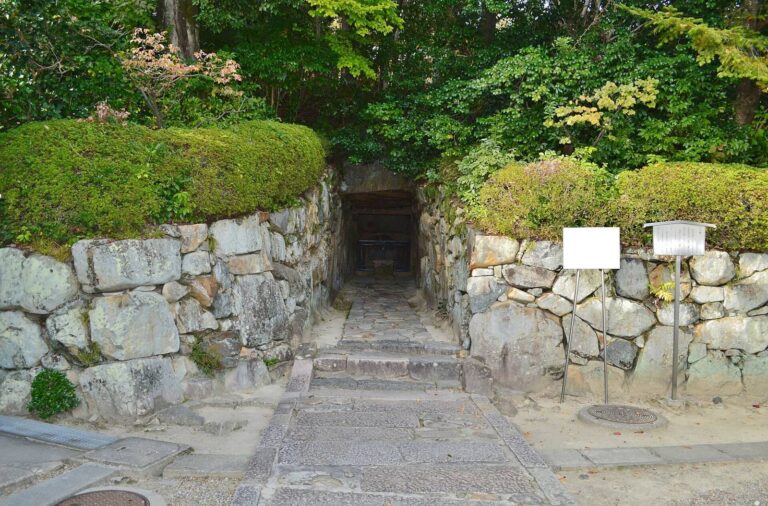
A single stone burial chamber, built in a pit, lies at the centre of the rear section. The chamber had been looted, but excavation recovered several grave goods and fragments of haniwa. Two cylindrical examples served as coffins: one was found where the front and rear sections meet, and the other north of the rear section.