Gogazuka Kofun: A Japanese Burial Mound in Itami
Site at a Glance
- Popularity
- Medium
- Country
- Japan
- Primary era
- Classical
- Eras represented
- Classical, Early Modern
- Civilizations
- Tokugawa, Yamato
- Site type
- Burial
- Remains
- Burial Mound
On this page9 sections
History
Gogazuka Kofun is a Japanese burial mound in Itami, Hyogo Prefecture, Japan, probably built in the latter half of the fifth century. It was the northernmost mound in the Tsukaguchi Kofun group, which extended north to south toward the area around present-day Tsukaguchi in Amagasaki.
Origins and local traditions
The mound and four smaller mounds around it were collectively known as the “Five Mounds.” The name Gogazuka is thought to have developed from this group name. Residential development later destroyed many mounds in the group, including Gogazuka’s four subsidiary mounds.
A local tradition connects the site with Gyōki, a Buddhist monk active in the seventh and eighth centuries. He is said to have prayed there for the success of land reclamation during the construction of Koyaike pond.
The imperial mausoleum tradition
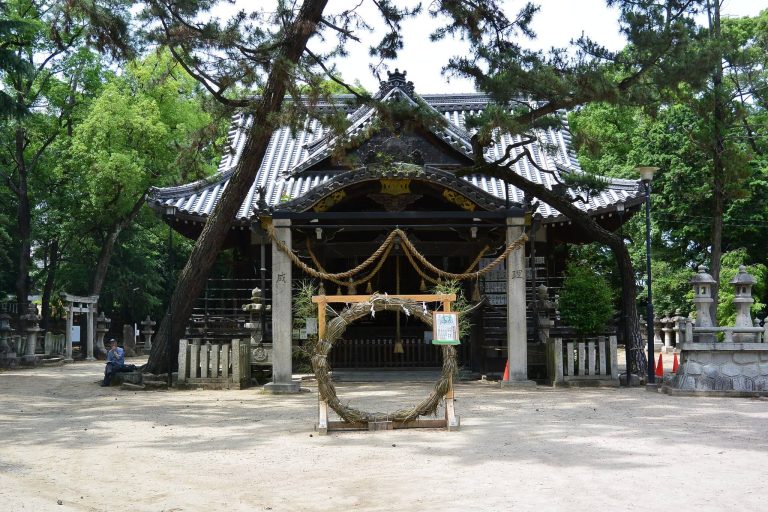
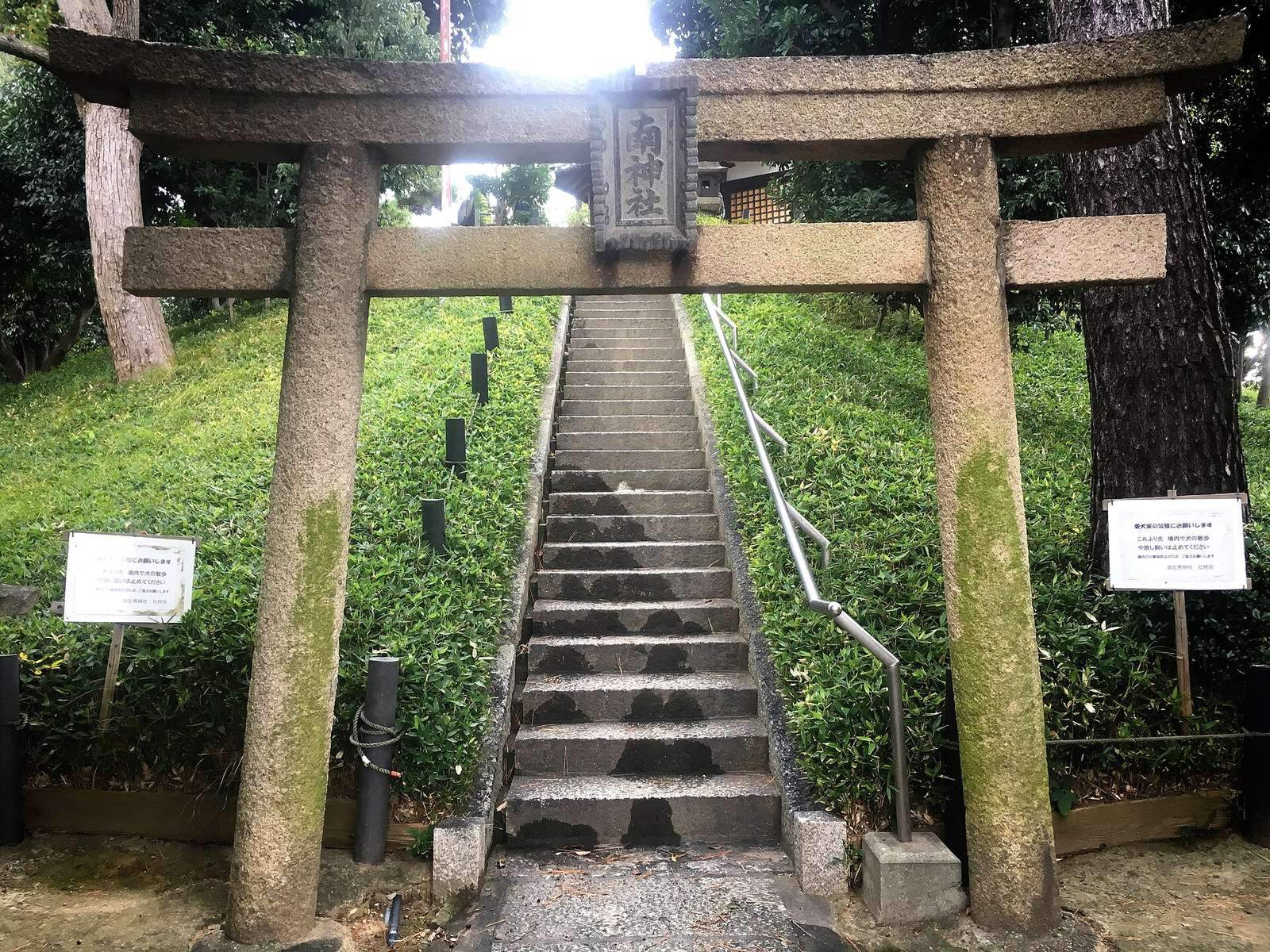
The South Shrine on the mound’s summit is traditionally dated to 1681. It was one of the tutelary shrines of Gogazuka village, alongside Susanoo Shrine, and enshrines Emperor Kōtoku. Residents long believed the mound to be the emperor’s mausoleum.
In 1875, villagers excavated the mound with government permission, but officials ordered them to stop. A request to recognize it as Kōtoku’s tomb was refused because the Osaka-Isonaga Mausoleum had already been identified as his burial place. Later investigations largely rejected the connection. A member of the local elite is now considered a more likely occupant, though the person’s identity remains unknown.
Archaeology and preservation
Hyogo Prefecture designated Gogazuka a historic site and cultural property in 1966. A local preservation association formed in 1967, followed by a youth group dedicated to protecting cultural properties in 1968. Itami’s municipal education board carried out the first archaeological excavation in 1969, and investigations have taken place intermittently since then. Work to improve the area around the mound followed in 1999. The groups have also cleaned and pruned the mound and organized educational activities, including programs for schoolchildren.
The site was formerly known for its Kirishima azaleas. In 1974, preservation association members raised seedlings to maintain the plantings. A project marking the association’s fiftieth anniversary in 2017 planted azaleas grown from cuttings in an effort to renew that association with the site.
Remains
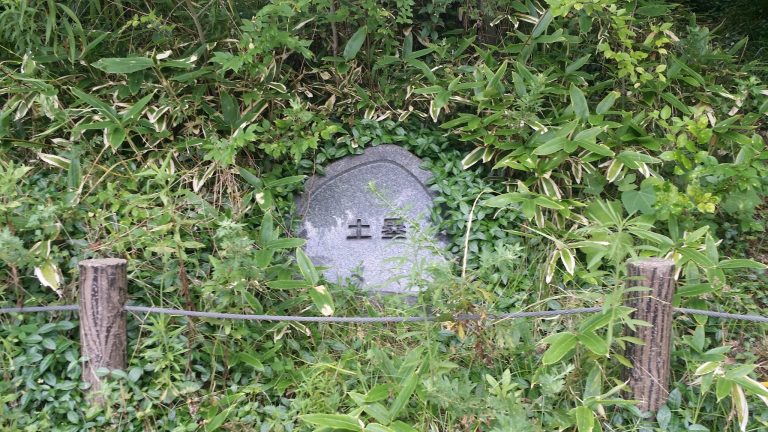
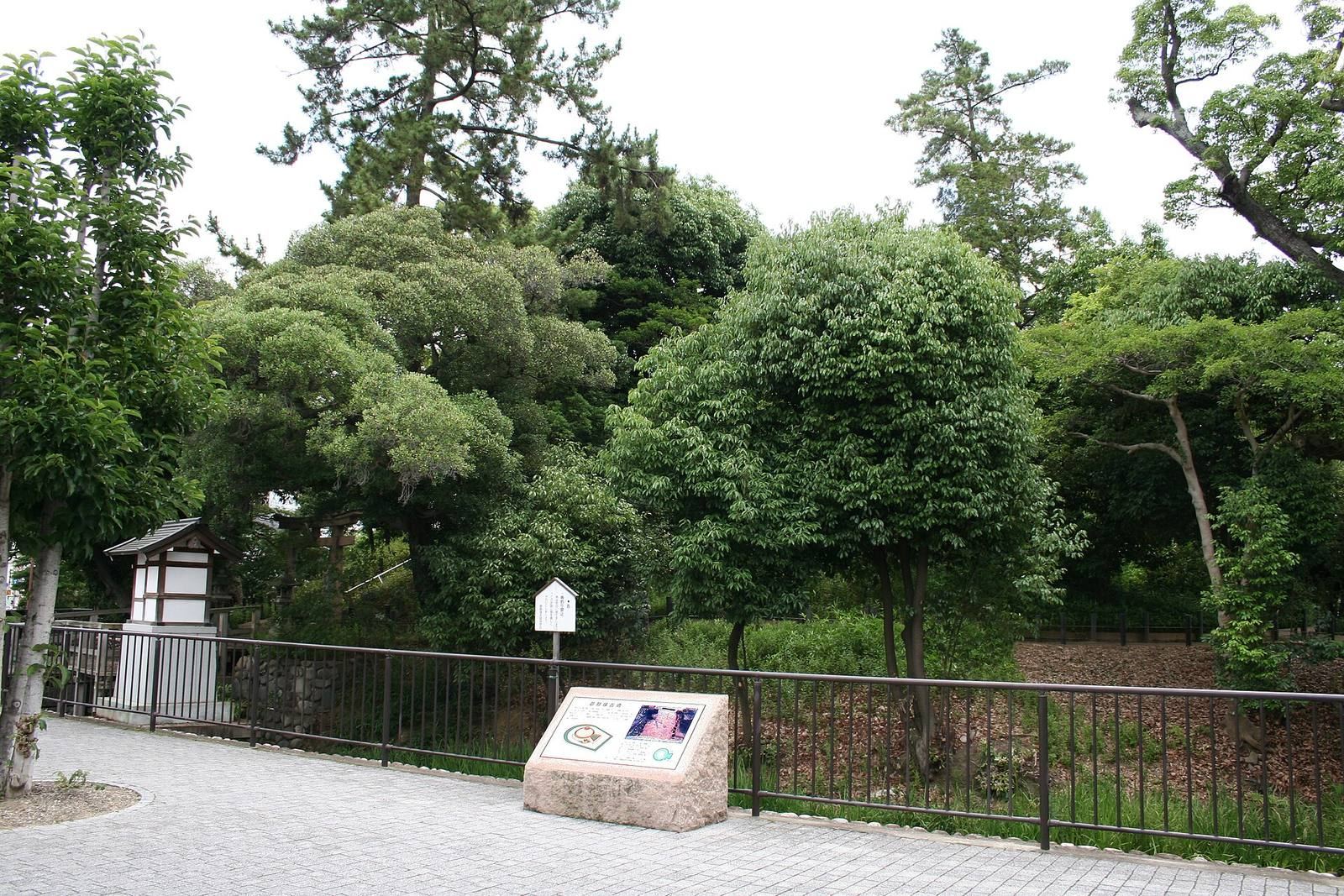
The site centers on a scallop-shaped kofun, a Japanese burial mound with a circular body and a short rectangular projection at the front. The South Shrine stands on the summit, while stone markers indicate the former positions of four subsidiary mounds.
Burial mound and summit shrine
Main mound and former satellites
The main mound measures 52 metres in length and 7 metres in height, and retains almost its original form. The stone markers around it mark the locations of the four former subsidiary mounds.
South Shrine
The shrine’s wooden main sanctuary stands inside a wooden protective shelter. It is a single-bay structure, meaning it spans one bay across the front, in the Kasuga style, a traditional shrine form named for Kasuga Taisha in Nara. The sanctuary has no corner rafters, matching the stated design of the main sanctuary at Susanoo Shrine.
Finds and stonework
Finds associated with the mound include cylindrical haniwa, clay objects linked with burial mounds, and Sue ware, a type of ancient Japanese pottery. The 1875 excavation exposed stonework before work was halted.