Ilsenburg House: A Noble Residence and Religious Seminary in Germany
Site at a Glance
- Popularity
- Medium
- Country
- Germany
- Primary era
- Modern
- Eras represented
- Medieval, Early Modern, Modern
- Civilizations
- Holy Roman Empire, Kingdom of Prussia
- Site type
- Domestic
- Remains
- Elite Residence
On this page8 sections
History
Abbey estate and comital residence
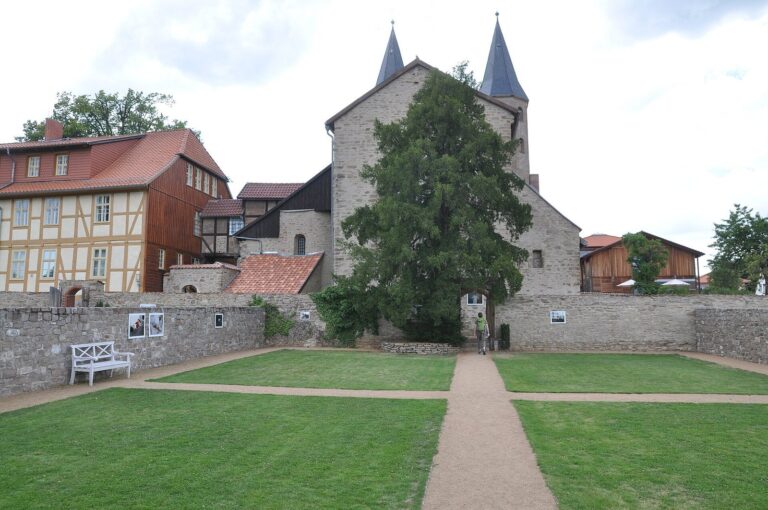
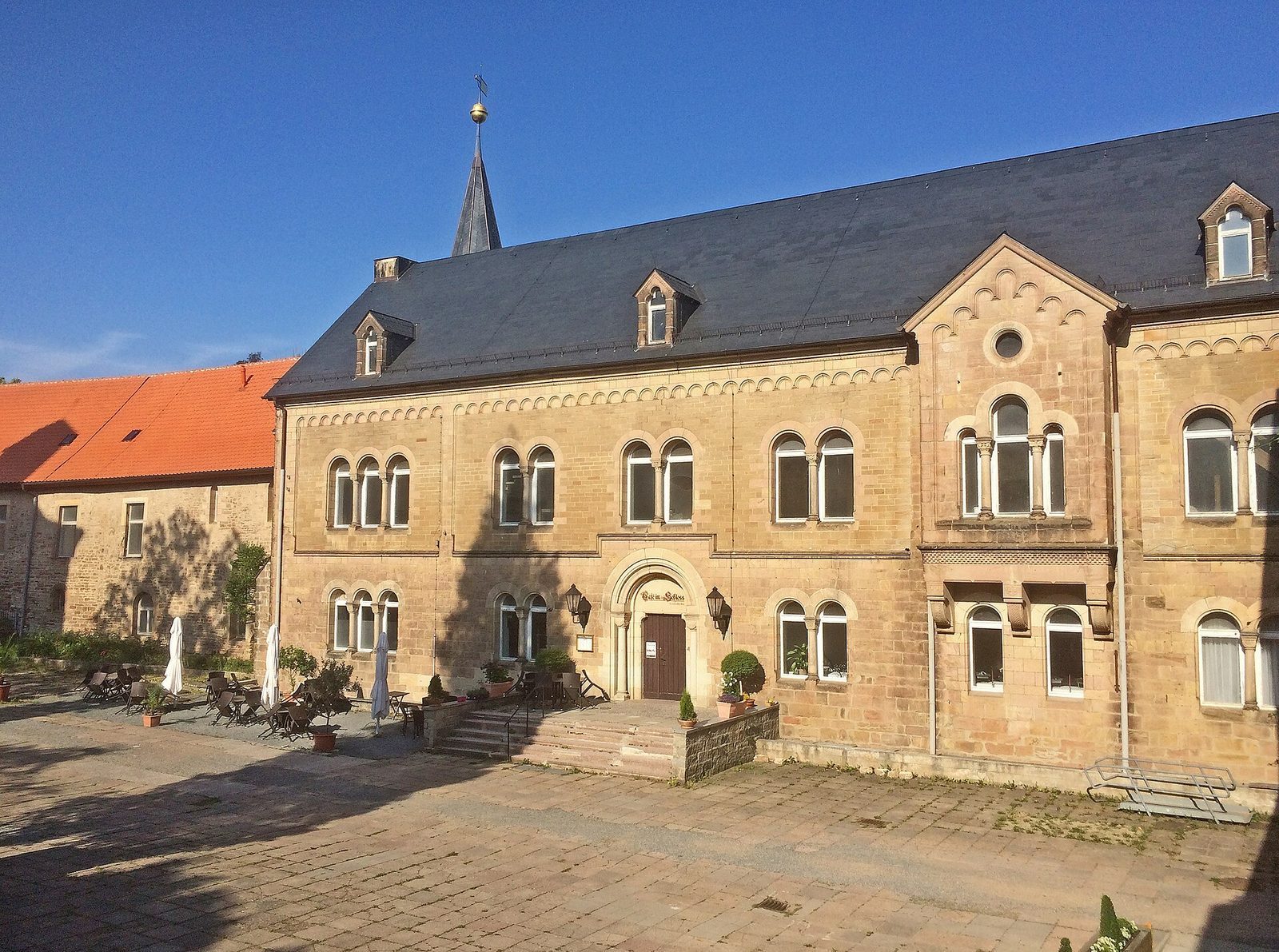
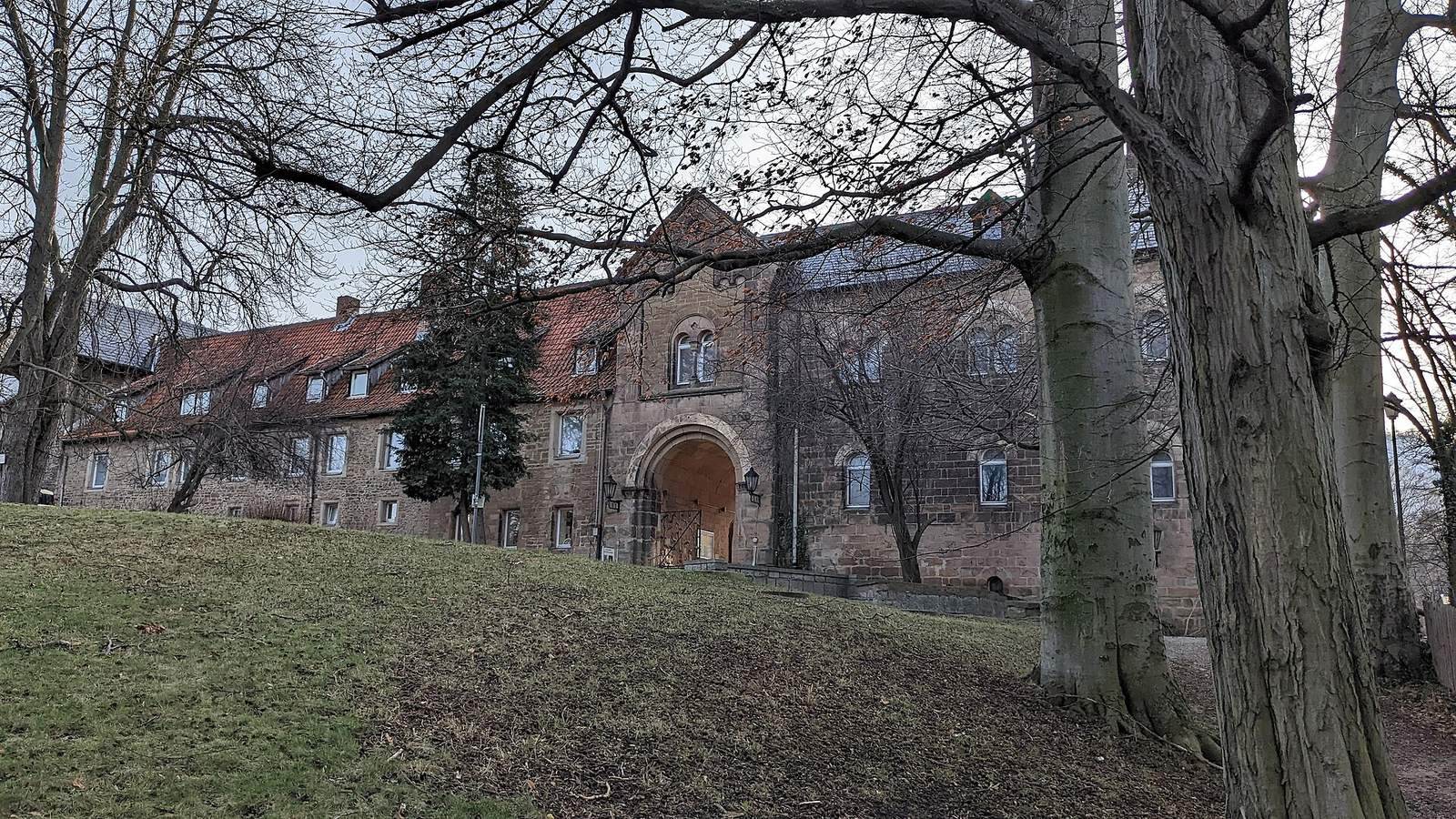
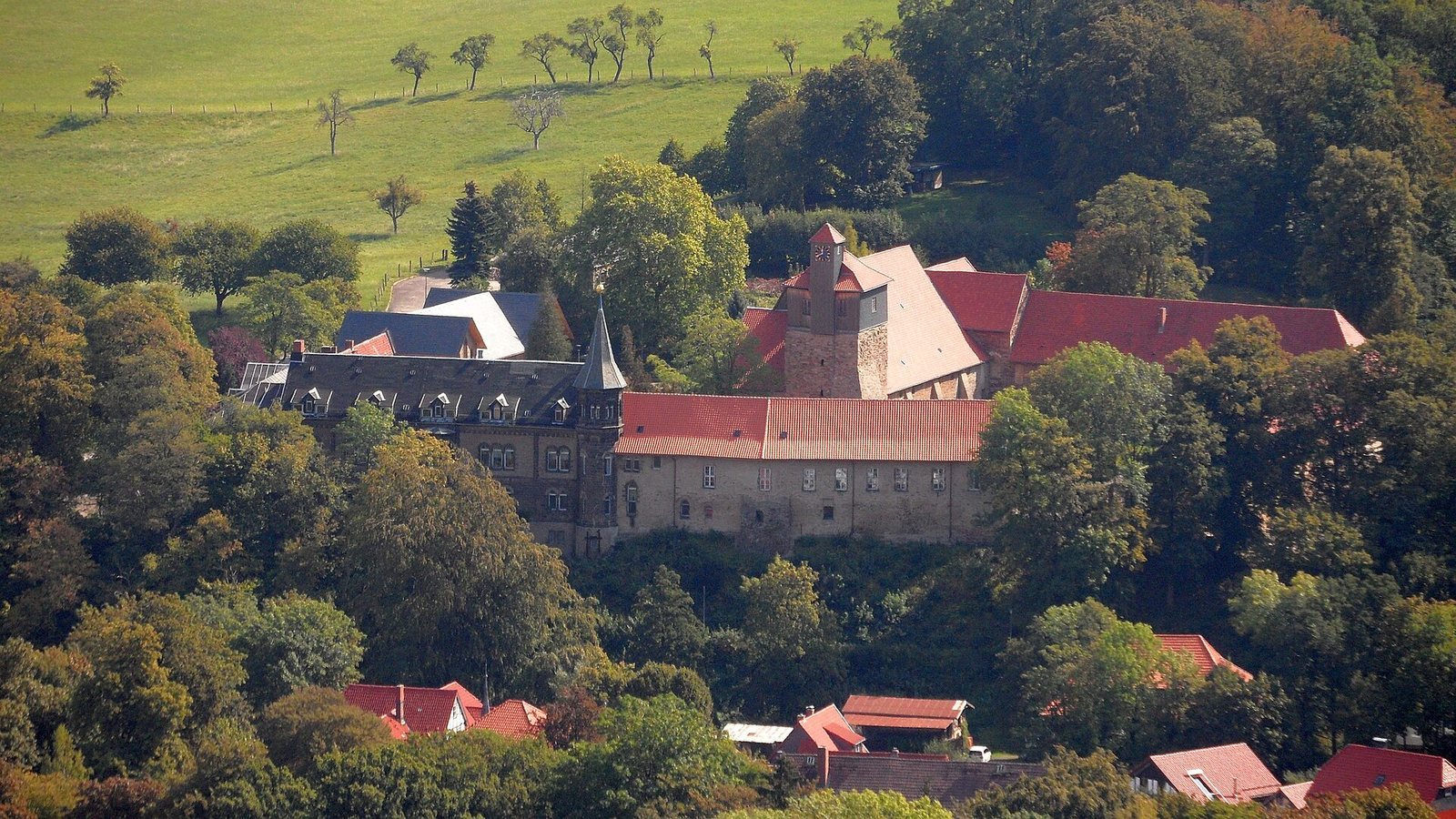
Ilsenburg House is a former noble residence in Ilsenburg, Germany, whose present complex was developed from 1860 by the counts of Stolberg-Wernigerode in the Neo-Romanesque style, a nineteenth-century revival of medieval Romanesque architecture. Its earlier residence became the counts’ court in 1648, and they governed their county from Ilsenburg for about six decades.
After the counts of Wernigerode died out, the counts of Stolberg held guardianship over Ilsenburg Abbey from 1429. When the Benedictine monastery was dissolved in the sixteenth century, they took control of the abbey and its estates. In 1687, Frederick William I, Elector of Brandenburg, recognized the secularized estate as his property. An elector was a prince entitled to vote in the election of the Holy Roman Emperor.
The Thirty Years’ War, a major European conflict lasting from 1618 to 1648, brought damage to Wernigerode Castle. In September 1648, Count Henry Ernest moved his court to Ilsenburg, taking up a residence built between 1609 and 1615 by his cousin Henry for Henry’s wife, Adriane. Henry Ernest and his son Ernest governed their county from the house for the next six decades. The family called it the Stolberg Counts’ House at Ilsenburg.
Changes in use and nineteenth-century rebuilding
Around 1700, Count Ernest arranged for the former abbey church to be redesigned. In 1710, the counts of Stolberg-Wernigerode moved their seat back to Wernigerode. In the following decades, the monastery’s remaining buildings were put to economic uses, while the counts’ officials lived in nearby buildings.
Between 1861 and 1863, Count Otto of Stolberg-Wernigerode expanded the property above the Ilse as a residence for his uncle Botho, deliberately reviving the abbey’s Romanesque style. From 1897, the house served as a dowager residence, a home for a noble widow, for Princess Anna of Stolberg-Wernigerode and her daughter Elisabeth. The Stolberg-Wernigerode princes owned it until 1945.
Church institutions and wartime occupation
In 1929, Prince Christian Ernest leased the house, the surviving buildings of the former monastery precinct, and the adjoining park to the Evangelical Church of the Old Prussian Union, a Protestant church union in Prussian territories. After renovations, its Ecclesiastical Mission Seminary began training theologians for overseas service in January 1930. The seminary was supported by the Confessing Church, a Protestant movement opposing Nazi efforts to bring churches under state control, and was dissolved in 1936. That year, the Old Prussian Evangelical Supreme Ecclesiastical Council established a convalescent home for church workers in some rooms; an Evangelical preaching seminary followed in 1938.
During the Second World War, the house accommodated a reserve military hospital and a resettlement camp established by the Nazi regime. It was plundered in May 1945, shortly before the war ended. The Stolberg-Wernigerode family was dispossessed several months later.
Postwar institutions and ownership
The municipality of Ilsenburg became the owner and granted the Old Prussian Union an 80-year right to use the property and benefit from it without owning it. The site subsequently housed a pastoral college, a singing academy, and the Evangelical Research Academy, founded there in 1948. When an exclusion zone was established along the Inner German border in 1961, church activity had to stop. The Stasi, East Germany’s state security and intelligence service, controlled the property until 1972.
From 1974 to 1990, the house was a convalescent home for employees of East Germany’s Ministry of Agriculture and Food Industry, the government department responsible for agriculture and food production. It then operated as a hotel until the Ilsenburg Abbey Foundation acquired it in 2005. The foundation has owned the property since then.
Remains
House and former monastic precinct
The property includes the house, surviving residential and communal buildings from the medieval monastery, and an adjoining park. The complex was built from 1860 onward on the west and north sides of Romanesque Ilsenburg Abbey, and its present appearance dates mainly to the second half of the nineteenth century. The earlier dowager residence was a small house on the western side of the former abbey grounds. The later buildings expanded for Botho stood above the Ilse.
Furnishings of the former abbey church
The former abbey church contains a high altar, a pulpit, and a carved baptismal angel, an angel figure associated with a baptismal font. These furnishings are examples of Baroque wood carving and display the sculptural skill of their makers.