Hubbardton Battlefield: A Revolutionary War Rear-Guard Battlefield in Vermont
Site at a Glance
- Rating
- 4.6
- Popularity
- Low
- Country
- United States
- Primary era
- Modern
- Eras represented
- Modern
- Civilizations
- Unclassified
- Site type
- Military
On this page8 sections
History
Hubbardton Battlefield is a Revolutionary War battlefield in Castleton, Vermont, United States, where American, British, Brunswick, Loyalist, and Indigenous forces fought on July 7, 1777, during the Saratoga campaign. The battle took place in the New Hampshire Grants, a territory then disputed chiefly by New York and New Hampshire and later incorporated into Vermont. It formed part of the British attempt to separate New England from the other American colonies by advancing toward the Hudson River.
The retreat from Fort Ticonderoga
The battle followed the American evacuation of Fort Ticonderoga on the night of July 5. British forces under General John Burgoyne had placed artillery on Mount Defiance, also known as Rattlesnake Mountain or Sugar Loaf Hill, overlooking the fort. General Arthur St. Clair then led most of his army through Hubbardton toward Castleton, leaving the rear guard to rest and collect stragglers.
St. Clair left Colonel Seth Warner with the Green Mountain Boys, a Vermont militia organization formed during the earlier dispute over the New Hampshire Grants, and Colonel Nathan Hale’s 2nd New Hampshire Regiment. They were expected to await Colonel Ebenezer Francis’s 11th Massachusetts Regiment and other men separated from the main army. Warner instead decided to remain at Hubbardton overnight rather than continue toward Castleton. He placed the Americans on Monument Hill and sent patrols along the road toward Ticonderoga.
General Simon Fraser learned of the evacuation early on July 6 and pursued the Americans with British grenadiers and light infantry, about 100 Loyalists, and Indigenous scouts. Grenadiers were specially selected infantry used in assault operations, while light infantry and jägers were trained for skirmishing, scouting, and difficult terrain. Burgoyne ordered German reinforcements under General Friedrich Adolf Riedesel to follow Fraser. Fraser halted about three miles from Hubbardton, and Riedesel’s main body stopped farther behind after marching late into the day.
The battle of July 7, 1777
Fraser attacked near dawn on July 7 and initially surprised parts of Hale’s regiment. Francis’s men formed a defensive line and drove back the first British advance. The Americans later attacked Fraser’s left flank, but Riedesel’s grenadiers and jägers arrived and supported the assault on the American flank and center.
The Americans withdrew toward Monument Hill and resisted several British attacks. Francis continued directing his men after suffering an arm wound, but he was killed during the final retreat across an open field. The American force then broke up across the surrounding countryside. Colonel Hale and a detachment of 230 Americans were captured. The British buried Francis with Brunswick soldiers who had died in the battle, treating him with respect as a fellow officer.
St. Clair had sent Henry Brockholst Livingston and Isaac Dunn to bring nearby militia companies to Hubbardton. The militia retreated and did not return to the fighting, while Livingston and Dunn continued toward the battlefield and later carried news of the action to Castleton.
Aftermath and military importance
The surviving American rear-guard troops withdrew toward Rutland and tried to rejoin St. Clair’s army. Fraser’s scouts and Indigenous forces harassed the retreat, while shortages of food and shelter caused some participants to remain on the road for as long as five days. The Brunswick troops left for Skenesboro on July 8. Fraser later sent about 300 American prisoners toward Fort Ticonderoga and moved his exhausted force toward Castleton and Skenesboro.
Hubbardton was a British tactical victory because Fraser and Riedesel defeated the American rear guard. It was also a strategic American success, since the main body of St. Clair’s army escaped and continued the campaign. That army’s survival contributed to the later American successes at Bennington and Saratoga, where the British campaign ultimately failed.
Casualty totals vary. Official British and German returns listed 50 killed and 143 wounded. Historian Richard M. Ketchum gave British losses as 60 killed and 168 wounded, with American losses of 41 killed, 96 wounded, and 230 captured. Lieutenant Anburey reported much higher battlefield totals, which would imply American losses of about 150 killed, 457 wounded, and 230 captured after British, Canadian, and German losses were subtracted.
Preservation and interpretation
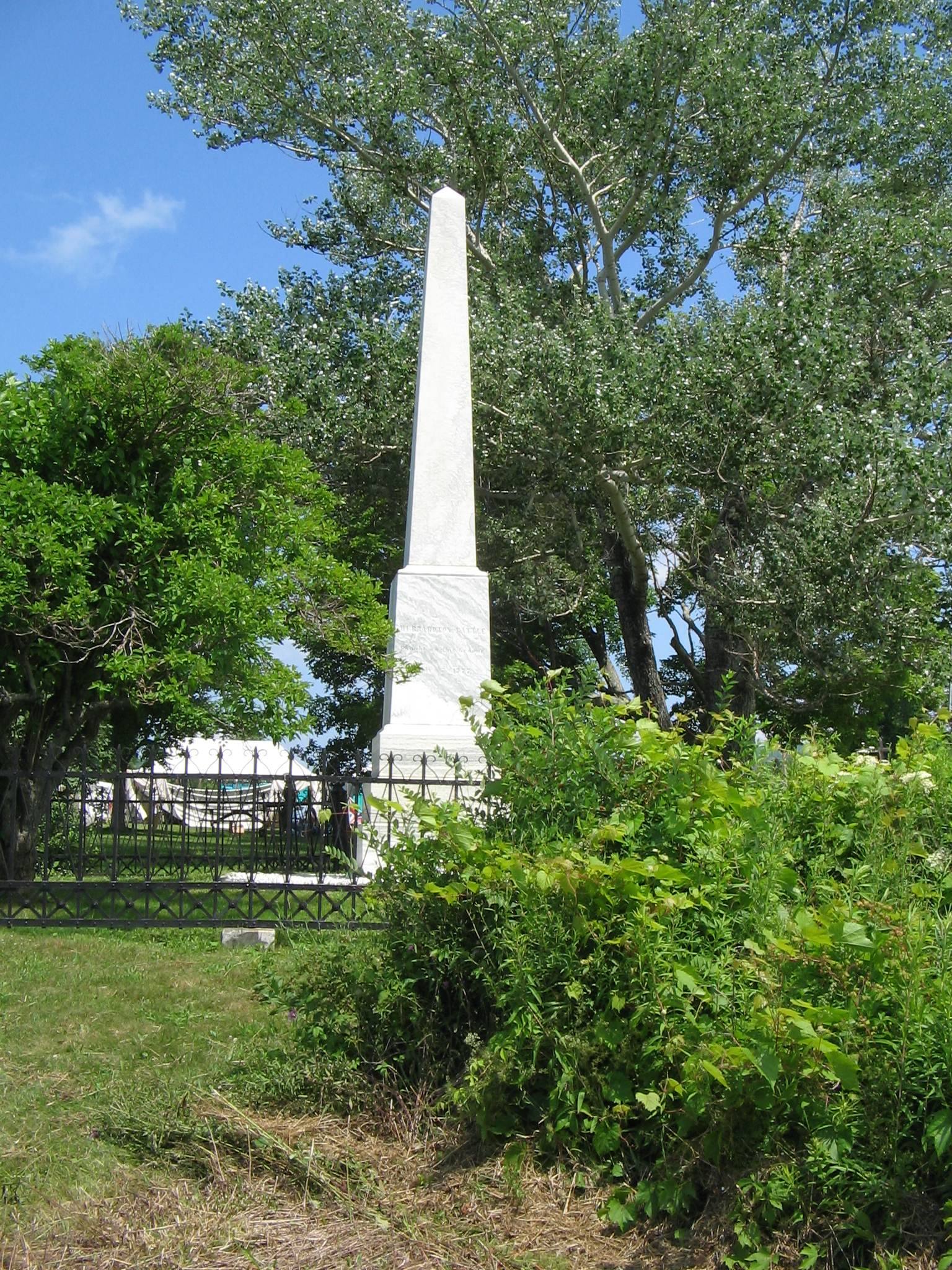
A local organization commissioned a battlefield monument in 1859. Vermont began acquiring land at Hubbardton in the 1930s, and the state’s Division for Historic Preservation has owned and operated the site as a state historic site since 1937. Hubbardton Battlefield was added to the National Register of Historic Places in 1971, and its permanent interpretation places the fighting within the wider Revolutionary War.
Remains
The battlefield landscape
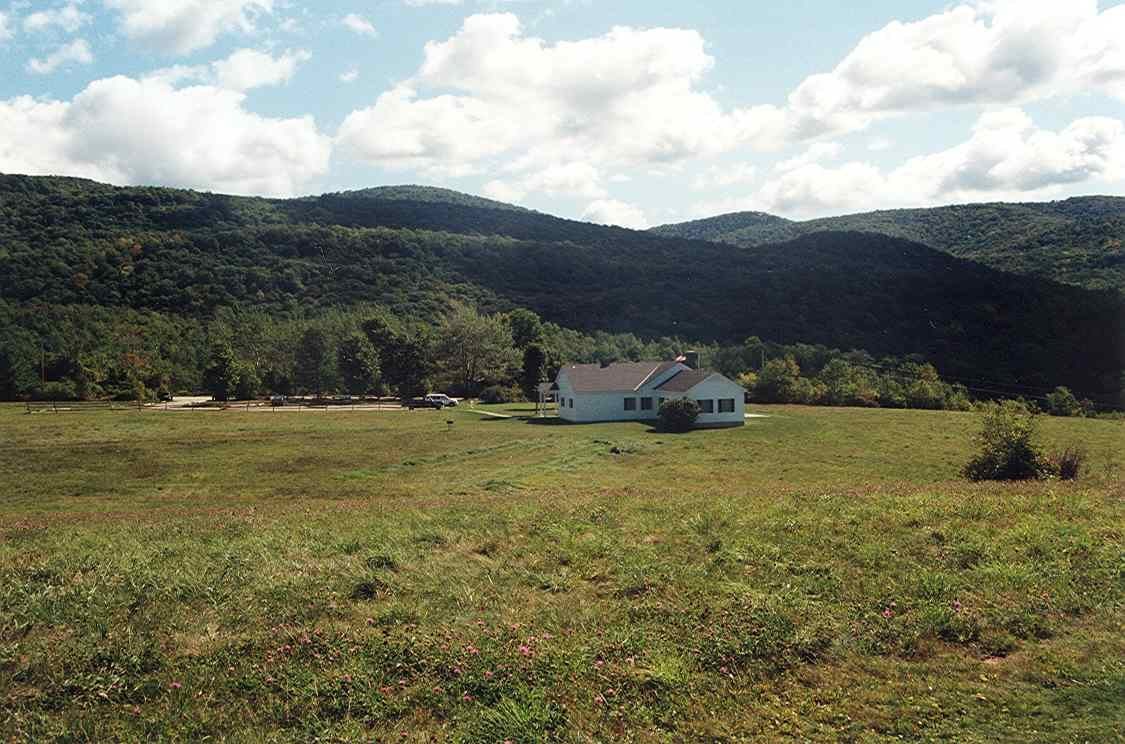
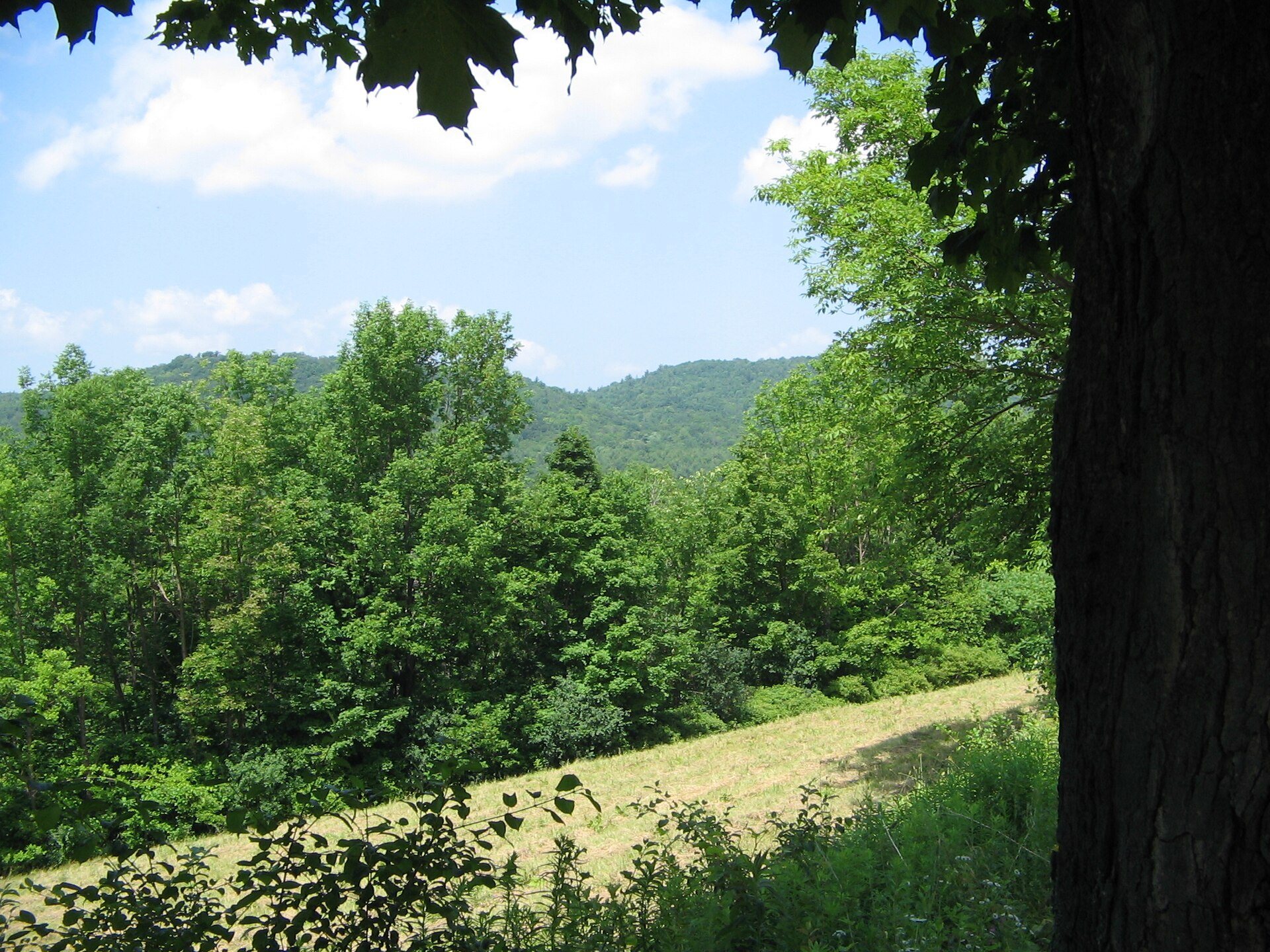
The preserved battlefield includes Monument Hill, where Warner arranged the American rear guard in a defensive position during the night before the battle. The site follows the route taken by St. Clair’s retreating army toward Hubbardton and Castleton, a road locally known as the 1776 Hubbardton Military Road. The Hubbardton Battlefield Trail crosses the grounds, with interpretive signs marking important points and locations associated with the fighting.
Monument and visitor center
A monument erected in 1859 commemorates the battle site. The Hubbardton Battlefield Visitor Center contains a permanent exhibit explaining the battle and its place in the Saratoga campaign and the Revolutionary War. The battlefield lands are owned and operated by the State of Vermont’s Division for Historic Preservation.