Huaca Casa Rosada: An Archaeological Site in San Miguel, Peru
Site at a Glance
- Rating
- 4.6
- Popularity
- Very Low
- Country
- Peru
- Primary era
- Medieval
- Eras represented
- Medieval, Early Modern, Modern
- Civilizations
- Unclassified
- Site type
- Religious
On this page10 sections
History
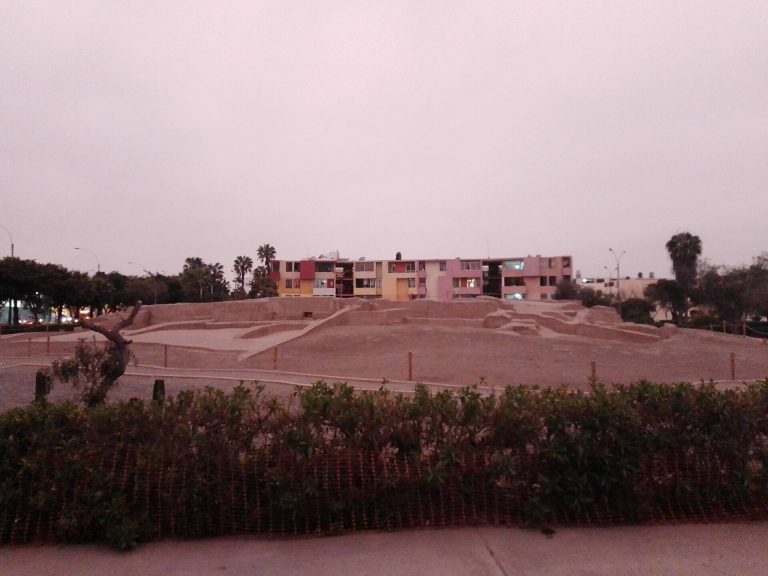
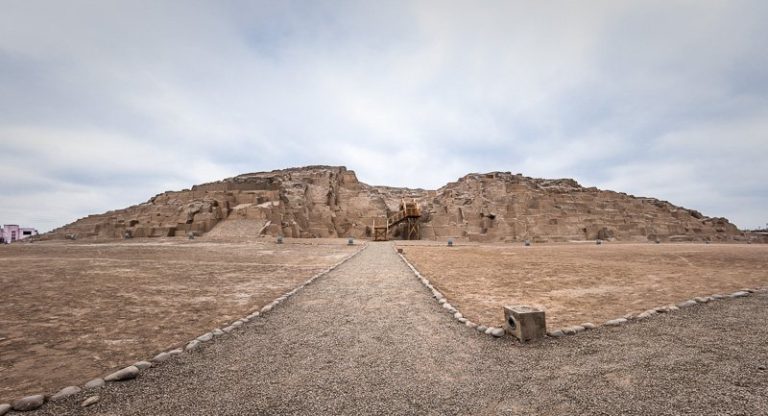
Huaca Casa Rosada is an archaeological site in San Miguel District, Lima, Peru, occupying approximately 5,300 square metres within the modern urban area. Its earliest occupation dates from the end of the Middle Horizon, an archaeological period in pre-Hispanic Andean history, and continued through the Late Horizon, the period broadly associated with Inca expansion. The site also contains evidence from the colonial and Republican periods.
Pre-Hispanic occupation
During the Late Intermediate Period, the site formed part of the Maranga archaeological complex, a major pre-Hispanic settlement and ceremonial landscape in the Lima region. Maranga was subject to the Ichma Lordship, a coastal political authority that controlled parts of the central Peruvian coast before and during Inca expansion. The purpose of Huaca Casa Rosada’s raised platform during this period remains unknown.
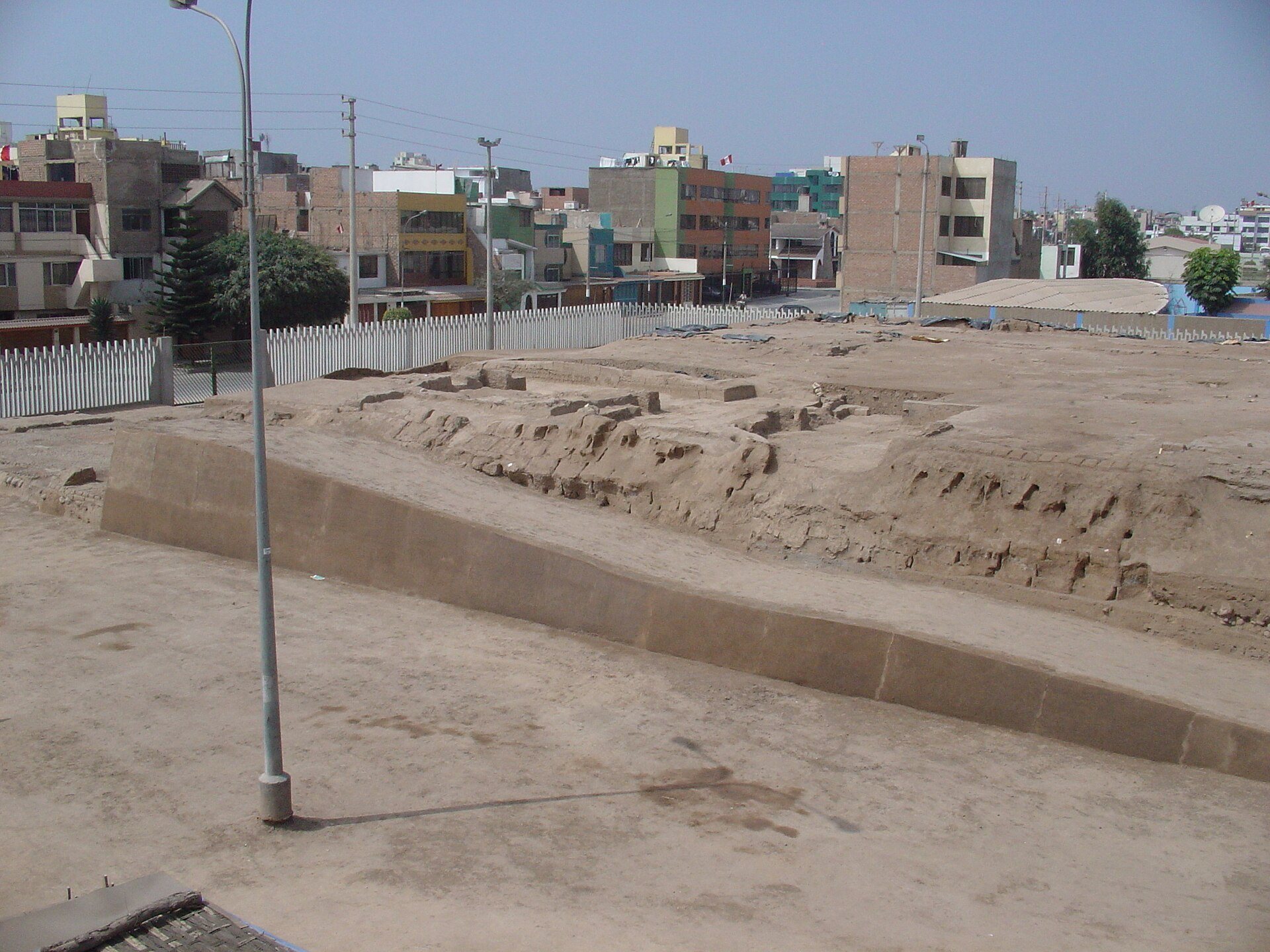
Until the mid-1970s, the huaca stood in a large cultivated field. Irrigation ditches ran parallel to its northern and western sides and damaged the lower part of the structure. This agricultural setting ended as the surrounding area was incorporated into the expanding urban fabric of Lima.
Colonial and Republican transformation
Excavations carried out in 1973 and 1974 by the Archaeology Seminar of the Pontifical Catholic University of Peru recovered material from the colonial period, including ceramics and glass. The finds included objects dating from the sixteenth to the eighteenth centuries, linking the mound to activity after the Spanish conquest.
A Republican house known as Casa Rosada was built over earlier huaca structures. To create its base, the earlier structures were filled with earth and fragments of wall. The house remained in good condition until the mid-1980s, but its surviving remains were later completely destroyed during the second stage of Urbanización Pando. As the surrounding land was subdivided, beams and columns from the house were removed and reused in new residences.
Excavations in the early 2000s identified compartments beneath the former house and showed that the staircase leading from ground level to the summit belonged to the colonial-Republican period. These investigations clarified the relationship between the pre-Hispanic platform and its later occupation.
Protection and recent intervention
On 4 December 2003, National Directorial Resolution No. 879 declared Huaca Casa Rosada Cultural Heritage of the Nation through Peru’s former National Institute of Culture, the institution responsible at the time for archaeological and cultural heritage management. In 2004, during Salvador Heresi’s tenure as mayor of San Miguel, the site perimeter was fenced, the area was cleaned, and the walls were consolidated. A subsequent period of neglect followed. In July 2024, an initiative by a local residents’ collective during Eduardo Bless’s tenure as mayor brought renewed cleaning, lighting, and revitalization of the site as a venue for cultural activities.
Remains
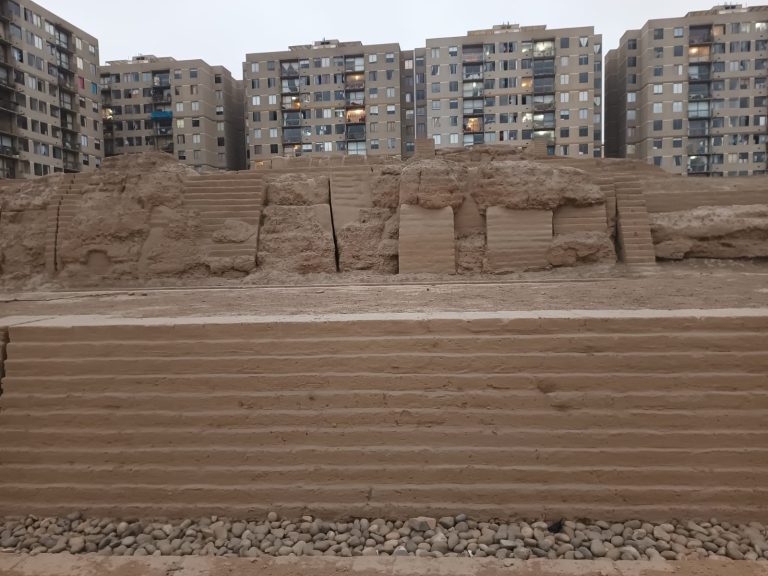
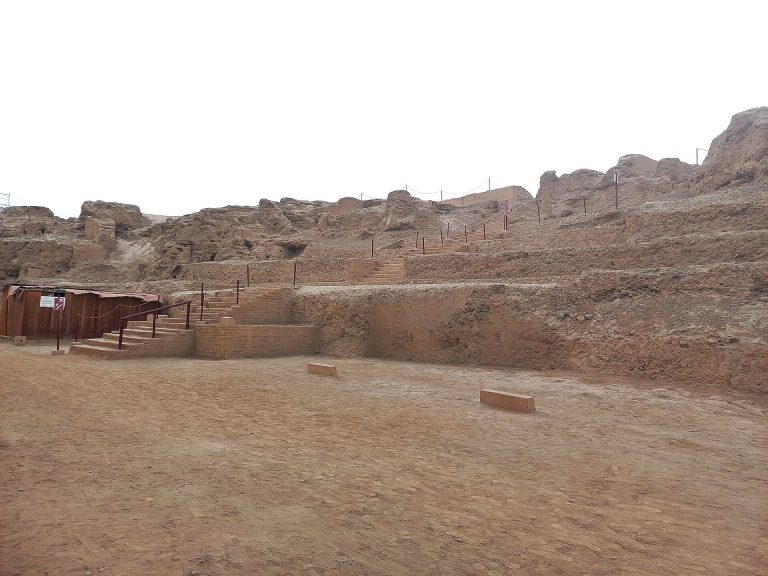
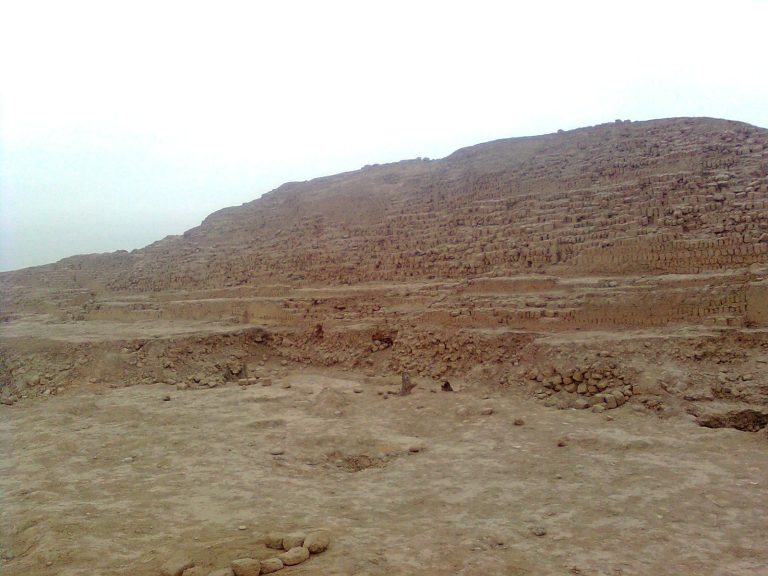
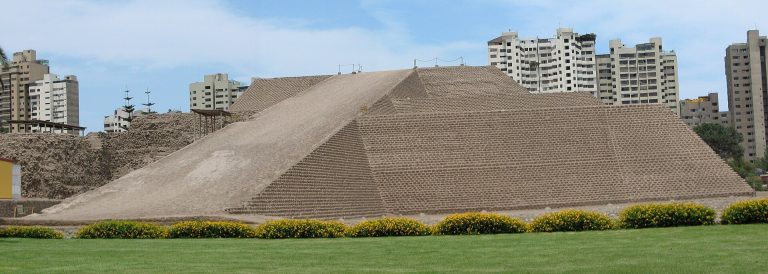
Huaca Casa Rosada consists of a square raised platform approximately 36 metres on each side and 3 to 4 metres high. It occupies part of an archaeological area of about 5,300 square metres and lies between Prolongación Cusco, Pasaje Rosario Araoz, and Prolongación Ayacucho in San Miguel District. The platform was constructed with rammed earth, a method in which damp soil is compacted into solid masses, together with large adobe blocks. Access ramps formed part of its original arrangement.
Raised platform
Upper compartments
The upper part of the platform contains compartments formed by rammed-earth walls. They lie beneath the former Republican house and belong to the earlier huaca structures. Their discovery during excavations in the early 2000s provided evidence of the internal organization of the platform and its continued use beneath the later building.
Colonial-Republican staircase
A staircase connects ground level with the summit of the platform. Its construction belongs to the colonial-Republican period, distinguishing it from the earlier platform fabric. The staircase remains part of the physical relationship between the mound and the later occupation built over it.
Casa Rosada remains
The Republican house had a square plan and a single storey. Its walls used quincha, a lightweight technique consisting of a wood or cane framework filled or covered with earthen material. The house also contained structural posts made from white oak and mulatto oak, probably brought from Guayaquil in Ecuador, while smaller elements used huarango wood. Although the building had only one storey, its quincha belonged to a type also used in second- and third-storey construction. An exterior mud-based render covered the walls, and pink paint gave the house its name. The beams and columns were later removed for reuse in nearby housing, destroying the Republican remains.
Colonial archaeological finds
The 1973 to 1974 excavations recovered turned and glazed pottery, earthenware, and imported fine ceramics dating from the sixteenth through the eighteenth centuries. One group consisted of French earthenware about 5 millimetres thick, decorated with finely painted blue floral designs on a white ground. The excavations also produced abundant dark-green and brown glass fragments made by free blowing, along with green French wine bottles.
Among the vitrified ceramics were pieces bearing several green and blue motifs resembling examples from Huaca Palomino. Other vessels, decorated in brown and green with purple, are described as unique within the Pando area. Together, these finds represent the colonial material associated with the site and complement the surviving structural evidence of its earlier and later phases.