House of the Mosaics: A Roman Domus Museum in Lugo, Spain


Site at a Glance
- Rating
- 4.3
- Popularity
- Low
- Country
- Spain
- Primary era
- Classical
- Eras represented
- Classical
- Civilizations
- Roman
- Site type
- Domestic
- Remains
- House
On this page4 sections
History
The House of the Mosaics, also known as Domus Oceani, is a municipal museum in Lugo, Spain, incorporating the remains of a large Roman domus, or elite private residence, built in the late third or early fourth century AD. The house stood near the ancient forum within Lugo’s Roman urban center, placing it close to the civic heart of the city.
The site received its name from a mosaic showing the head of Oceanus, the ancient personification of the world-encircling ocean, which was discovered in 1842 in Doctor Castro Street. The surviving remains were later incorporated into a museum hall, allowing the Roman residence and its decoration to be interpreted within the modern city.
Remains
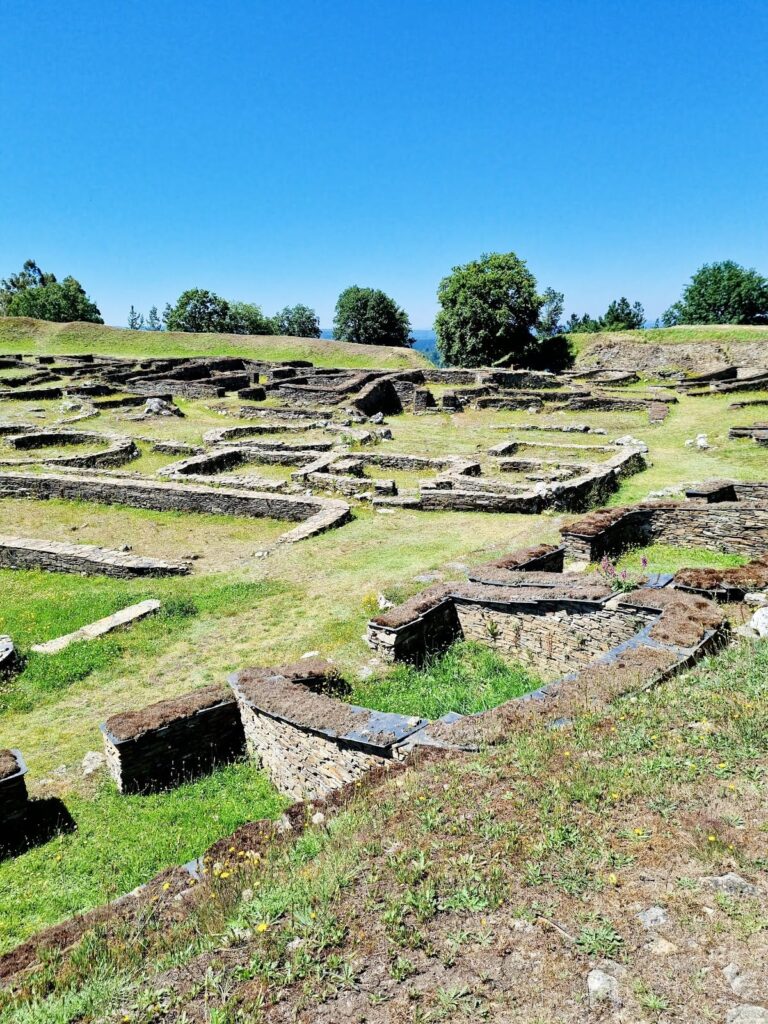
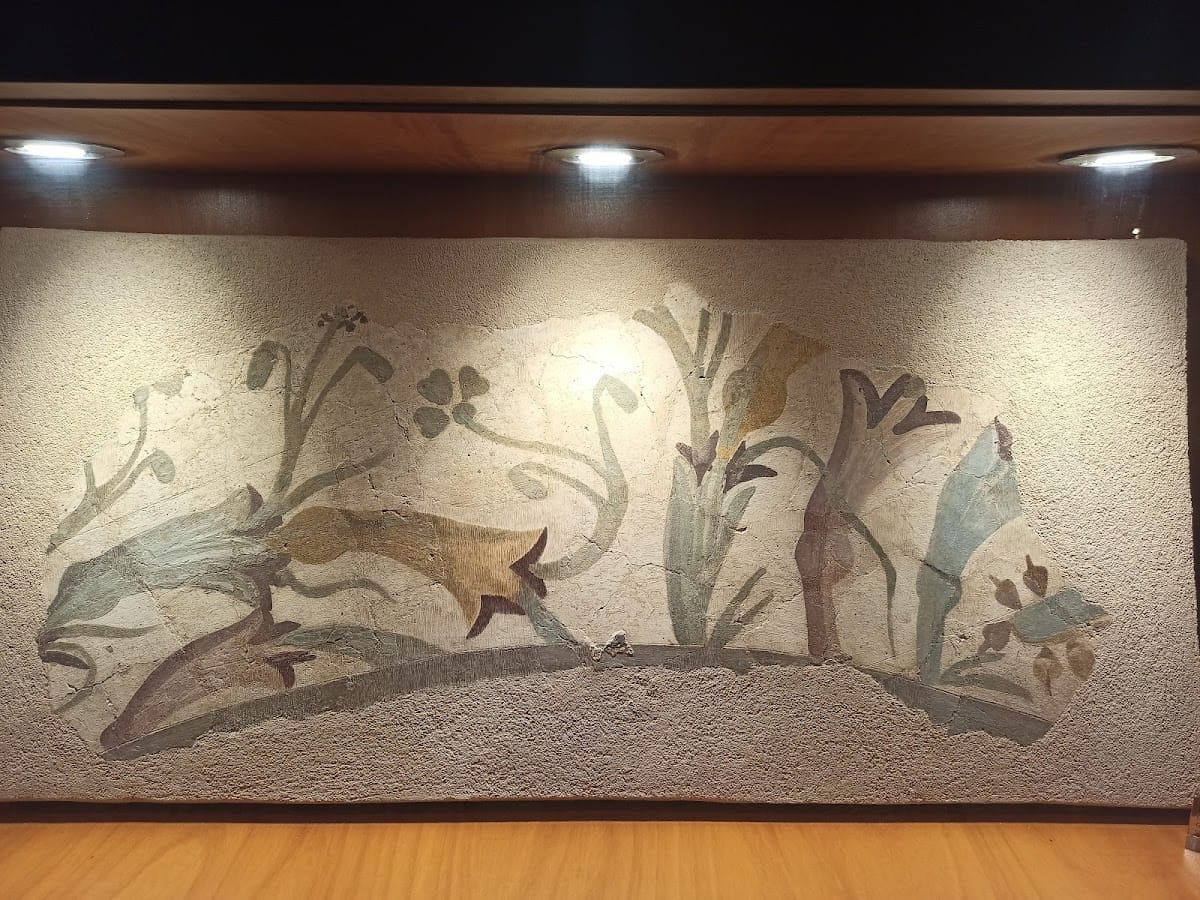
The remains represent a notably large and richly ornamented Roman house, with several rooms and internal spaces preserved in an archaeological setting. Its surviving layout includes a reception area, a winter dining room, an interior colonnaded courtyard, smaller rooms, and the bases of columns. Traces of mural painting also survive from the decoration of several rooms.
Mosaic rooms and underfloor heating
A large formal reception room, or oecus, and its antechamber had floors covered with exceptionally high-quality mosaics. Part of this pavement remains beneath the modern street and can be viewed through an archaeological window. The house also contained a triclinium, a dining room used in winter, fitted with a hypocaust, an underfloor heating system in which heated air circulated beneath the floor.
Courtyard and painted interiors
An interior courtyard surrounded by columns formed part of the house’s internal arrangement, while the surviving column bases help indicate its architectural organization. Smaller areas and fragments of mural painting complete the evidence for a residence whose rooms combined domestic use with elaborate decoration.