Houghton Hall: A Georgian Country House in the East Riding of Yorkshire
Site at a Glance
- Popularity
- Medium
- Country
- United Kingdom
- Primary era
- Early Modern
- Eras represented
- Early Modern, Modern
- Civilizations
- British
- Site type
- Domestic
- Remains
- Manor House
On this page7 sections
History
The Langdale inheritance
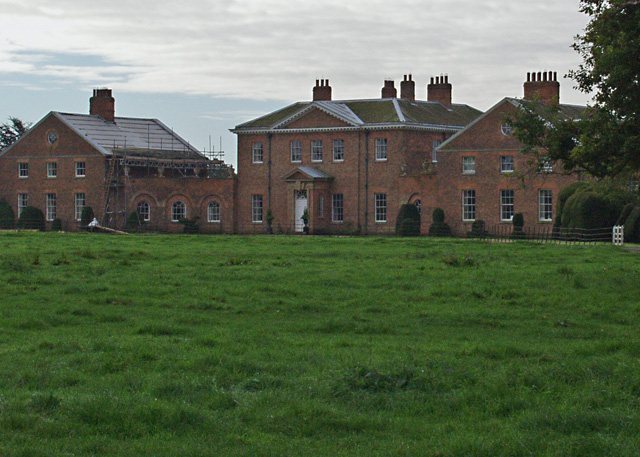
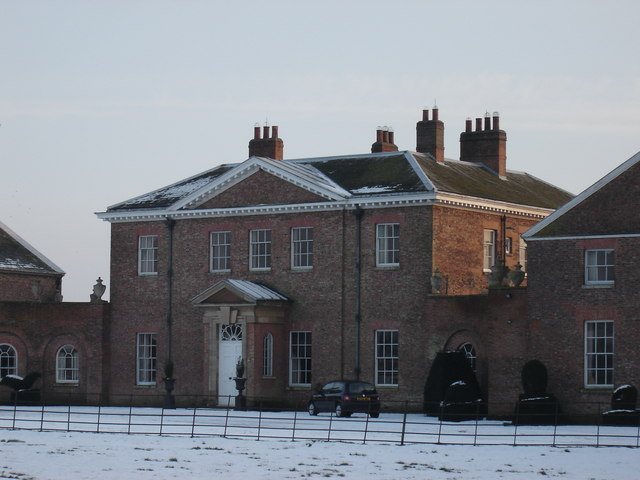
Houghton Hall is a Georgian country house in Sancton, near Market Weighton, in the East Riding of Yorkshire, United Kingdom. Georgian architecture is associated with the reigns of the first four British monarchs named George and spans the 18th and early 19th centuries. Philip Langdale had the present house built around 1765 to 1768 to designs by Thomas Atkinson. It became a centre of the family’s Catholic life, with a local mission for a priest established about a year after the house was completed.
Houghton manor entered the Langdale family through the marriage of Patrick II de Langdale to Helen de Houghton, daughter and heiress of Sir Thomas de Houghton, the last male member of the family based at the manor. The Langdales had held their ancestral manor of Langdale, in Yorkshire’s historic Pickering hundred, before the reign of King John (1199–1216). By the 14th century, they also held Houghton and Etton.
Houghton passed through the senior Langdale line from Anthony Langdale. When that branch had no male heirs, the manor passed to a cousin, Peter Langdale, who died in 1617. Peter’s son Marmaduke became the first Baron Langdale, a holder of a British peerage, and later converted to Catholicism.
The Georgian house and Catholic community
When Marmaduke Langdale, the fifth Baron, died without sons in 1778, the title became extinct. The house and about 1,000 acres passed to Philip Langdale, the family’s senior male member. The Langdales remained Catholic recusants, meaning Roman Catholics who refused to attend services of the established Church of England. A Catholic mission, a local centre for a priest’s work, was established at Houghton shortly after the house was completed.
After Philip’s death in 1815, his will passed the estate to his relative Charles Langdale, born Charles Stourton. Charles adopted the Langdale name and family coat of arms under a royal licence, as the bequest required. A Member of Parliament and campaigner for Catholic Emancipation, the movement to remove legal and civil restrictions on Catholics in Britain and Ireland, he enlarged the estate and house. In 1829 he added a Catholic chapel. The Market Weighton Roman Catholic parish originated in this domestic chapel, which was demolished in 1957.
Later owners and alterations
After Charles Langdale died in 1868, the estate passed to his eldest son, Charles Joseph Langdale. Charles Joseph lived in Ireland after marrying an Irish heiress. Following the couple’s deaths in 1895, their eldest son Henry Joseph inherited the estate, followed by his younger brother, Lieutenant-Colonel Philip Joseph Langdale, in 1923.
Philip’s eldest daughter, Joyce Elizabeth Mary Langdale, inherited Houghton in 1950 and gave the estate to her nephew, Rupert Watson, third Baron Manton. After Rupert’s death in 2003, it passed to his eldest son, Miles Ronald Marcus Watson, fourth Baron Manton. Architect Francis Johnson made minor alterations to the house in 1960. Houghton Hall is Grade I listed, England’s highest listed-building category, for buildings of exceptional interest.
Remains
The house
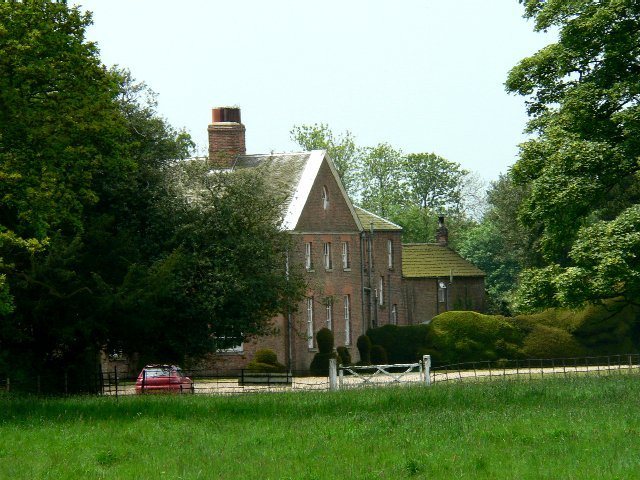
The main block is three storeys high and comprises five bays, or vertical divisions of the building. It is built of pink brick with stone dressings and has a slate roof. These features belong to the Georgian country house constructed for Philip Langdale in the 1760s.
The estate
The estate covers about 7,800 acres and includes the village of Sancton and the vestigial remains of the ancient hamlet of Houghton.