Hitoana Fuji-ko Site: A Sacred Cave and Pilgrimage Place in Japan
Site at a Glance
- Rating
- 3.9
- Popularity
- Medium
- Country
- Japan
- Primary era
- Early Modern
- Eras represented
- Early Modern, Modern
- Civilizations
- Japanese, Tokugawa
- Site type
- Religious
- Remains
- Sanctuary
On this page7 sections
History
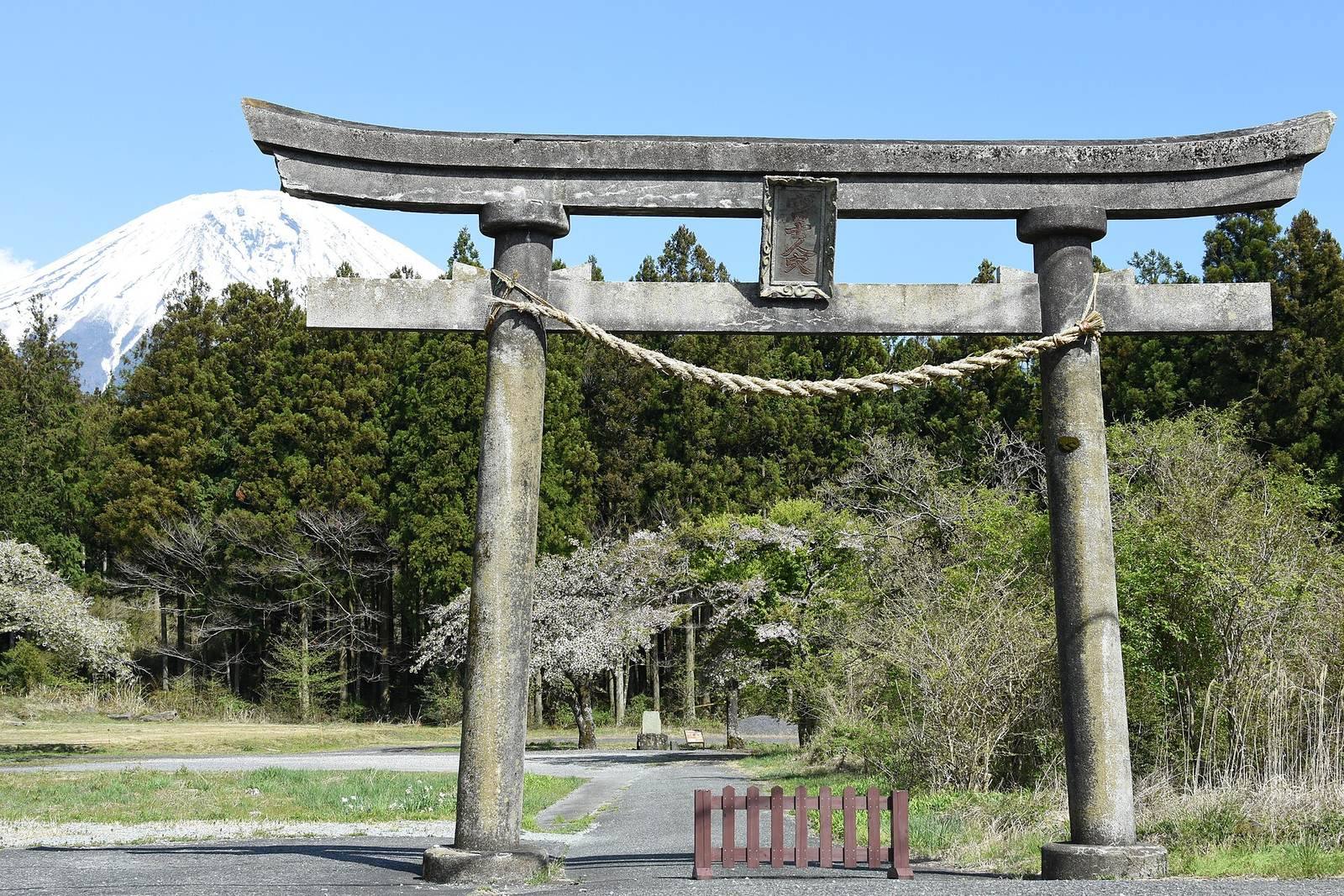
Hitoana Fuji-ko Site is a sacred cave and pilgrimage place in Fujinomiya, Japan, associated with Fuji-ko, a Japanese religious movement centered on devotion to Mount Fuji, pilgrimage, and ascetic practice. Tradition places the ascetic Kakugyō at Hitoana during the 16th and 17th centuries, when it became a sacred destination for the movement’s followers.
Kakugyō and Fuji-ko
According to tradition, Kakugyō practiced at Hitoana, received a revelation there from Asama Daibosatsu, and died at the cave. The medieval chronicle Azuma Kagami describes Hitoana as the abode of Asama Daibosatsu, also known as Asama Ōkami. Kakugyō regarded the cave as a Pure Land, a blissful realm in Buddhist belief.
Fuji-ko adherents made pilgrimages to Hitoana and practiced there. Many approached by the historic Yoshida route up Mount Fuji, while the Nakadō Ōkan, a regional road, is thought to have connected Yoshida with Hitoana.
Sengen Shrine and its history
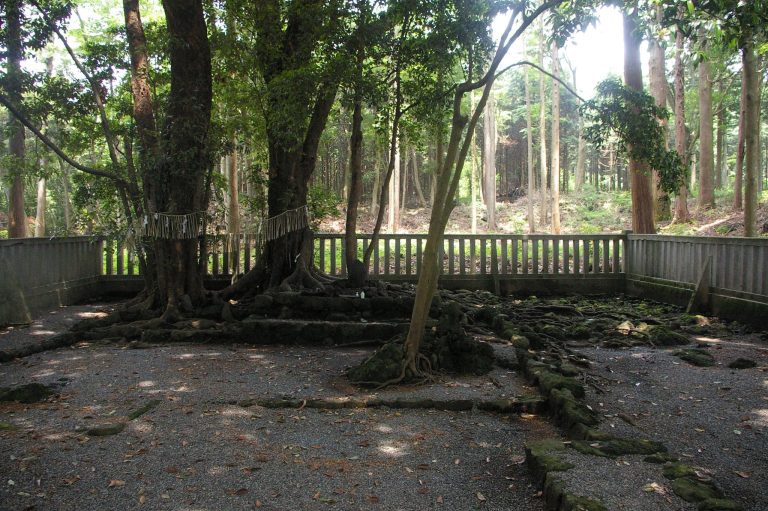
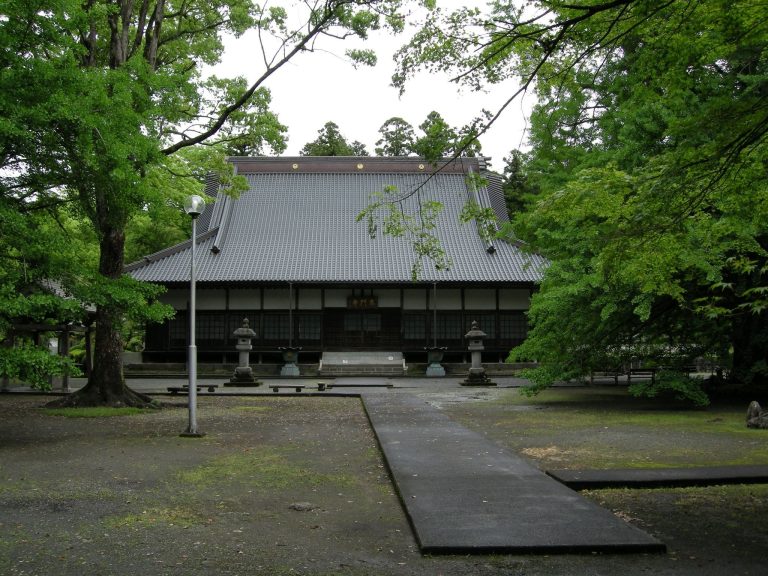
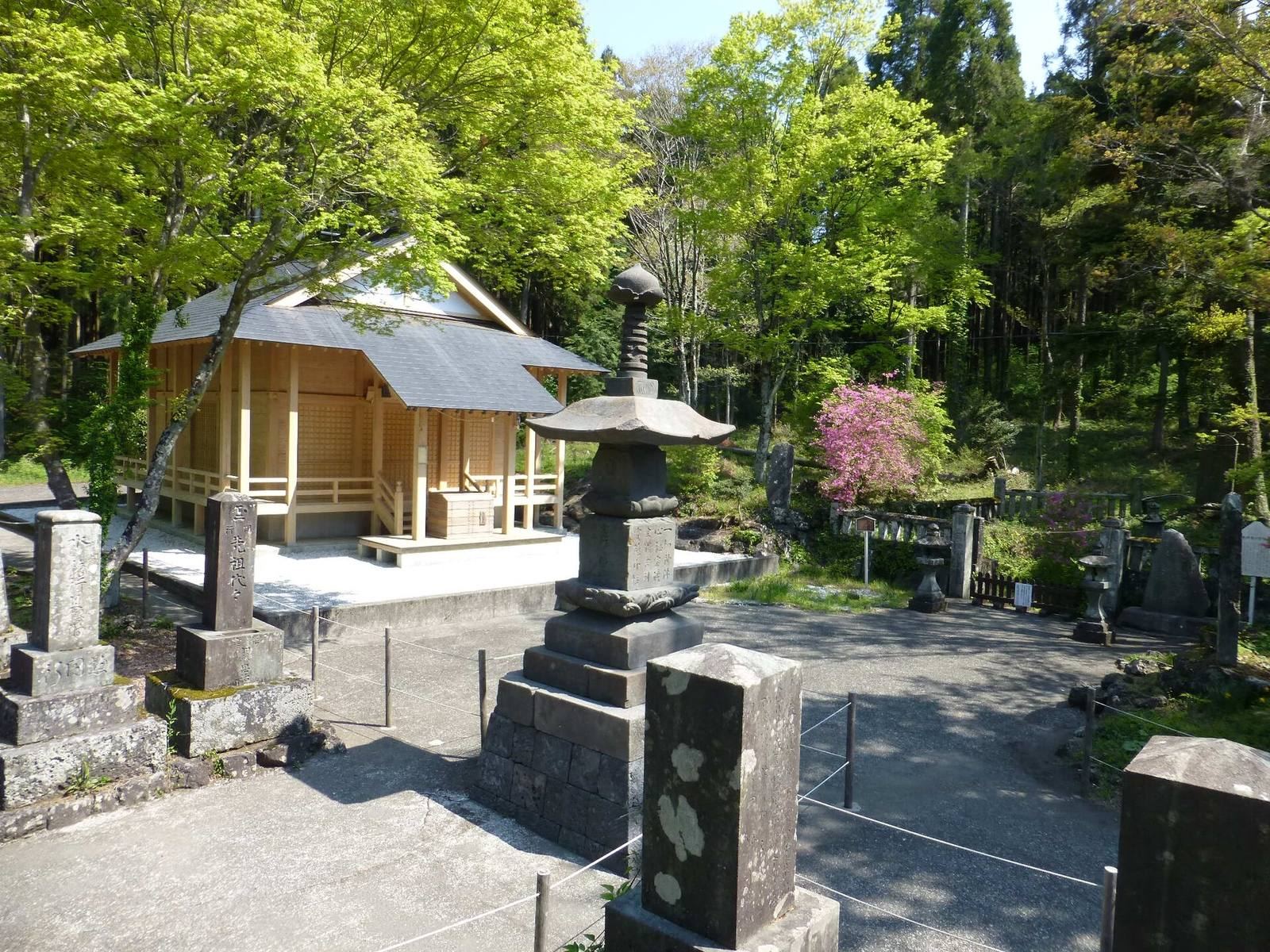
The shrine at Hitoana is formally called Sengen Shrine. It is associated with Mount Fuji and dedicated primarily to Konohanasakuya-hime, a Shinto deity connected with the mountain. Kakugyō and Tokugawa Ieyasu, founder and first shogun of the Tokugawa shogunate, are also enshrined there. The shrine is believed to oversee Hitoana.
The shrine is dated to 1648; its origins are also linked to the restoration of a predecessor temple in 1665 by second- and third-generation Fuji-ko leaders. Before the Meiji period (1868–1912), the shrine site was a temple.
Modern changes and recognition
In 1942, the shrine was relocated after local uplands became a training ground following the opening of a school for young tank soldiers. It was re-established in 1954, and its present building dates to 2001. As Fuji-ko declined, construction of stone monuments at Hitoana ceased after 1964.
On 3 June 2010, followers of Fujikyō held a festival marking 450 years since Kakugyō began ascetic practice on Mount Fuji. Hitoana forms part of Japan’s Historic Site Mount Fuji and the UNESCO World Heritage property Fujisan, sacred place and source of artistic inspiration, inscribed on 22 June 2013.
Remains
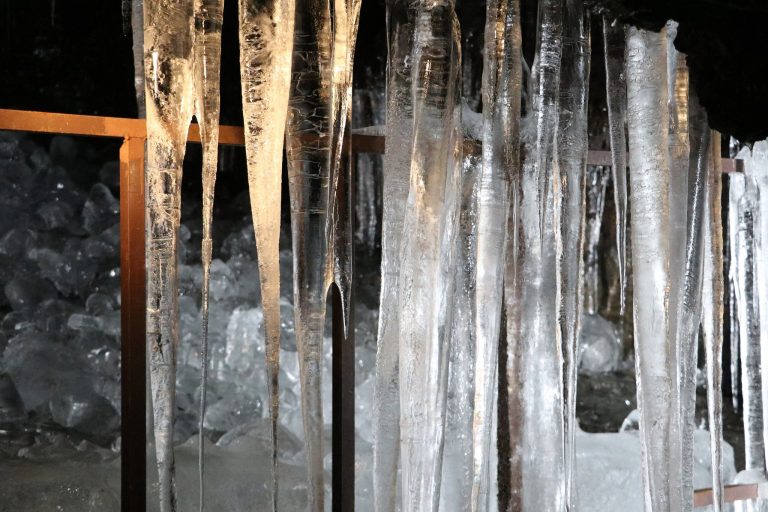
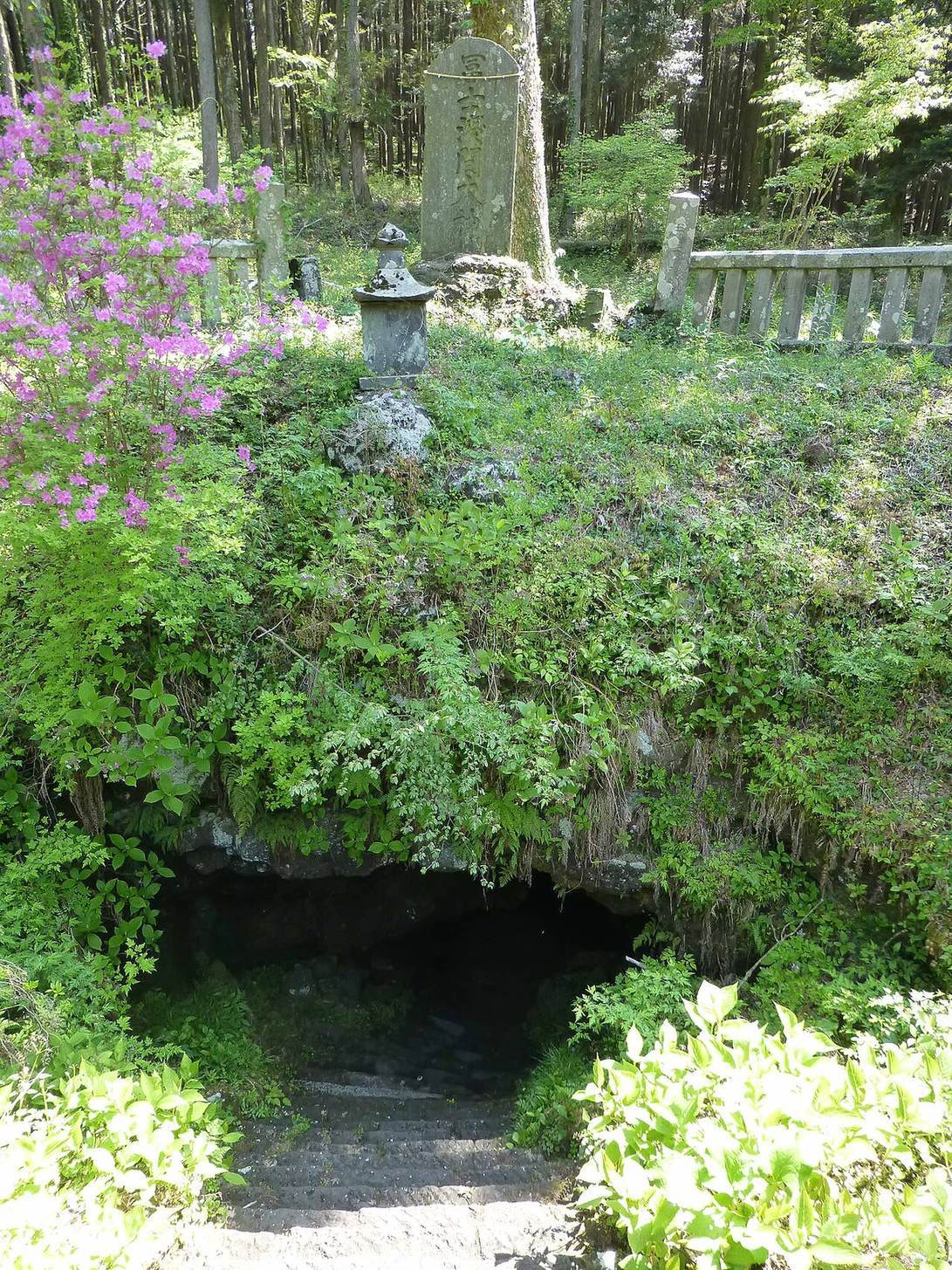
Hitoana is a lava cave formed by an eruption of Mount Fuji. Its entrance is at the southwest end, and the passage extends about 80 to 90 metres to a far end thought to be blocked. A small shrine stands about 20 metres from the entrance. Around 30 metres inside, just before a bend, a lava pillar about five metres in diameter rises at the center of the passage. Three stone monuments and four stone Buddhist images are also inside. Entry is prohibited because of the risk of collapse.
Stone monuments
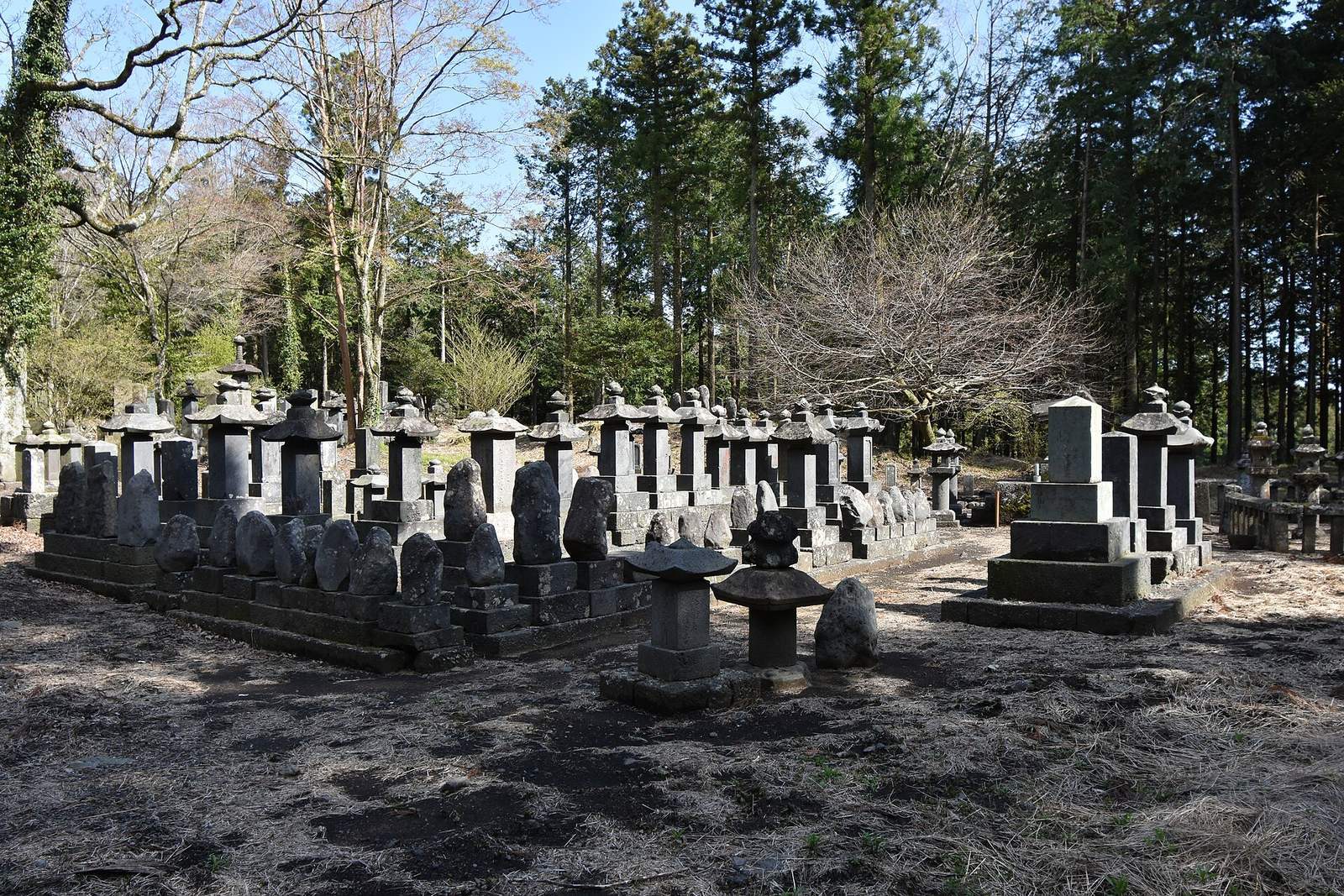
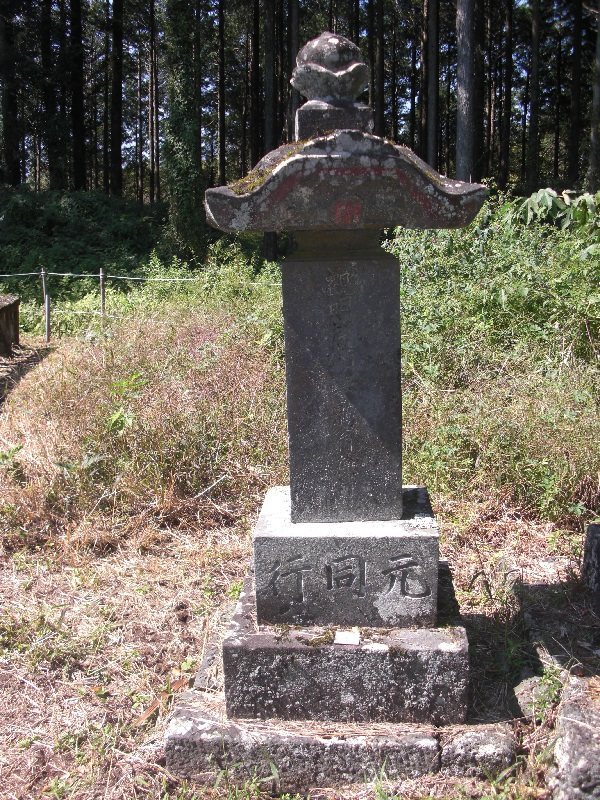
The monument group comprises 233 stones, with construction dates known for 89. Most dated examples belong to the late 18th and early 19th centuries, when Fuji-ko was flourishing. The earliest dated monument, inside the cave, is believed to have been erected in 1664, before Fuji-ko was established. The stones are associated with Fuji-ko confraternities and branches, and their inscriptions give information about those groups’ histories and places of origin. Nearly 60 percent of the place names in the inscriptions refer to downtown Edo, the former name of Tokyo, while one names a place in Shizuoka Prefecture. The group includes prayer-offering, commemorative, grave or memorial monuments, and a waymarker. Inscriptions carry prayers, group names and insignia, posthumous Buddhist names, and ascetic names. Some grave markers commemorate Kakugyō; others are connected with the leaders Jikigyō Miroku and Murakami Kōsei.
Shrine precinct
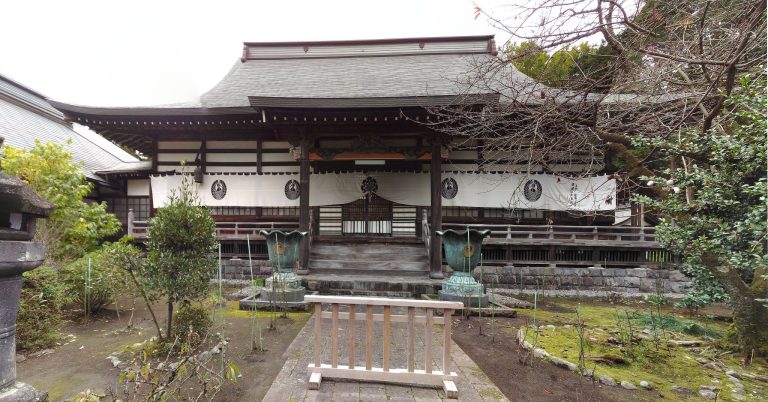
A hall dedicated to Dainichi, the Great Sun Buddha also known as Mahavairocana, remains within the shrine precincts.