Hervormde Kerk: Scherpenzeel’s Reformed Parish Church in the Netherlands
Site at a Glance
- Rating
- 4.8
- Popularity
- Very Low
- Country
- Netherlands
- Primary era
- Medieval
- External website
- Open
- Eras represented
- Medieval
- Civilizations
- Holy Roman Empire
- Site type
- Religious
- Remains
- Church
On this page11 sections
History
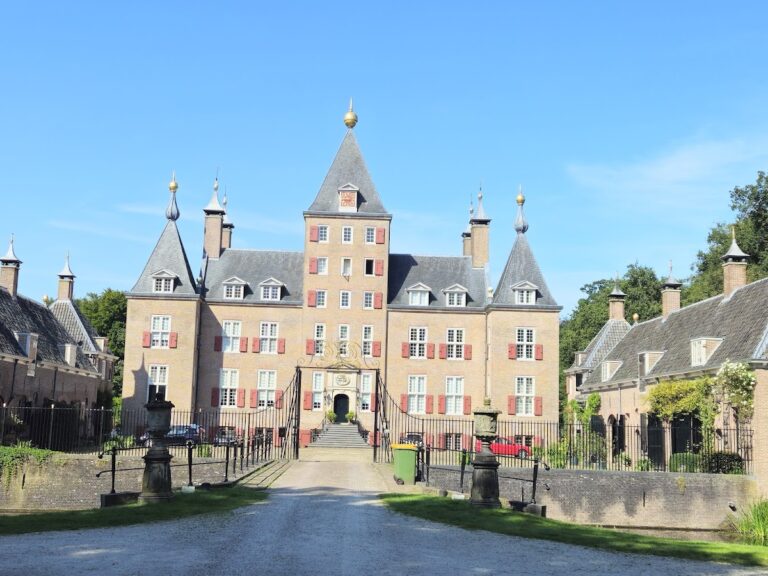
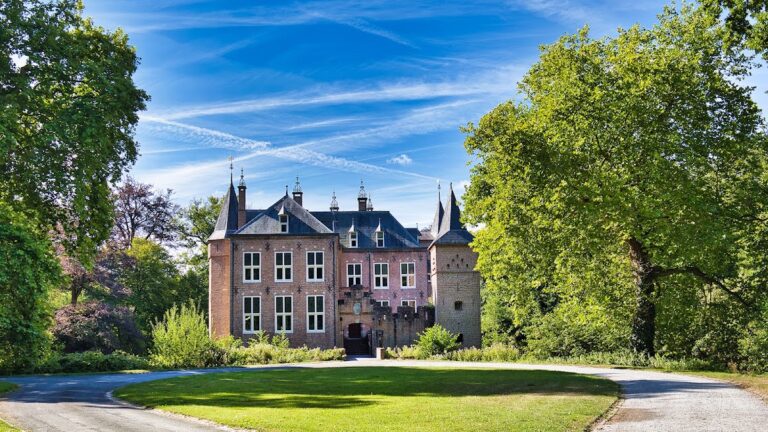
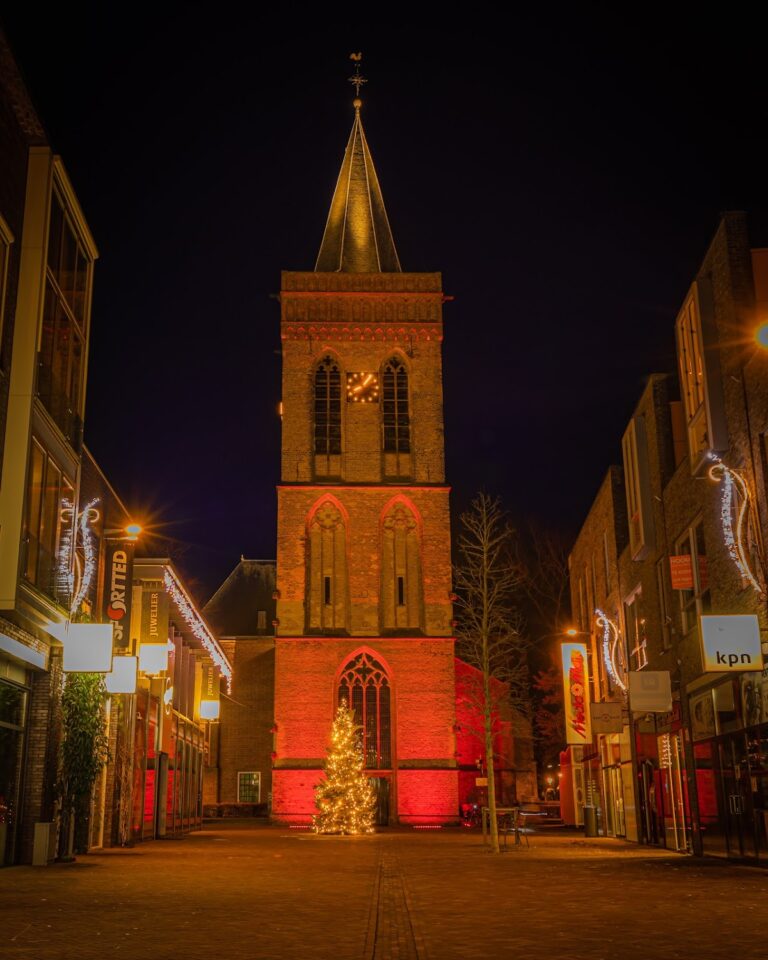
The Hervormde Kerk, popularly known as the Grote Kerk, is a Reformed church in Scherpenzeel, Netherlands, whose architecture dates to approximately 1300. Its exact construction date is unknown, and an earlier church may have occupied the site. The church stands beside Huis Scherpenzeel, the surviving form of a fourteenth-century castle associated with the noble Scherpenzeel family. The family served at the court of the dukes of Guelders and maintained a long relationship with the Reformed congregation.
Medieval origins and Catholic dedication
A deed from 1342 refers to land “where the church stands.” Since the land belonged to the Lords of Scherpenzeel at that time, an earlier church on the site is considered probable. From its construction, the building was Roman Catholic and dedicated to Saint Anthony, traditionally identified as a third-century founder of monasticism.
Scherpenzeel avoided the iconoclasm discussed in the surrounding region in 1566. The church became Protestant in 1597, when its pastor, Hendrick Jansz Mom, converted to Protestantism. This change formed part of the Reformation, the sixteenth-century religious movement that challenged Roman Catholic doctrine and institutions and led to the establishment of Protestant churches.
Wartime destruction and rebuilding
During the German invasion of the Netherlands on 10 May 1940, fighting struck the church three times. The congregation could no longer worship there, so the Reformed Congregation made its own church available for services. Because of the blackout, evening services were moved to the afternoon, and the tower bell could not be rung.
On 22 April 1945, German soldiers cordoned off the area around the church. At 6:30 p.m., they blew up the church tower, which fell directly onto the building. Much of the church was destroyed, including the Friedrichs organ, the bells, and the clock mechanism.
The congregation met in a bakery on the following Sunday and later used the Eierhal during reconstruction. Rebuilding proceeded slowly because of winter conditions and shortages of materials. Work is recorded for 1944 and for the period 1945–1947. On 4 May 1947, Mayor Hoytema van Konijnenburg unveiled a memorial stone with the inscription, “Through the enemy’s savage violence my first form perished. Yet from swirling rubble I rose again in the old style.” The stone includes the dates 22 April 1945 and November 1947.
The mayor also proposed an inscription for the replacement church bell. Under the Constitution of 1798, the tower was legally owned by the civil municipality rather than the church. An advisory commission for bells and carillons rejected the mayor’s wording, while the mayor rejected the commission’s alternative, leaving the bell without an inscription.
Organs and modern status
The church has had three organs. Johann Caspar Friedrichs built the first in 1822, after receiving a donation from the Lord of Scherpenzeel. Following its destruction in 1945, J. de Koff of Utrecht built a replacement that was delivered on 28 March 1949. After 55 years of use, the congregation commissioned a new instrument from Adema’s Kerkorgelbouw of Hillegom in 2003. It entered use on Easter Sunday 2008. The church is affiliated with the Reformed denomination and the Reformed Association, a movement within the Dutch Reformed tradition. It has been a Rijksmonument, a formally protected monument of national importance in the Netherlands, since 11 January 1968, under monument number 33122.
Remains
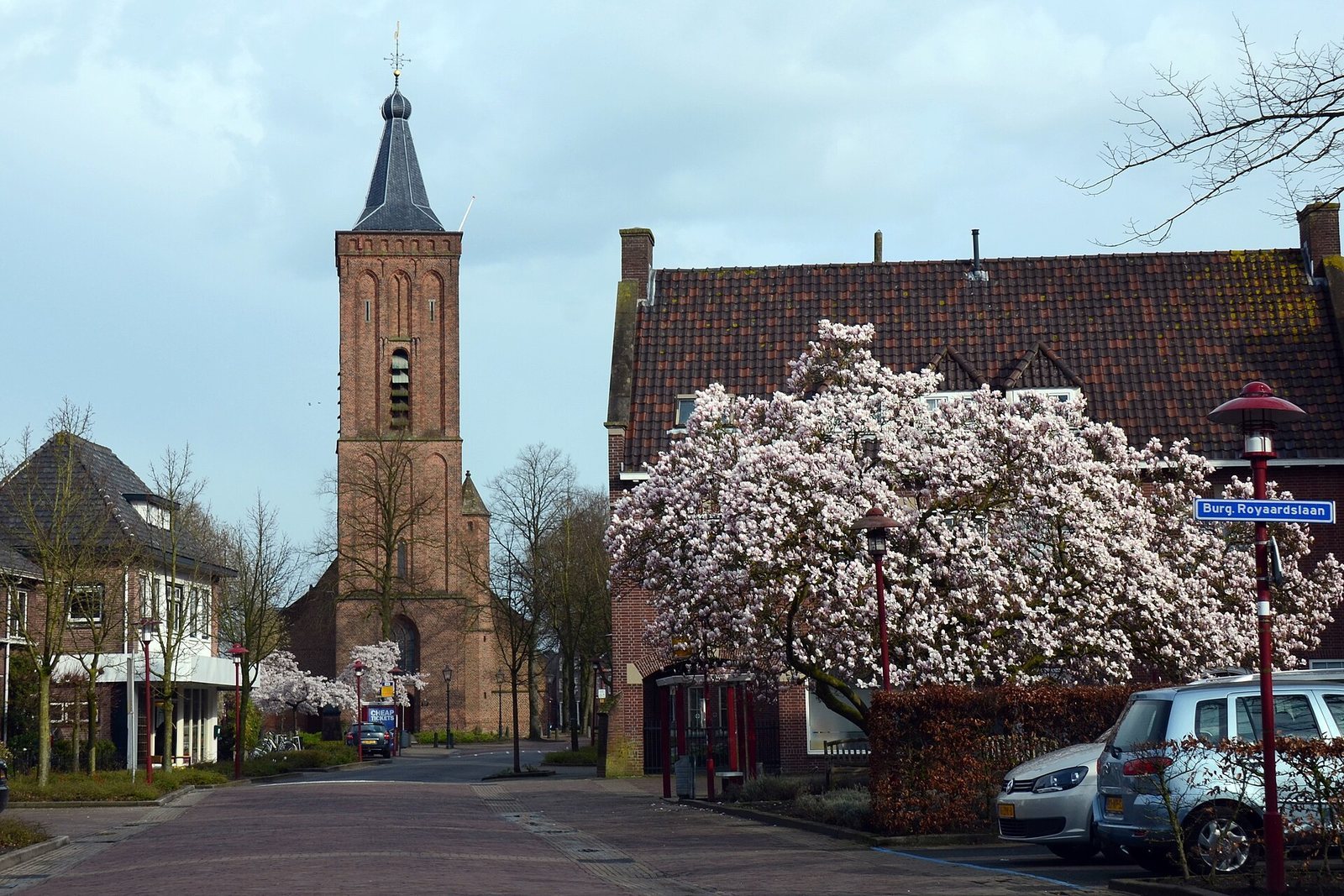
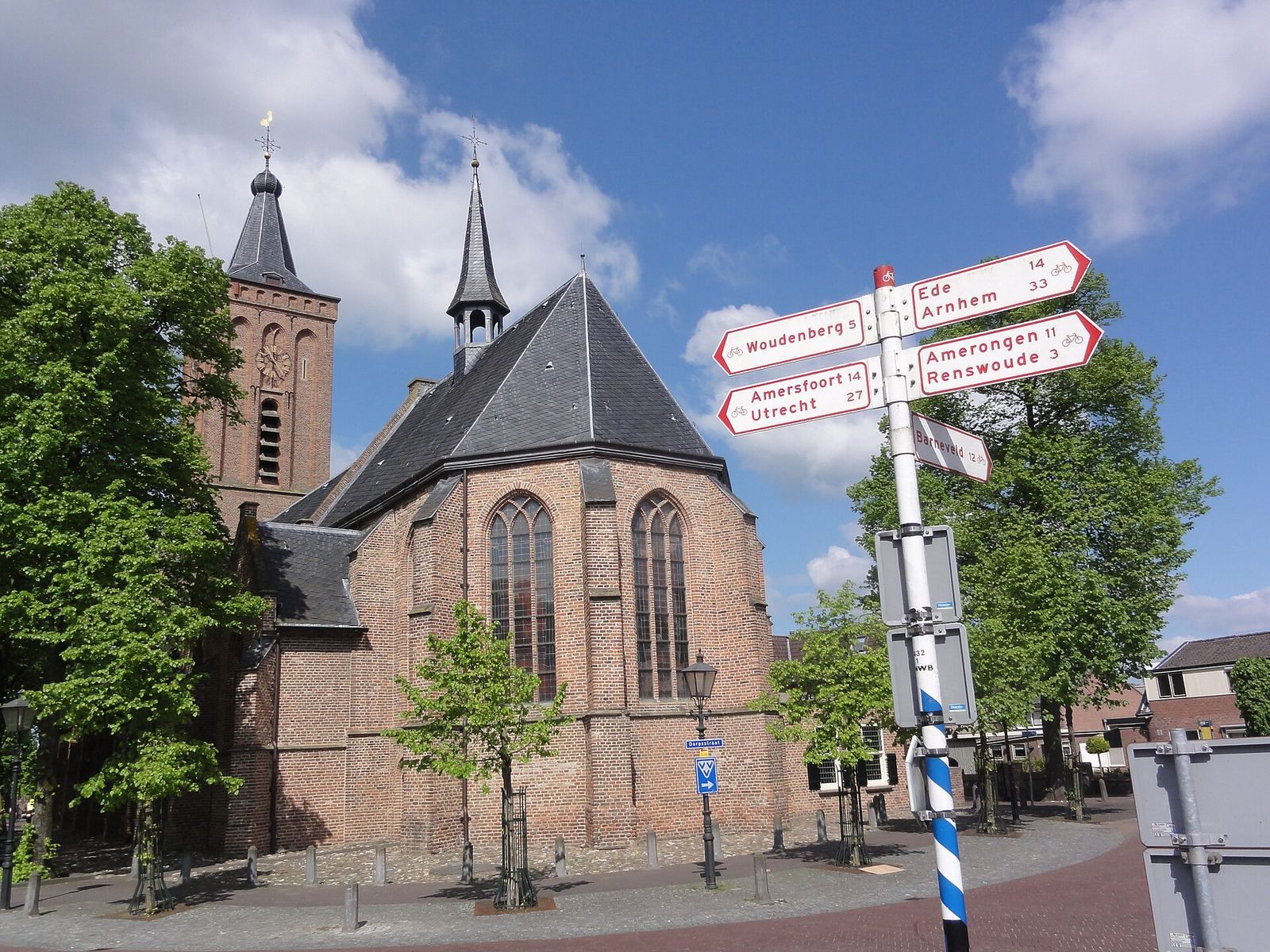
The Hervormde Kerk is a medieval wood-and-stone building with a bell tower and a Mary Tower, a tower named in connection with Mary, the mother of Jesus, in Christian tradition. Its surviving furnishings and musical instruments reflect the church’s Catholic origins, Protestant use, nineteenth-century alterations, wartime destruction, and post-war rebuilding.
Towers and interior furnishings
Copper lectern on the pulpit
A copper lectern on the pulpit is probably a gift from 1647 by the Lord of Scherpenzeel and his wife, Anna Helena van Renesse van Elderen. The coat of arms on the left represents the Lord of Scherpenzeel, Van Westerholt, and Baer. The coat of arms on the right represents Van Renesse.
Lectern at the elders’ bench
A second copper lectern stands at the corner of the elders’ bench. The owner of Oudenhorst donated it in 1712.
Ten Commandments panel
A Ten Commandments panel dated 1714 hangs on the eastern side of the north aisle. J. Leendersen made it. Moses appears above two stone tablets against a blue background. The biblical references “Exod 20 V2” and “Deut 5 V6” are painted above the text, with unclear Hebrew letters below.
Choir pulpit
The choir contains a classical pulpit of unknown date. Its covering was restored in 1811.
Organs
The 1822 Friedrichs organ stood on a small gallery built for it. Its keys were oak covered with ivory, while the black keys were made of solid ebony. It was first used during a special service on 4 July 1822, when Psalm 100, verse 4, was performed. The instrument was destroyed when the church was damaged in 1945. The 1949 De Koff organ replaced it, and the 2008 Adema organ incorporates part of the De Koff organ’s pipework, its front pipes, and part of its case.