Pronstorf Manor House: A Baroque Estate Residence in Holstein
Site at a Glance
- Popularity
- High
- Country
- Germany
- Primary era
- Early Modern
- Eras represented
- Early Modern, Modern
- Civilizations
- German, Holy Roman Empire, Kingdom of Prussia
- Site type
- Domestic
- Remains
- Manor House
On this page11 sections
History
Early settlement and the medieval estate
The estate grounds have been settled for many centuries. Before Christianization, a place of worship for Perun, a Slavic thunder deity, may have stood here among the Wends, a historical term for Slavic peoples in parts of central Europe. The settlement’s later name may have derived from this site.
In the Middle Ages, the Knights of Pronstorf, a branch of the Buchwaldt family, held a fortified residence here. The noble estate developed from this castle during the sixteenth century and remained in Buchwaldt hands, apart from brief interruptions, until the nineteenth century.
War and the Baroque manor house
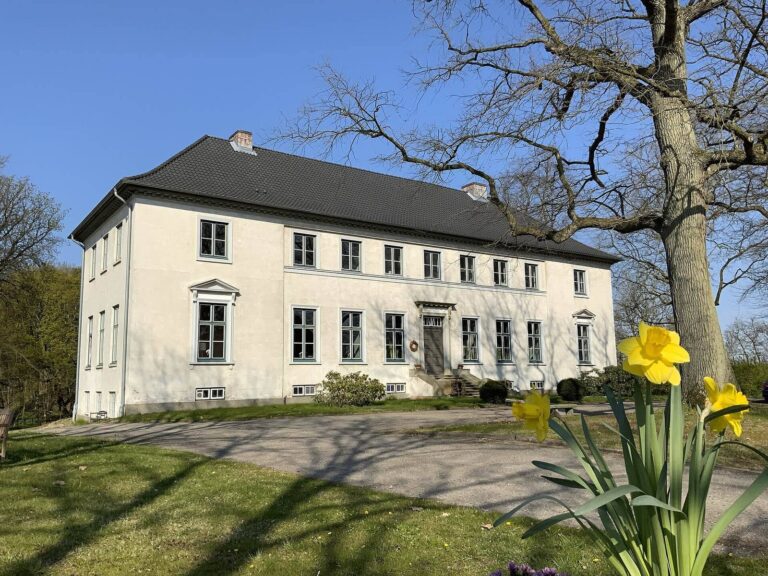
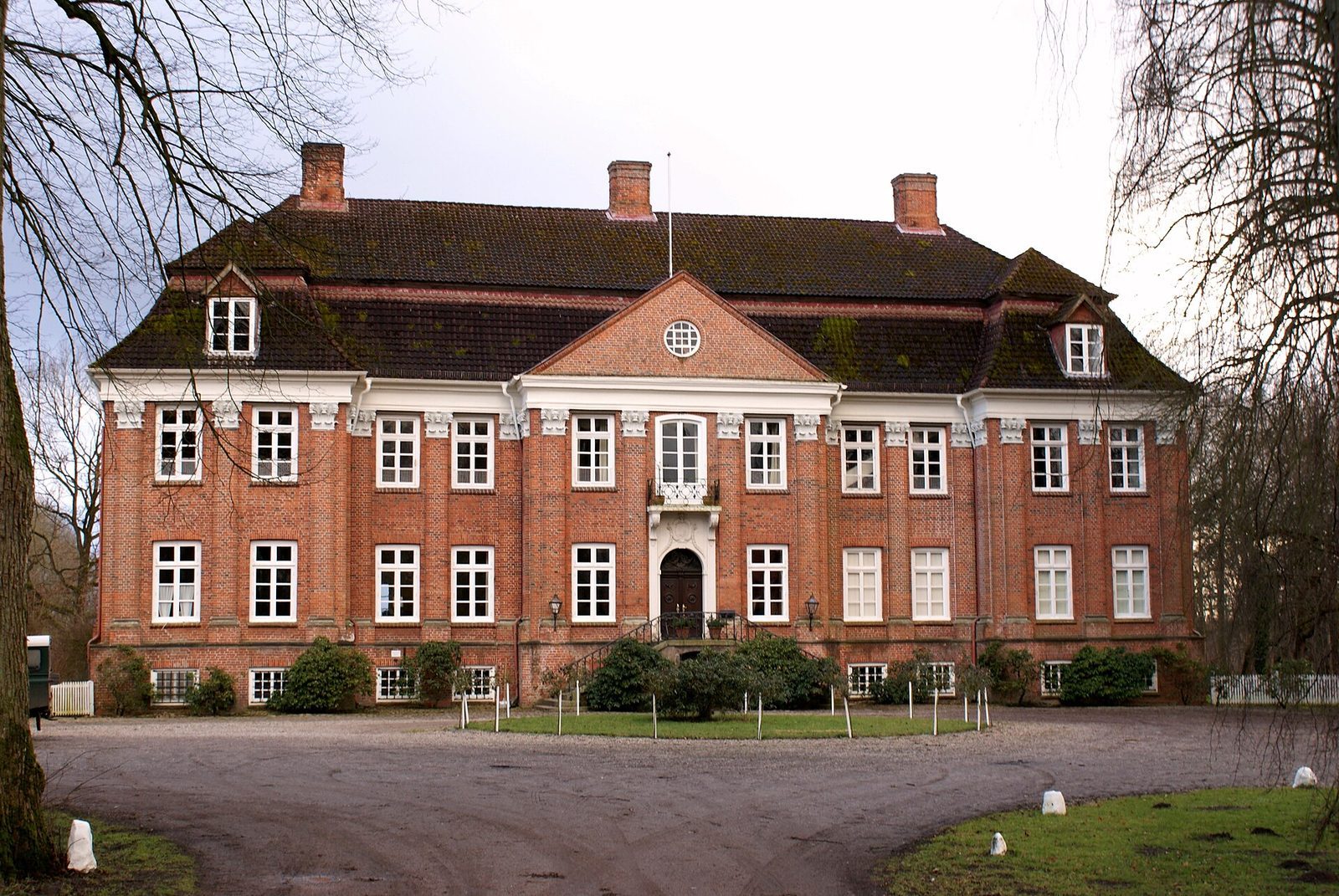
In 1644, Swedish troops devastated Pronstorf during the Thirty Years’ War, the European conflict fought from 1618 to 1648. The estate had been rebuilt by the eighteenth century. Construction of the present manor house began in 1716 and was completed in 1728, replacing an earlier double house. The building is regarded as a major work of secular Baroque architecture in Holstein, alongside the manor house at Gut Güldenstein.
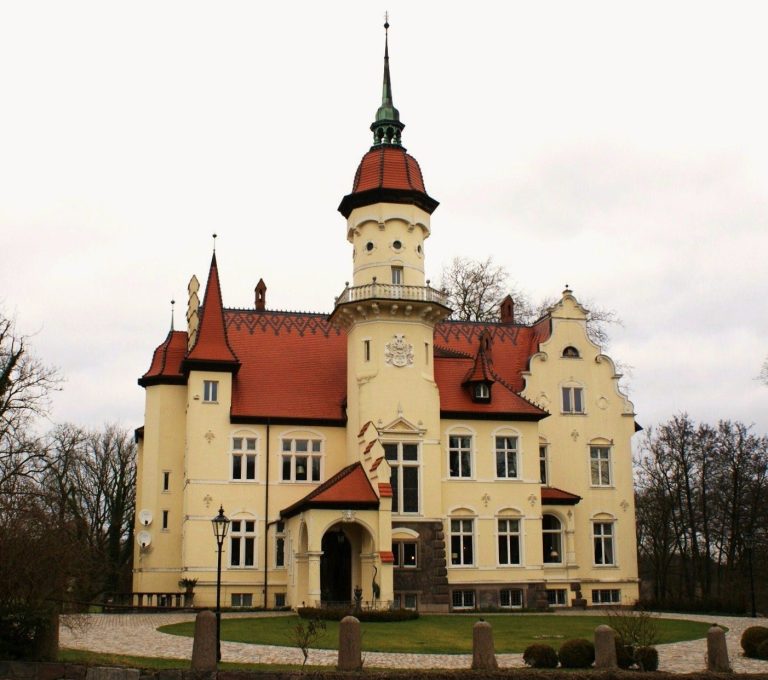
Toward the end of the eighteenth century, the facade received minor alterations. In the early nineteenth century, some interiors were redecorated in the Classical style, which drew on ancient Greek and Roman art. The house later served as the model for the neo-Baroque manor house built at nearby Gut Rohlstorf in 1912.
Later ownership and estate use
Late in the nineteenth century, an inheritance associated with Kaspar von Buchwaldt brought the estate to the Breitenburg line of the Rantzau family. The Rantzaus retain ownership, and the estate continues to operate across more than 1,000 hectares, chiefly in agriculture and forestry. Livestock farming is no longer a major activity.
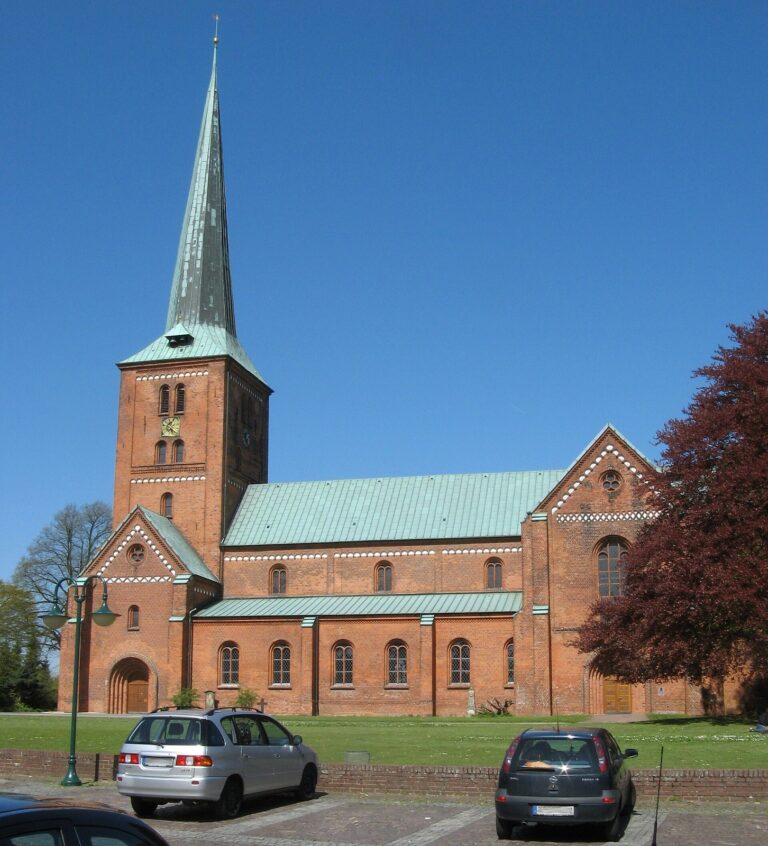
Vicelin Church served as the estate owners’ patronage church, connected to their rights and responsibilities as lay patrons. From 2008, the gatehouse was adapted for exhibitions and guest accommodation. The work included restoring former roof dormers and removing intrusive additions made in the twentieth century.
Remains
The manor house, farmyard, and landscape park lie beside Wardersee in Pronstorf, several kilometres east of Bad Segeberg. The estate’s other buildings date from different centuries, while the village as a whole retains a relatively unified appearance.
Manor house
The broad manor house has eleven vertical bays, a basement, and two full storeys beneath a mansard roof, whose lower slope is steeper than its upper slope on each side. On each long facade, a shallow central projection with a pediment, a gable-like feature, spans three bays. At each narrow end, a wing-like projection covers two window bays. Large masonry pilasters, shallow column-like features attached to the walls, extend across more than one storey and articulate the exterior. A sandstone portal is among the facade’s features. Inside, the vestibule adjoins the garden hall, and the large salon is another principal room.
Estate buildings
Cavalier house
A late-Baroque cavalier house stands beside the manor. This ancillary residence dates to 1790 and was traditionally intended for guests or members of the household.
Gatehouse
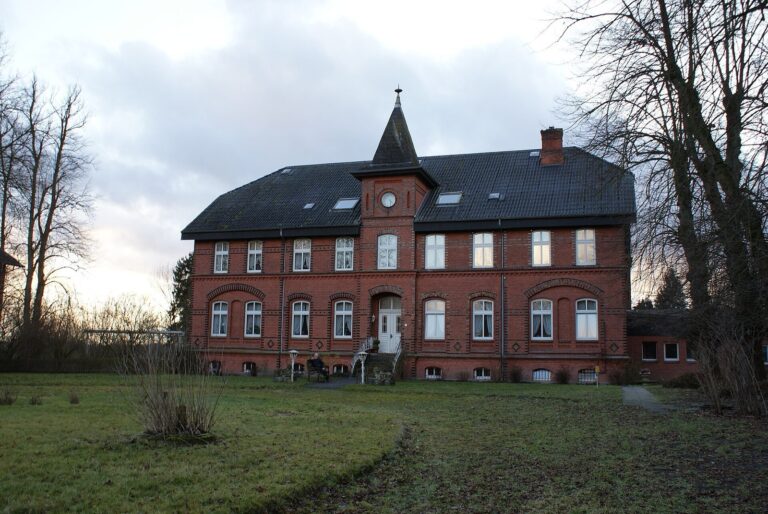
Built in 1914, the gatehouse is among the largest in Schleswig-Holstein. Its footprint and volume are several times greater than those of the manor house. It was formerly used mainly to store grain.
Farm buildings
Several farm structures form part of the estate, and its ancillary buildings represent different periods of construction.
Vicelin Church
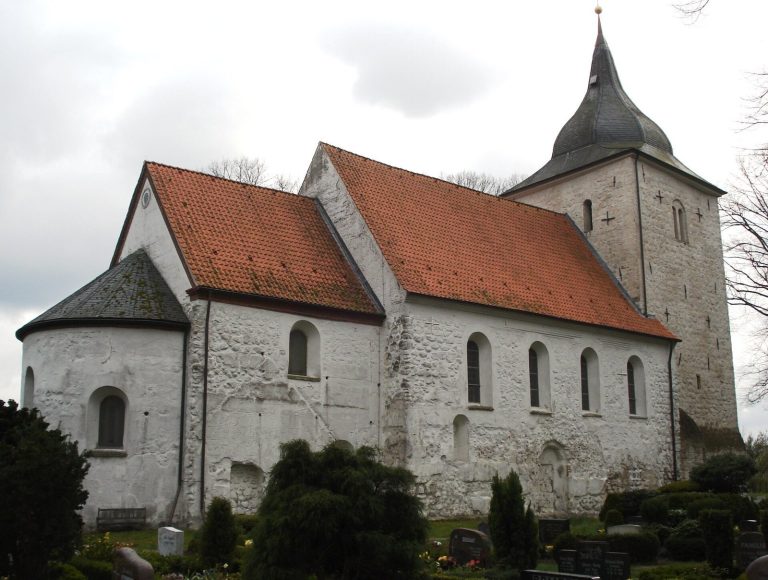
The church has a medieval character and contains an enclosed patron’s box, a reserved seating area erected under the Buchwaldt family. Vicelin, who lived from about 1090 to 1154, was a missionary bishop associated with the Christianization of Holstein.