Haseley Manor on the Isle of Wight: A Fourteenth-Century House in Arreton
Site at a Glance
- Popularity
- Medium
- Country
- United Kingdom
- Primary era
- Early Modern
- Eras represented
- Medieval, Early Modern
- Civilizations
- British, English
- Site type
- Domestic
- Remains
- Manor House
On this page5 sections
History
Early records and royal associations
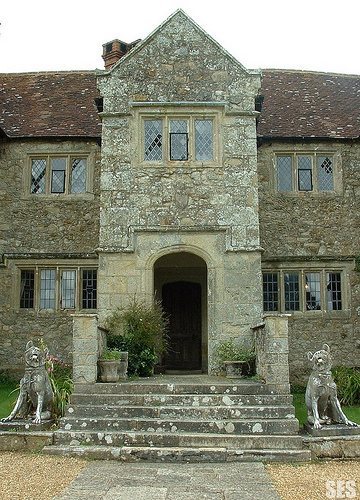
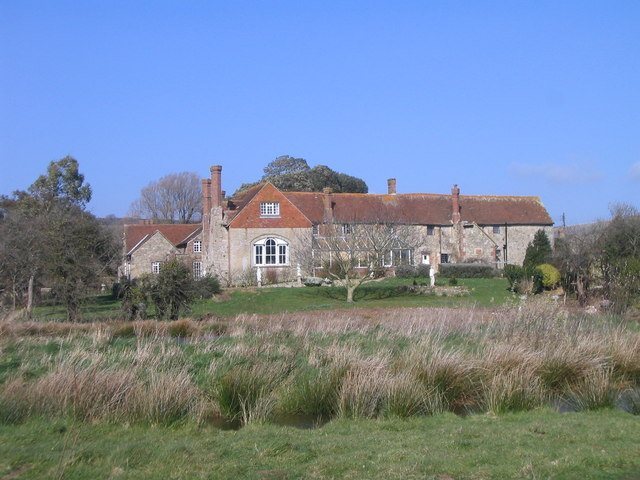
Haseley Manor on the Isle of Wight is a fourteenth-century manor house in Arreton, United Kingdom. The name Haseley derives from the Saxon words Haesel-leah, meaning “hazel wood.” Haseley appears in the Domesday Book, the 1086 English survey of landholding and resources, as property that had formerly belonged to Harold, the English king defeated by William I at Hastings in 1066. The manor is claimed to be the oldest house on the island. Its owners included Harold, William I, William II, and Henry VIII.
Mill and Fleming ownership
In 1537, Tudor statesman Thomas Wriothesley received a grant of the manor from the Crown, then sold it the following year to John Mill of Southampton. Mill’s son George made Haseley his residence during the reign of Elizabeth I. Sir John Oglander, an antiquary associated with the Isle of Wight, praised George’s household and way of life. Sir Thomas Fleming, the judge who tried Guy Fawkes, a conspirator in the 1605 Gunpowder Plot, also lived at the manor. It later passed to the Fleming family of North Stoneham Park.
Alteration and restoration
In 1781, Colonel Edward Fleming remodelled the house. By 1912 it belonged to John E. A. Willis-Fleming. The manor was derelict and overgrown with ivy by 1976, after which Raymond Young restored it over a period of 25 years. It is now a Grade II* listed building, a designation for particularly important buildings in England, and a private residence.
Remains
Haseley Manor stands in low ground at Arreton, north of Horringford station. Its south wing incorporates timber carved in 1139 by monks at Quarr Abbey, a monastery. The timber is described as Norman, referring to the period of Norman influence in England after 1066. Sir John Oglander wrote that the Mill family had almost rebuilt the house. The 1781 alterations affected two rooms on the south side, as part of the wider remodelling.