Harput Castle: A Historic Fortress in Elazığ, Turkey
Visitor Information
Google Rating: 4.5
Popularity: Medium
Official Website: www.harput.web.tr
Country: Turkey
Civilization: Byzantine, Ottoman
Site type: Military
Remains: Citadel
History
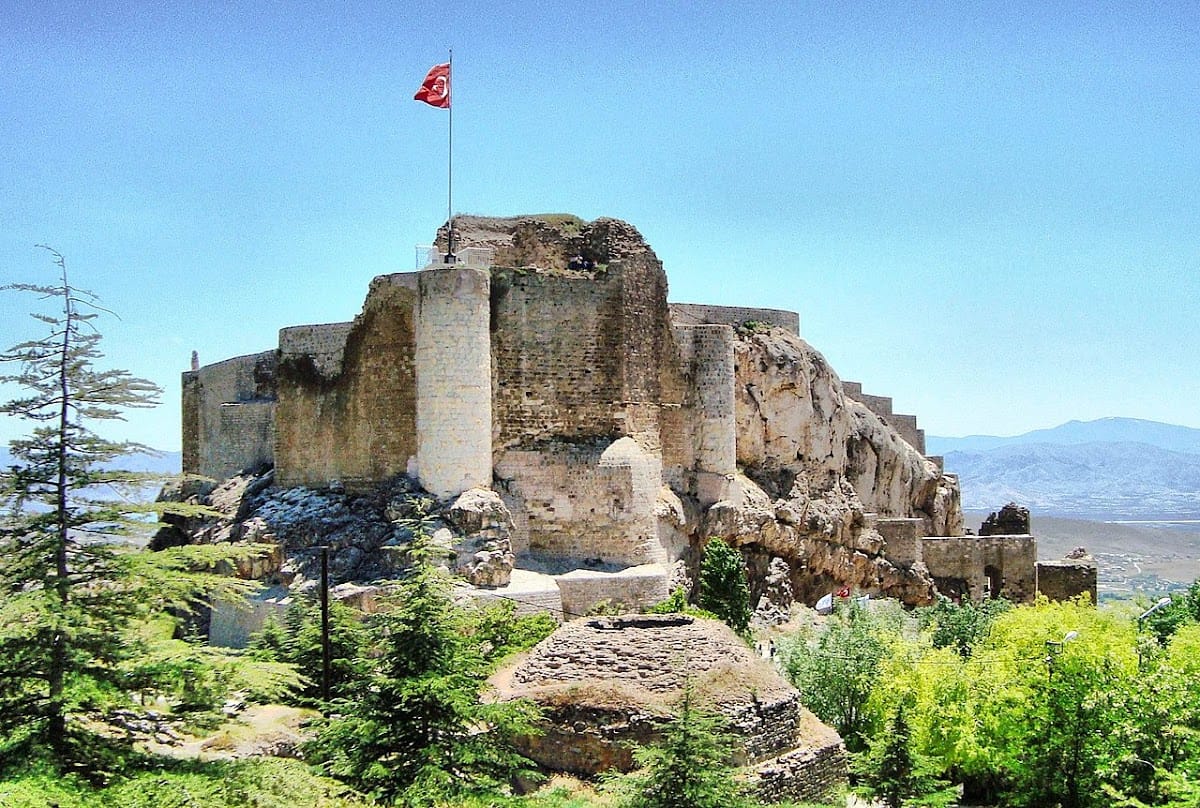
Harput Castle, situated in the historical neighborhood of Harput within the municipality of Elazığ in modern-day Turkey, was originally established by the Urartian Kingdom in the 8th century BC. This fortress was constructed on a rectangular plan and positioned strategically on rocky terrain overlooking the surrounding plains.
In the 6th century BC, the castle came under Persian control. Over the centuries that followed, it experienced a succession of rulers including the Armenians, Romans, Sassanids, Byzantines, and Abbasids, before returning briefly to Byzantine authority until the late 11th century AD. Each of these powers contributed to the castle’s evolving history and fortifications.
From 1085, Harput Castle became governed by the Çubukoğulları dynasty, transitioning to the Artukoğulları in 1112, and later passing to the Seljuks in 1234. During this time, the castle served as an administrative center under notable rulers such as the Artuqid leader Belek Ghazi and Seljuk Bey Alaeddin Keykubad.
In the 14th century, control over the castle frequently shifted due to struggles between the Dulkadiroğulları and Akkoyunlu dynasties, until the Akkoyunlu ruler Hasan Bahadır Han captured it in 1465. The castle and its surroundings were briefly seized by Shah Ismail in 1507, before being incorporated into the Ottoman Empire by Yavuz Sultan Selim in 1515, marking a new chapter in its history.
Local tradition relates that during the original construction, due to water shortages, milk was mixed into the mortar instead of water. This story gave rise to the fortress’s nickname, “Milk Castle” (Süt Kalesi), a name that has persisted alongside the official designation.
Modern archaeological interest began in the early 21st century, with excavations and restorations starting in 2005 under Prof. Dr. Veli Sevin. These works extended to uncovering an Ottoman-era neighborhood that existed within the castle precincts from the mid-17th century until the early 20th century. A second phase of excavation commenced in 2014, directed by Prof. Dr. İsmail Aytaç, continuing to reveal the site’s layered history.
Remains
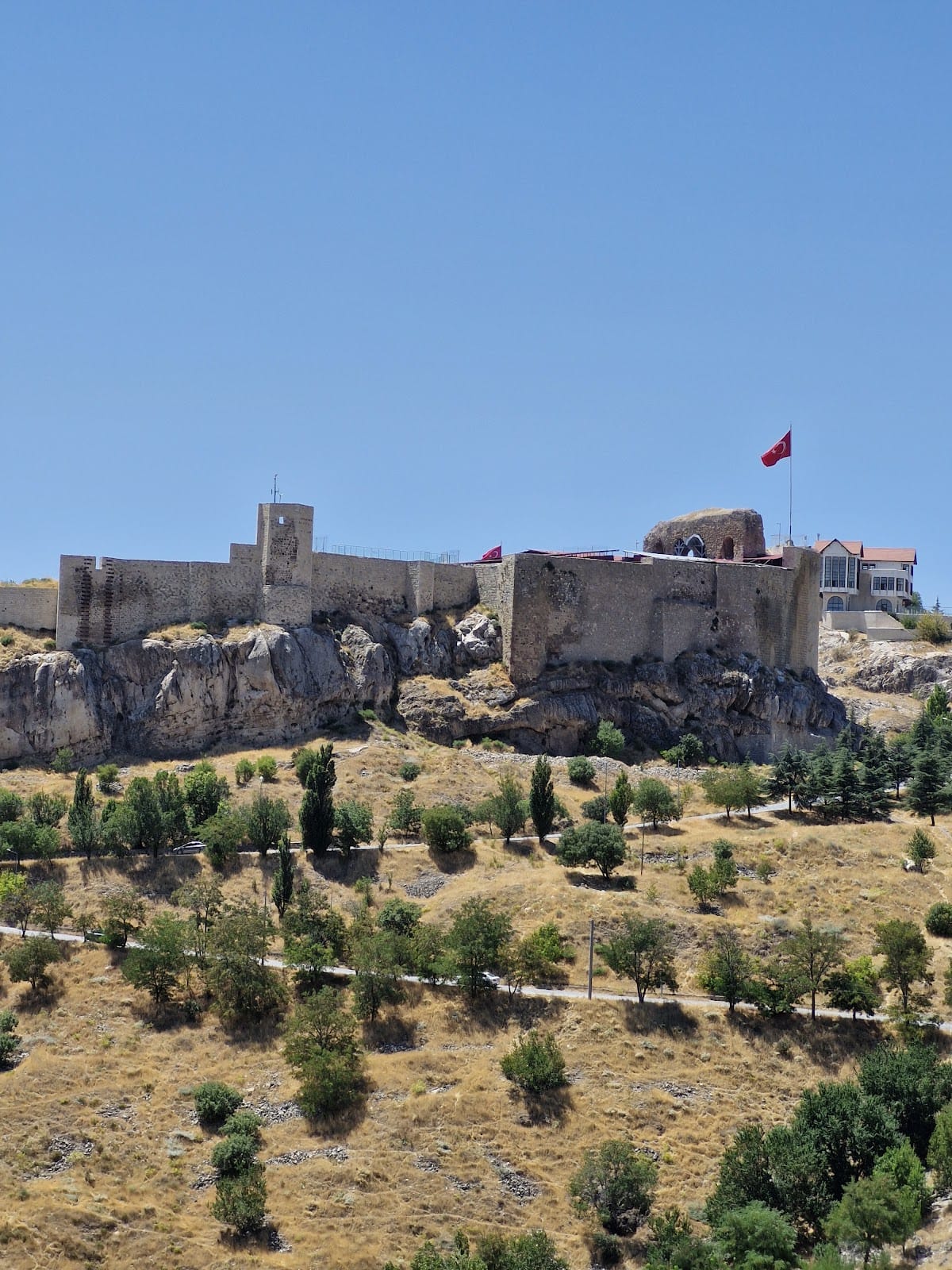
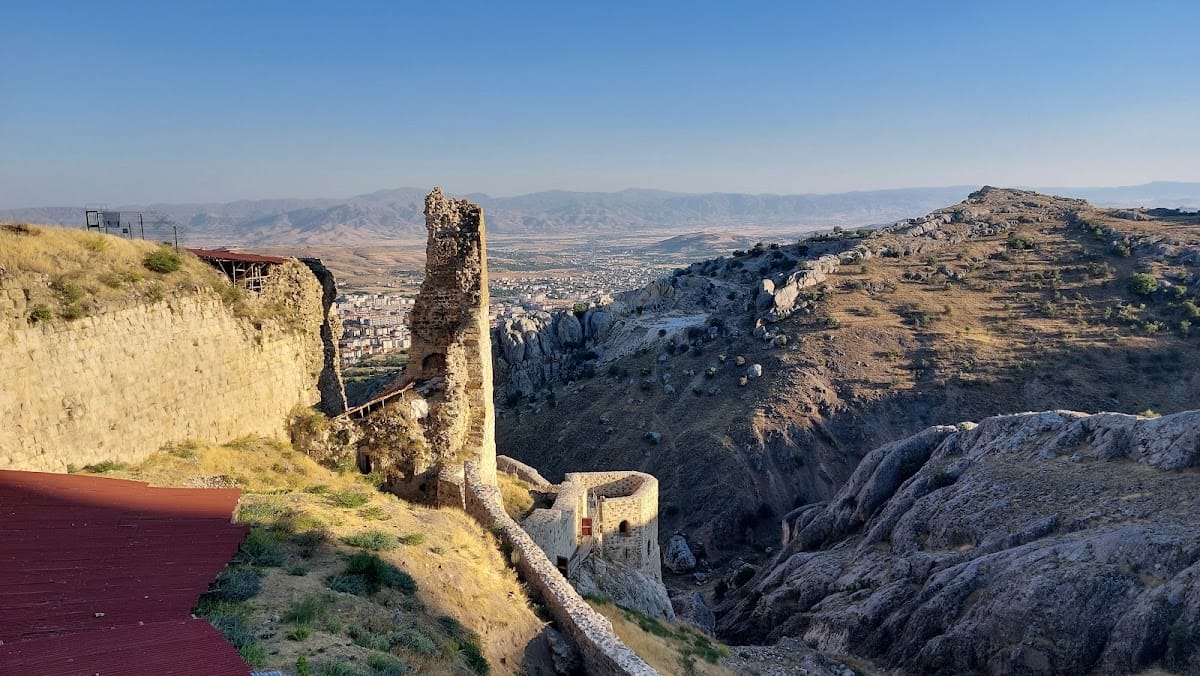
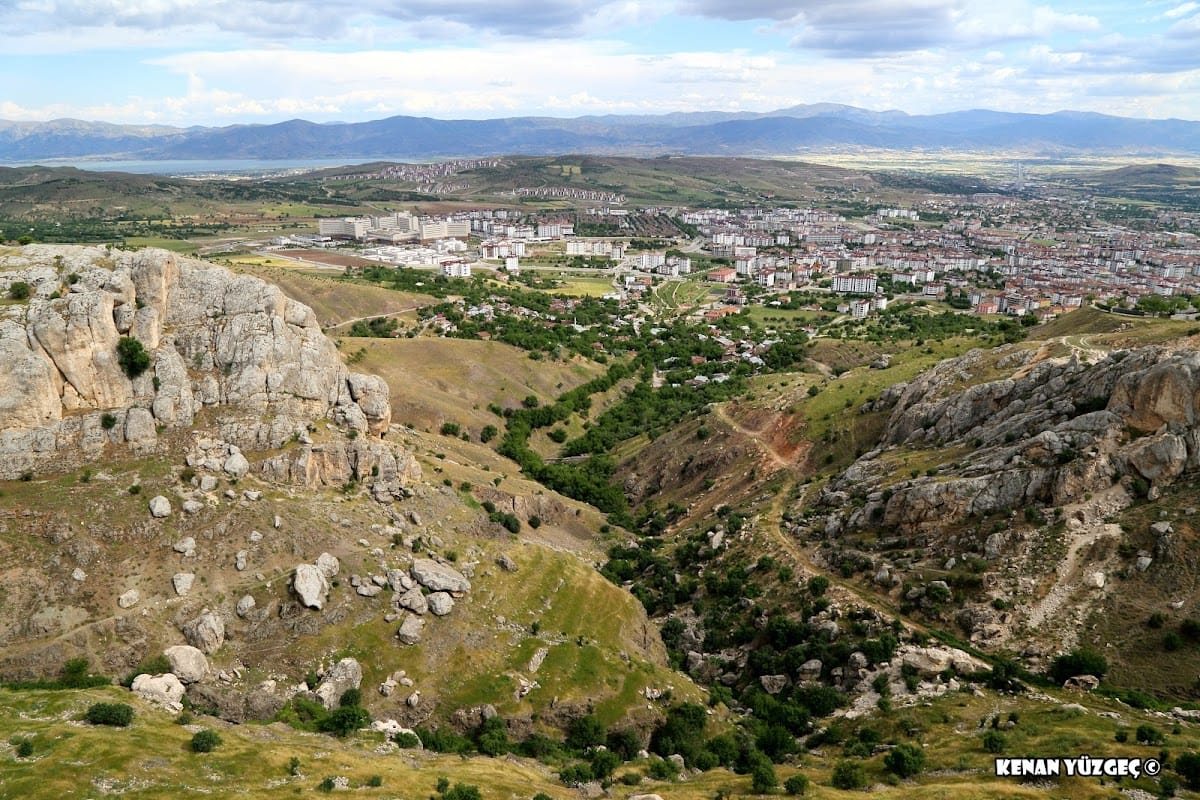
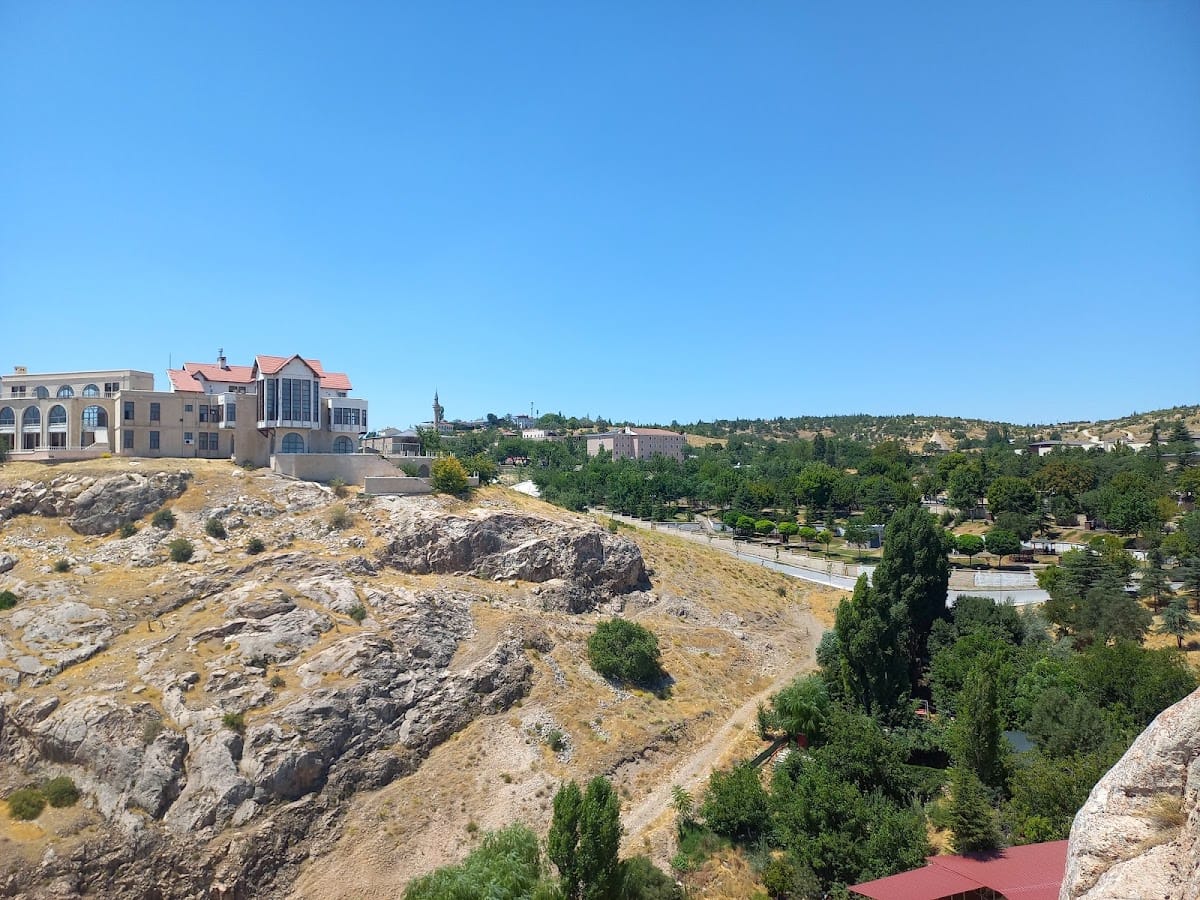
Harput Castle is composed of two principal parts: an inner fortress known as the citadel and the surrounding outer walls. Its original construction followed a rectangular design, with the main entrance situated on the eastern side facing the town of Harput. Its position atop steep, rocky cliffs provided a commanding view over the Elazığ Plain, making it a naturally strong defensive site.
The inner castle, built directly on sheer rock faces, retains several restored towers and gates, some of which underwent conservation work completed in 2005. In contrast, the outer walls have been largely dismantled over time, with only a solitary tower near the entrance to Harput still standing as a reminder of the fortress’s former defensive ring.
Within the castle walls, archaeological investigations have revealed a complex of functional spaces including dungeons, living quarters, and areas believed to have been used for treatment or healing. The northwest section of the inner castle contains the remains of an Artukid palace, illustrating the site’s use as a seat of regional government during the medieval period.
A significant feature on the castle’s eastern side is a 4th-century church dedicated to the Virgin Mary. One of this church’s walls is uniquely built directly onto the castle’s rocky foundation, integrating religious architecture into the fortress structure. Numerous inscriptions behind the walls offer insights into the various cultural influences that have occupied the site.
The castle’s walls, gates, and towers bear traces from multiple periods—Urartian, Artukid, Akkoyunlu, and Ottoman—as evidenced by inscriptions and construction styles. Oral tradition about the mortar mixing milk instead of water has become part of the site’s identity, supporting the popular title “Milk Castle.”
Until roughly sixty to seventy years ago, a sizeable neighborhood existed inside the castle walls. While these buildings have since vanished, past excavations documented their presence within the fortress grounds, reflecting the castle’s role as a living urban center well into recent history.