Handan Agha Mosque: A Fifteenth-Century Ottoman Mosque in Istanbul


Site at a Glance
- Rating
- 4.6
- Popularity
- Low
- Country
- Turkey
- Primary era
- Medieval
- Eras represented
- Medieval, Early Modern
- Civilizations
- Ottoman
- Site type
- Religious
- Remains
- Mosque
On this page4 sections
History
Foundation in the Ottoman period
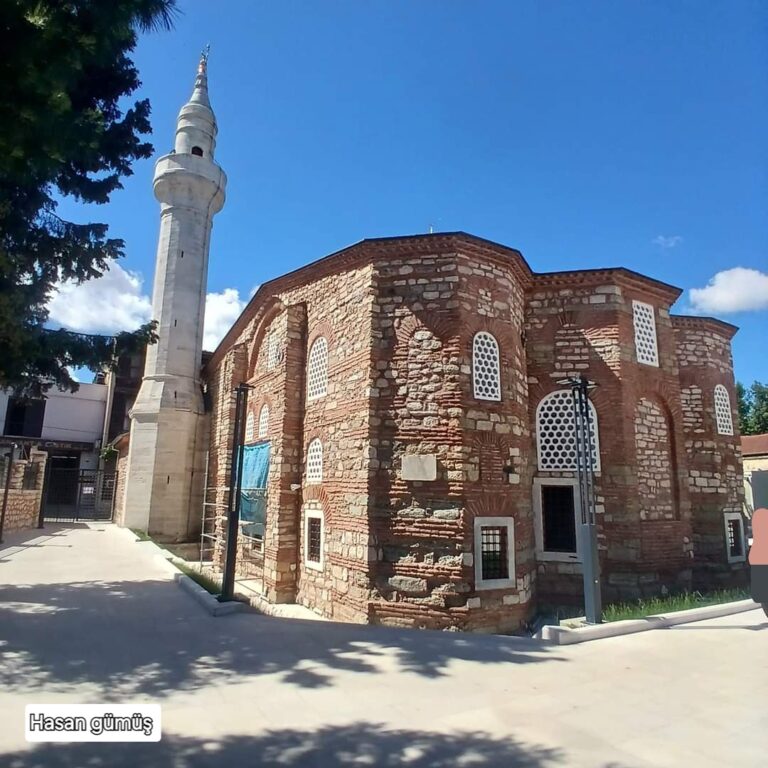
Handan Agha Mosque is a fifteenth-century Ottoman mosque in Istanbul, Turkey, built in the Ottoman architectural tradition. It was founded by Handan Agha, one of the aghas serving Sultan Mehmed II, the Ottoman ruler who captured Constantinople in 1453. The title agha was used for senior court, military, or administrative officials, with its precise meaning varying by context.
The mosque is affiliated with Islam and is also known as Kuşkonmaz Mosque, a name meaning “Birds Do Not Perch.” It stands near the Golden Horn, the major inlet of the Bosphorus along the northern side of Istanbul’s historic urban area, in the Hasköy neighborhood of Beyoğlu.
Repairs and changing shoreline
Handan Agha Mosque underwent repairs during the eighteenth and nineteenth centuries, followed by further work in the 1960s. Its basement formerly served as a boathouse. That use ended after the coastline was filled during land reclamation, linking the building’s later history to the physical transformation of the shore around the Golden Horn.
Remains
The mosque survives as an example of Ottoman mosque architecture near the Golden Horn. Its physical arrangement includes a basement that was formerly used as a boathouse, while the interior preserves decorative ceramic work from several periods.
İznik tiles, richly decorated glazed ceramics produced in the Ottoman city of İznik, date from the sixteenth and seventeenth centuries and decorate the interior. They are joined by some nineteenth-century maiolica tiles, a type of tin-glazed earthenware painted with colorful designs. Together, these tile decorations reflect additions and changes made across the mosque’s later history.