Haddo House: A Georgian Palladian Country House in Scotland
Site at a Glance
- Rating
- 4.7
- Popularity
- High
- Country
- United Kingdom
- Primary era
- Early Modern
- Eras represented
- Early Modern, Modern
- Civilizations
- British
- Site type
- Domestic
- Remains
- Elite Residence
On this page8 sections
History
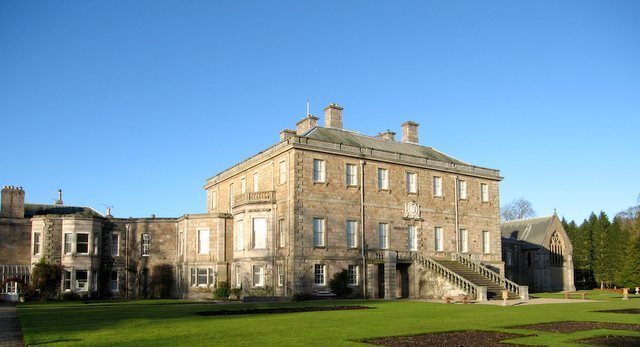
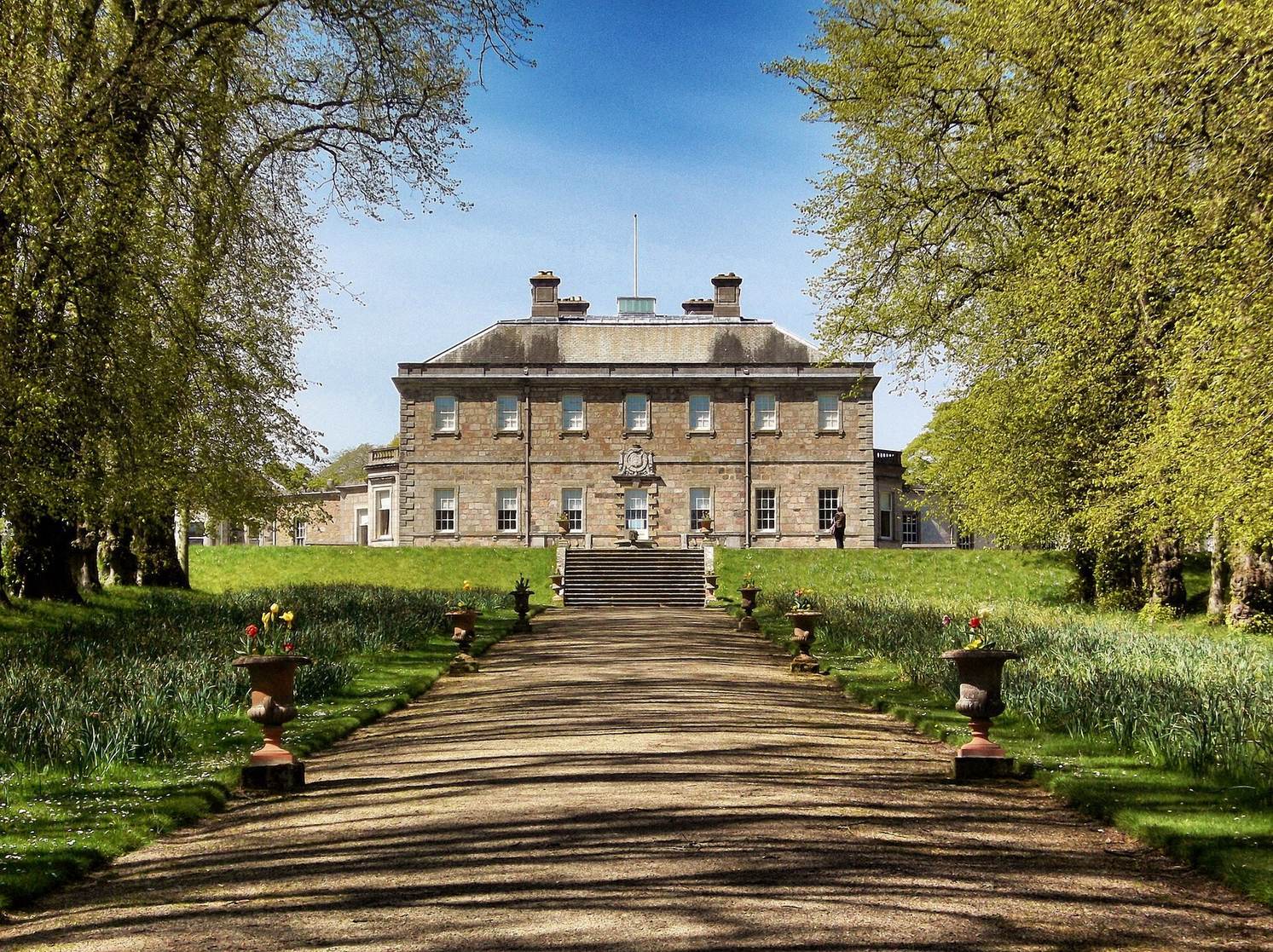
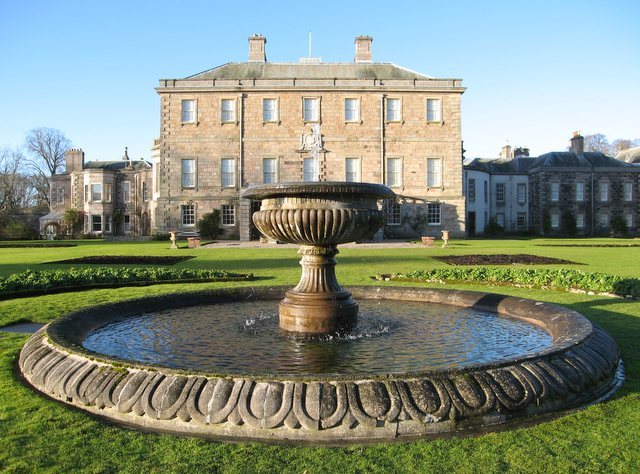
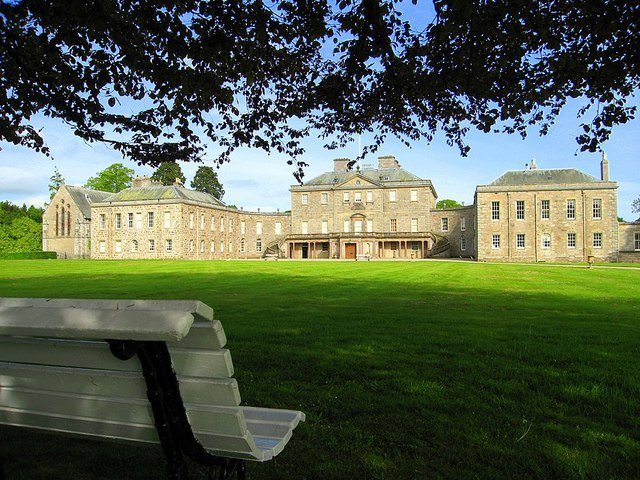
Haddo House is a country house near Tarves in Aberdeenshire, Scotland, United Kingdom, completed in 1732 to designs by William Adam in the Georgian Palladian style. This style combined classical forms popularized by Italian architect Andrea Palladio with Georgian-era design; Adam was a leading Scottish architect.
The Gordon family and construction
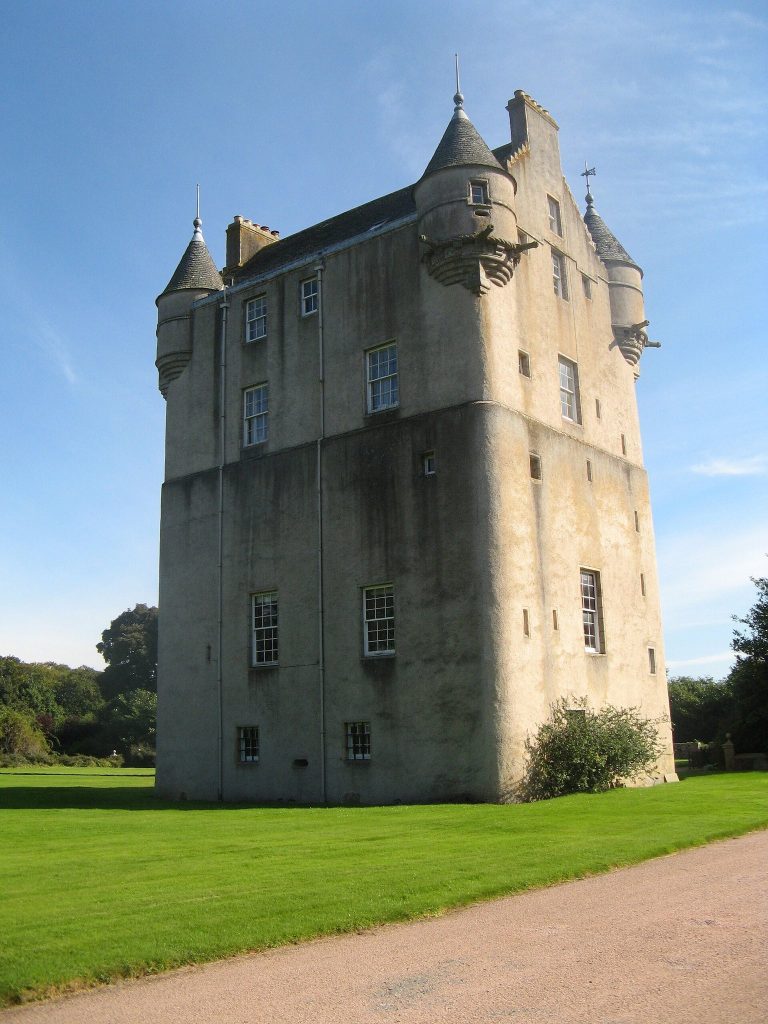
The Gordons lived at the site for more than 500 years and later became the Earls and Marquesses of Aberdeen. Haddo House stands on or near the site of Kellie Castle, the family’s earlier residence, which was burned by the Covenanters, Scottish Presbyterian supporters of religious covenants involved in armed conflicts in 17th-century Scotland.
George Hamilton-Gordon, 4th Earl of Aberdeen, was a notable former resident. He served as British prime minister from 1852 to 1855 and later held the title Marquess of Aberdeen and Temair.
Victorian and twentieth-century use
Wright and Mansfield refurbished the interior in 1880. In 1897, members of the Woman’s Art Association of Canada made the Cabot Commemorative State Dinner Service. When the Canadian government declined to buy it for CAD $1,000, members of the Canadian House and Senate purchased it privately and presented it to Lady Ishbel Aberdeen on 12 June 1898. The gift marked the end of her husband’s term as Governor-General of Canada, the Crown’s representative in a Commonwealth realm.
During the Second World War, Haddo House became an emergency maternity hospital for women evacuated from Glasgow. Nearly 1,200 babies were born there.
Stewardship and the estate
After the death of the 4th Marquess of Aberdeen and Temair, the Gordons transferred the house and park to the National Trust for Scotland in the 1970s, retaining the agricultural and forestry estate. The Trust has operated the house as a museum. Haddo House is a Category A listed building, and its designed landscape was added to Scotland’s Inventory of Gardens and Designed Landscapes in 1987 as an outstanding example of 18th- and 19th-century landscape design.
In 2021, Storm Arwen destroyed about 100,000 trees on the estate. Recovery to its pre-storm condition was estimated to take a generation.
Remains
Haddo House has a Georgian Palladian exterior and a late Victorian interior, with a small chapel attached. Its designed landscape includes extensive parkland, woodland, avenues, and water features.
Gatehouses and service buildings
In 1843, Scottish architect John Smith designed the kitchens and peripheral buildings. He returned in 1845 to build gatehouses at the north and south entrances. These single-storey structures are made of coarse, rough granite and use Tudor-style forms associated with England’s Tudor period.
Landscape and other buildings
The designed landscape is associated with William Adam, Scottish painter James Giles, and George Hamilton-Gordon, 4th Earl of Aberdeen. The grounds also contain a theatre, Haddo House Hall, and rehearsal rooms known as the Peatyards.
Art and the dinner service
The house’s collection includes a series of 85 castles by James Giles, an early work by French landscape painter Claude Lorrain, a Madonna attributed to Italian Renaissance painter Raphael, and portraits of 19th-century British politicians. The Cabot Commemorative State Dinner Service is displayed in a specially made cabinet. Its hand-painted porcelain comprises 24 settings for an eight-course meal.