Great Altar of Hercules: Rome’s Earliest Known Sanctuary for Hercules
Site at a Glance
- Popularity
- Medium
- Country
- Italy
- Primary era
- Classical
- Eras represented
- Classical
- Civilizations
- Roman
- Site type
- Religious
- Remains
- Sanctuary
On this page11 sections
History
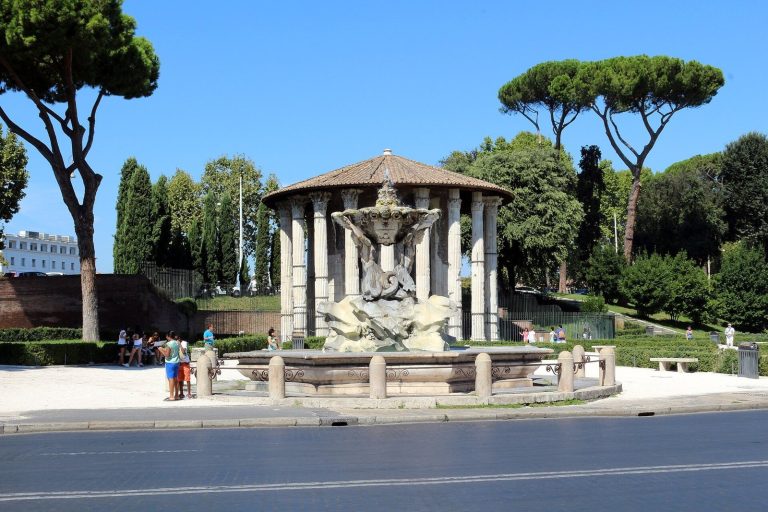
In Rome, Italy, the Great Altar of Hercules was the earliest known Roman sanctuary dedicated to Hercules, a Greek mythological hero worshipped as a god in Roman religion. Its original date is uncertain. Tradition places it in Rome’s regal period, the traditional era of the kings before the Republic; other proposals include 495 BCE or an earlier phase in the seventh or sixth century BCE. The sanctuary existed before the circular Temple of Hercules Victor.
Legendary origins and competing interpretations
Roman legend placed Hercules’ encounter with Cacus at the altar. After bringing the cattle of Geryon, a three-bodied giant, through Italy, Hercules supposedly killed Cacus, a fire-breathing monster who had stolen some of the herd. Traditions variously credited the altar’s foundation to Evander, a legendary Greek king in stories about early Italy, to Hercules himself, or to companions he left behind. Virgil’s account connected its origins with the Potitii and Pinarii, patrician families belonging to Rome’s hereditary aristocracy.
Explanations of the sanctuary’s origins differ. Some link Roman worship of Hercules to Greek colonies in southern Italy; another interpretation identifies this Hercules with Melqart, a Phoenician god worshipped at Tyre. A further proposal sees the rites as rooted in local Italic or Sabine traditions. It connects Hercules’ protection of herds with seasonal livestock movement between pastures and the salt trade. Supporters of this view also point to the sanctuary’s position inside the pomerium, Rome’s ritually defined boundary, as evidence for a local rather than foreign origin.
From private worship to public ritual
The worship began as a private cult, meaning organized rites dedicated to a deity. In 312 BCE, Appius Claudius Caecus, a Roman politician and censor, made it a public state cult. The urban praetor, a Roman magistrate with judicial and administrative duties, assumed the principal sacrificial role previously performed by the Potitii. The Pinarii had responsibility for service during sacrifices and oversight of the sanctuary.
Sacrifices followed Greek practice, with worshippers’ heads uncovered. Men wore laurel wreaths, while women were excluded from the ceremonies and from eating the sacrificial meat. The rites invoked no other deities alongside Hercules. The official festival of Hercules Victor, also known as Hercules Invictus, took place on August 12. A different interpretation places an agricultural festival near September 20, with a tenth of the harvest offered, followed by an early-April celebration associated with Melqart’s awakening.
The altar also served merchants, who made vows and swore business oaths there, and sacrifices were associated with commercial success. An offering might equal a tenth of a person’s profits. Gifts were made in animals or other goods rather than money, and were consumed at communal feasts. Marcus Licinius Crassus was remembered for giving a tenth of his wealth and hosting a feast for Roman citizens that lasted three months. Roman triumphal processions also began at the altar and ended on the Capitoline Hill, a major civic and religious center.
Rebuilding and late-antique change
A rebuilding is placed in the second century BCE, amid flood-control embankment work along the Tiber that required buildings in the Forum Boarium to be removed. The altar was destroyed in Rome’s Great Fire of AD 64 and probably rebuilt under the Flavian dynasty, which ruled from AD 69 to 96. It remained in existence at least into the fourth century.
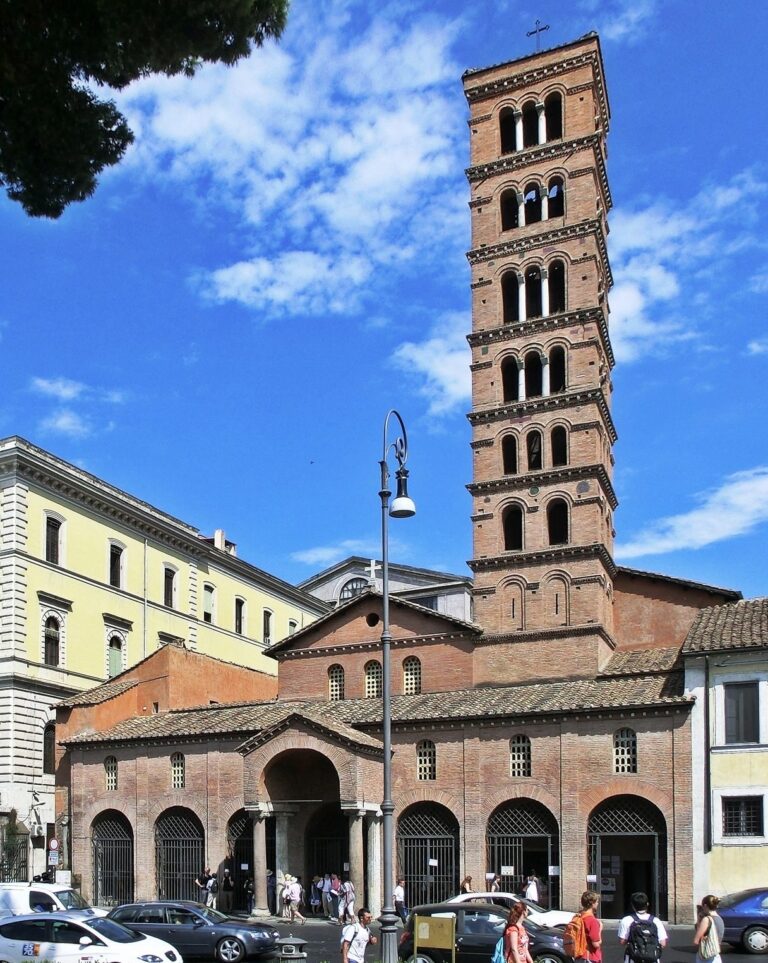
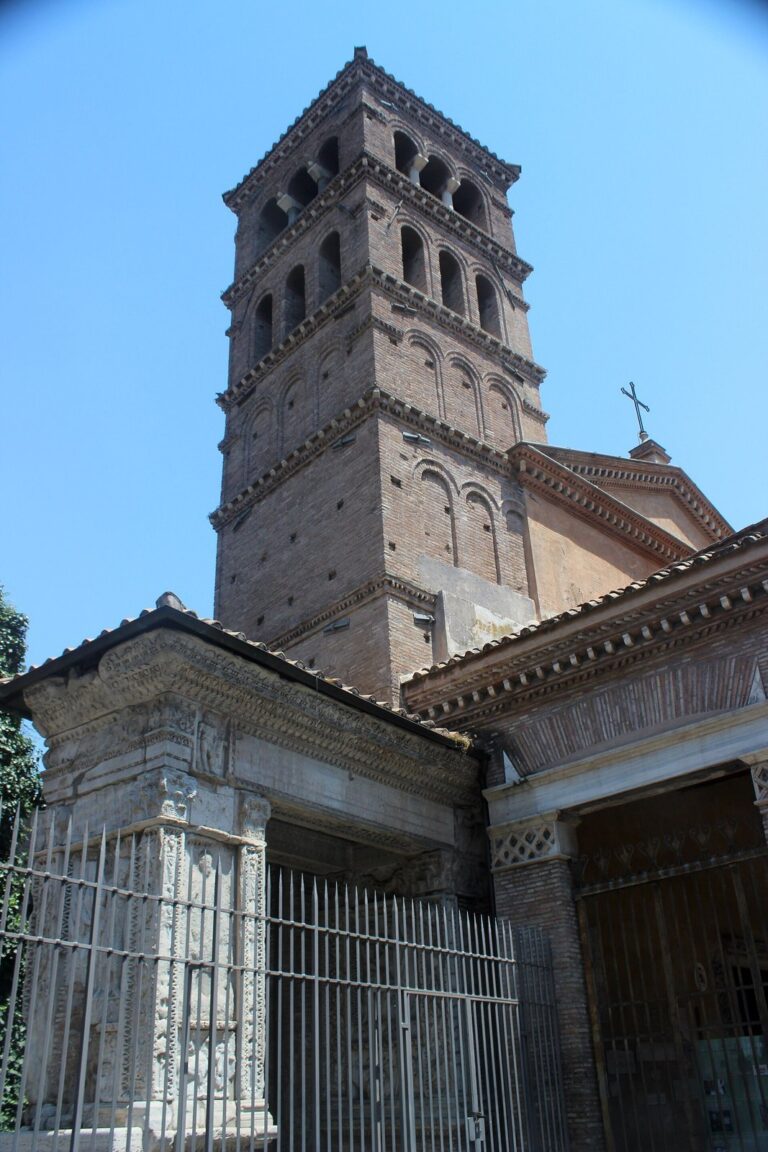
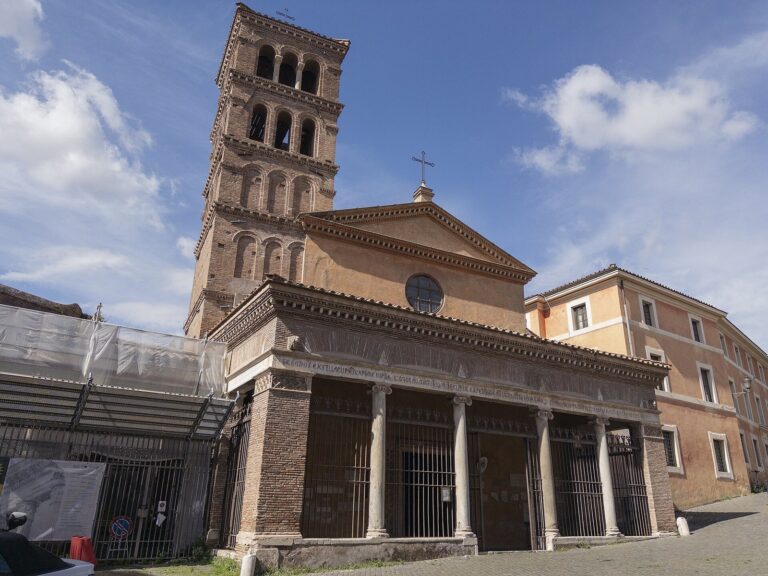
A small Christian chapel was established in the altar’s foundations in AD 200. By late antiquity, the sanctuary had probably been destroyed or dismantled. Its remains were incorporated into Santa Maria in Cosmedin.
Remains
The altar stood in the Forum Boarium, Rome’s cattle-market district, near the Tiber, in the low ground between the Palatine and Aventine hills and beyond the gates of the Circus Maximus. Evidence of its construction includes a portico associated with its Flavian-period rebuilding and a group of volcanic stone blocks that may have formed its base.
Evidence at Santa Maria in Cosmedin
Inscriptions and foundation blocks
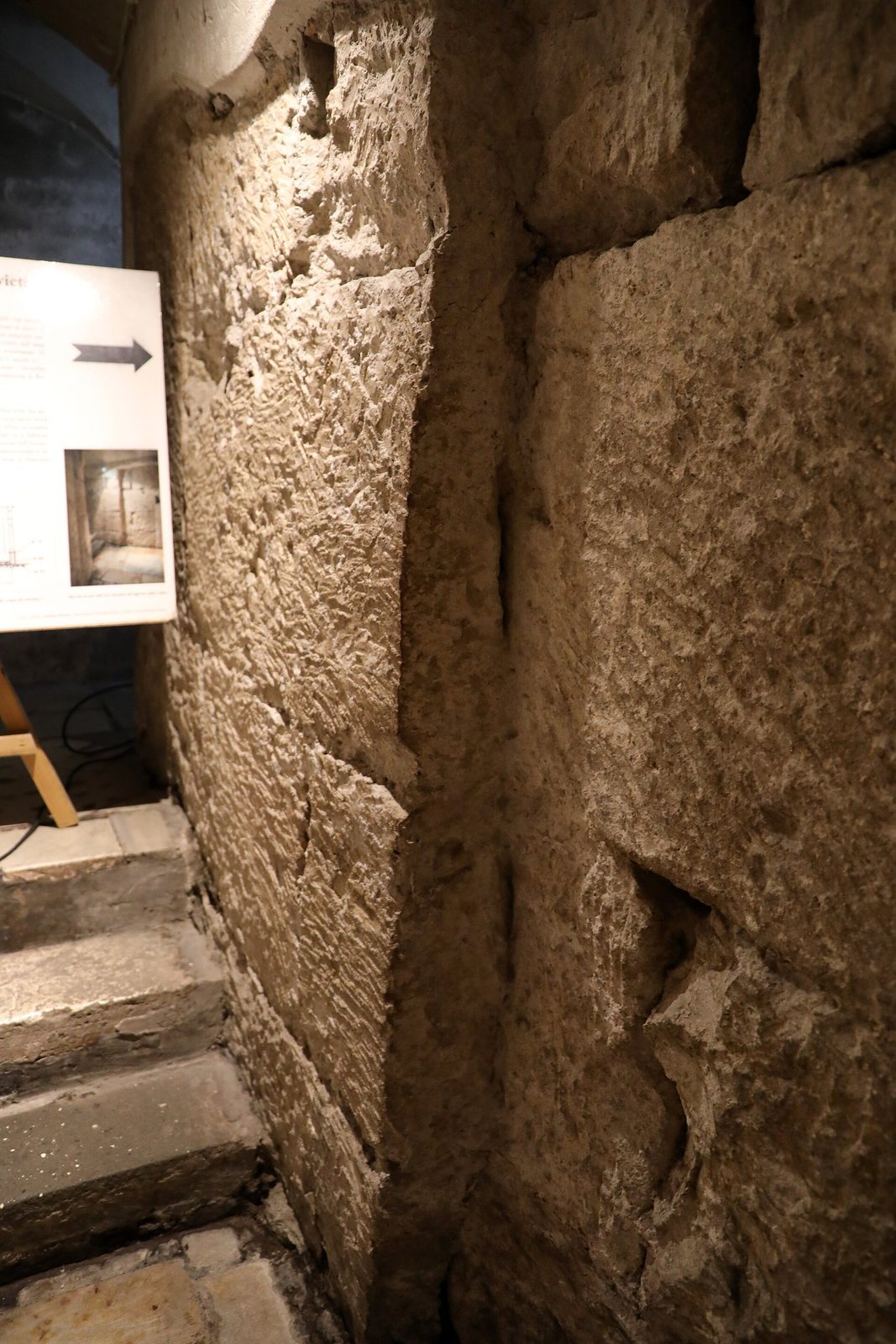
Inscriptions found behind Santa Maria in Cosmedin record annual sacrifices by urban praetors and help identify the altar’s location. Blocks of volcanic tuff, stone formed from compacted volcanic ash, lie in the church’s lower structures and can be seen in its crypt. They have been tentatively identified as the altar’s foundation or raised base, though they may instead belong to a temple of Hercules associated with Pompey the Great, a Roman general and politician of the late Republic.
Portico and columns
A covered walkway supported by columns was associated with the Flavian rebuilding and was later incorporated into Santa Maria in Cosmedin. Columns from it survive inside the church, separating the main hall from a side aisle.
Proposed identifications
Mosaic at Villa Romana del Casale
A mosaic at Villa Romana del Casale, a Roman villa in Sicily, depicts three Etruscan temples near the Circus Maximus. One shows Hercules fighting and has been proposed as an image of the Great Altar. The schematic mosaic is the only proposed reconstruction of the monument as a whole.
Proposed temple identification
The altar has also been tentatively identified with the Aedes Pompeiana Herculis, or Sanctuary of Pompeian Hercules, a name associated with the discovery and restoration of monuments at Pompeii.