Wulfen Megalithic Tomb: A Neolithic Passage Grave in Germany
Site at a Glance
- Popularity
- Very Low
- Country
- Germany
- Primary era
- Stone Age
- Eras represented
- Stone Age
- Civilizations
- Unclassified
- Site type
- Burial
- Remains
- Tomb
History
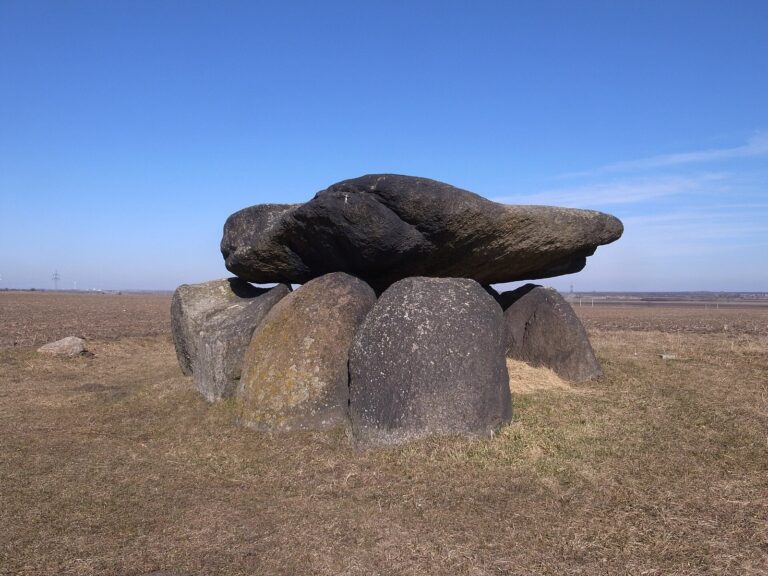
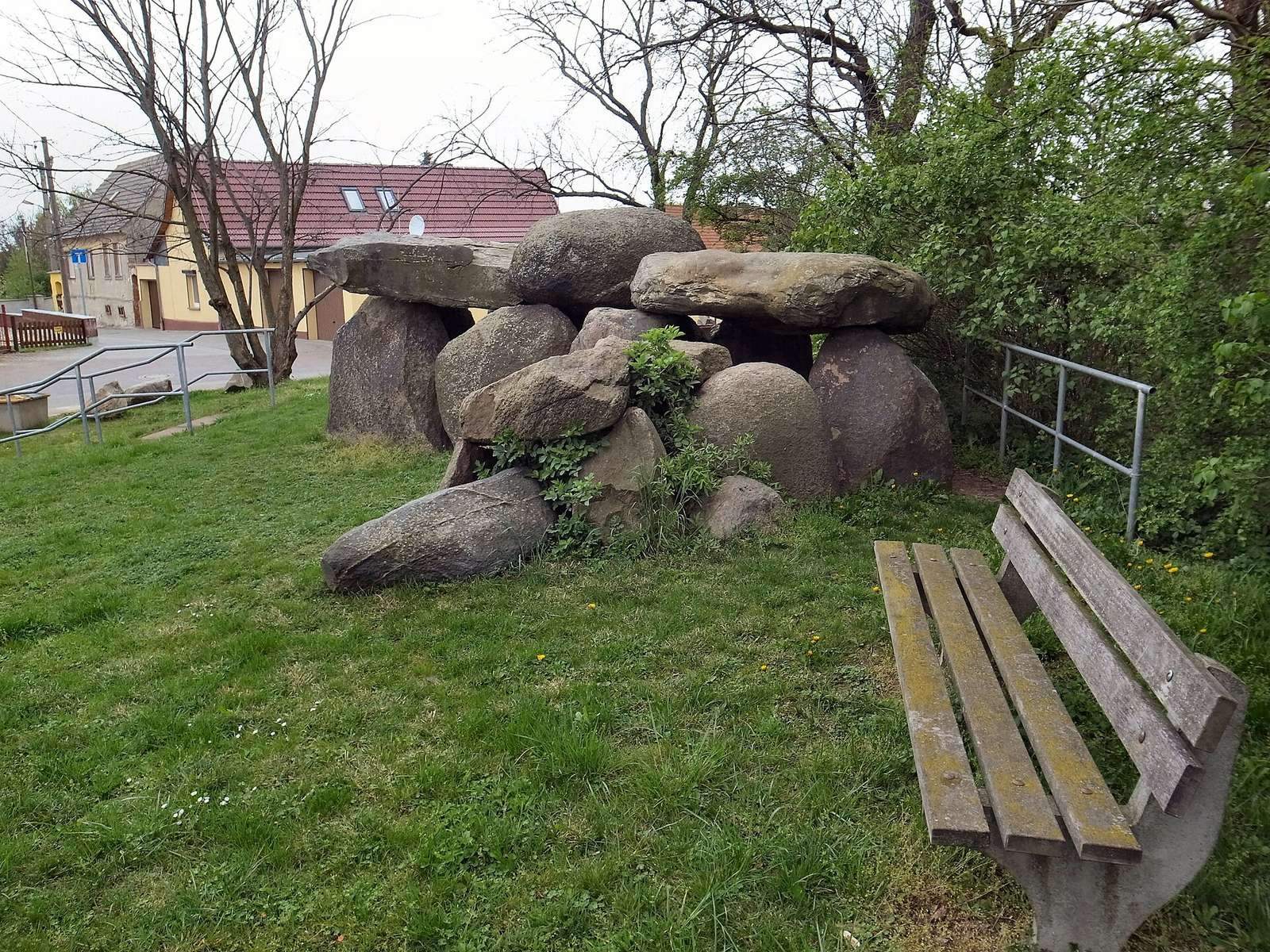
The Wulfen Megalithic Tomb is a Neolithic passage grave in Wulfen, Germany, dating to 3500–2800 BCE and associated with the Walternienburg-Bernburg culture, a Neolithic archaeological culture of central Germany. Also known as the Hoher Berg megalithic tomb, it served as a burial place over an extended period, with finds indicating use from the Neolithic through the early Iron Age and the Migration Period, an era of major population movements in Europe during late antiquity and the transition to the early Middle Ages.
The tomb was discovered and opened in 1784 when rabbit burrows were being dug. In 1912, district heritage conservator Walter Götze carried out another archaeological investigation. A separate passage grave at Weinberg, near Wulfen, had been opened in 1692 but was destroyed in 1883.
Remains
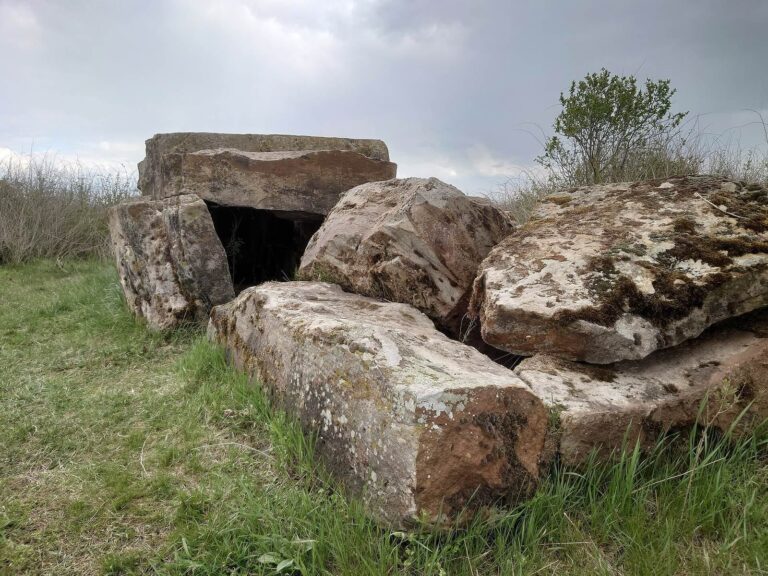
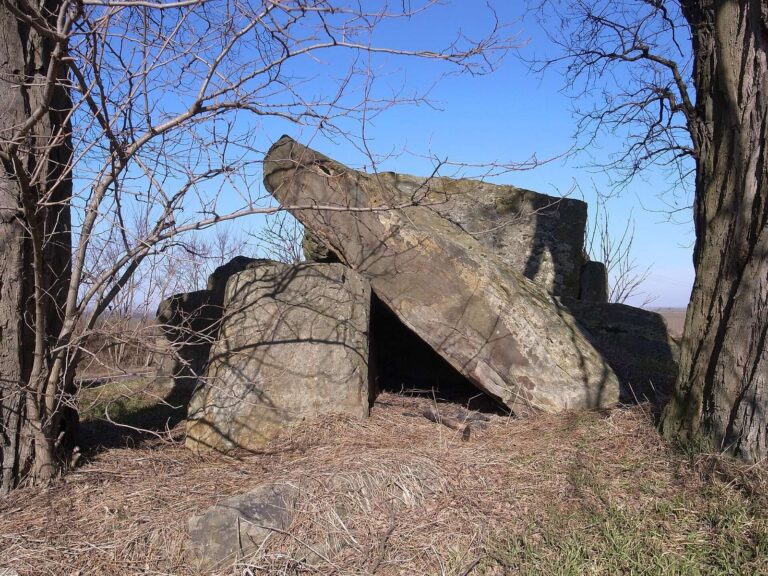
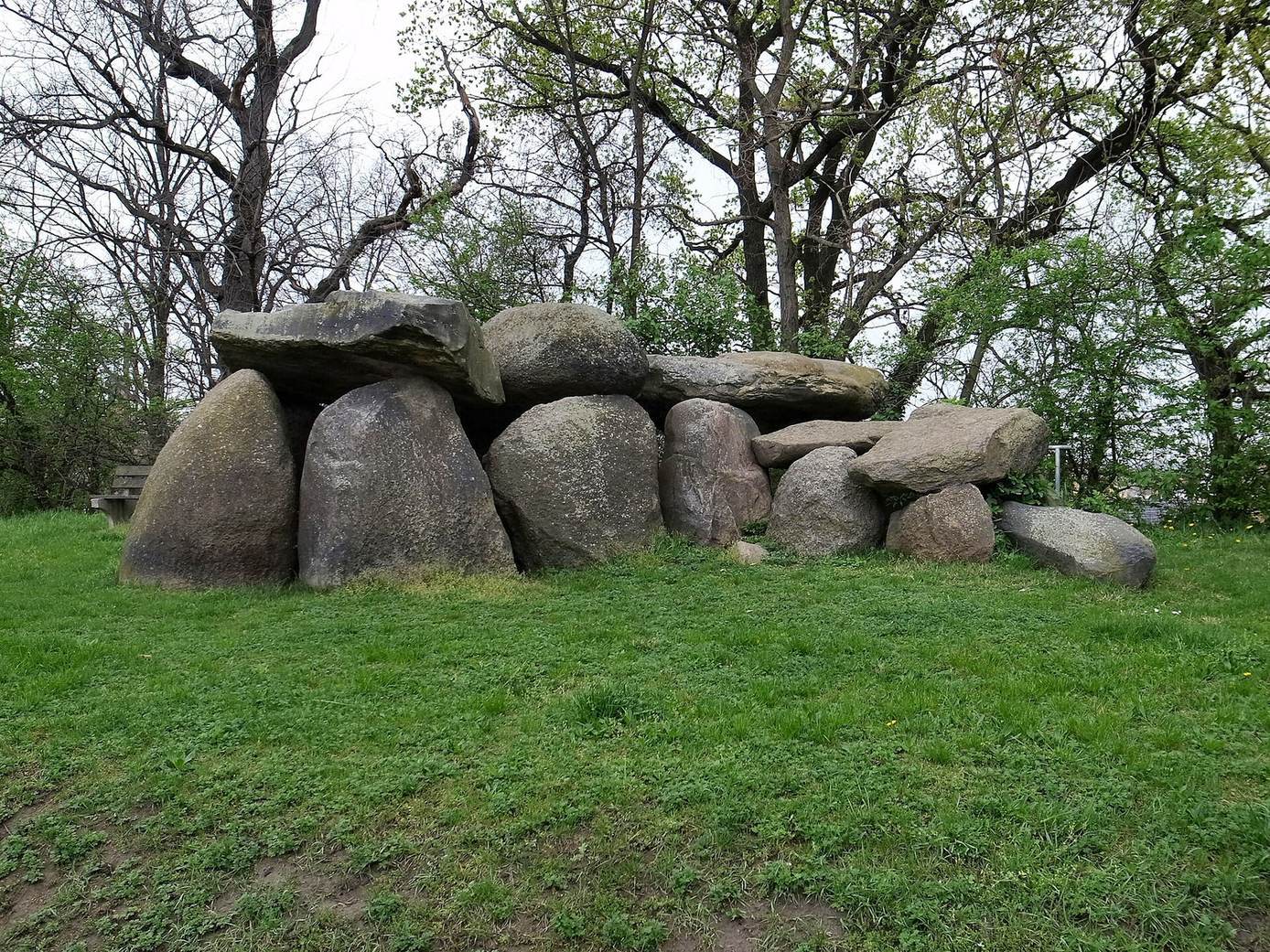
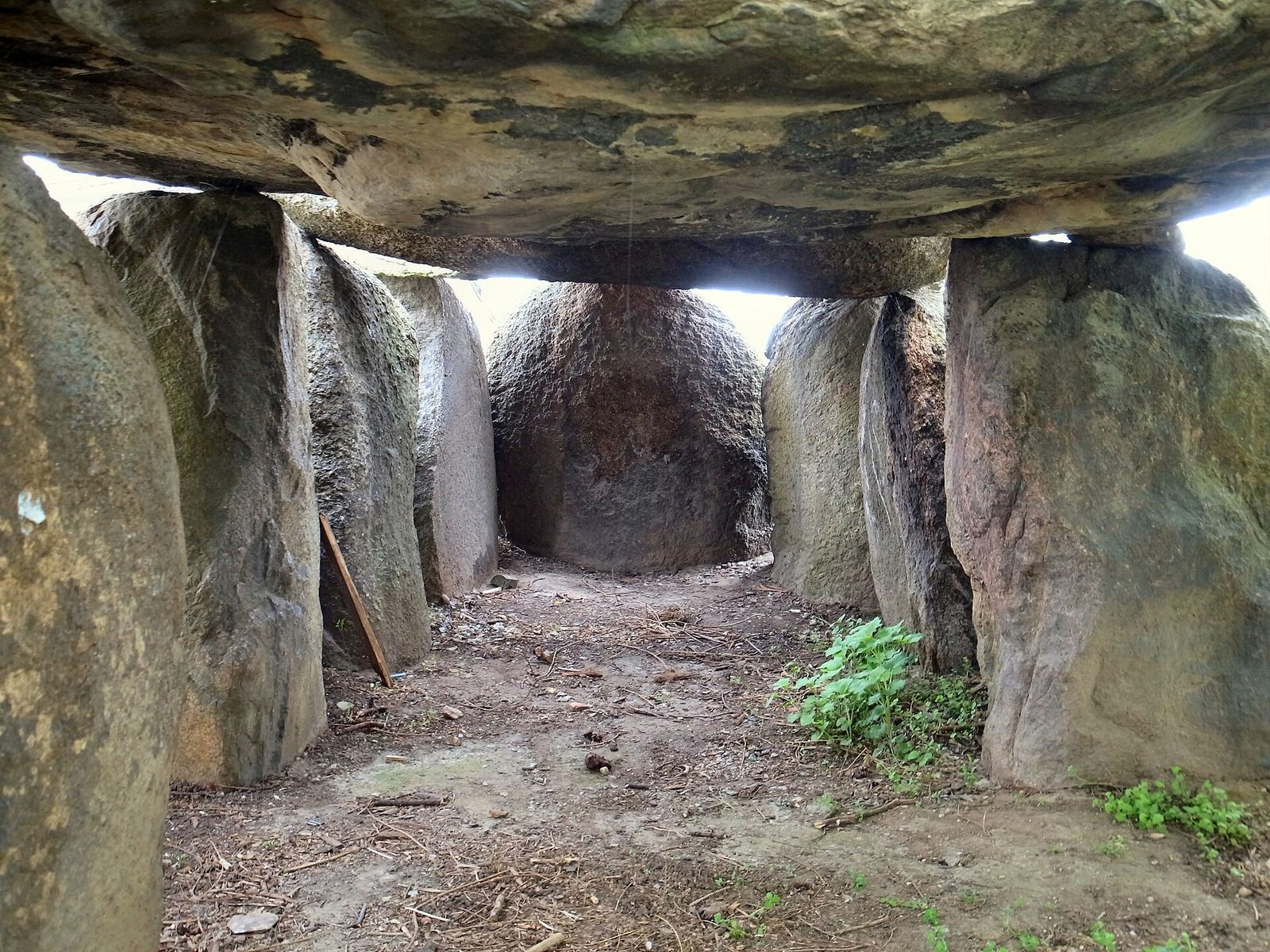
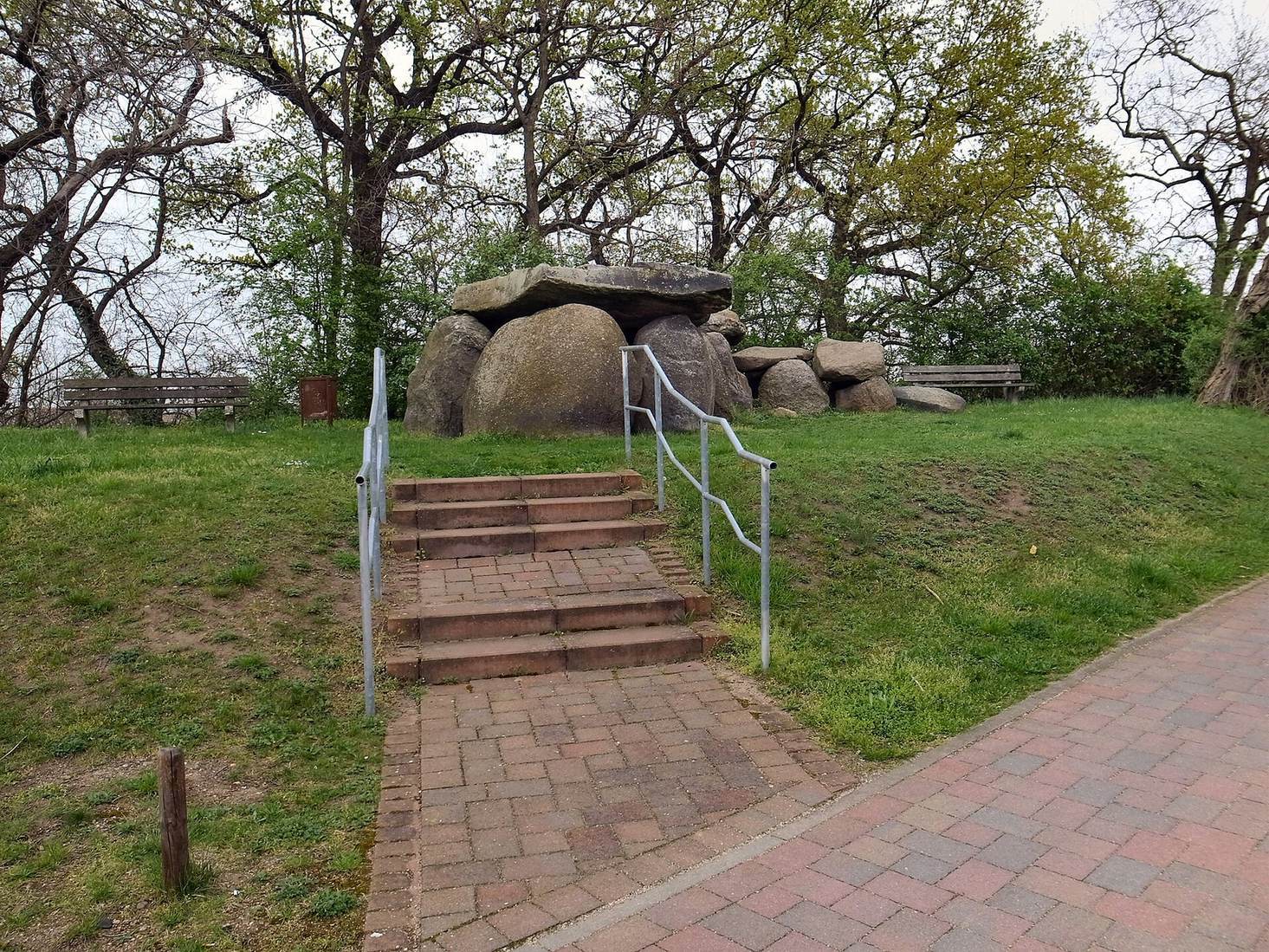
The surviving chamber stands on Hoher Berg in southern Wulfen, on the north side of Hohe Berg road. This passage grave, a megalithic burial chamber reached through a passage, is built from eight wall stones supporting three capstones. It measures 3.60 metres long, with an entrance to the chamber on its south side.
Finds from the 1784 opening are held at the Historical Museum of Köthen. They include flint objects and pottery associated with the Walternienburg-Bernburg culture, dated to 3200–2800 BCE; house-shaped urns and urns decorated with faces from the early Iron Age, dated to 800–450 BCE; and burials attributed to the Niemberger group of the 4th–5th centuries CE. The 1912 investigation recovered a Bernburg culture cup placed with the burials as a grave offering.