Grancia di San Demetrio: A Monastic Estate in Italy
Site at a Glance
- Popularity
- Low
- Country
- Italy
- Primary era
- Medieval
- Eras represented
- Medieval
- Civilizations
- Kingdom of Naples
- Site type
- Religious
- Remains
- Monastery
On this page9 sections
History
From fief to monastic settlement
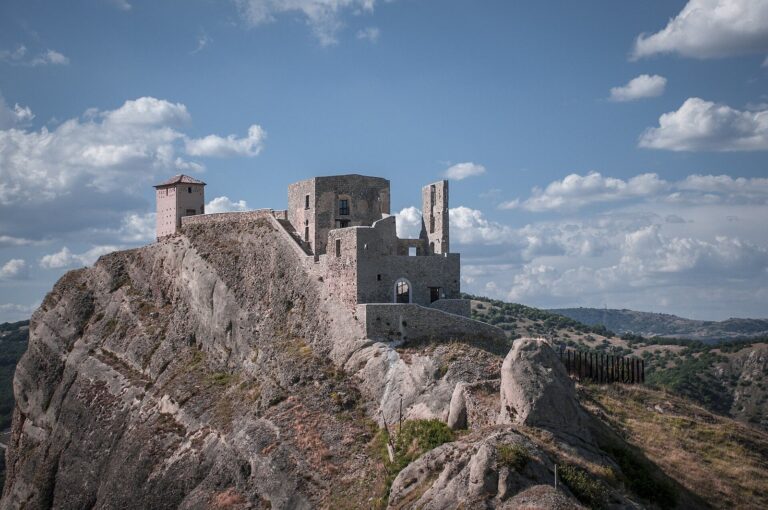
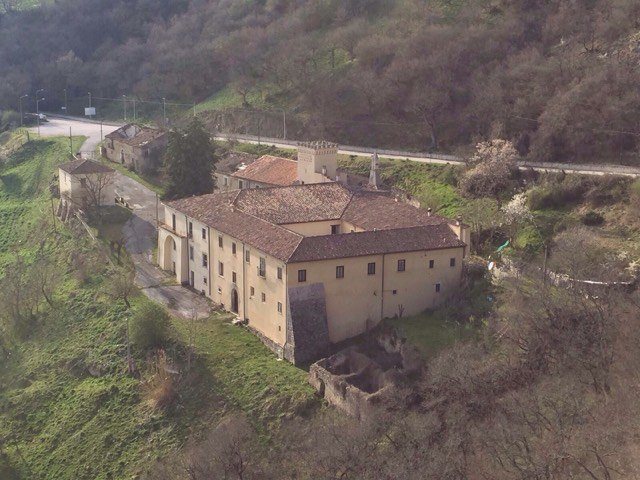
Grancia di San Demetrio is a former monastic estate in Italy, developed on wooded lands belonging to the fief of Brindisi. Its monastic history began before the 1456 earthquake that destroyed Brindisi Montagna, when the Sanseverino family donated the Pietro Morella fief to Basilian monks, members of monastic traditions shaped by the Rule of Basil of Caesarea. The estate developed as a religious and agricultural holding.
The fief’s lords included Guidone da Foresta, described as the first lord of Brindisi Montagna and Anzi, in 1268; Gerardo de Divort in 1280; Aegillio de Bellemonte in 1284; and Baldassarre La Zatta, Count of Caserta, in 1414. In 1449, it passed to Antonio Sanseverino, Count of Tricarico. The first Basilian appointed to administer the abbey built a dwelling on Mount Pietra Morella and lived there as a hermit. The monastery was first dedicated to Our Lady of the Hot Spring, perhaps in reference to a thermal-water aquifer in the area.
Carthusian administration and the land dispute
Carthusians from Padula, members of a Catholic monastic order whose communities are also called charterhouses, organized the property as a grancia, or monastic estate or dependent agricultural holding. Rector Gerardo Curch designated it as the Grancia of San Demetrio, and Pope Julius II confirmed the arrangement by papal bull in 1503.
In the early sixteenth century, Gerardo di Dionisio, rector of the church of San Demetrio, relinquished the property to the pope because the church was in poor condition and brought in little income. A bull dated 10 June 1505 granted the church to the prior of the Charterhouse of San Lorenzo and incorporated it, with its goods and rights, into the Charterhouse of Padula. The charterhouse took possession on 19 July 1505; a notarial act dated 4 March 1506 restored the church to its possession.
A prolonged dispute between the Carthusians and the Sanseverino family concerned whether the contested territory belonged to the church or to the fief of Brindisi. An agreement with Prince Berardino Sanseverino in 1512 settled the matter by transferring the disputed land to the monks.
Expansion and changes in ownership
The Grancia reached its greatest prosperity in the eighteenth century. Until the second half of that century, two lay brothers, known as grancieri, administered the estate.
A Napoleonic law suppressed the Carthusian order in February 1806, making the Grancia state property. The Blasi brothers, Ferdinando and Luigi, acquired it in 1809. After the Bourbon dynasty returned to power, the monks recovered the unsold cultivable tract known as the Sativo. They retained it until their expulsion in 1848, then regained it in 1860 and leased it to the barons Blasi, who had already acquired the Grancia.
In 1925, the Blasi heirs sold the property to Maddalena Caterini and Cufino Antonio of Vaglio Basilicata. After 1986, their heirs transferred the monastic complex, also called the Grancia Benedettina, to the state. Since 2000, the Grancia has served as the setting for a historical, rural, cultural, and environmental park, where a show presents local history from the perspective of brigands.
Devotion to Saint Lawrence
Local tradition venerated Saint Lawrence, an early Christian martyr, as a wonder-working protector against malaria. Although the feast was normally associated with 10 August, the Grancia has held its annual celebration on 10 September since the early twentieth century. Until the second half of the 1940s, people from nearby villages came to ask the saint for help against malaria. They sought charcoal fragments during the procession, ground them into powder, and took the powder with water as a remedy for what locals called “the cold,” meaning malaria.
By the late 1940s, DDT, an insecticide, had eliminated the anopheles mosquitoes that transmit malaria, and the disease disappeared from the area. Devotion to Saint Lawrence then declined, though the 10 September celebration continues as an end-of-summer festival.
Remains
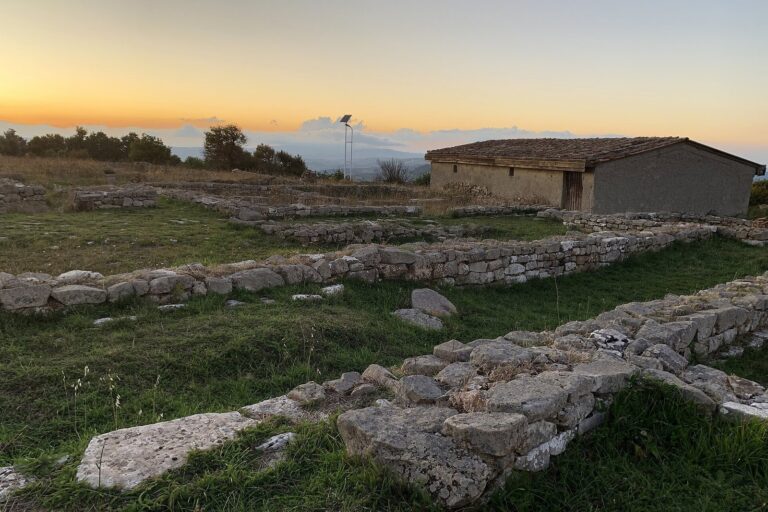
The historic estate covered a broad landscape. The donated Pietro Morella fief extended from the Corna ravine and the Basento River to the Pallareta forest in Potenza, and included Mount Pietra Morella, also known as Mount Romito. The property acquired by the Blasi brothers comprised buildings, woods, vineyards, gardens, mills, and south-facing land; the wider estate also included houses and livestock holdings.
Religious buildings and devotional features
Hermitage and monastery
The first Basilian administrator’s dwelling stood on the summit of Mount Pietra Morella, where he lived as a hermit. The ancient monastery was initially dedicated to Our Lady of the Hot Spring and is also referred to as the church of San Demetrio.
Church of San Lorenzo and procession
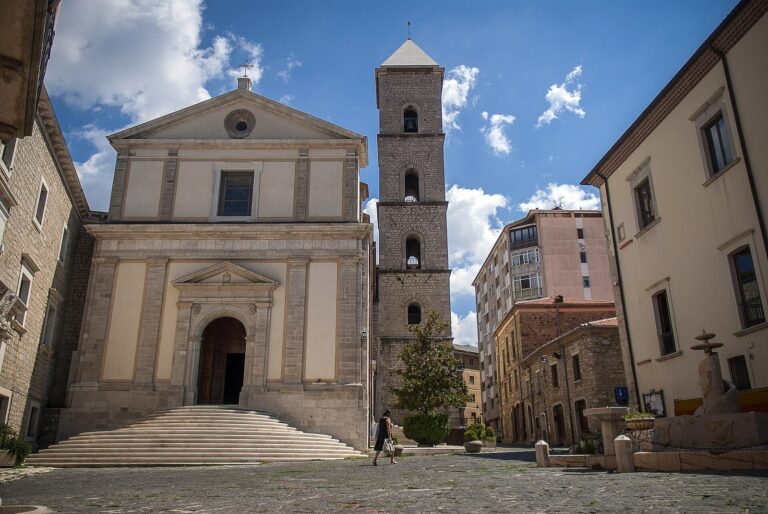
The hamlet of Grancia di San Demetrio also has a church dedicated to San Lorenzo. A statue of the saint was carried in the local procession. Charcoal fragments gathered during the ceremony were ground into powder for the traditional healing practice.