Gram Palace: A Historic Palace and Estate in Denmark
Site at a Glance
- Popularity
- Medium
- Country
- Denmark
- Primary era
- Early Modern
- Eras represented
- Early Modern
- Civilizations
- Danish
- Site type
- Domestic
- Remains
- Elite Residence
On this page9 sections
History
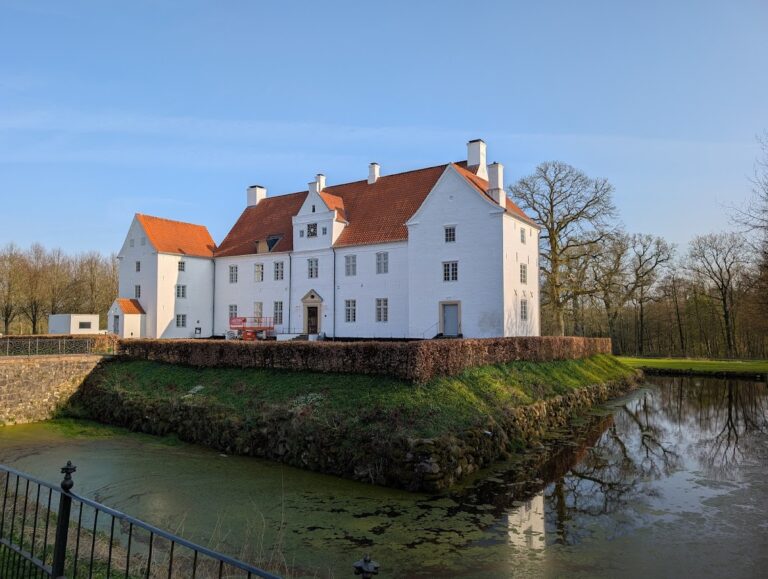
Gram Palace is a historic palace in Gram, Southern Jutland, Denmark. The estate’s history reaches back to a royal manor entered in 1232 as a royal chamber estate, meaning property held within the monarch’s own domain rather than by a private noble. The surviving buildings reflect Northern Renaissance design developed north of the Alps, the elaborate forms of the Baroque, and Classicism’s return to classical models.
Medieval manor and noble ownership
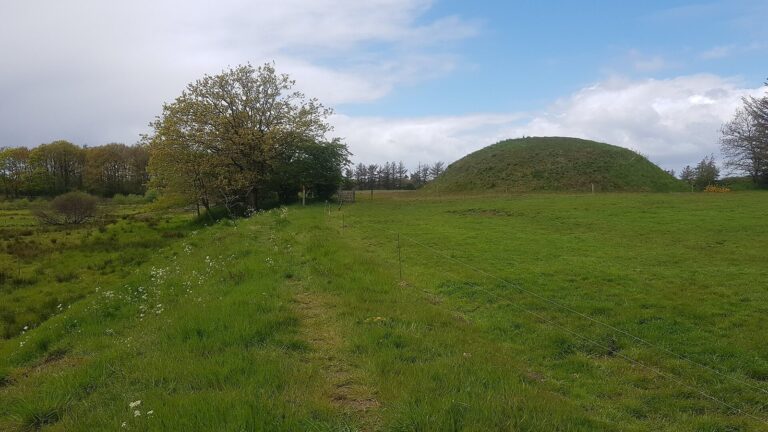
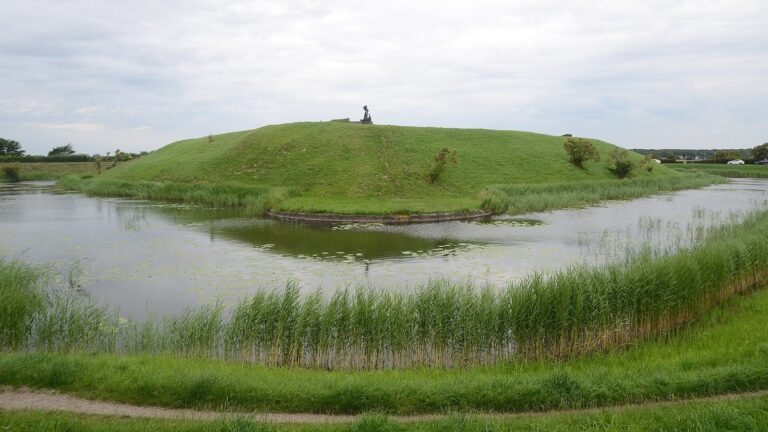
The medieval manor stood about 3 km from the present palace. In 1314, a castle at Gram belonged to Duke Eric II of Schleswig, a medieval duchy encompassing parts of what are now Denmark and Germany. The castle’s exact position was later forgotten, though several nearby earthworks have been considered possible sites.
Toward the end of the 14th century, Henneke, son of Claus Limbek, took control of Gram. Ditlev Reventlow acquired the estates in 1467, and the Reventlows selected the present palace location around 1500.
The Schack family and folklore
The estate later passed into the hands of the Schack family, a Danish noble family that held Gram until 1821. Three pieces in a collection of legends, folktales, and songs published in 1845 concern Count Schack of Gram and Countess Anna Sophie Schack. The collection’s editor, Karl Müllenhoff, was a German scholar of language and folklore.
Recent ownership and use
In 2007, the Brockenhuus-Schack line sold the estate to Svend Brodersen, who has owned it since and established an organic farm there. The palace houses a hotel and event center alongside the farm. Work to establish an agricultural museum began in 2021.
Remains
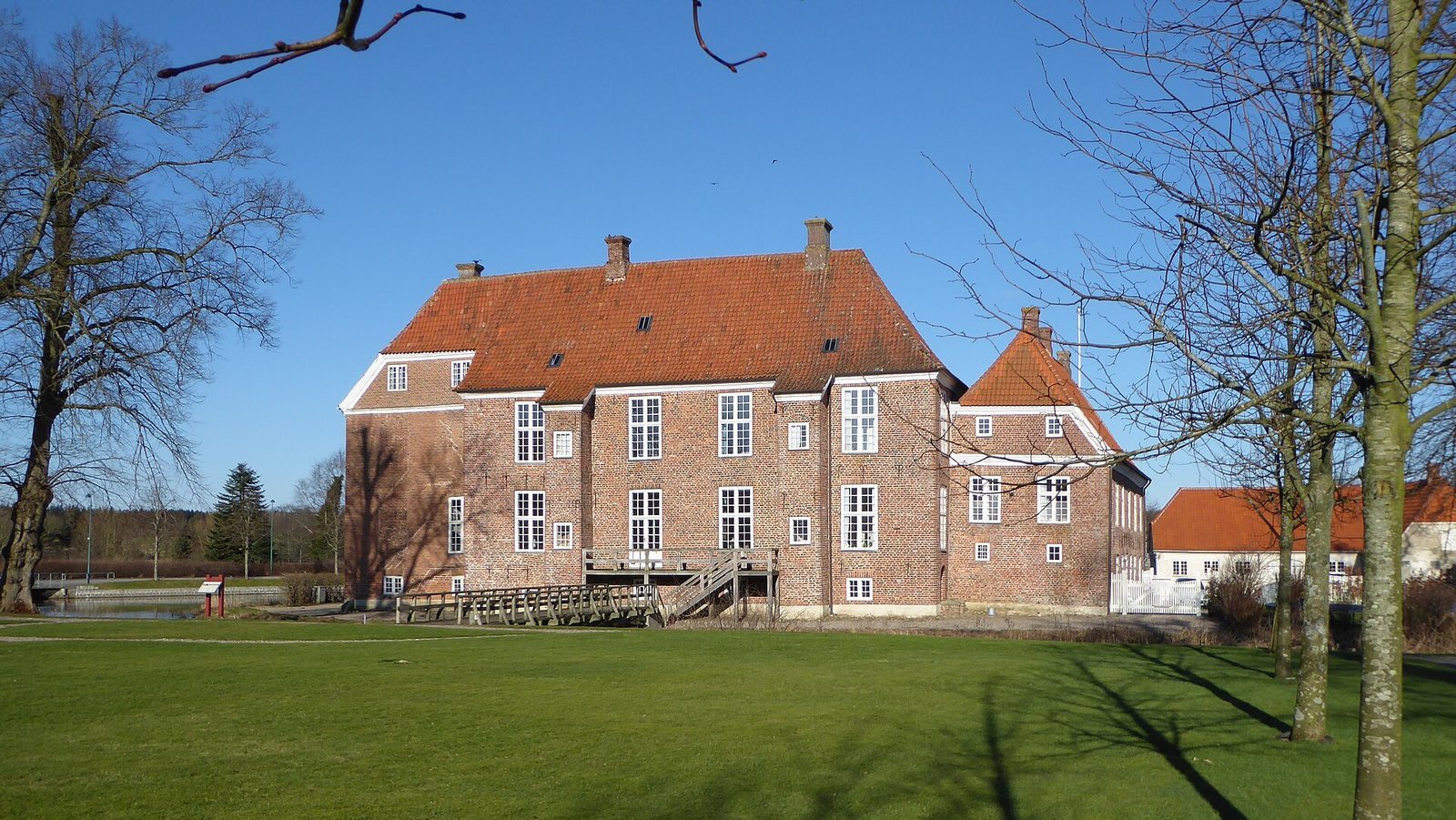
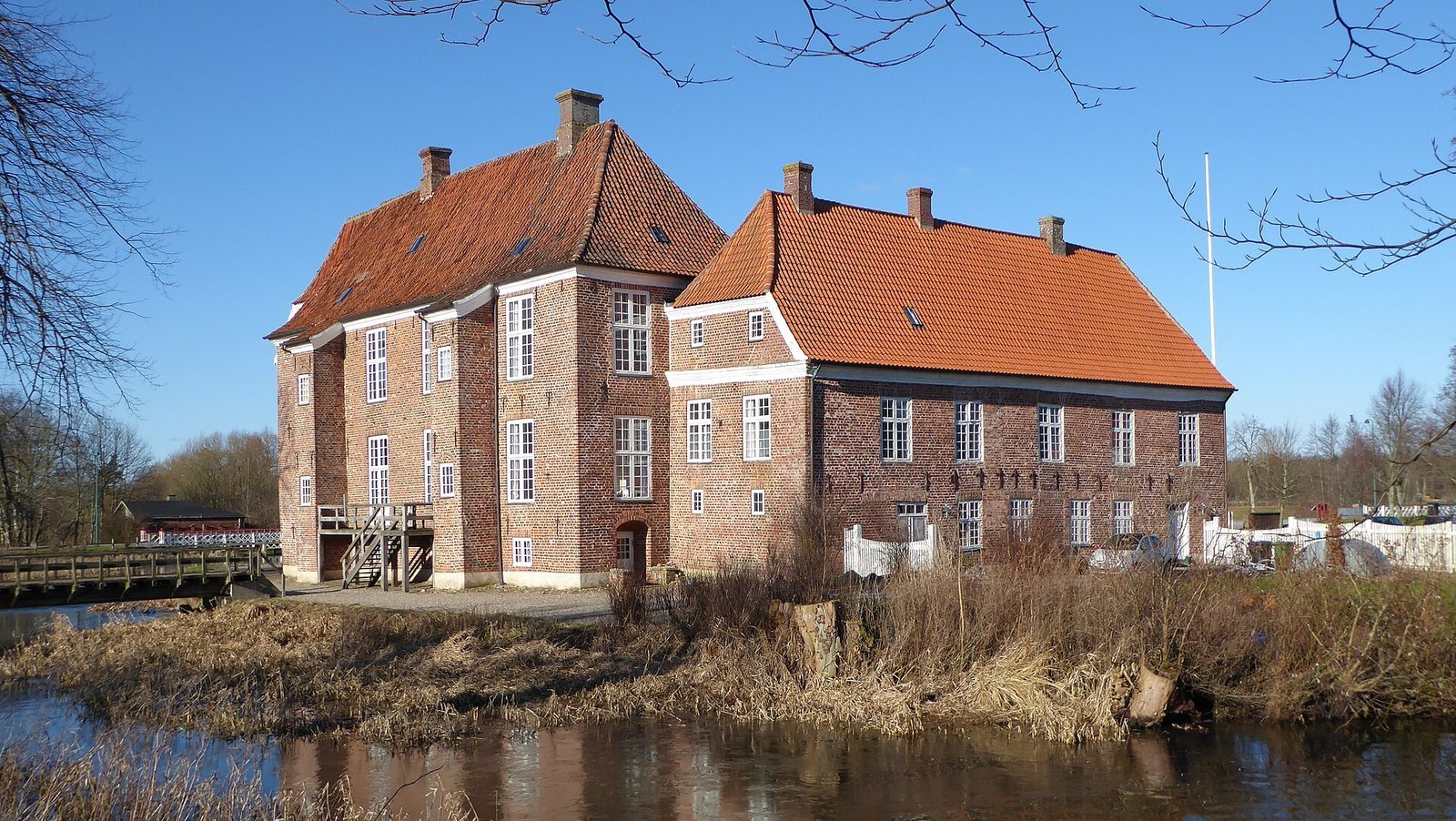
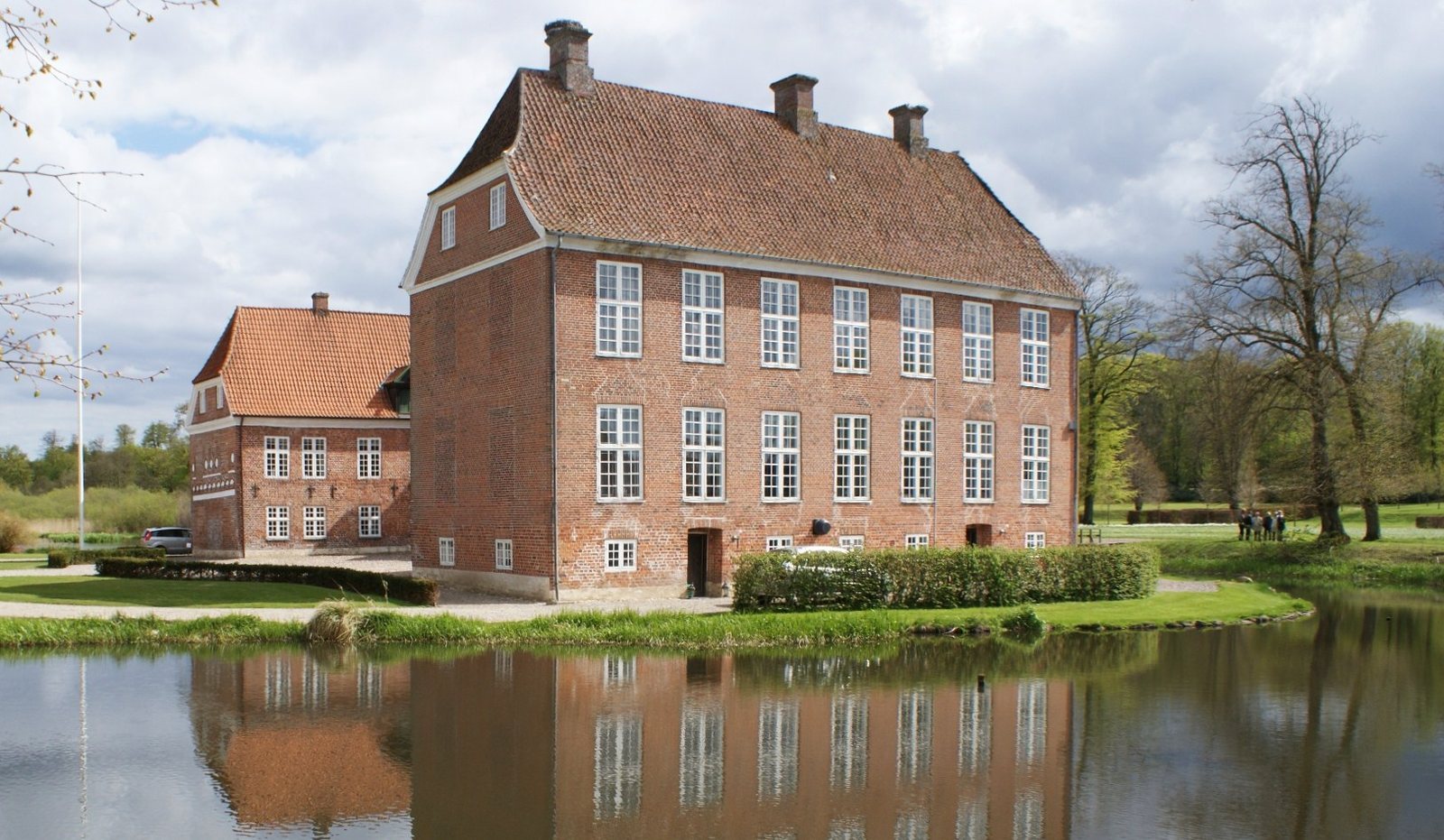
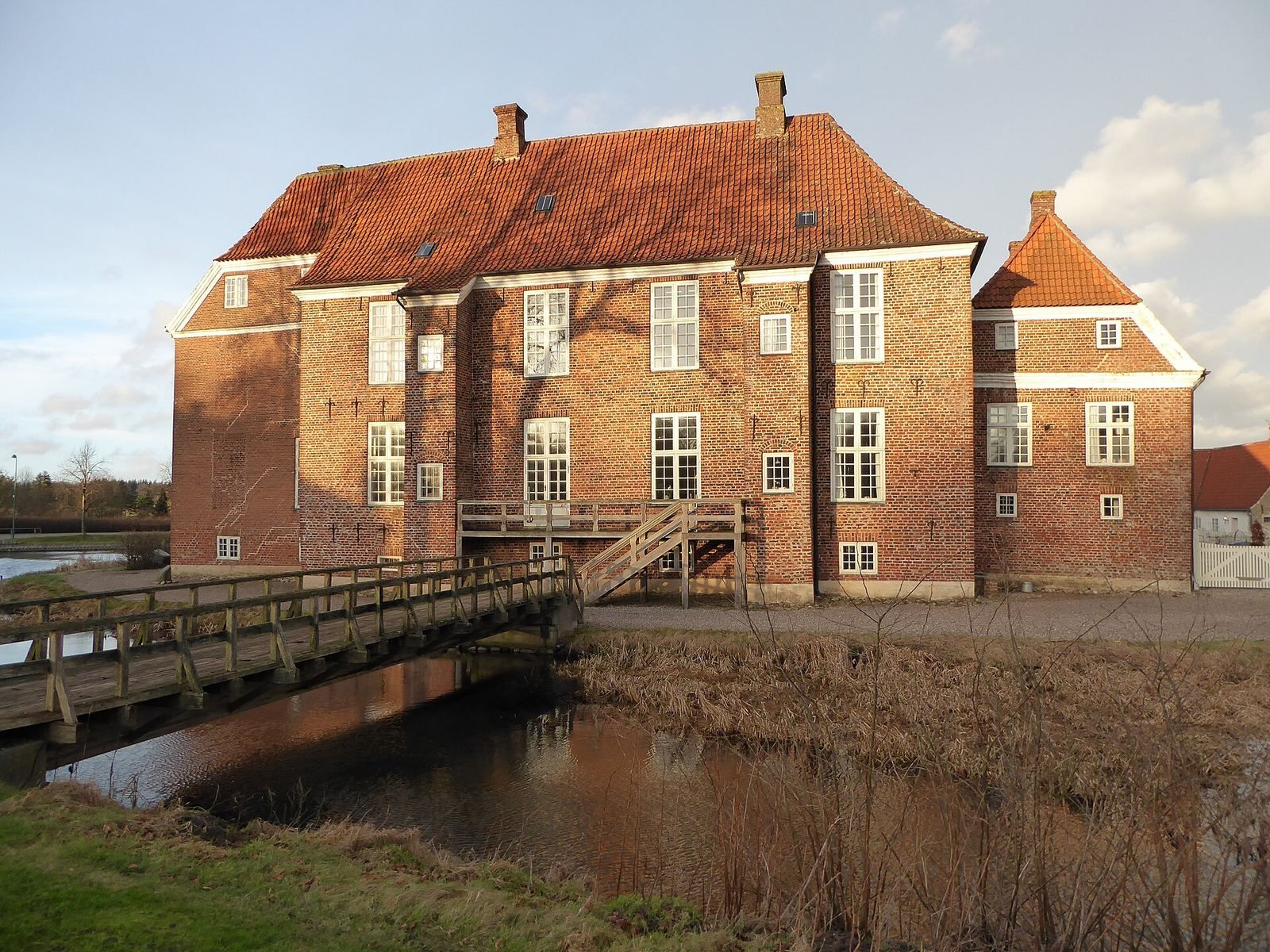
The palace is a brick-built complex of three wings set on an island within an impounded castle pond. The farmyard lies north of the palace, while the park extends to the southwest.
Palace buildings
East wing
The east wing is the oldest part of the palace. Parts date to around 1500, and the wing was probably built in the early 16th century under the Reventlows.
Main and south wings
Field Marshal Hans Schack, a Danish nobleman and military commander who held a senior military rank, built the main wing around 1670. The south wing also dates to his period.
West wing and garden
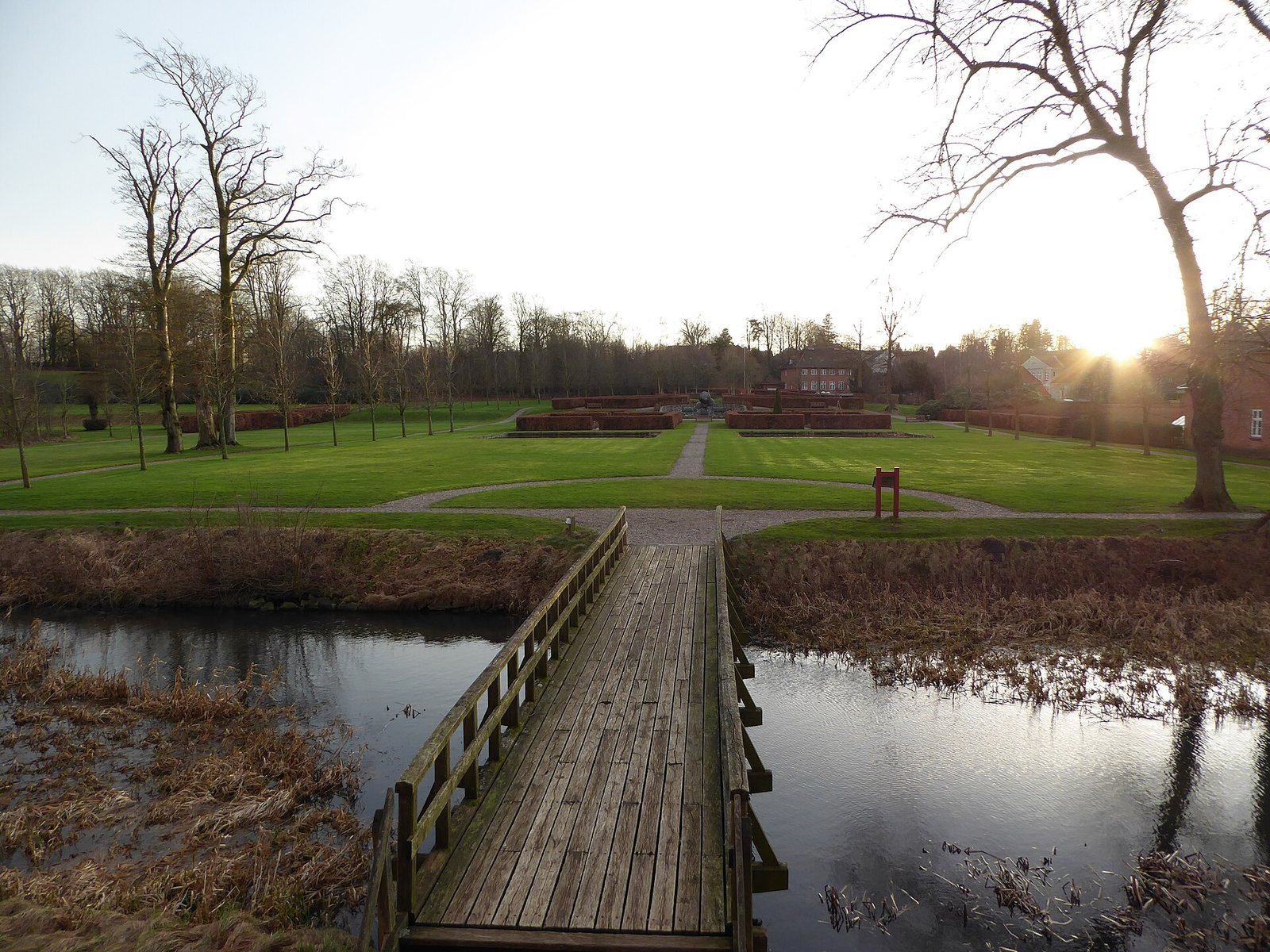
Countess Anna Sophie Schack added the west wing around 1752. The palace park is among the most spacious in Sønderjylland. Laid out as a Baroque garden, it has a main axis extending from the main wing past two water basins toward symmetrically arranged flower beds.